
Hear from Our Customers
That musty smell when the heat kicks on in October isn’t something that burns off on its own. In Northern Liberties, where brick rowhouses share foundation walls and converted loft buildings run rooftop condensers on shared parapets, moisture finds its way into ductwork in ways that most homeowners never see coming. When mold establishes inside your HVAC system, every time that system runs, it’s moving contaminated air through every room simultaneously.
Getting your air ducts professionally cleaned and inspected means you’re not just solving a smell you’re stopping a cycle. Families with young kids notice it first: fewer unexplained allergy flare-ups, less congestion in the mornings, air that doesn’t feel heavy when the system kicks on. That’s not coincidence.
For renters in Northern Liberties who have no idea what the previous tenant left behind in those ducts, and for landlords managing units in the neighborhood’s condo buildings and converted industrial spaces, a clean, documented HVAC system is also peace of mind with a paper trail. Philadelphia’s humidity peaks in late summer and stays elevated through fall that transition window between AC season and heating season is exactly when mold in ductwork gets worse if it’s left alone.
We’re based in Bensalem and have been serving Philadelphia County including Northern Liberties for over 15 years. We’re not a franchise call center. When you reach out, you’re talking to certified mold remediation specialists who have worked in the specific building types that define Northern Liberties: the old rowhouse stock near Orianna Hill Park, the converted industrial lofts along the Callowhill border, the newer condo buildings that rose on the former Schmidt’s Brewery footprint at The Piazza Alta.
What sets us apart isn’t just the cleaning it’s the verification. After remediation work is complete, we test the affected areas to confirm the mold is actually gone. Most companies clean and leave. We document the result. That distinction matters a lot in a neighborhood where residents research every purchase carefully and expect more than a handshake and an invoice.
It starts with a free inspection. Before any work begins, a certified specialist takes a real look at your system not just the registers you can see, but the interior ductwork, the return air pathways, and in many Northern Liberties properties, the mechanical closets where vertical fan coils sit and condensate lines are prone to clogging. That clog is often the hidden moisture source that nobody else checks.
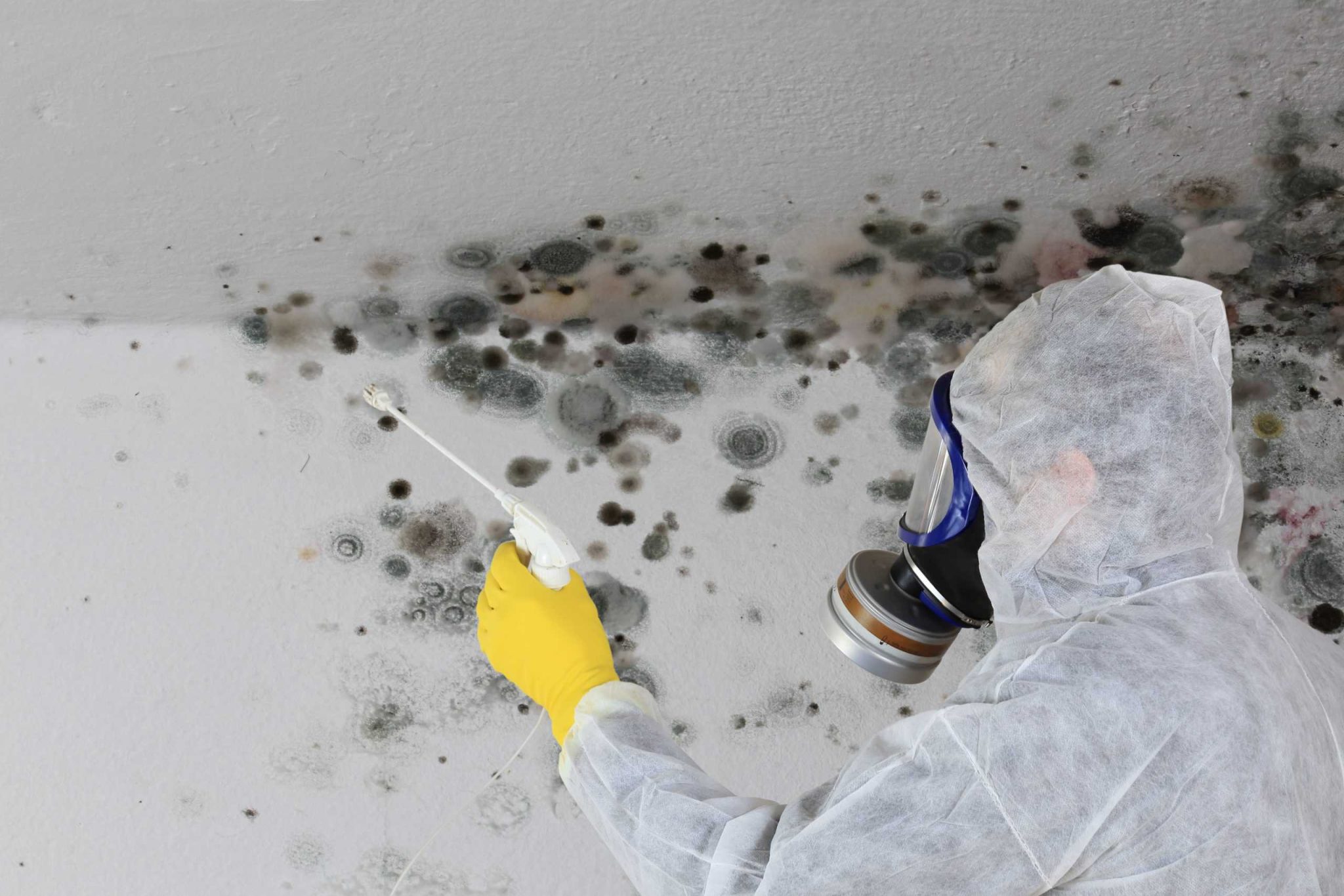
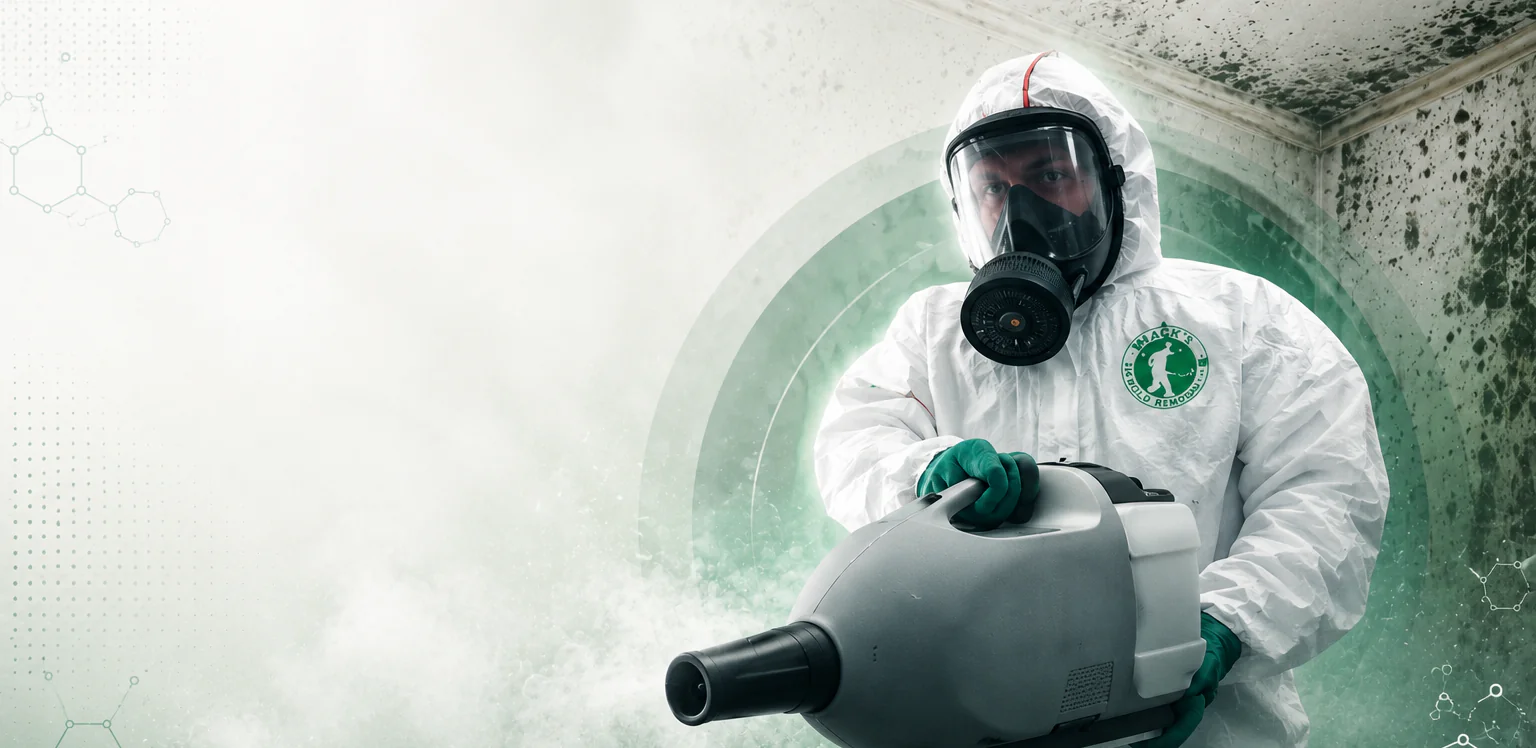
If mold is found, we contain it before touching it. This is where a mold specialist is fundamentally different from a general duct cleaner. Disturbing mold without proper containment spreads spores through the home. We use containment protocols drawn from certified mold remediation practice not just a vacuum and a brush. The cleaning itself addresses both supply and return ducts, and when biological contamination is involved, air duct sanitizing follows the mechanical cleaning to treat what’s left at the surface level.
Once the work is done, samples go to a lab. You get confirmation not just a verbal assurance that the mold has been eliminated. Given that Philadelphia’s late-summer humidity creates ideal conditions for mold to re-establish in systems that aren’t fully cleared, that post-cleaning verification step isn’t optional. It’s the only way to know the job actually worked.

Ready to get started?
Air duct cleaning in a Northern Liberties rowhouse is not the same job as air duct cleaning in a suburban split-level. The rowhouse stock in this neighborhood many dating to the 1880s and 1920s has ductwork that was never designed for modern humidity loads. Return air pathways run through spaces adjacent to basements that share foundation walls with neighboring homes. Moisture migrates. The system draws it in, and without regular inspection, that moisture accumulates in the dark interior sections of ductwork where mold thrives.
In the converted loft buildings and newer condos near The Piazza Alta and along the 2nd Street corridor, the challenges are different but equally real. Rooftop condensers on shared parapets, undersized coils, and vertical fan coils in mechanical closets create condensate buildup that becomes a mold incubation environment when left unchecked. We understand both building types and adjust our inspection and cleaning approach accordingly.
Dryer vent cleaning is also part of what we handle and in Northern Liberties rowhouses with basement laundry setups, dryer vent runs often travel through multiple floors before exiting the building. Those longer runs accumulate lint faster than a standard installation, and the NFPA reports that failure to clean dryer vents is the leading cause of the roughly 15,970 dryer-related house fires that occur in the U.S. each year. In a dense rowhouse block, that risk doesn’t stay contained to one unit. We also work directly with insurance companies on applicable claims, which is particularly useful for landlords and condo owners navigating building insurance or tenant-related mold complaints under Philadelphia’s Property Maintenance Code.
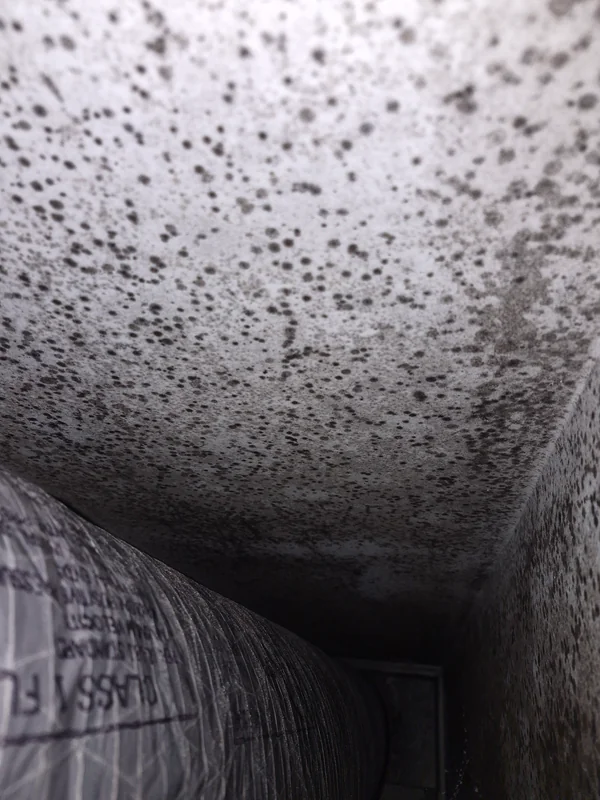
The most common sign is a musty smell that shows up specifically when your HVAC system turns on not a general basement smell, but one that moves through the vents and into your living space. In Northern Liberties, this tends to surface most noticeably in October and November when residents switch from AC to heat for the first time. The system has been sitting idle through the humid Philadelphia fall, and any mold that established on evaporator coils or inside ductwork during the summer makes itself known the moment warm air starts moving through.
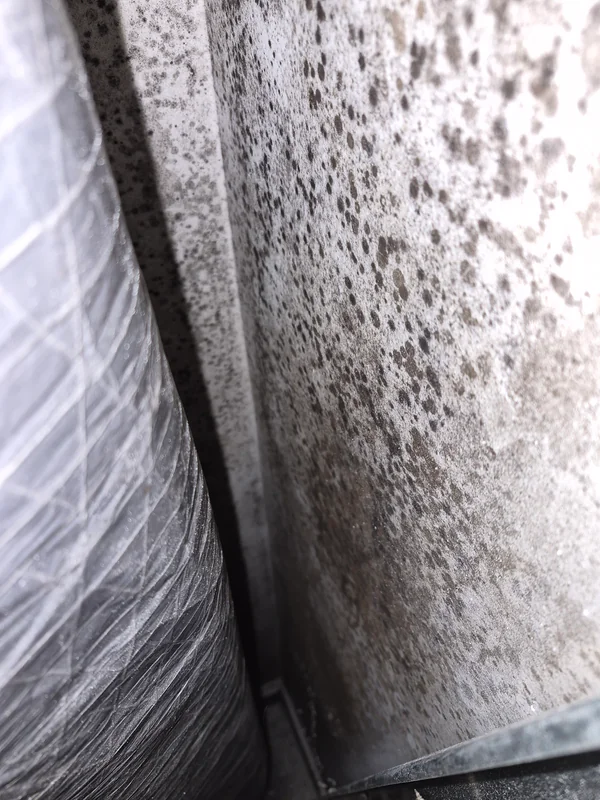
Other signs include visible discoloration near vent registers, worsening allergy or asthma symptoms that don’t have another obvious cause, and particularly in the neighborhood’s older rowhouse stock a general sense that the air feels heavier or stale even with windows open. Because most of the contamination happens deep inside the ductwork rather than at the register face, a professional inspection with proper equipment is the only way to confirm what’s actually there. We offer free inspections, so you’re not committing to anything before you know what you’re dealing with.
Yes, and this is one of the more serious aspects of mold in an HVAC system. Every time the system runs, it pulls air through the return ducts, passes it through the air handler, and pushes it back out through the supply ducts into every connected room. If mold is present anywhere in that pathway, spores travel with the airflow which means a mold problem that started in one section of ductwork can affect every room the system serves.
In Northern Liberties specifically, this concern extends beyond a single unit. The neighborhood’s attached rowhouses share foundation walls, and moisture from one home’s basement can elevate humidity in adjacent properties through shared wall cavities and connected HVAC return pathways. In multi-unit condo buildings particularly the converted loft buildings near the Callowhill border and along 2nd Street shared mechanical systems or adjacent units with common walls can complicate the picture further. If you’re a landlord or property manager with multiple units, a mold complaint in one unit is worth investigating across the building, not just in the unit where the complaint originated.
In almost every documented case, no. The $99 air duct cleaning offer is one of the most well-documented bait-and-switch tactics in the home services industry. The low price gets someone in the door, and then the upselling begins additional charges for each vent, for sanitizing, for “mold treatment,” for equipment fees that weren’t mentioned in the original quote. By the time the job is done, the final invoice looks nothing like the number that got you to call.
NADCA the industry’s professional standards body estimates that a legitimate air duct cleaning for a typical home runs between $450 and $1,000, depending on the size of the system and what’s found during the inspection. That range reflects real labor time (a proper cleaning takes four to six hours), professional equipment, and a complete job that covers both supply and return ducts. We provide upfront pricing before any work begins. The number you’re given at the inspection is the number you pay no surprises added on after the fact.
The general industry recommendation is every three to five years for routine maintenance, but that baseline assumes a system with no specific problems. In Northern Liberties, several factors can push that timeline shorter. Philadelphia’s average annual humidity runs around 64% year-round and peaks between 71% and 77% in late summer and fall conditions that accelerate moisture accumulation inside ductwork, particularly in older rowhouses where the HVAC system was never designed for modern humidity loads.
If you’ve recently moved into a unit with an unknown maintenance history which applies to a large portion of Northern Liberties residents given the neighborhood’s high renter turnover that’s a reason to get an inspection regardless of the calendar. The same applies after any water intrusion event, after mold remediation elsewhere in the property, or if you’ve noticed worsening allergy symptoms without another clear cause. For landlords managing multiple units, annual inspections are a reasonable practice given the regulatory pressure under Philadelphia’s Property Maintenance Code to maintain habitable air quality conditions in rental properties.
They’re two different steps that address two different problems. Air duct cleaning is the mechanical process physically removing dust, debris, and biological buildup from inside the ductwork using professional equipment. A proper cleaning uses negative air pressure to pull contaminants out of the system rather than pushing them further in, and it covers both supply and return ducts. That’s the foundation.
Air duct sanitizing comes after the mechanical cleaning and involves applying an antimicrobial treatment to the interior surfaces of the ductwork to address any remaining biological contamination at the surface level. When mold is involved which is the scenario we specialize in sanitizing is not an optional add-on. Cleaning removes the visible and physical mold growth. Sanitizing addresses what’s left at the microbial level. In a neighborhood like Northern Liberties, where the combination of Philadelphia’s humidity, aging rowhouse building stock, and condensate-prone loft HVAC systems creates above-average mold risk, doing the cleaning without the sanitizing step leaves the job incomplete.
Northern Liberties is explicitly listed as a named service location on our website it’s not a stretch of our service area. We’re based in Bensalem, which connects directly to Northern Liberties via I-95, running along the neighborhood’s eastern edge. The drive is typically 20 to 30 minutes, which means response times are genuinely fast rather than a marketing claim.
We operate 24 hours a day, seven days a week, including for emergency situations. Customer reviews consistently mention same-day and next-day responses, with the owner personally returning calls rather than routing inquiries through a call center. For Northern Liberties residents many of whom work full-time and rent from landlords who may not respond quickly to air quality concerns having a certified mold and air duct specialist available on short notice is a meaningful difference. If you’ve just moved into a unit and noticed something off with the air, or if you’ve had mold remediated elsewhere in your home and want to know whether the ducts are clear, a free inspection is the logical first call. There’s no commitment required to find out what you’re actually dealing with.
Other Services we provide in Northern Liberties