
Hear from Our Customers

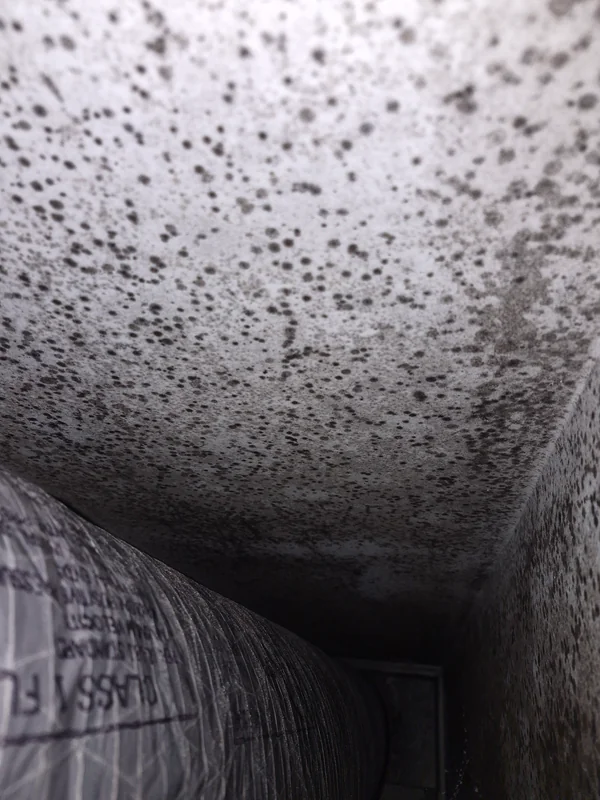
Most homeowners in North Park don’t think about their ductwork until something feels off a musty smell when the heat kicks on in October, allergy symptoms that get worse indoors, or a vague unease after finding moisture in the basement. By that point, the problem usually isn’t new. It’s just finally making itself known.
The homes throughout North Park, Allison Park, and McCandless were primarily built in the 1950s and 1960s. That means ductwork that’s anywhere from 50 to 70 years old, installed long before anyone understood how Pittsburgh’s humidity and clay-soil drainage issues would interact with aging sheet metal over decades. When a furnace sits in a moisture-prone basement and draws air through old ductwork every single day, the inside of that system collects far more than dust.
What changes after a proper cleaning done by people who actually understand mold, not just dirt is that you stop recirculating whatever has been building up in there. Families with young kids stop wondering why the air feels stale. Homeowners who just bought a mid-century ranch on Babcock Boulevard or near Pearce Mill Road get confirmation that their new home’s air system is actually clean. And people who’ve already had mold remediated somewhere in the house stop worrying that the ducts are undoing all that work.
We’ve been doing certified mold remediation and inspection work for over 15 years. That’s not a general cleaning background with mold added on it’s the other way around. Mold is the core of what we do, and air duct cleaning is part of that work because HVAC systems are one of the most common places mold hides and spreads.
When you’re dealing with a home near North Park’s wooded perimeter, where the tree canopy and the 75-acre lake create elevated ambient humidity on top of Pittsburgh’s already-humid summers, you want someone who understands the moisture conditions driving the problem not just someone with a vacuum and a truck.
Every job includes a real inspection first, upfront pricing before any work starts, and post-cleaning verification to confirm the mold is actually gone. Not assumed gone. Confirmed. That’s the standard we hold ourselves to, and it’s documented in the reviews by name.
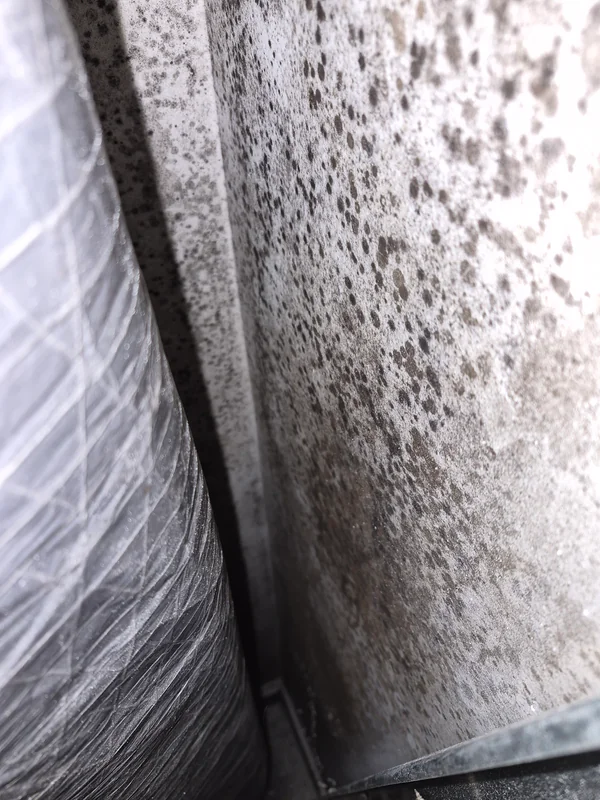
It starts with a free inspection. Before any equipment comes out, we look at your system the ductwork, the furnace area, the registers, and any areas where moisture may have entered. In homes throughout North Park and McCandless, that often means paying close attention to the basement, where Allegheny County’s clay-heavy soils and steep lot drainage patterns make water intrusion a real and recurring issue. If a furnace is sitting in a damp basement, that context matters for how the cleaning is approached.
From there, if mold is found or suspected the work is done with containment protocols in place. This is the part that separates a mold specialist from a general duct cleaner. Disturbing mold inside ductwork without containment can push spores into every room in the house. We handle this the way a remediation job is supposed to be handled: contain first, then clean.
After the mechanical cleaning is complete, affected areas are tested to verify the mold is gone. You get documentation of what was found and what was done not just a handshake and an invoice. For North Park homeowners preparing to sell (Hampton Township requires a dye test at sale, and buyers are increasingly asking about HVAC condition), that paper trail has real value. For everyone else, it’s just the peace of mind of knowing the job was actually finished.

Ready to get started?
Our air duct cleaning covers the full system supply ducts, return ducts, and the areas around your air handler where biological growth is most likely to start. Air duct sanitizing is available as part of the service for situations where mold has been confirmed in the ductwork, applying antimicrobial treatment after the mechanical cleaning to address contamination that a vacuum alone won’t eliminate. These are two different steps, and both matter when mold is involved.
We also offer dryer vent cleaning, and in North Park’s older housing stock it’s worth taking seriously. Homes built in the 1950s and 60s often have longer dryer vent runs than current code recommends, and flexible foil duct which traps lint far more readily than rigid metal was standard for decades. The NFPA reports nearly 16,000 dryer-related house fires per year nationally, with failure to clean the vent as the leading cause. It’s not a premium add-on. It’s a fire safety issue.
For homeowners who’ve recently moved into a home near North Park and don’t know the HVAC history, or for anyone who had mold remediated elsewhere in the house and wants to confirm the ducts weren’t part of the problem, we offer the combination of inspection, cleaning, and verification that a general duct cleaner simply isn’t equipped to provide. Financing is available, and we work directly with insurance companies when a claim is involved.
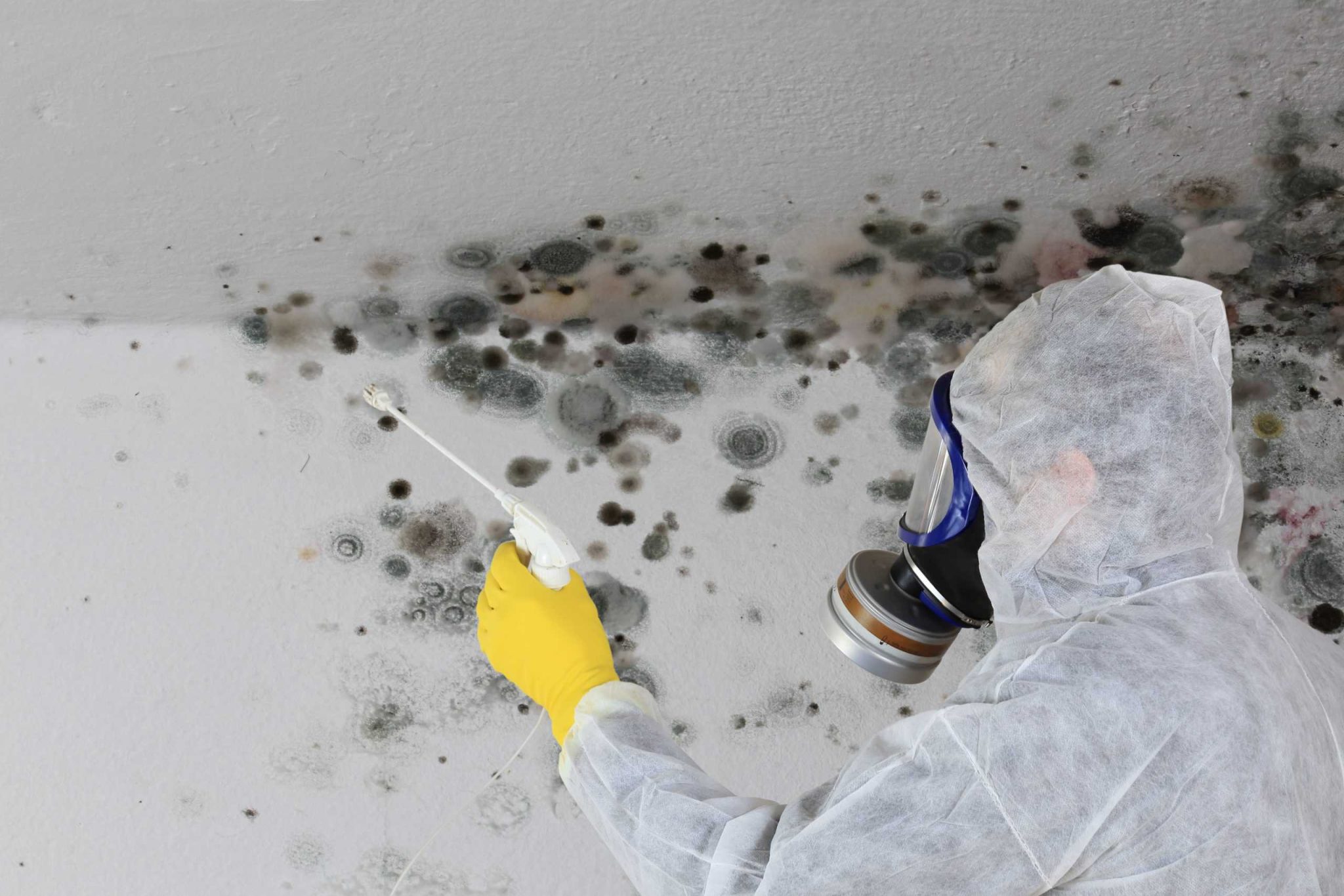
The most common sign is a musty or stale smell that appears specifically when your HVAC system kicks on not all the time, just when air starts moving through the ducts. If the smell is strongest right after the heat or AC turns on and fades after a few minutes, that’s a strong indicator that something biological is living inside the ductwork rather than elsewhere in the house.
Other signs include worsening allergy or asthma symptoms indoors that improve when you leave the house, visible discoloration around registers or vents, or a history of basement moisture or flooding. In North Park and Allison Park, where homes sit on clay-heavy soil that drains slowly after rain and where basements frequently experience moisture intrusion, furnaces drawing air from a damp basement are in near-ideal conditions for mold growth inside the duct system. A free inspection is the fastest way to know for certain and it costs nothing to find out.
The honest answer is: it depends on who’s doing it and why you need it. The EPA’s position is that routine duct cleaning absent any specific problem has unclear benefits. But that’s a very different situation from cleaning ducts where mold has been confirmed, where a basement flood has introduced moisture into the system, or where a home has never been cleaned and is 60 years old. In those cases, the EPA explicitly recommends cleaning.
The scam concern is legitimate. The $99 air duct cleaning offer that floods local search results is a well-documented bait-and-switch a low number to get in the door, followed by aggressive upselling once the technician is inside. A proper air duct cleaning for a typical home, done correctly with professional equipment, takes four to six hours and is priced accordingly. We provide upfront pricing before any work starts, so the number you’re quoted is the number you pay. No surprises.
Yes, and it’s one of the more underappreciated factors in North Park specifically. Pittsburgh summers run at 60 to 80 percent relative humidity. When your air conditioning system is pulling in that humid air, cooling it, and cycling it through your ductwork, condensation forms on the interior surfaces of the ducts particularly in older systems with degraded insulation or in homes where the air handler sits in a humid basement. That moisture, sitting in a dark enclosed space, is exactly what mold needs to establish itself.
The wooded setting around North Park adds another layer. Homes near the park’s perimeter, close to the 75-acre lake or under heavy tree canopy, experience elevated ambient humidity on top of what Pittsburgh’s climate already produces. That doesn’t mean every home near the park has mold in the ducts but it does mean the conditions are favorable enough that it’s worth knowing for certain rather than assuming everything is fine.
They’re two separate steps, and both matter when mold is part of the picture. Air duct cleaning is the mechanical process using professional equipment to physically remove debris, dust, biological material, and buildup from the interior surfaces of your ductwork. Done correctly, it takes four to six hours and requires equipment that creates negative air pressure inside the system so that dislodged material is captured rather than redistributed.
Air duct sanitizing happens after the cleaning. It involves applying an antimicrobial treatment to the cleaned duct surfaces to address any remaining biological contamination that the mechanical cleaning alone couldn’t fully eliminate. For a home that has confirmed mold in the ductwork or one where mold was remediated elsewhere in the house and there’s concern about the ducts being involved sanitizing is the step that makes the whole job stick. Skipping it after a mold-related cleaning is like treating the symptom without addressing the underlying condition.
For a home built in the 1950s or 1960s in McCandless or Allison Park, getting the ducts inspected before or shortly after moving in is one of the more practical things you can do. You don’t know the HVAC history of the home whether the previous owner had a basement flood, whether mold was ever present, or when the system was last cleaned, if ever. Starting with an inspection gives you a clear baseline instead of inheriting whatever the previous owner left behind.
This matters especially for families with young children, which is a significant portion of the North Park community given the North Allegheny School District draw. If the inspection finds nothing concerning, you have confirmation and can move on. If it finds something, you’re dealing with it before it becomes a bigger problem rather than discovering it months later when symptoms start appearing. We offer free inspections, so the first step costs nothing.
For a newer home without any moisture history, the general industry guidance is every three to five years. But that baseline assumes a home with modern ductwork, good basement drainage, and no prior mold events conditions that don’t describe the majority of homes in North Park and Allison Park. For a 1950s or 1960s home with a basement furnace, clay-soil drainage challenges, and Pittsburgh’s year-round humidity, the more useful question isn’t “how often” it’s “has it ever been done, and what did the inspection find?”
If you’ve had any basement water intrusion, if a previous mold remediation was done anywhere in the house, or if you’ve noticed the musty-when-the-HVAC-runs smell, those are reasons to schedule an inspection regardless of when the last cleaning was. Allegheny County’s radon prevalence 43 percent of county homes test above the EPA action level is a reminder that invisible indoor air threats in this area are real and worth taking seriously. Mold in ductwork belongs in the same category.
Other Services we provide in North Park