

Hear from Our Customers
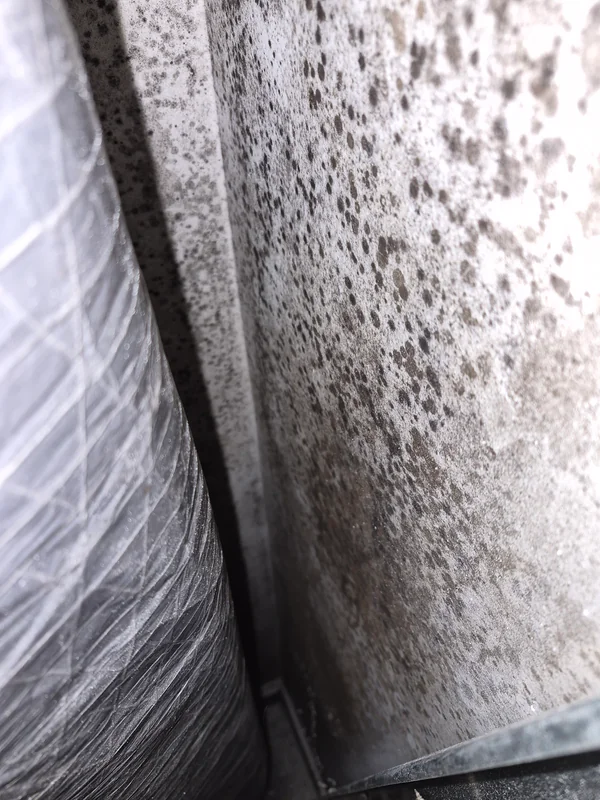
When the air coming through your vents smells musty, or your allergies have been getting worse without a clear explanation, the HVAC system is often the last place people check and the first place mold actually hides. In Nicetown–Tioga, where most of the housing stock dates back to the 1890s and 1920s, ductwork was typically added long after the home was built. That means irregular runs, gaps in the sealing, and moisture infiltration points that a newer build simply doesn’t have.
Mold doesn’t need much a little humidity, a dark space, and a surface to grow on. Your ducts check every one of those boxes. Families in Nicetown–Tioga deal with some of the highest childhood asthma hospitalization rates in Philadelphia. The city’s own Department of Public Health specifically monitors this neighborhood for elevated nitrogen dioxide and fine particulate matter. That’s already a real outdoor air burden. When your HVAC system is adding mold spores and accumulated debris on top of that, the indoor air your family breathes every day is worse than it needs to be.
Getting the ducts cleaned doesn’t fix everything but it removes the layer you can actually control.
We’ve been doing this work for over 15 years, and we’re certified in mold remediation which matters here because cleaning a duct system that has mold in it is a different job than vacuuming out dust. Without proper containment, you can disturb mold and spread spores into rooms that weren’t affected before. That’s not a risk worth taking, especially in homes where kids with asthma are sleeping.
We already have an active presence in Nicetown–Tioga through mold inspection and remediation work. We understand what Philadelphia’s older building stock actually looks like on the inside the retrofitted ductwork, the basement moisture issues, the shared-wall construction that lets one unit’s problem become a neighbor’s problem. This isn’t something we learned from a website. We’ve worked in these homes.
Every job starts with a free inspection and upfront pricing. You know what you’re dealing with and what it costs before any work begins.
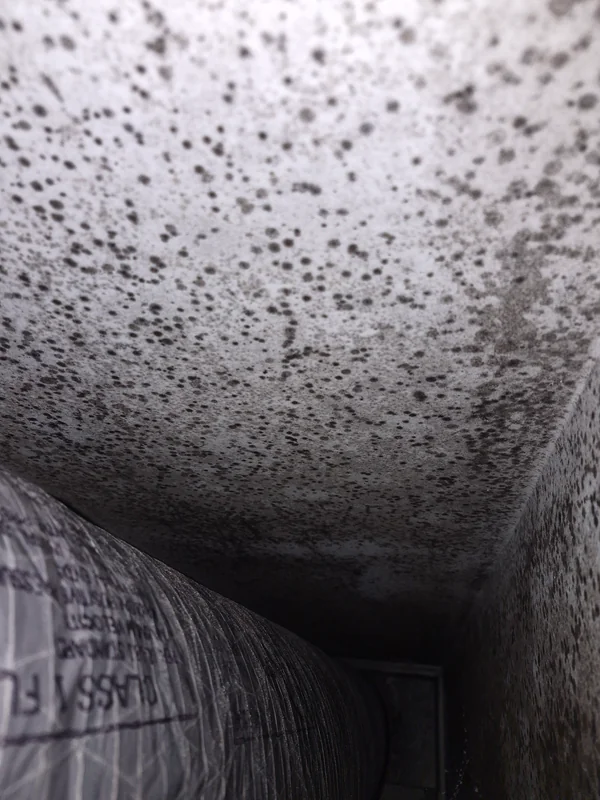
It starts with a free inspection. One of our certified specialists comes out, looks at the system, and tells you honestly what’s there whether that’s mold, years of accumulated debris, or both. In Nicetown–Tioga’s rowhouses, it’s common to find duct systems that have never been touched since installation, sometimes running through walls with limited access points. The inspection accounts for that. You get a clear picture of the problem and a straight quote before anything else happens.
Once the scope is confirmed, we use professional-grade equipment negative air pressure systems and HEPA vacuuming that physically removes contaminants from both supply and return ducts. This isn’t a leaf blower and a shop vac. The containment protocols matter especially in attached rowhouse construction, where an improperly handled job can push spores into adjacent units through shared wall cavities. When mold is confirmed in the system, air duct sanitizing follows the mechanical cleaning to treat any remaining biological contamination.
After the work is done, we test the affected areas to confirm the mold is actually gone. Not a visual check verified results. Philadelphia’s humid summers mean mold conditions in HVAC systems can return if the source of moisture isn’t addressed, so the inspection process also identifies what’s driving the problem, not just what’s visible at the vent.

Ready to get started?
Air duct cleaning covers both supply and return ducts the full system, not just the registers you can see. When mold is involved, that’s paired with air duct sanitizing, which applies an antimicrobial treatment after the mechanical cleaning to address biological contamination that vacuuming alone doesn’t eliminate. These are two different steps, and in a neighborhood where mold in HVAC systems is a genuine health concern, both matter.
Dryer vent cleaning is also part of what we handle and in Nicetown–Tioga’s rowhouses, this is more than routine maintenance. Many of these homes have dryer vents that run through long horizontal sections or shared walls, configurations that were never designed for modern high-efficiency dryers. The NFPA reports roughly 15,970 dryer-related house fires per year, with failure to clean the vent as the leading cause. In dense, attached rowhouse construction, a dryer fire doesn’t stay contained to one unit. It’s a real risk, and it’s a straightforward fix.
For homeowners dealing with a water damage or mold insurance claim, we work directly with insurance companies to help move the process along. Financing is also available for those who need flexibility on timing. Pennsylvania does not require a specific state license for air duct cleaning, but we bring certified mold remediation credentials to every job a standard that goes well beyond what most duct cleaning companies carry.
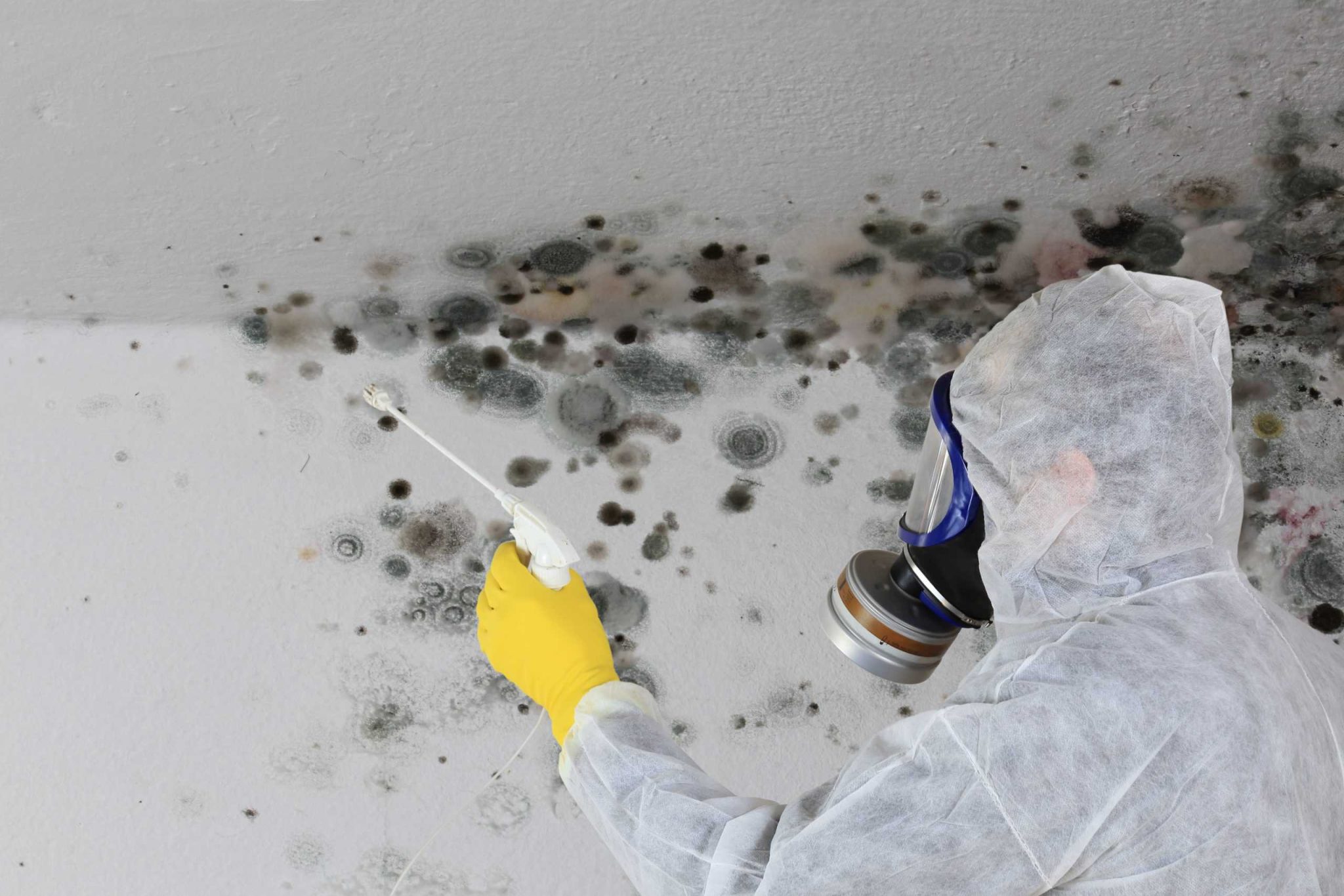
The most common sign is a musty smell that shows up specifically when the HVAC system kicks on not a general odor in the house, but one that comes and goes with the air. You might also notice worsening allergy or asthma symptoms that don’t have another obvious explanation, or visible discoloration around the vent registers.
In Nicetown–Tioga’s older rowhouses, mold in ductwork is especially common because these homes were built long before central air conditioning existed. The duct systems were retrofitted into structures with limited vapor barriers, basement moisture exposure, and irregular sealing conditions that make moisture infiltration into the duct system much more likely than in newer construction. A free inspection from one of our certified mold specialists will tell you definitively what’s in the system. Visual signs at the register are often just the surface of a deeper problem.
The short answer is: it depends on what’s driving the question. The EPA’s position is nuanced routine cleaning in the absence of a specific problem has unclear benefits. But when mold is confirmed in the duct system, or when there’s been pest activity, significant debris buildup, or a recent renovation that disturbed old building materials, the EPA explicitly recommends cleaning.
That’s a different situation than someone selling you a $99 special to vacuum your vents. The air duct cleaning industry has a well-documented bait-and-switch problem a low offer gets you in the door, and then the upsells start once the job has begun. A legitimate job for a typical home takes four to six hours and involves both supply and return ducts, professional-grade equipment, and a real inspection beforehand. If someone quotes you a flat rate before they’ve seen your system, that’s worth being skeptical of. We start with a free inspection and give you upfront pricing before any work begins.
Yes, and the risk is real. When mold grows inside ductwork, the heating and cooling system distributes spores to every room in the house every time it runs. Common effects include stuffy nose, coughing, wheezing, sore throat, and eye or skin irritation symptoms that can look like a persistent cold or seasonal allergies and are easy to misattribute.
For people with asthma, the exposure is more serious. Research consistently shows the risk of asthma doubles in homes with mold. In Nicetown–Tioga, where children are already hospitalized for asthma at some of the highest rates in Philadelphia, and where the city’s own health department monitors outdoor air quality in the neighborhood for elevated particulates, the indoor air burden from a mold-contaminated HVAC system compounds on top of an already documented community health concern. Addressing mold in the duct system isn’t a comfort upgrade in this neighborhood it’s a health protection decision.
They’re two separate steps that serve different purposes. Air duct cleaning is the mechanical process using professional equipment to physically remove dust, debris, mold spores, and biological material from inside the duct system. Air duct sanitizing comes after, and it involves applying an antimicrobial treatment to the interior surfaces of the ducts to kill any remaining biological contamination that the cleaning process alone doesn’t eliminate.
When mold is the issue which is the most common scenario in Nicetown–Tioga’s aging rowhouse stock cleaning without sanitizing leaves behind the conditions that allowed mold to take hold in the first place. Think of it this way: cleaning removes what’s there, sanitizing addresses what might remain and helps prevent regrowth. For homes where moisture infiltration is an ongoing issue, which is common in older attached construction, sanitizing is an important part of a complete job, not an optional add-on.
Renovation work in a century-old Nicetown–Tioga rowhouse is one of the clearest triggers for post-job duct cleaning. When walls come down in a home that’s been standing since the 1890s or 1920s, whatever has been dormant inside those walls mold, dust, debris, sometimes asbestos-adjacent materials gets disturbed and released into the air. Without containment protocols during the renovation and a professional HVAC cleaning afterward, those particles get pulled directly into the duct system and redistributed throughout the home every time the heat or AC runs.
Nicetown–Tioga is in an active renovation phase right now, with Nicetown CDC, Tioga United, and new residential construction all contributing to building activity across the neighborhood. If you’ve recently moved into a renovated rowhouse or had work done on your own home, having the duct system inspected and cleaned is a straightforward step that protects the air quality in the finished space.
Yes. We actively serve Nicetown–Tioga and already have a presence in the neighborhood through mold inspection and remediation work. We’re familiar with the specific conditions in North Philadelphia’s older rowhouse stock the retrofitted ductwork, the basement moisture dynamics, the shared-wall construction that connects units and can allow mold conditions to spread between neighbors.
Nicetown–Tioga falls within Philadelphia County, which is part of our core service area alongside Bucks, Montgomery, Delaware, and Chester Counties. We’re available 24 hours a day, seven days a week for situations that can’t wait. Every job in Nicetown–Tioga starts with a free inspection so you understand exactly what you’re dealing with before spending anything. Financing is available for homeowners who need flexibility, and for jobs that involve an insurance claim, we work directly with insurers to help move the process forward.
Other Services we provide in Nicetown–Tioga