

Hear from Our Customers
Most homeowners in New Hope don’t think about their ductwork until something feels off a musty smell when the heat kicks on, allergy symptoms that never fully go away, or a nagging sense that the air just doesn’t feel right. By the time those signs show up, the problem is usually well established inside the system.
New Hope sits at the confluence of the Delaware River and Aquetong Creek, with the historic Delaware Canal running directly through the borough. Average humidity in the 18938 zip code is 68% annually and that’s not a number that exists in a vacuum. It means your HVAC system is cycling moisture-laden air through ductwork that may run through stone basements, original masonry cavities, and crawl spaces that were never designed to stay dry. Mold doesn’t need much of an invitation in that environment.
When air duct cleaning is done right not just a quick vacuum at the register, but a proper inspection and cleaning of the full system you get more than fresher air. You get confidence that what’s circulating through your home isn’t distributing mold spores to every room every time the system runs. For a household with older residents, young children, or anyone with respiratory sensitivities, that’s not a minor comfort upgrade. It’s a meaningful health decision.
We’ve been working in Bucks County for over 15 years, based in Bensalem and deeply familiar with the specific conditions that affect homes throughout the county especially the historic, moisture-challenged properties that make up so much of New Hope’s housing stock. Stone colonials, Federal-style rowhouses, and converted carriage houses throughout the New Hope Village District present ductwork challenges that require real experience with older construction.
What separates us from a general duct cleaning company is our mold remediation background. When we open up your HVAC system and find mold, we know what we’re looking at and how to handle it correctly with proper containment, lab testing, and post-cleaning verification. A standard duct cleaner finding mold is operating outside their lane. That’s not a knock on them; it’s just a different kind of work.
We also work directly with insurance companies on mold-related claims, which matters more in New Hope than most towns given the borough’s documented history with Delaware River flooding. Whether you’re dealing with a recent discovery or following up on water intrusion that happened years ago, the process is straightforward from the first call.
It starts with a free inspection. One of our certified specialists comes out, takes a real look at your HVAC system, and tells you exactly what we find no pressure, no upsell, no vague language about what might be going on. If there’s mold in the system, you’ll know. If there isn’t, you’ll know that too.
If cleaning is warranted, the process involves more than running equipment through the vents. We address the full system supply ducts, return ducts, and the components most likely to harbor biological growth in a humid environment like New Hope’s. For homes along the canal corridor or near the river, that often means paying close attention to sections of ductwork that run through stone basements or below-grade spaces where moisture has had years to accumulate. We use containment protocols when mold is present so that the cleaning process doesn’t spread spores into living areas.
After the work is done, we test the affected areas to confirm the mold is actually gone. This isn’t a standard step in the industry most companies clean and leave. But for a homeowner protecting a historic property in New Hope, a written result means something that a verbal assurance doesn’t. You’ll have documented confirmation that the job was done.
Ready to get started?
Air duct cleaning covers the full duct system not just the registers you can reach with a vacuum attachment. We address the interior ductwork where dust, debris, and biological growth actually accumulate. In New Hope’s older homes, that often means navigating ductwork that was retrofitted into structures built long before modern HVAC systems existed. Stone colonials, converted carriage houses, and Federal-style rowhouses throughout the New Hope Village District present unique routing challenges that require real mold remediation experience.
Air duct sanitizing is a separate step from mechanical cleaning. After we remove the physical debris and contamination, an antimicrobial treatment can be applied to address any remaining biological material on duct surfaces. This is particularly relevant for properties that have experienced water intrusion whether from Hurricane Ida in 2021, earlier Delaware River flood events, or the slower, chronic moisture exposure that canal-adjacent properties deal with on an ongoing basis.
Dryer vent cleaning is also available and worth taking seriously, especially in older homes. The NFPA reports over 15,000 dryer-related house fires per year nationally, with failure to clean vents as the leading cause. In a borough where many homes have original wood framing that’s been standing for over a century, a dryer vent fire carries consequences that go well beyond a typical insurance claim. We handle this as part of a comprehensive approach to indoor air quality and home safety not as an afterthought.
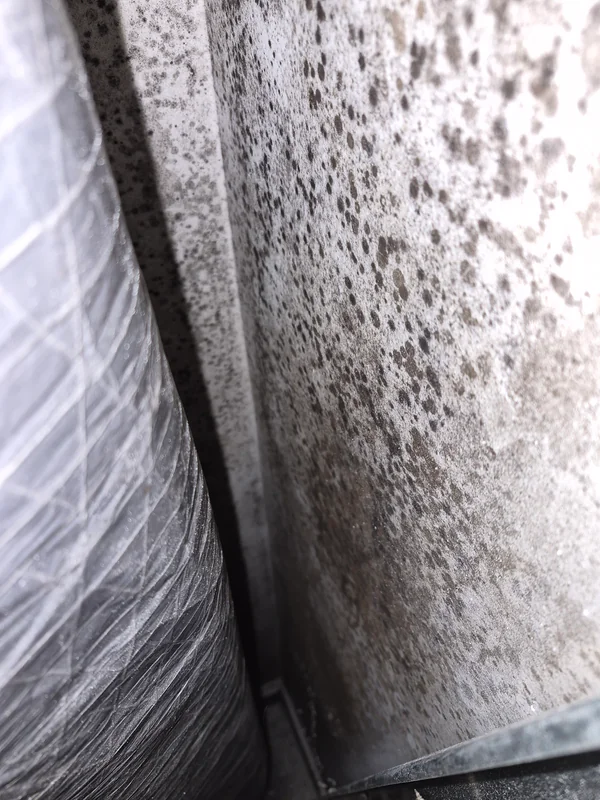
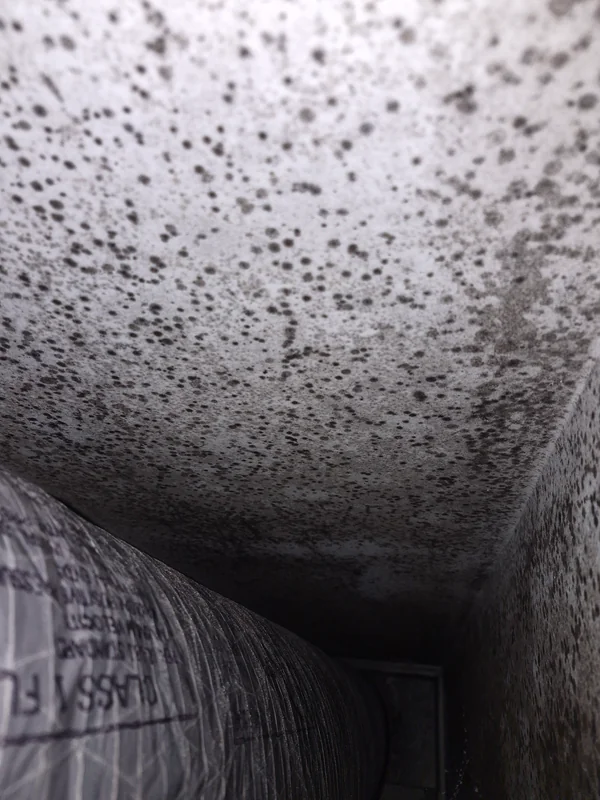
Yes, meaningfully so. The Delaware Canal creates a permanent elevated groundwater and humidity baseline throughout New Hope Borough and that moisture doesn’t stop at your foundation. Properties along the canal towpath corridor consistently show elevated mold spore counts in air samples even when there’s no visible mold anywhere in the home. When your HVAC system pulls air through a structure that’s sitting in a chronically damp environment, the interior duct surfaces especially in sections that run through basements or below-grade spaces become prime real estate for mold growth.
The 68% average humidity recorded for ZIP code 18938 is a year-round condition, not a seasonal spike. That means your HVAC system is managing moisture stress continuously, not just during summer. If your ductwork hasn’t been inspected since you moved in, or if you’ve never had it looked at since a flood event, a free inspection is the most straightforward way to find out what’s actually happening inside the system.
The honest answer is that you usually can’t tell from the outside. Dust at a register is visible. Mold growing on the interior walls of a duct section that runs through a stone basement is not. The two most common signs that something biological is going on rather than just accumulated dust are a musty or earthy smell that appears specifically when the HVAC system turns on, and respiratory symptoms that improve noticeably when you’re out of the house for extended periods.
A proper inspection involves more than a flashlight at the vent opening. We use certified inspection methods and can collect air samples for lab analysis to determine whether mold is present and what type it is. That matters because the remediation approach for different mold species varies, and because lab results give you documented confirmation rather than a technician’s best guess. In a home with New Hope’s building profile older construction, stone or masonry elements, proximity to water a visual inspection alone isn’t enough.
Absolutely, and this is one of the most common situations where mold in ductwork gets missed. When the Delaware River crested during Hurricane Ida in September 2021 and water entered homes between the canal and the river, most remediation work focused on the visible damage flooring, drywall, foundation walls. Ductwork, especially in basements and crawl spaces, is often the last thing addressed and sometimes isn’t addressed at all.
Mold can begin colonizing within 24 to 48 hours of water exposure. If floodwater reached the areas where your ductwork runs and that ductwork wasn’t specifically inspected and cleaned as part of the remediation process, there’s a real possibility mold established itself inside the system and has been circulating through your home ever since. This is true even if the rest of the remediation was handled well. A free inspection from us will tell you definitively whether the ducts were affected and if they were, what it takes to resolve it correctly.
They’re two separate steps that address two different problems. Air duct cleaning is the mechanical process removing physical debris, dust, and biological matter from the interior of the duct system using professional equipment. Air duct sanitizing comes after cleaning and involves applying an antimicrobial treatment to the duct surfaces to eliminate any remaining biological contamination that mechanical cleaning alone doesn’t fully address.
Whether you need both depends on what’s found during inspection. If the issue is primarily dust and debris with no confirmed mold presence, cleaning alone may be sufficient. If mold is confirmed which is more likely in New Hope’s canal-adjacent and river-adjacent properties than in drier inland communities sanitizing is the step that actually addresses the biological risk, not just the visible buildup. We’ll tell you what’s warranted based on what the inspection actually finds, not based on what adds the most to a bill.
The industry standard recommendation is every three to five years for a typical home. But “typical” doesn’t describe most of New Hope’s housing stock. A stone colonial with a fieldstone basement, retrofitted ductwork, and canal-adjacent groundwater is operating in a fundamentally different moisture environment than a suburban ranch house built in the 1990s. In that context, erring toward the shorter end of that range or scheduling an inspection after any significant water event makes more practical sense.
Homes built before 1940, which account for over 21% of New Hope’s housing units, often have duct systems that were installed decades ago and may never have been properly cleaned. If you’ve recently purchased an older property in New Hope or Solebury Township and don’t have documentation of prior duct cleaning, treating it as overdue is a reasonable starting assumption. A free inspection will give you a clear picture of where things actually stand before you commit to anything.
It’s a legitimate safety service, and the numbers behind it are serious. The National Fire Protection Association reports roughly 15,970 dryer-related house fires per year in the United States, and the leading cause is failure to clean the dryer exhaust duct. Lint accumulates in the vent over time, restricts airflow, and creates conditions where heat builds up to the point of ignition.
In New Hope specifically, this matters more than in a newer suburban development. Many homes in the borough have original wood framing that’s been in place for over a century. A fire that starts in a dryer vent in a structure like that moves differently and faster than it would in a home built with modern fire-resistant materials. If your dryer is taking longer than usual to dry a full load, or if the exterior vent feels unusually hot during operation, those are signs the vent needs attention. We include dryer vent cleaning as part of a complete approach to home safety, not as an add-on designed to inflate a quote.
Other Services we provide in New Hope