
Hear from Our Customers

If your HVAC system has mold in it, every time your heat or AC kicks on, it’s pushing contaminated air into every room in the house at the same time. The bedroom, the home office, the kids’ playroom all of it. Cleaning the ducts properly stops that cycle.
What you notice afterward is usually quieter than you’d expect: the musty smell that became background noise is gone, the allergy symptoms that kept getting blamed on pollen ease up, and the air just feels different.
For Montgomery County homeowners specifically, that outcome matters more than it might somewhere else. The county gets around 48 inches of rain a year ten inches above the national average. That persistent moisture, combined with a housing stock where a significant portion of homes were built with stone or brick foundations that predate modern waterproofing, creates conditions where mold in HVAC systems isn’t a freak occurrence. It’s a predictable result of the environment these homes exist in.
If your basement has ever taken on water especially if you’re near the Schuylkill River, Perkiomen Creek, or Wissahickon Creek and you haven’t had your ducts inspected since, there’s a real chance the ductwork is still holding contamination that the original remediation job never addressed. Getting that resolved means your home isn’t just cleaner on the surface. It’s actually safer to be in.
We’re based in Bensalem, PA right on Montgomery County’s northeastern border. Norriton is about 25 minutes via the Turnpike. Lansdale, Horsham, and Montgomeryville are 30 to 40 minutes out. King of Prussia is a straight shot on I-276 to I-476. This isn’t a regional company dispatching crews from hours away we know Montgomery County’s roads, its neighborhoods, and the specific conditions that make HVAC mold a recurring problem here.
What separates us from a standard duct cleaning company is our mold remediation background. With over 15 years of experience and certified inspectors on every job, the process doesn’t stop at mechanical cleaning. We test the affected areas after the work is done to confirm the mold is actually gone not just cleaned around. That post-remediation verification step is documented, and it’s something no other local competitor in Montgomery County currently offers.
Free inspections, upfront pricing, and direct insurance assistance are all part of how we operate. You know what you’re getting before any work starts, and if you’re navigating a homeowner’s insurance claim after a flood or water event, we handle that communication directly.

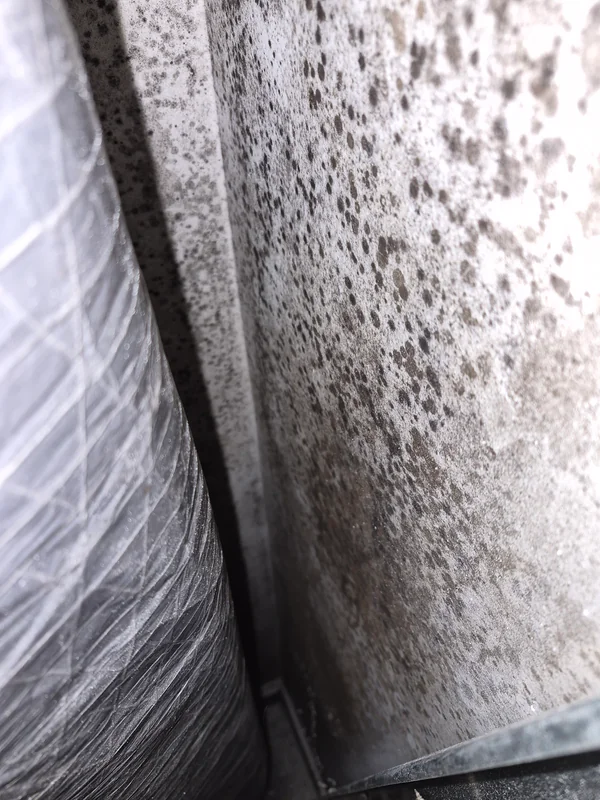
It starts with a free inspection. A certified technician comes out, looks at the system, and gives you an honest assessment of what’s actually in there. For a lot of Montgomery County homes particularly the older colonials and twins in communities like Cheltenham, Glenside, Conshohocken, and across the Main Line that inspection often reveals conditions that a quick visual check at the register would never catch. Mold grows in the interior sections of ductwork, not at the surface where you can see it.
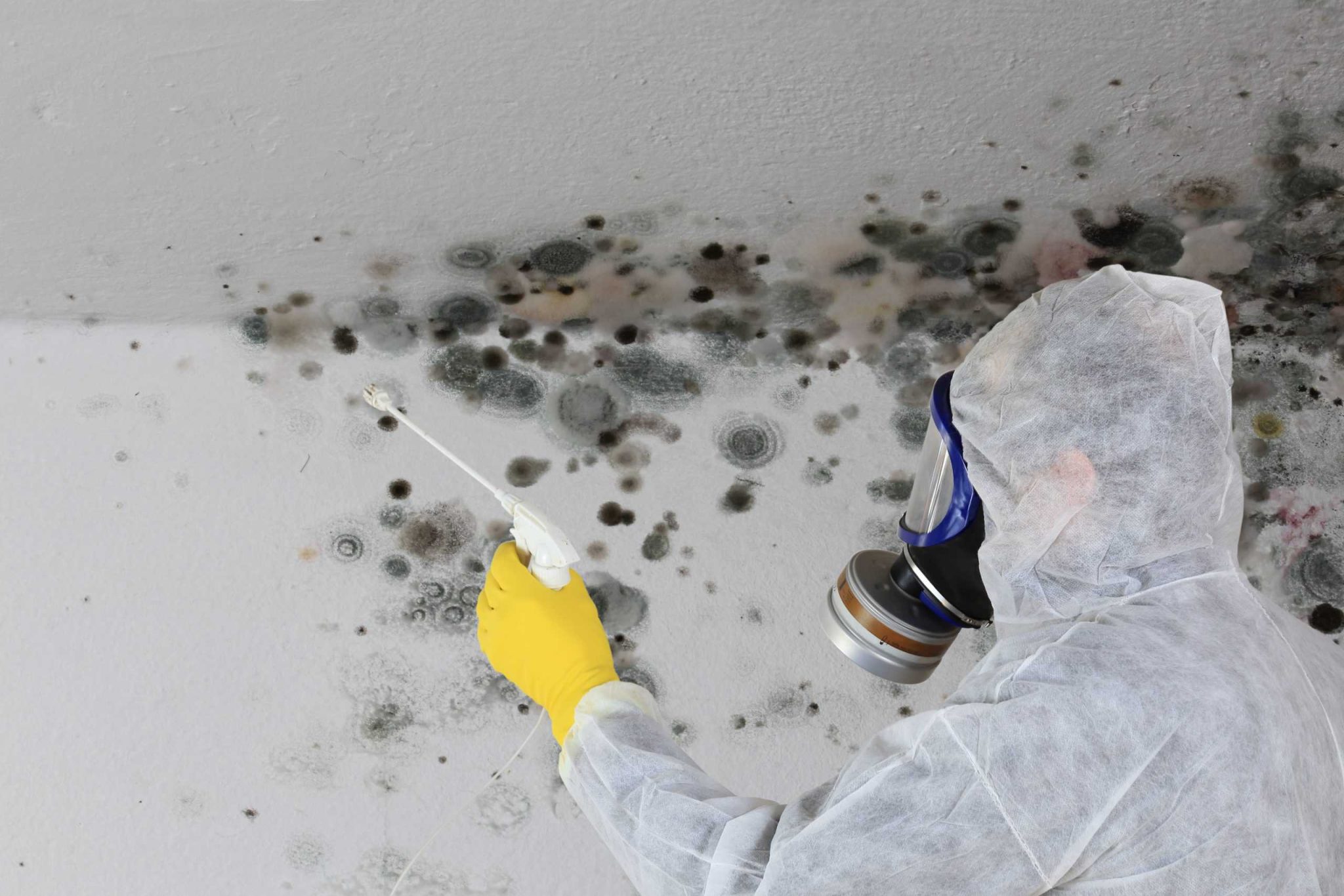
Once the inspection is complete, you get an upfront written quote before anything else happens. If you decide to move forward, we set up proper containment before any mechanical cleaning begins. This is the step that most general duct cleaners skip, and it’s the most important one when mold is involved. Disturbing mold without containment spreads spores to the rooms that were previously clean the exact opposite of what you’re trying to accomplish. We use negative air pressure systems and proper isolation protocols to make sure the cleaning process doesn’t create a new problem in the process of solving the old one.
After the physical cleaning is done, air duct sanitizing is applied to address any remaining biological contamination. Then the affected areas are tested lab samples, not just a visual sign-off to confirm the mold is gone. Given that Montgomery County’s rainfall and older housing stock create conditions where mold can reestablish quickly if the source isn’t fully addressed, that verification step isn’t optional. It’s the only way to know the job is actually finished.
Ready to get started?
Air duct cleaning and air duct sanitizing are not the same thing, and in Montgomery County’s climate, the difference matters. Mechanical cleaning removes the physical debris dust, dander, buildup. Sanitizing applies antimicrobial treatment to eliminate the biological contamination that cleaning alone doesn’t fully address. When mold is involved, both steps are necessary. We perform both as part of a complete HVAC mold remediation process, not as separate upsells.
Dryer vent cleaning is also available, and in a county with over 350,000 housing units many of them older homes where dryer vent runs may be longer than current standards allow, or where vents haven’t been cleared in years this is a fire safety issue, not a maintenance preference. The NFPA attributes roughly 15,970 dryer-related house fires per year to clogged vents. It’s a straightforward service that takes care of a documented risk.
For Montgomery County homeowners dealing with post-flood HVAC concerns, we work directly with insurance companies. If your basement took on water during a storm event along the Schuylkill or Perkiomen corridors and you’re still navigating a claim, that insurance coordination is handled on your behalf. Pennsylvania doesn’t require a special state license for air duct cleaning, but our certified mold remediation credentials go well beyond what any general licensing framework would require and the lab-verified results at the end of every mold-related job are the documentation your insurer will actually want to see.
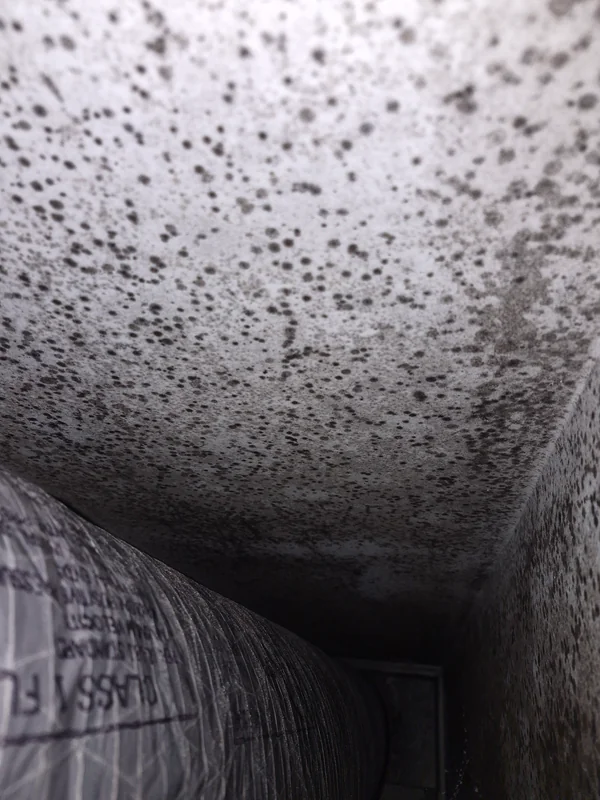
The most common sign is a musty smell that shows up when your HVAC system turns on not when you’re standing near a drain or in the basement itself, but when the air starts moving through the vents. That’s the system distributing whatever is living in the ductwork to the rest of the house. Other signs include allergy or respiratory symptoms that get worse indoors and ease up when you leave, or visible discoloration around vent registers.
In Montgomery County, this situation comes up regularly in homes near the Schuylkill River, Perkiomen Creek, and Wissahickon Creek corridors. When a basement floods even partially water can reach return air intakes at or near floor level, and mold can begin growing inside the ductwork within 24 to 48 hours. The remediation company that addressed the visible water damage may not have inspected the ducts at all. A free inspection from us will tell you definitively what’s in there, and if mold is confirmed, lab testing after the cleaning verifies it’s been fully eliminated not just cleaned around.
The honest answer is: it depends on what’s driving the question. The EPA’s position is nuanced routine duct cleaning in the absence of a specific problem has unclear benefits. But when mold is confirmed in the system, when there’s been a pest infestation, or when significant debris is clogging airflow, the EPA explicitly recommends cleaning. That’s a different situation than a company cold-calling you with a $99 special.
The $99 bait-and-switch is a well-documented industry problem. A lowball price gets someone in the door, and then the upselling starts once they’re on-site. We operate the opposite way free inspection, written upfront quote, and the price given is the price charged. For Montgomery County homeowners dealing with a confirmed or suspected mold situation in their HVAC system, professional cleaning by a certified mold remediation specialist isn’t optional maintenance. It’s the step that keeps a remediated space from getting re-contaminated through the ductwork every time the system runs.
A proper air duct cleaning takes four to six hours for most homes. If a company quotes you something significantly faster than that, it’s worth asking what they’re actually doing. Rushing through a duct cleaning job particularly one that involves mold means the containment setup is being skipped or the mechanical cleaning isn’t reaching the interior sections where contamination actually lives.
In Montgomery County, where a large share of the housing stock includes multi-story colonials, twins, and ranches with forced-air systems serving every level of the home, a thorough job takes time. Older homes in communities like Lansdale, Abington, or the Main Line often have more complex duct layouts than newer construction, and the interior condition of systems that haven’t been serviced in years requires more careful work. We don’t rush the job to fit more appointments into a day. The post-cleaning lab testing also adds a step that most companies don’t include but it’s the step that tells you the work actually accomplished what it was supposed to.
Air duct cleaning is the mechanical process using negative air pressure systems and professional equipment to physically remove debris, buildup, and contamination from inside the ductwork. Air duct sanitizing is what happens after: an antimicrobial treatment is applied to the interior surfaces to address any remaining biological contamination that the physical cleaning process doesn’t fully eliminate on its own.
When mold is the issue, cleaning alone isn’t enough. The mechanical process removes the visible growth and the bulk of the contamination, but mold spores are microscopic and can survive in areas the equipment doesn’t reach perfectly. Sanitizing closes that gap. In Montgomery County’s climate with above-average annual rainfall and a housing stock full of older homes with porous foundations that allow moisture to migrate inward skipping the sanitizing step means the conditions that allowed mold to grow in the first place are still present, and the risk of it returning is real. We perform both as part of the same process, not as separate services designed to inflate a bill.
Yes, and this is one of the most common situations we encounter. A homeowner has mold remediated in the basement or on a wall, the remediation company does a solid job on the visible problem, and then six months later the symptoms are back. The reason is almost always the ductwork. If mold was present in the HVAC system during or before the remediation, every time the system runs it’s redistributing spores to the rooms that were just cleaned.
This is why the containment step during duct cleaning matters so much. Disturbing mold inside ductwork without proper isolation negative air pressure, sealed-off rooms pushes contamination into spaces that were previously clean. Our mold remediation background means we understand this dynamic and set up the job to prevent it. The post-cleaning lab verification is also specifically designed to catch this scenario: if the test shows contamination is still present after cleaning, the job isn’t marked complete. For Montgomery County homeowners who’ve already invested in a remediation job, protecting that investment means making sure the ducts aren’t undoing it.
The general industry recommendation is every three to five years for a typical home. But that baseline assumes the home doesn’t have elevated moisture conditions, hasn’t experienced water intrusion, and has a relatively modern HVAC system with proper drainage. A lot of Montgomery County homes don’t fit that description.
Homes in communities like Cheltenham, Elkins Park, Jenkintown, Wyncote, and across the Main Line were built with stone or brick foundations that are more porous than modern poured concrete. They allow ground moisture to migrate inward, particularly during the wet seasons that Montgomery County’s 48-inch annual rainfall produces. Older HVAC systems in these homes may have evaporator coils and drip pans that don’t drain cleanly, creating standing moisture inside the system between cycles. If your home falls into this category older construction, a history of basement moisture, or an HVAC system that hasn’t been serviced in several years a three-to-five-year schedule is a reasonable starting point, but an inspection after any significant water event should happen regardless of where you are in that cycle. Our free inspection is the right first step if you’re not sure where your system currently stands.
Other Services we provide in Montgomery County