
Hear from Our Customers
When the heat kicks on in October and you catch that first faint musty smell, most people open a window and move on. But in Mill Creek Falls, where every home was built in 1955 on slab-on-grade and crawl space foundations without vapor barriers, that smell is telling you something specific.
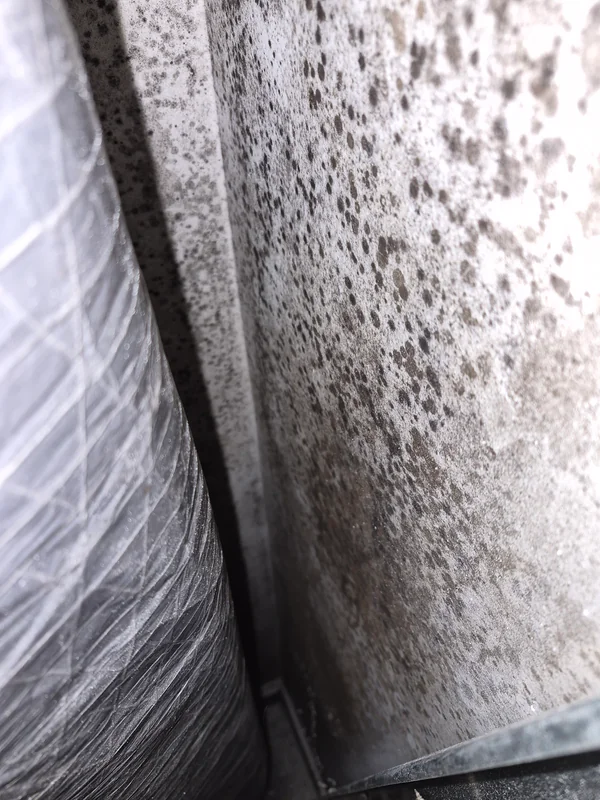
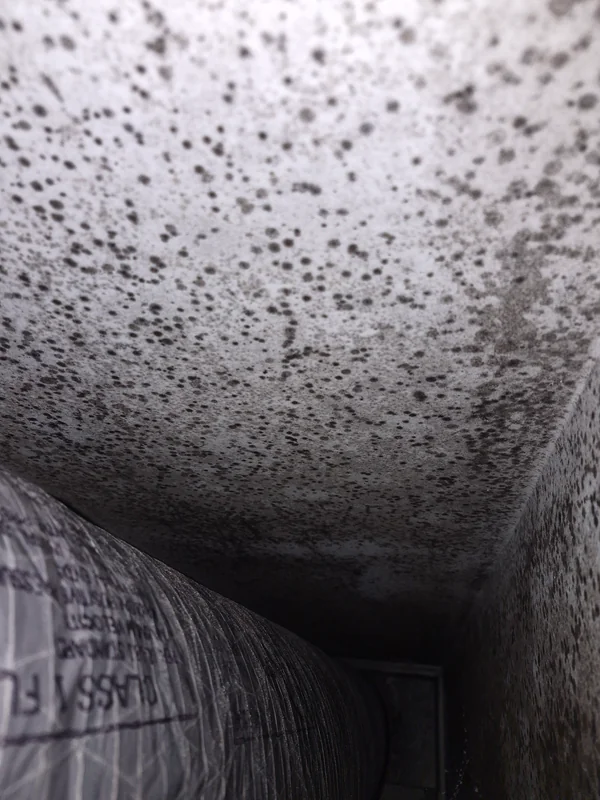
Moisture has been working its way up from the ground for seven decades and the ductwork running through those crawl spaces has been right in its path the entire time. Getting your air ducts properly cleaned here means more than pulling dust off the registers. It means someone who understands what pre-vapor-barrier construction actually does to a duct system over time: how moisture accumulates in sections you can’t see, how mold takes hold in the dark interior runs, and how your HVAC system then distributes whatever’s growing in there to every room in the house every time it cycles.
The outcome you’re after isn’t just cleaner air in the abstract. It’s knowing that the system moving air through your home isn’t also moving mold spores from a contaminated crawl space section through your kids’ bedrooms. That’s a different standard than what a general duct cleaning company delivers and it’s exactly what we provide.
We’re based in Bensalem about 8 to 10 miles from Mill Creek Falls and have been working in Bucks County for over 15 years. That’s not a detail about tenure. It’s about what you learn when you’ve spent that much time inside Levittown homes specifically: the crawl spaces without vapor barriers, the renovation layers that sealed moisture problems behind finished walls, the ductwork that’s been patched and extended through multiple owners and multiple heating system upgrades.
We already have dedicated work in Levittown. Our Bucks County page calls out Levittown’s moisture-retaining soil by name. That kind of local familiarity isn’t something a national franchise can replicate from a training manual.
What you get with us is certified mold remediation expertise applied directly to your HVAC system not just a duct cleaning technician with a vacuum and a checklist. When the inspection is done, you’ll know what’s actually in your system, not just what the registers look like.

It starts with a free inspection and in a Jubilee model, that inspection covers more ground than it would in a newer home. Our certified inspector looks at the full duct system, including the sections that run through crawl spaces and any areas that have been modified during renovations over the decades.
Thermal imaging and infrared moisture mapping can identify hidden moisture in sections that look fine from the outside. If mold is present, air samples go to an accredited lab for analysis before any cleaning begins because the type and concentration of mold affects how the job gets done.
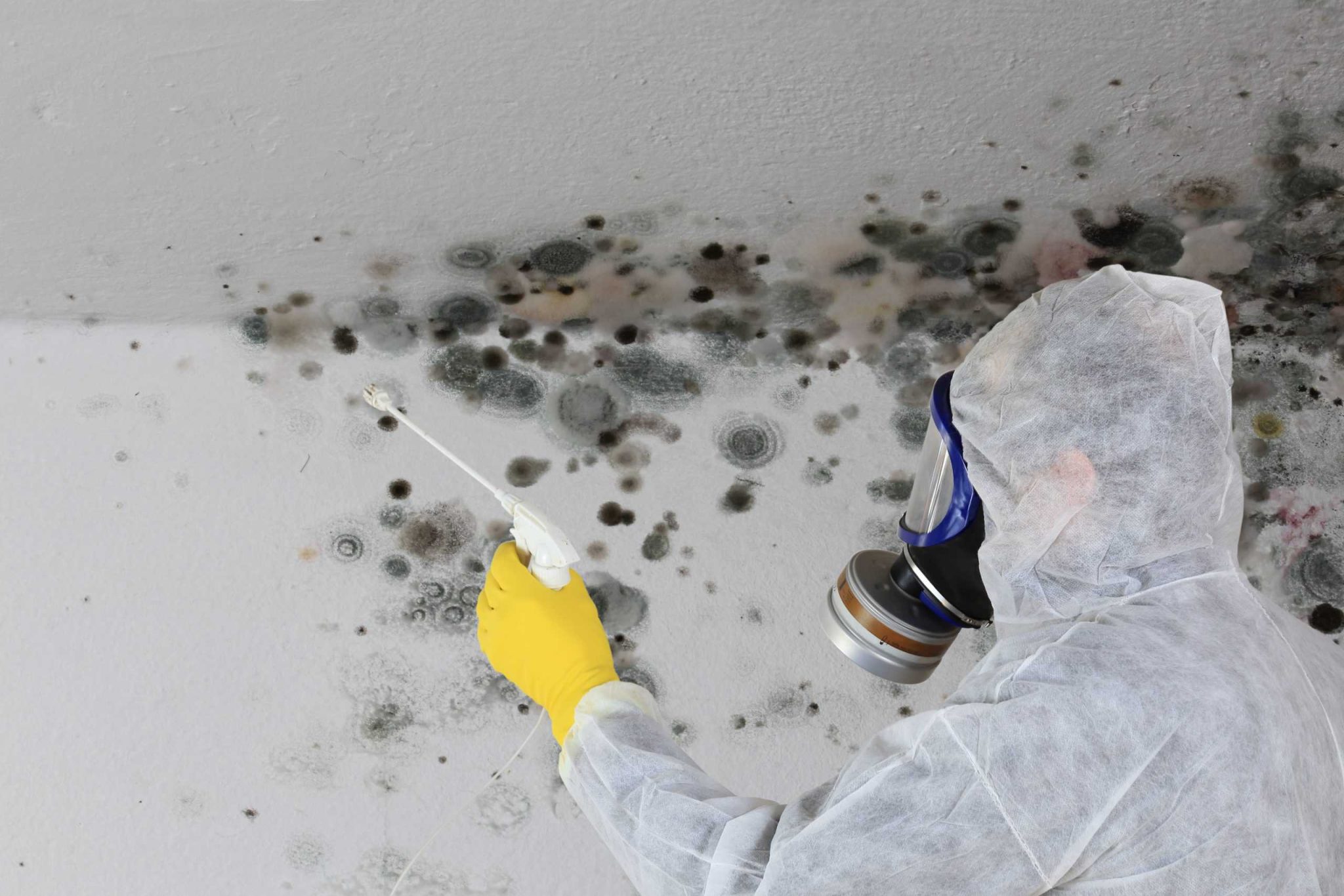
Once the inspection findings are in, the cleaning itself uses professional-grade negative air pressure equipment and HEPA vacuums not the kind of setup a homeowner can rent or a low-price operator brings to the door. Containment protocols are in place throughout, which matters specifically when mold is involved. Disturbing mold in ductwork without containment spreads spores through the system rather than removing them.
After the cleaning, we test the affected areas again to confirm the mold is actually gone not just visually tidier. That post-cleaning verification step is documented, so you have real proof of the result, not just a receipt. For homes near the Mill Creek waterway where moisture pressure is higher than average, that confirmation isn’t optional it’s the whole point.
Ready to get started?
Air duct cleaning is the core of what brings most Mill Creek Falls homeowners to us, but it’s rarely the only system that needs attention. Dryer vent cleaning is a real fire safety issue in homes like these the NFPA reports over 15,000 dryer-related house fires every year, and the leading cause is failure to clean the vent.
In a Jubilee model that’s been expanded or reconfigured over the years, the dryer vent run is often longer than the original design intended, which means lint accumulates faster and the fire risk is higher than in a standard newer home.
Air duct sanitizing is a separate step from mechanical cleaning and matters specifically when mold has been confirmed in the system. Cleaning removes the physical debris and contamination; sanitizing applies antimicrobial treatment to address any remaining biological material in the duct walls. When your crawl space has been a moisture source for decades, skipping the sanitizing step after cleaning is leaving the job half done.
We also work directly with insurance companies on claims which is relevant for Mill Creek Falls homeowners who’ve dealt with basement or crawl space flooding. Navigating a mold-related insurance claim while also managing remediation is a real burden, and having a company that handles that communication on your behalf is a practical advantage. Financing is available as well, so a confirmed mold-in-ducts situation doesn’t have to wait for a convenient time on the calendar.

The most common sign is a musty smell that appears specifically when your HVAC system is running not a general basement smell, but one that shows up at the vents when the heat or air conditioning kicks on. You might also notice worsening allergy or asthma symptoms indoors that ease up when you leave the house, or visible discoloration around the vent registers themselves.
In a Mill Creek Falls Jubilee model, the risk is higher than in a newer home because of how these houses were built. Pre-vapor-barrier crawl spaces allow ground moisture to wick upward continuously, and ductwork running through those spaces has been exposed to that moisture for decades. The only way to know for certain is a professional inspection we offer free inspections, so you’re not spending anything to find out where things actually stand. Air samples sent to an accredited lab will confirm whether mold is present and what type, which determines the right course of action.
It affects it significantly. Homes built in 1955 were constructed without the vapor barriers, modern duct materials, and sealed crawl space designs that are standard today. Over 70 years, moisture has had continuous access to the ductwork through the crawl space, and many of these homes have also been through multiple rounds of renovation each of which can introduce new connection points, enclosed sections, and areas where old duct runs were modified without being inspected first.
A general duct cleaning company running a vacuum through the registers isn’t equipped to assess what’s happening in the interior sections of a system like this. We use thermal imaging and infrared moisture mapping as part of the inspection process, which identifies moisture and mold in sections that look fine from the outside. The cleaning process also accounts for proper containment important in any home, but especially in one where the duct system has had decades of moisture exposure and where mold, if present, could be more widespread than a surface inspection would suggest.
Yes, and this is one of the more direct pathways mold takes in Levittown-era homes. When ductwork runs through a crawl space that has moisture whether from groundwater, inadequate drainage, or a flooding event the exterior of the duct is exposed to that moisture continuously. Over time, condensation forms on duct surfaces, organic debris accumulates, and mold begins to grow inside the duct runs.
Once it’s in the system, every heating and cooling cycle moves air through those contaminated sections and distributes spores to every room the system serves. This is why air duct cleaning in a home with a known crawl space mold issue is not optional maintenance it’s a necessary part of the remediation. If you’ve had mold addressed in your crawl space or basement but haven’t had the duct system inspected, there’s a real possibility the contamination reached the HVAC. We assess the full system, not just the visible parts, and the post-cleaning lab testing confirms whether the ducts are actually clear.
They’re two separate steps that address different parts of the same problem. Air duct cleaning is the mechanical process using negative air pressure equipment and HEPA vacuums to physically remove debris, dust, and contamination from inside the duct system. It pulls out what’s in there. Air duct sanitizing comes after, and it applies an antimicrobial treatment to the interior duct surfaces to address any remaining biological material that the mechanical cleaning process can’t fully eliminate on its own.
For a straightforward dust and debris situation in a newer home, cleaning alone may be sufficient. But in a Mill Creek Falls home where mold has been confirmed in the ductwork or where the crawl space has had persistent moisture exposure sanitizing is the step that addresses what’s left behind after the physical cleaning is done. Skipping it leaves the duct walls as a potential re-growth surface. We’ll tell you clearly after the inspection whether sanitizing is warranted in your specific situation, and why not as a default upsell, but based on what the inspection and lab results actually show.
It’s a fire safety issue, not a maintenance preference. The National Fire Protection Association reports approximately 15,970 dryer-related house fires per year in the U.S., and the leading cause is failure to clean the dryer vent. Lint is highly flammable, and when it accumulates in the vent run particularly in longer or more complex runs it creates a genuine ignition risk every time the dryer operates.
In Mill Creek Falls, this matters more than it might in a newer development. Many Jubilee models have been expanded over the decades, and in homes where the laundry area was relocated or the dryer vent run was extended during a renovation, the vent path is often longer than what the original design specified. Longer runs accumulate lint faster and are harder to clear with the kind of brush kit a homeowner can buy at a hardware store. A professional cleaning addresses the full vent run not just the accessible section near the appliance and confirms that airflow is restored to a safe level. If you can’t remember the last time your dryer vent was cleaned, that’s the answer.
The standard industry recommendation for most homes is every three to five years, but that baseline assumes a home without significant moisture exposure or mold history. For a Mill Creek Falls home built in 1955, sitting on a crawl space foundation, and located adjacent to the Mill Creek waterway the conditions that drive mold growth in ductwork are more persistent than they are in a newer home on a different site.
Homes on the western edge of Mill Creek Falls, closest to the waterway and the open greenspace that borders Plumbridge, face above-average groundwater pressure and ambient moisture year-round. For homes in that zone, or for any Mill Creek Falls home that has experienced basement or crawl space flooding, waiting five years between inspections is too long. A reasonable approach is to have the system inspected after any flooding event, after any significant renovation that touched the duct system, and on a three-year cycle otherwise with a mold-qualified inspector, not just a general duct cleaning service, doing the assessment.
Other Services we provide in Mill Creek Falls