
Hear from Our Customers

Most homeowners in Lodi and the surrounding Tinicum Township area don’t think about their ductwork until something forces them to a musty smell when the heat kicks on, allergy symptoms that won’t quit, or a mold problem somewhere else in the house that makes them wonder what’s circulating through the vents. By that point, the issue has usually been building for a while.
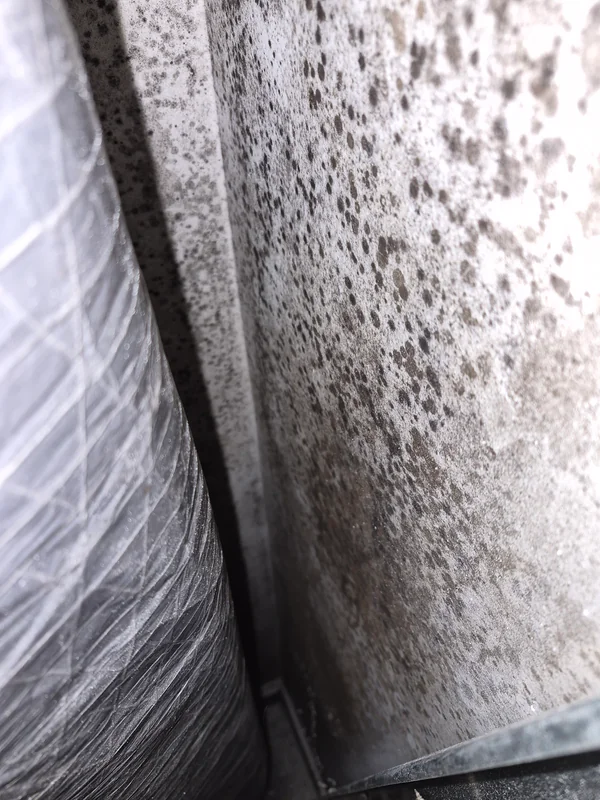
When your home sits adjacent to the Delaware Division Canal and the Delaware River, ambient moisture is a constant. It presses against foundations, seeps into crawl spaces, and finds its way into the ductwork running through those spaces. The result is that mold doesn’t need a flood event to take hold in your HVAC system the everyday humidity along this stretch of Bucks County is enough. Once mold is in the ducts, every time your system runs, it’s pushing those spores into every room of your home.
After a professional air duct cleaning and mold inspection, what changes is simple: you stop guessing. You know what was in the system, you know it’s been properly removed, and you have documentation to prove it. For the older stone farmhouses and canal-era homes that define this part of Tinicum Township, that peace of mind isn’t a luxury it’s the point.
We’re based in Bensalem and have been serving all of Bucks County including the northern Tinicum Township corridor along Route 32 where Lodi sits for over 15 years. This isn’t a franchise with a call center. When you reach out, you’re talking to the people who actually do the work.
What separates us from a general duct cleaning company is the mold expertise behind every job. We use certified inspectors, lab testing of samples, and post-cleaning verification the process is built to confirm results, not just claim them. That matters everywhere, but it matters especially in a community like Lodi, where the Delaware Canal and river-adjacent moisture create conditions that a standard duct cleaning crew isn’t trained to recognize or address.
We also work directly with insurance companies on mold-related claims. For homeowners along this flood-adjacent stretch of Bucks County, that’s a practical benefit that goes well beyond the cleaning itself.
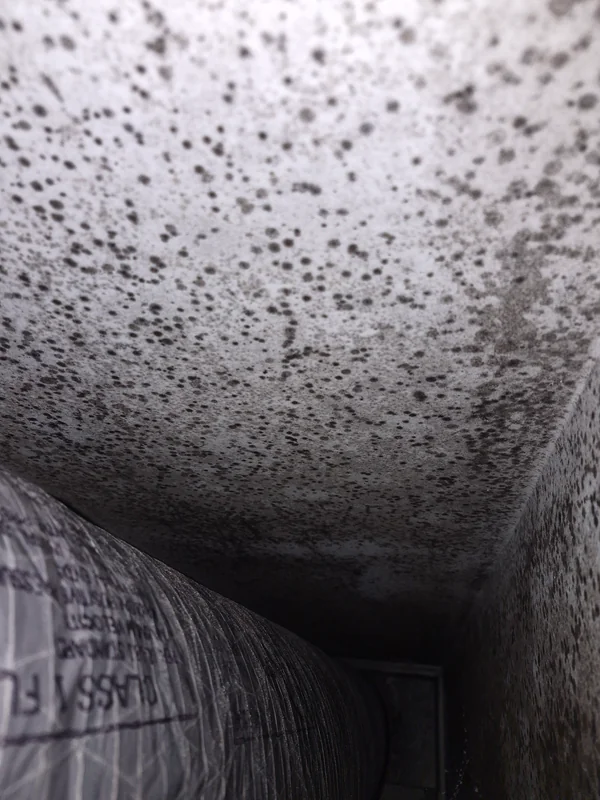
It starts with a free inspection. Before any cleaning happens, one of our certified inspectors looks at your HVAC system the ducts, the registers, the components most likely to harbor mold in a moisture-prone environment. In homes around Lodi and Tinicum Township, that inspection pays particular attention to ductwork running through crawl spaces and basements, where canal-adjacent groundwater and elevated humidity tend to create the most favorable conditions for mold growth. If mold is found, you’ll know exactly where it is and what’s recommended before any work begins.
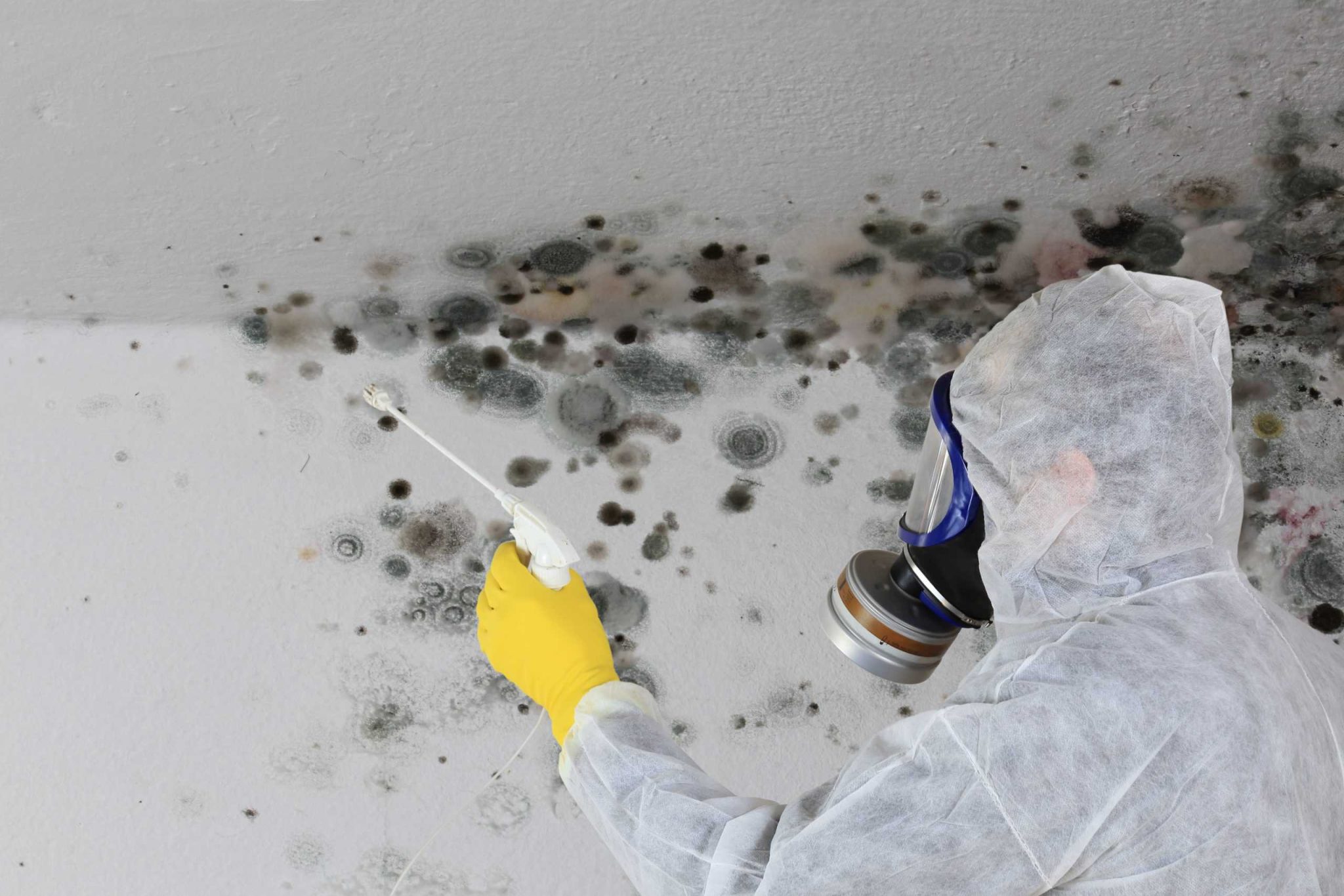
From there, the cleaning itself uses professional-grade equipment negative air pressure systems and HEPA vacuuming to pull contaminants out of the ductwork rather than disturb and redistribute them. Proper containment is part of the process. This is the critical difference between a mold-trained remediation team and a standard duct cleaning crew: disturbing mold without containment protocols can spread spores through the home rather than remove them.
Once the cleaning and any necessary remediation are complete, we test the affected areas to confirm the mold is actually gone. You get documentation. Not a handshake and an invoice real verification that the job was done right. For homeowners in historic Tinicum Township properties that may be dealing with persistent moisture conditions, that final confirmation step is what makes the work meaningful.

Ready to get started?
Our air duct cleaning covers both supply and return ducts the full system, not just the registers you can see. That distinction matters because mold and debris accumulate deepest in the sections of ductwork that are hardest to access, particularly in older homes where the duct runs pass through damp crawl spaces or stone-foundation basements common throughout the Tinicum Township area.
Air duct sanitizing is available as a follow-on step after mechanical cleaning. Where mold has been confirmed in the system, sanitizing applies an antimicrobial treatment to duct surfaces to address biological contamination that persists after debris is removed. In a home along the Delaware Canal corridor where the moisture source isn’t going away this added layer of treatment is often the right call rather than an optional upgrade.
Dryer vent cleaning is also part of what we handle. Rural properties in Tinicum Township tend to have longer dryer vent runs than suburban homes, and longer runs accumulate lint faster. The NFPA tracks roughly 15,970 dryer-related house fires annually, with failure to clean vents as the leading cause. In an older home along Lodi Hill Road or the surrounding Route 32 corridor, this is a fire safety issue worth taking seriously. We offer financing for any of these services, and we’re reachable 24/7 for urgent situations.
The most common sign is a musty or stale smell that shows up specifically when your heating or cooling system kicks on not just in one room, but throughout the house. That pattern points to the HVAC system as the source rather than a localized spot like a basement wall or bathroom. Other signs include worsening allergy or asthma symptoms indoors, visible discoloration around vent registers, or a history of moisture intrusion in the crawl space or basement.
For homes in Lodi and the Tinicum Township section of Route 32, the baseline moisture environment created by the Delaware Canal and the river itself makes mold in ductwork a realistic concern even without a visible water event. Groundwater pressure, canal seepage, and chronic ambient humidity all infiltrate the low-lying areas of a home where ductwork often runs. The only way to know for certain is a professional inspection we offer free inspections, so there’s no financial barrier to finding out what’s actually in your system before it becomes a larger problem.
Technically they can attempt it, but there’s a meaningful difference between a duct cleaning company and a certified mold remediation specialist and it matters most when mold is actually present. A standard duct cleaning crew is trained to remove dust, debris, and buildup from the mechanical surfaces of your HVAC system. They’re not necessarily trained in mold containment protocols, which means disturbing a mold colony inside ductwork without proper containment can push spores into the living areas of your home rather than remove them.
We approach air duct cleaning from the mold remediation side. That means containment is part of the process from the start, samples are sent to a lab when needed to identify what’s present, and post-cleaning testing confirms the mold is gone rather than just relocated. For homeowners in Lodi and the surrounding Tinicum Township area where older building stock and river-adjacent moisture create a genuinely elevated mold risk that distinction is worth understanding before you book anyone.
For most homes, the general industry guidance is every three to five years under normal conditions. But “normal conditions” doesn’t describe what most properties along the Lodi corridor are dealing with. Homes in this part of Tinicum Township are often older canal-era cottages, stone farmhouses, and historic structures with masonry foundations that allow moisture to permeate more readily than poured concrete. Ductwork in these homes may run through crawl spaces that see elevated humidity year-round, not just after a storm.
In that environment, waiting five years between cleanings is probably too long. A more practical approach is to have the system inspected every two to three years, or sooner if you notice any of the warning signs musty odors when the system runs, unexplained respiratory symptoms, or confirmed moisture intrusion anywhere in the home. If you’ve recently purchased a historic property in the Lodi area and have no record of prior duct cleaning, that’s a strong reason to schedule an inspection now regardless of when the last one may have occurred.
They’re two separate steps that address different parts of the same problem. Air duct cleaning is the mechanical process using professional equipment to physically remove dust, debris, mold growth, and biological buildup from the interior surfaces of your ductwork. It pulls the contamination out of the system. Air duct sanitizing comes after the mechanical cleaning and involves applying an antimicrobial treatment to the duct surfaces to kill any remaining biological contaminants that the physical cleaning didn’t fully eliminate.
When mold is the concern, cleaning alone often isn’t the complete answer. Mold can leave behind residual contamination on duct surfaces even after visible growth is removed. In homes along the Delaware Canal corridor in Lodi, where the underlying moisture conditions don’t disappear after a single cleaning, sanitizing provides an added layer of protection against rapid re-colonization. Think of it as addressing what you can see and remove, then treating what remains at the surface level. We offer both steps and can walk you through which combination makes sense for your specific situation after the inspection.
Yes, and this is one of the most common gaps homeowners run into after a mold remediation job. The basement or crawl space and the HVAC system are connected return air ducts pull air from the lower areas of the home, which means any mold present in those spaces before remediation may have already been drawn into the duct system. If the ducts aren’t inspected and cleaned as part of the remediation process, the HVAC system can recontaminate a freshly remediated space every time it runs.
This is particularly relevant for homes in Lodi and the Tinicum Township area, where basements and crawl spaces in older stone-foundation properties are among the first places moisture accumulates. If a remediation company addressed the visible mold in your basement but didn’t specifically inspect the ductwork, there’s a real possibility the system is still harboring contamination. We can inspect the ducts independently of any prior remediation work, test samples if needed, and give you a clear picture of whether the HVAC system is clean or needs to be addressed.
It’s more necessary than most people realize, and the specifics of rural properties in this area make it more urgent than in a typical suburban home. The NFPA documents roughly 15,970 dryer-related house fires per year in the United States, and failure to clean the dryer vent is the leading cause. What makes this particularly relevant for homes along the Lodi corridor and the broader Tinicum Township area is the vent run length. Rural and historic properties here tend to be larger, with longer distances between the dryer location and the exterior vent termination. Longer runs accumulate lint faster, restrict airflow more quickly, and create a higher fire risk than the short runs typical in newer suburban construction.
If your dryer is taking longer than usual to dry a load, running hotter than it used to, or the exterior vent flap isn’t opening fully when the dryer runs, those are signs the vent needs cleaning. In an older home along Route 32 or Lodi Hill Road, where the vent may not have been serviced in years, getting it cleaned is a straightforward step that addresses a real safety risk not a maintenance preference.
Other Services we provide in Lodi