
Hear from Our Customers
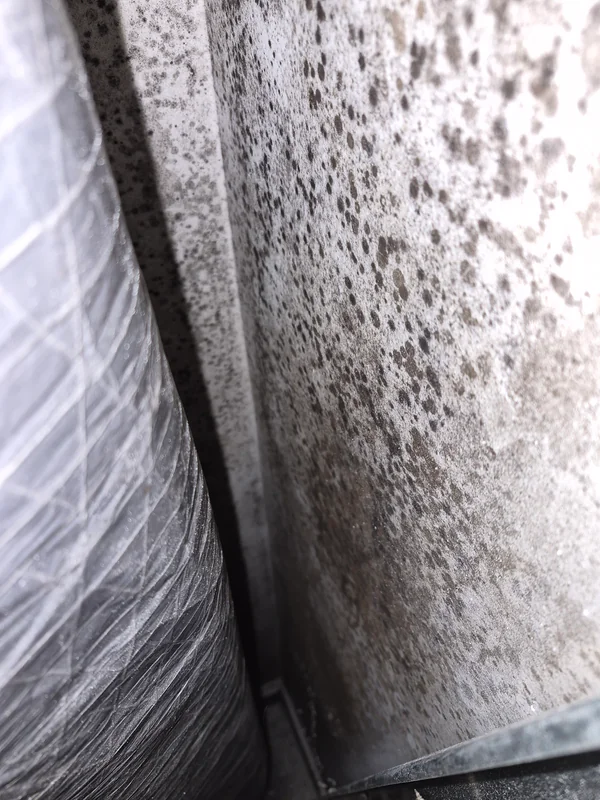
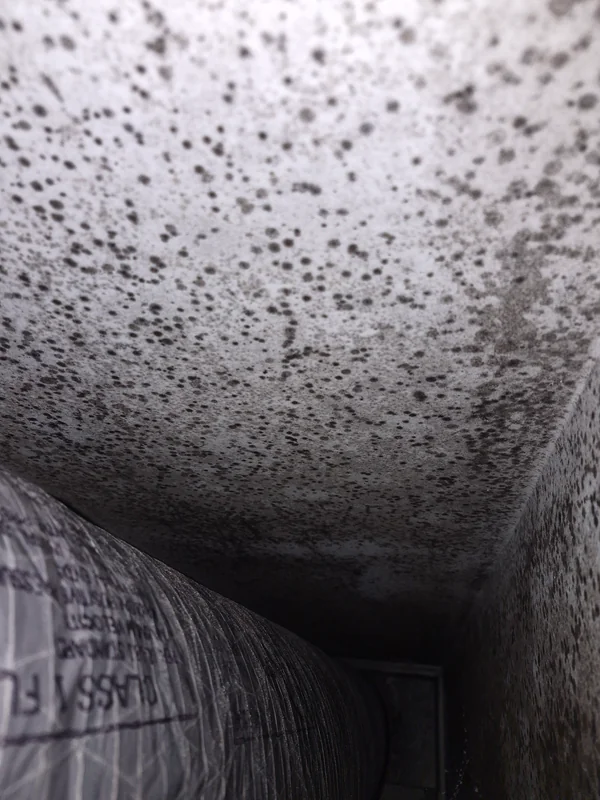
Most homeowners in the Buckingham and Solebury Township area never think about their ductwork until something smells off when the heat kicks on. By that point, the problem has usually been building for a while. Mold doesn’t need much just a dark, damp surface and enough time. Your HVAC system gives it both.
What makes the Lahaska area different is the combination of factors working against you at the same time. Bucks County already gets around 49 inches of rain per year well above the national average. Add central Bucks County’s clay-heavy soil, which holds moisture against your foundation long after the rain stops, and you’ve got persistent ground-level dampness that works its way into basements, crawl spaces, and the HVAC systems connected to them. When Lahaska Creek floods and water reaches a lower level of your home, mold can begin colonizing within 48 hours. Your air handler then does the rest distributing those spores to every room every time the system runs.
Getting your air ducts professionally cleaned and inspected means you actually know what’s in your system instead of guessing. It means the musty smell is gone because the source is gone not masked. And for families with kids, older residents, or anyone dealing with allergy or asthma symptoms, it means the air circulating through your home is no longer working against you.
We’re based in Bensalem and have been serving Bucks County homeowners for over 15 years. The Route 202 corridor runs directly from our service area up through Lahaska this isn’t a stretch of our territory, it’s home ground. We know what the housing stock looks like out here, from the 18th-century stone farmhouses in Buckingham Township to the newer luxury builds near Holicong. We’ve seen what decades of Bucks County weather does to HVAC systems that were never designed with modern moisture levels in mind.
What separates us from a general duct cleaning company is that mold remediation is our core work, not a side service. Our inspectors are certified, we send samples to a lab, and we test affected areas after the job is done to confirm the mold is actually gone not just cleaned around. Real customers have called that out specifically in reviews, and it’s the standard we hold ourselves to on every job.
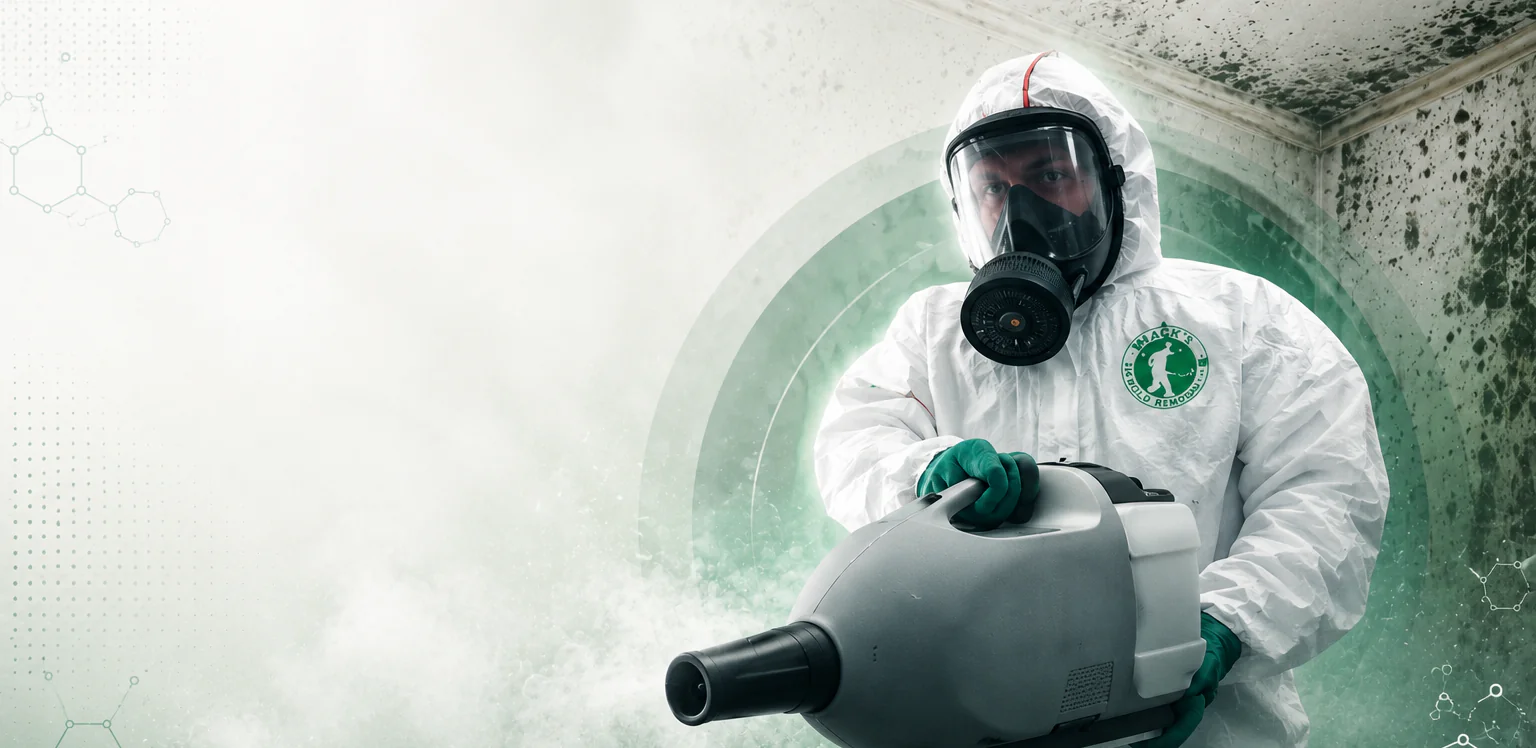
It starts with a free inspection. Before any cleaning happens, one of our certified inspectors evaluates your HVAC system to understand what you’re actually dealing with. In homes throughout Buckingham, Solebury, and the Lahaska area especially older properties that have been renovated over the years that inspection often turns up things the homeowner had no idea were there. Construction debris from a past remodel, biological growth near the air handler, or moisture damage in a duct run that passes through a basement that’s seen flooding. You get a clear picture of what’s in your system and what needs to happen before a single dollar is committed.
If cleaning is warranted, we use professional-grade equipment that creates negative air pressure inside the duct system pulling debris and contaminants out rather than pushing them around. This isn’t a shop vac and a brush. It’s contained, methodical work that takes several hours to do correctly. For homes with mold confirmed in the ductwork, we follow that mechanical cleaning with air duct sanitizing an antimicrobial treatment applied to duct surfaces that kills residual biological material and makes it harder for mold to reestablish.
After the work is complete, we test. Samples go to a certified lab. You get documentation confirming the job was done and the problem is resolved not just a handshake and an invoice. Pennsylvania doesn’t require a specific state license for air duct cleaning, but our mold remediation certifications and 15-plus years of field experience in this county carry more weight than a license requirement ever would.

Ready to get started?
Air duct cleaning covers the full system supply ducts, return ducts, and the components connected to them. Cleaning only one side of the system is a shortcut that leaves the job half done, and it’s a red flag worth knowing about when you’re comparing companies. We clean both, and we document what we find throughout.
For homes in the Lahaska area where moisture has been a factor whether from Lahaska Creek flooding, Bucks County’s above-average rainfall, or the kind of slow basement seepage that clay soil creates we typically recommend pairing the mechanical cleaning with air duct sanitizing. The sanitizing step applies an antimicrobial treatment to duct surfaces after the physical debris is removed. It’s the difference between cleaning what you can see and addressing what you can’t. Many of the historic and renovated properties throughout Buckingham Township have ductwork that runs through areas with a long moisture history sanitizing gives those surfaces a fighting chance against future biological growth.
We also offer dryer vent cleaning, which is worth taking seriously if you’re in a larger home with a long vent run through multiple walls or floors. The NFPA reports nearly 16,000 dryer-related house fires per year, with failure to clean the vent as the leading cause. In the estate-style and historic homes common to this part of Bucks County, those vent runs can be significantly longer than in a standard suburban home and lint accumulation happens faster than most people expect. If your dryer is taking longer than usual to finish a cycle, that’s often the first sign the vent needs attention.
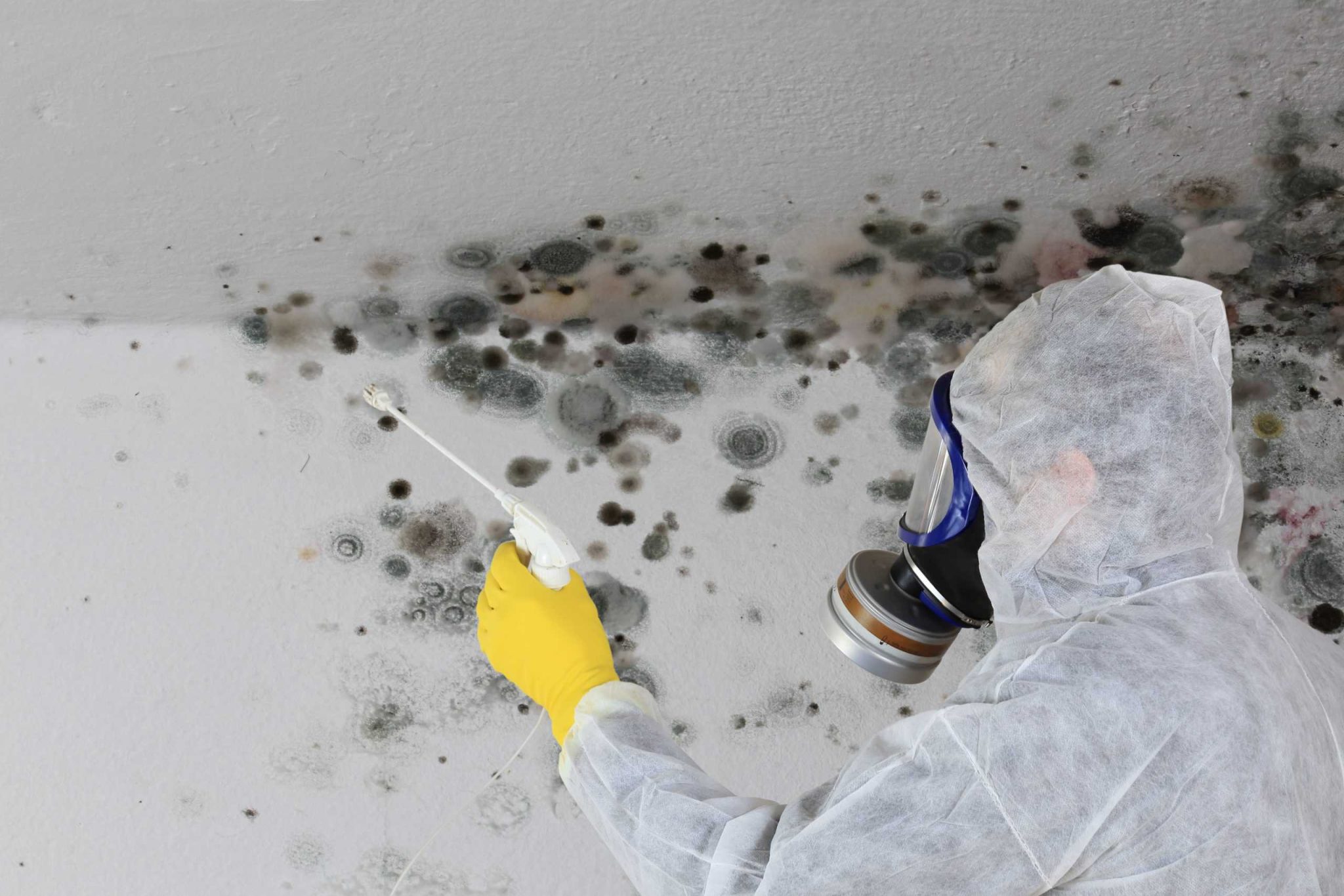
The honest answer is that you usually can’t tell from the outside. Mold grows on the interior surfaces of ductwork not at the register where you can see it. By the time you notice a musty smell when your HVAC system runs, the growth is typically well established inside the system. After a flooding event near Lahaska Creek or any water intrusion into your lower level, the risk window is tight mold can begin colonizing within 48 hours of moisture contact.
The most reliable way to know is a professional inspection with lab-tested samples. We can access interior sections of your duct system, identify biological growth, and send samples to a lab for analysis. That gives you an actual answer rather than a guess. If mold is confirmed, cleaning without proper containment protocols can spread spores further through the home which is why a mold remediation specialist handles this differently than a standard HVAC cleaning company.
That depends entirely on what’s in your ducts. The EPA’s position on routine duct cleaning absent any specific problem is that the evidence for across-the-board air quality improvement is mixed. That nuanced stance gets oversimplified into “air duct cleaning is a scam,” which isn’t accurate either.
Where cleaning is clearly warranted: when mold is confirmed inside the system, after a pest infestation, after significant construction or renovation work, or when debris is visibly blocking registers. All of those scenarios apply regularly to homes in the Buckingham and Solebury Township area older properties with renovation histories, homes near Lahaska Creek with documented moisture exposure, and large estate homes where the ductwork hasn’t been touched in decades. In those cases, cleaning isn’t optional maintenance. It’s addressing a real problem with a real impact on what your family breathes every day.
For a standard home without specific issues, industry guidance generally points to every three to five years as a reasonable interval. But that baseline doesn’t account for what older homes in the Lahaska and Buckingham Township area actually deal with. Properties that have been renovated even partially should be inspected after the work is done, because construction dust and debris infiltrate ductwork easily and don’t come out on their own. Homes with a history of basement moisture, whether from Lahaska Creek flooding, heavy rain events, or the persistent ground saturation that Bucks County’s clay soil creates, should be inspected more frequently.
Age of the duct system matters too. If you’ve purchased a historic farmhouse or a property that’s been through multiple HVAC generations, there’s a real chance the ductwork has never been professionally cleaned. A one-time inspection gives you a starting point after that, you can make informed decisions about timing based on what’s actually in your system rather than guessing based on a general schedule.
Cleaning and sanitizing are two separate steps that work together, not two names for the same thing. Mechanical cleaning removes physical material from inside the duct system dust, debris, lint, construction residue, and visible biological growth. It’s done with professional equipment that creates negative air pressure inside the system, pulling contaminants out rather than redistributing them.
Sanitizing comes after the cleaning is complete. It involves applying an antimicrobial treatment to the interior surfaces of the ductwork killing residual mold spores, bacteria, and other biological material that mechanical cleaning alone can’t fully eliminate. For homes in the Lahaska area that have experienced moisture intrusion from flooding or Bucks County’s above-average rainfall, sanitizing is the step that addresses what you can’t physically remove. It also creates a surface environment that’s less hospitable to future mold growth. If your home has had confirmed mold anywhere in the basement, in walls, or in the HVAC system itself sanitizing isn’t an optional add-on. It’s the part of the job that makes the results last.
Yes, and it happens faster than most people expect. Your HVAC system moves air through every room of your home on a continuous cycle. If mold is growing inside the ductwork on interior duct walls, near the air handler, or on evaporator coils every heating and cooling cycle distributes spores through the entire system. A mold problem that starts in one section of ductwork can become a whole-home issue within days.
This is why the HVAC system is often the last place people look but the most important place to check. If you’ve had mold remediated in a basement or crawl space and assumed the ducts were fine, that assumption is worth revisiting. The air handler and return air plenums in many Buckingham and Solebury Township homes run through or near the same lower-level areas that are most vulnerable to moisture. A certified inspection confirms whether the remediation addressed the full picture or left the distribution system untouched.
Yes. When mold in an HVAC system is connected to a covered water event like storm damage, a burst pipe, or flooding that your homeowner’s policy covers we work directly with your insurance company to navigate the claims process. That means we document what we find, communicate with your adjuster, and handle the back-and-forth so you’re not stuck in the middle trying to translate between a remediation company and an insurance representative.
For homeowners in the Buckingham and Solebury Township area, this matters more than it might in a lower-risk market. Lahaska Creek flooding events are documented and recurring. Bucks County’s heavy rainfall and clay soil conditions create the kind of moisture intrusion scenarios that insurance policies are specifically written to address. If you’ve had water in your home and you’re now finding evidence of mold in your HVAC system, there’s a real possibility that remediation including duct cleaning falls under your existing coverage. The free inspection is the right first step, and we can help you understand what you’re looking at from both a remediation and a claims standpoint before you commit to anything.
Other Services we provide in Lahaska