

Hear from Our Customers

Most Kendigtown homeowners don’t find out there’s mold in their air ducts by seeing it. They notice it when the heat kicks on in October and something smells off. Or when the AC runs all summer and the allergies in the house never quite go away. By the time you’re aware of it, the system has already been circulating whatever’s in those ducts to every room in your home.
That matters more here than in most places. Plumstead Township is described in its own historical record as “a region of valley, plain and winding creek” and that’s not just a scenic description. Tohickon Creek, Geddes Run, Cabin Run, and Hickory Run run through this township, keeping the groundwater table elevated and pushing moisture into basements and crawl spaces year-round. When that moisture finds its way into a duct system especially in older homes where ductwork was retrofitted into structures built for fireplaces, not forced air mold doesn’t need an invitation. It just needs the right conditions, and Kendigtown gives it plenty of them.
After we complete a proper cleaning and inspection, what changes isn’t just what’s in your air. It’s what isn’t. No more musty smell when the system runs. No more wondering whether the dust on the registers is something worse. For families in the Central Bucks School District area who chose Plumstead Township partly because of the quality of life here, that peace of mind is worth something real.
We’re based in Bensalem and have been serving Bucks County the county that contains Kendigtown for over 15 years. This isn’t a franchise that added Plumstead Township to a service map. Our team has established work history in Kendigtown and the surrounding area, including published service work in Plumsteadville.
What separates us from a general duct cleaning company is our mold remediation certification. When mold is present in ductwork, disturbing it without proper containment protocols spreads spores to uncontaminated areas of the home. We treat HVAC cleaning as what it is when mold is involved a remediation job, not a maintenance task. Samples go to a lab. Results get documented. And after the work is done, the affected areas are tested again to confirm the mold is actually gone, not just less visible.
Jeff, our owner, is personally involved in the work something multiple customers have called out by name in their reviews. That kind of accountability matters when you’re dealing with a problem inside the walls and ducts of a home you’ve invested significantly in.
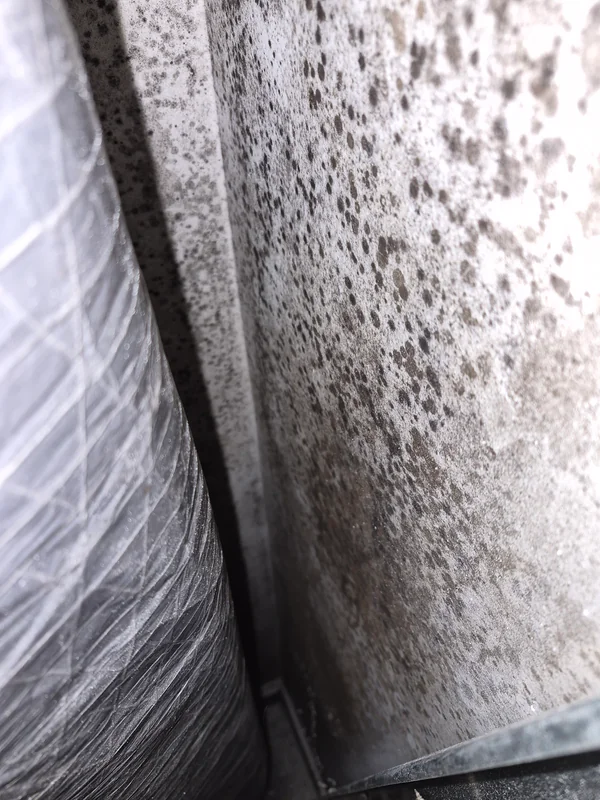
It starts with a free inspection. Before any cleaning happens, our certified inspectors assess the system looking at the duct runs, the registers, the areas around the evaporator coils and drip pans, and any sections of ductwork running through basements or crawl spaces. In Kendigtown-area homes, that basement inspection is particularly important. Older stone foundations in Plumstead Township hold moisture differently than poured concrete, and duct runs through those spaces often show contamination that has nothing to do with how clean the rest of the house is.
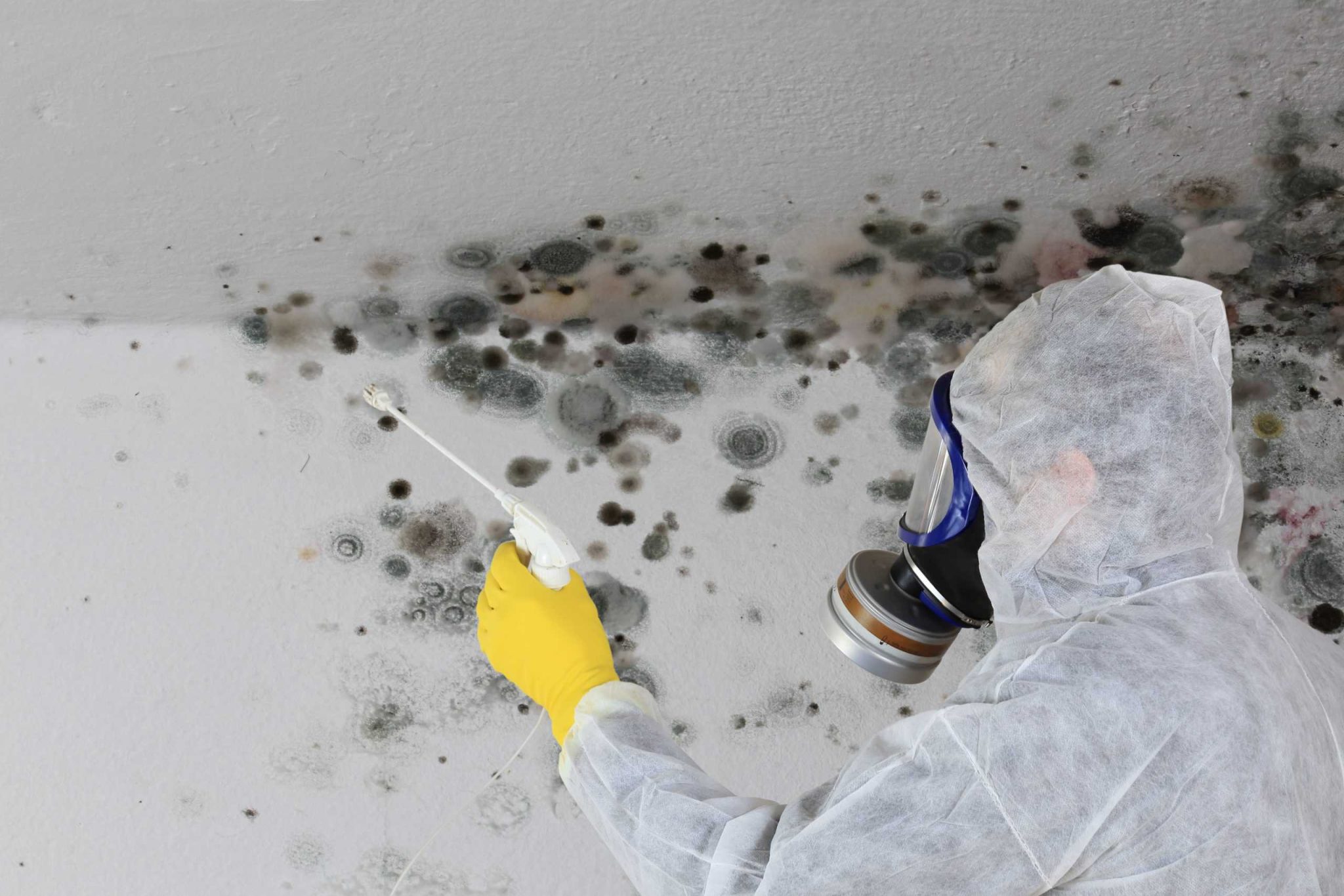
If mold is confirmed or suspected, we collect samples and send them to a lab for analysis. That tells us exactly what we’re dealing with and how to approach the removal. Containment is set up before any cleaning begins this prevents spores from being pushed into living areas during the process. The actual cleaning involves professional-grade equipment that creates negative air pressure inside the duct system, pulling debris and biological material out rather than redistributing it.
The job typically takes several hours depending on the size of the system and what’s found. When it’s done, we test the affected areas again. You get documentation showing what was there and confirmation that it’s been addressed not a verbal assurance, but an actual record. No permits are required in Pennsylvania for air duct cleaning or dryer vent cleaning, so there’s no administrative delay between scheduling and getting the work done.
Ready to get started?
We handle air duct cleaning, air duct sanitizing, and dryer vent cleaning and our mold remediation background informs all three. Air duct cleaning removes the physical debris, dust, and biological material from inside the duct system. It’s the foundation of the job. Air duct sanitizing comes after, and it involves applying an antimicrobial treatment to the interior surfaces of the ducts to address any biological contamination that remains after the physical cleaning.
Whether you need both depends on what’s in your system. For routine dust and debris with no mold involvement, cleaning alone may be sufficient. When mold is confirmed which is a realistic finding in older Kendigtown-area homes with moisture-prone basements and creek-adjacent groundwater conditions sanitizing is typically the appropriate next step. Cleaning removes what you can see and extract; sanitizing addresses what the cleaning alone can’t fully eliminate. We’ll tell you after the inspection which approach the situation actually calls for, not automatically upsell you on both regardless of what we find.
Dryer vent cleaning is a separate but equally important service, especially in older Plumstead Township homes where dryer vent runs were retrofitted through original construction. Longer runs with more bends are harder to clean and accumulate lint faster. The NFPA reports that failure to clean dryer vents is the leading cause of dryer-related house fires and with the historic housing stock common in Kendigtown and the surrounding township, this is a real consideration, not a generic warning.
All our work is performed with eco-friendly products something that aligns with the conservation values that define Plumstead Township as a community. We offer insurance assistance for homeowners dealing with mold discovered after a flooding event, which is a realistic scenario given the township’s creek-adjacent geography and Bucks County’s 49 inches of annual rainfall. Flexible financing is also available for situations where the scope of the work is larger than expected.
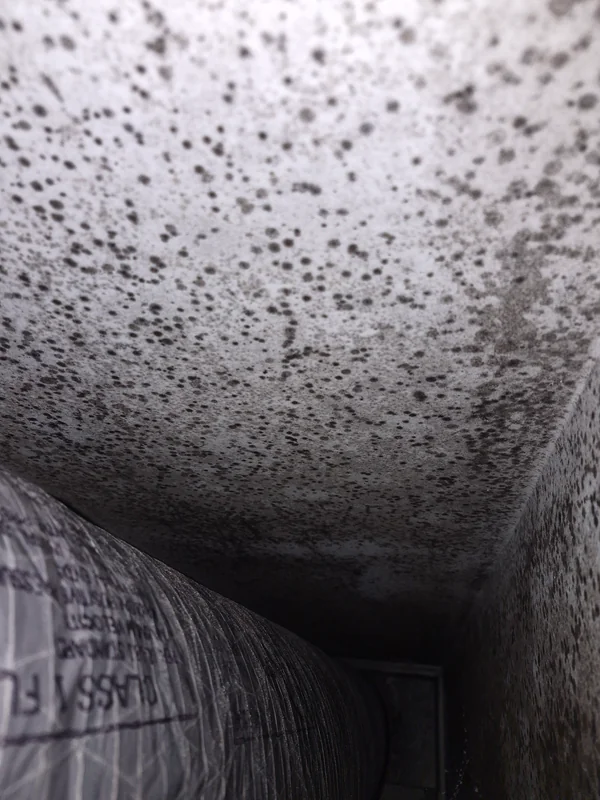
The most common sign is a musty smell that appears specifically when the HVAC system is running not a general basement smell, but something that circulates through the house when the heat or AC kicks on. You might also notice worsening allergy or respiratory symptoms that don’t improve even when you’re spending time at home, which is the opposite of what you’d expect. Discoloration around vent registers dark or greenish staining is a more visible sign, but by the time you can see it at the register, the contamination is often already significant deeper in the system.
In Kendigtown-area homes, the risk is elevated by the local geography. Creek-adjacent properties along the Tohickon corridor and homes with older stone foundations sit in persistently moist conditions that make duct contamination more likely over time, not just after a specific water event. The only way to know for certain is a professional inspection with lab testing which we provide at no cost upfront. You’ll get a real answer, not a guess.
This is a fair question, and the skepticism is earned. There are companies that advertise air duct cleaning for an unrealistically low price, show up, and then pressure homeowners into paying several times that amount once they’re in the house. The EPA has also published guidance noting that routine duct cleaning absent a specific problem has unclear benefits. Both of those things are true.
But the EPA’s same guidance explicitly recommends cleaning when mold is confirmed in the system, when there’s evidence of pest or rodent infestation in the ducts, or when substantial debris is blocking airflow. Those aren’t edge cases in Plumstead Township they’re common findings in older homes with retrofitted HVAC systems and creek-adjacent moisture conditions. If you’re in that situation, cleaning isn’t optional maintenance. It’s the appropriate response to a documented problem.
We address the scam concern directly: the inspection is free, pricing is provided upfront in writing before any work begins, and the price quoted is the price you pay. Multiple customers have specifically noted in reviews that the quoted price was honored without surprise additions. That’s the standard you should hold any duct cleaning company to before you book.
Yes and this is one of the most important things to understand about HVAC-related mold. The duct system connects every room in your home. When mold grows inside ductwork, every heating and cooling cycle distributes spores through that entire network. A mold colony in a basement duct run doesn’t stay in the basement. It gets pushed through the supply vents in your living room, your bedrooms, your kitchen every room the system serves.
This is why finding mold in one part of a home and only remediating that area can lead to recurrence. If the HVAC system wasn’t inspected and addressed as part of the original remediation, it can recontaminate the cleaned areas over time. For Kendigtown homeowners who’ve had mold removed from a basement or crawl space both common in Plumstead Township’s moisture-prone terrain it’s worth confirming that the duct system was part of that process. If it wasn’t, the problem may not be fully resolved.
A proper air duct cleaning for most homes takes somewhere in the range of four to six hours. The actual time depends on the size of the system, how many supply and return vents are in the home, and what the inspection finds before cleaning begins. Homes in Kendigtown that have older, more complex duct configurations common in historic farmhouses and colonial-era structures where ductwork was added to an existing building rather than designed into it can take longer than newer construction with straightforward duct layouts.
If mold is found during the inspection, the process takes additional time because containment needs to be set up before cleaning begins, and post-cleaning testing is conducted to verify the results. That testing step is not something every company does, but it’s standard practice for us. It’s also what gives you a documented record of the work rather than just a verbal confirmation that things look better. For a home in the $700,000–$800,000 range that’s common in this township, that documentation has real value.
They’re two separate steps that address two different aspects of the problem. Air duct cleaning is the mechanical process using professional equipment to physically remove dust, debris, mold growth, and biological material from inside the duct system. It’s the foundation of the job. Air duct sanitizing comes after, and it involves applying an antimicrobial treatment to the interior surfaces of the ducts to address any biological contamination that remains after the physical cleaning.
Whether you need both depends on what’s in your system. For routine dust and debris with no mold involvement, cleaning alone may be sufficient. When mold is confirmed which is a realistic finding in older Kendigtown-area homes with moisture-prone basements and creek-adjacent groundwater conditions sanitizing is typically the appropriate next step. Cleaning removes what you can see and extract; sanitizing addresses what the cleaning alone can’t fully eliminate. We’ll tell you after the inspection which approach the situation actually calls for, not automatically upsell you on both regardless of what we find.
The general industry guidance is every three to five years for a typical home under normal conditions. But “normal conditions” is doing a lot of work in that recommendation. Homes in Plumstead Township particularly older stone farmhouses, colonial-era structures, and any property with a basement that experiences seasonal moisture don’t fit the baseline assumption that recommendation is built around.
For homes in Kendigtown and the surrounding township, the more useful frame is condition-based rather than calendar-based. If you’ve never had the ducts inspected in a home with an older foundation, that’s a reasonable starting point regardless of when the last cleaning was. If you’ve had any water intrusion, basement moisture issues, or mold remediation done elsewhere in the home, the duct system should be inspected as part of that process not treated as a separate item to get to later. Bucks County’s 49 inches of annual rainfall, combined with the creek-valley terrain that defines this part of the township, means moisture pressure on these homes is ongoing. Inspection frequency should reflect that reality, not a national average that doesn’t account for where your home is built.
Other Services we provide in Kendigtown