
Hear from Our Customers
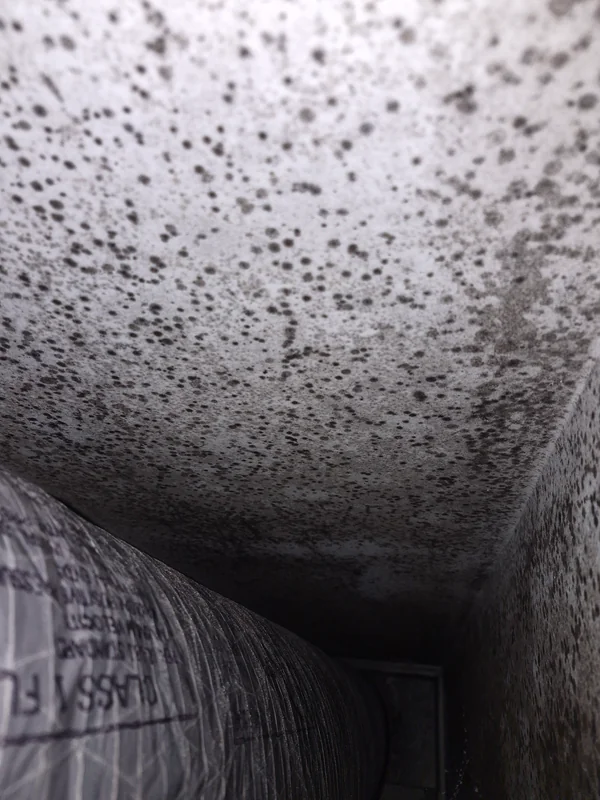
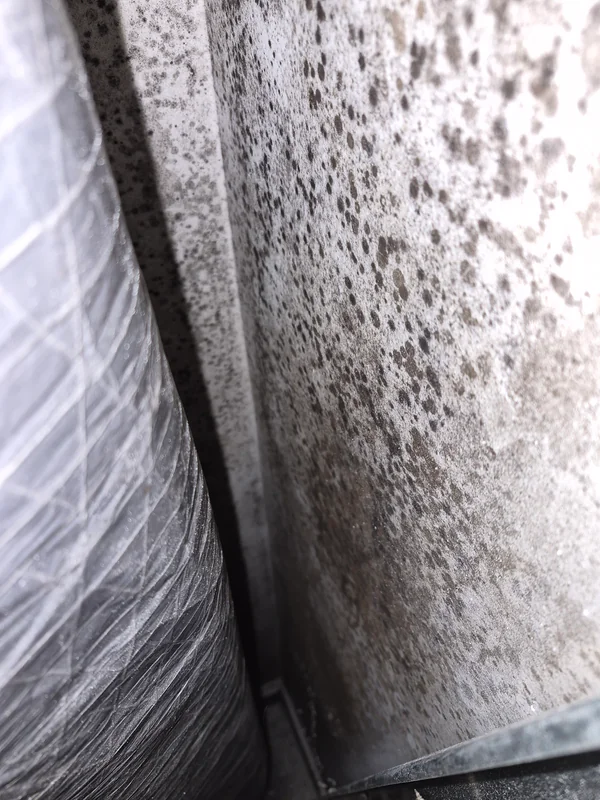
The most common thing Ivyland homeowners notice first is the smell that faint musty odor that shows up the moment the AC kicks on in June. It’s easy to dismiss, but that smell is your HVAC system distributing whatever has been growing inside your ductwork into every room of your home, every time it runs. Once that’s gone, it’s gone. The air feels different. Allergy symptoms that seemed to come out of nowhere start making sense in hindsight.
For homes in Ivyland’s Historic District many of them 100 to 150 years old and retrofitted with ductwork decades after they were built the stakes are higher than in a newer subdivision. Victorian construction wasn’t designed with forced-air systems in mind. That means duct runs through unventilated attic spaces, exterior wall cavities with little to no insulation, and basement areas that Bucks County’s above-average rainfall keeps perpetually damp. These are the conditions where mold doesn’t just appear it spreads quietly through a system you can’t see.
Cleaning those ducts properly means your HVAC stops being the problem and starts doing its job. For the growing number of Ivyland residents who work from home and spend most of their day inside, that’s not a minor upgrade it’s a material change in what you’re breathing eight hours a day.
We’ve been working in Bucks County homes for over 15 years. Based in Bensalem, we serve Ivyland as part of our core service area which means our team has been inside the Victorian-era homes along Chase and Gough Avenues, the mid-century construction in surrounding Warminster Township, and the newer builds in Ivyland Village off Jacksonville Road. This isn’t a franchise dispatching technicians from three counties away. It’s a locally rooted operation that knows what Ivyland homes actually look like from the inside.
What separates us from every general HVAC or duct cleaning company in this market is that mold remediation is our core business not an add-on. We carry IICRC certification in water restoration, work directly with insurance companies when claims are involved, and conduct post-cleaning verification to confirm the contamination is actually gone. When you call, you’re talking to people who understand the difference between a dusty duct and a mold problem and know exactly what to do about both.
It starts with a free inspection. Before any cleaning begins, we take a real look at your system not a five-minute walkthrough designed to justify a sale, but an actual assessment of what’s in your ductwork and where the problem is coming from. In Ivyland’s older homes, that inspection often turns up things a general duct cleaner would miss entirely: moisture infiltration points where Bucks County’s heavy rainfall has been working its way into the system, irregular duct runs through unventilated spaces, and mold growth in sections of the ductwork that aren’t visible from the registers.
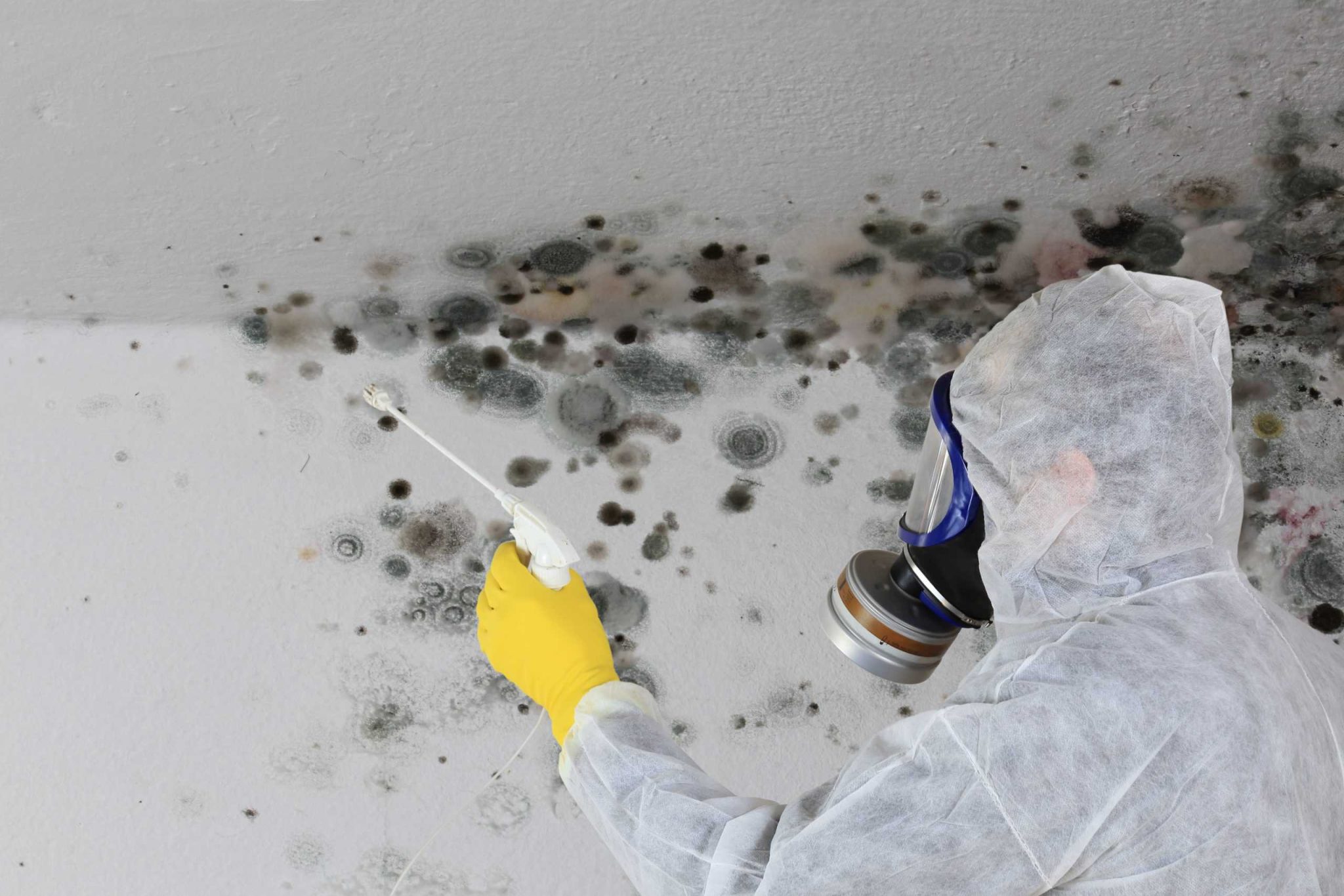
Once the inspection is complete, you get upfront pricing before any work starts. The quote you receive is the price you pay. From there, the cleaning itself uses professional-grade negative air pressure equipment not the kind of vacuum setup a general handyman brings. If mold is present, we use containment protocols to prevent spores from spreading to other areas of your home during the cleaning process. This is the step that separates a mold specialist from a standard duct cleaning company, and it matters in a home where the duct system runs through multiple floors and living spaces.
After the mechanical cleaning is done, we offer air duct sanitizing an antimicrobial treatment applied to interior duct surfaces to eliminate remaining biological contamination. When the job is complete, the affected areas are tested to confirm the mold is gone. Not assumed gone. Confirmed.

Ready to get started?
Air duct cleaning is our core service, but it doesn’t exist in isolation especially in Ivyland. The borough’s Victorian and mid-century homes often have duct configurations that were retrofitted rather than purpose-built, which means the full picture of what’s in your HVAC system matters. We address the whole system: supply ducts, return ducts, and the interior components where mold and biological debris accumulate out of sight.
Dryer vent cleaning is available as a standalone service or alongside air duct cleaning, and it’s worth taking seriously in Ivyland’s older housing stock. Homes built in the 1870s through the mid-20th century often have longer, more complex dryer vent runs than modern construction more bends, longer distances, and vents that may not have been cleaned in years. The NFPA reports roughly 15,970 dryer-related house fires annually, with failure to clean the vent as the leading cause. In a borough where many homes are listed on the National Register of Historic Places, that’s a risk worth eliminating.
Air duct sanitizing is the final step for homes where mold has been confirmed in the ductwork. Mechanical cleaning removes the physical contamination; sanitizing applies an EPA-approved antimicrobial treatment to the interior duct surfaces to prevent regrowth. For Ivyland homeowners dealing with Bucks County’s summer humidity which can push indoor moisture levels to 75–80% without active dehumidification sanitizing is what keeps a cleaned system clean through the next humid season. We offer financing, and we work directly with insurance companies when the situation involves a covered event.

That musty smell when the HVAC kicks on is almost always coming from inside the duct system itself not from a single room or surface. When mold or biological debris accumulates inside your ductwork, the airflow from your heating and cooling system picks it up and distributes it throughout your home every time the system runs. You’re not imagining it, and it doesn’t go away on its own.
In Ivyland specifically, this is a common issue in homes within the Historic District and the surrounding mid-century construction. Victorian-era homes were retrofitted with ductwork long after they were built, often through spaces unventilated attics, exterior wall cavities, damp basement areas that create ideal conditions for moisture accumulation inside the ducts. Bucks County’s rainfall patterns, which average about 49 inches per year, keep the ground around older foundations consistently wet, and that moisture finds its way into the system over time. A proper inspection will identify where the contamination is and what’s driving it which is the only way to actually fix the problem rather than mask it.
When mold is present in your ductwork, the cleaning process has to be fundamentally different from routine dust removal and most general HVAC or duct cleaning companies aren’t equipped to handle it correctly. Disturbing mold inside a duct system without proper containment can release spores into the rest of your home, spreading the problem to rooms that weren’t previously affected. We use containment protocols during the cleaning to prevent that from happening.
Beyond containment, a mold-specific cleaning includes post-service verification testing the affected areas after the job is complete to confirm the contamination has actually been removed. That’s a step general duct cleaners skip entirely. We also offer air duct sanitizing as a follow-up treatment, which applies an antimicrobial agent to interior duct surfaces after the mechanical cleaning is done. In a home where Bucks County’s summer humidity creates ongoing moisture pressure, that sanitizing step is what keeps the system from being recontaminated within a season or two.
The honest answer is that you usually can’t tell from the outside. Mold in ductwork tends to grow in the interior sections of the system not at the register where you might notice dust or discoloration, but deeper inside where it’s dark, damp, and undisturbed. By the time you can see something at the vent, the problem has typically been developing for a while.
The most reliable signs are a persistent musty odor when the HVAC runs, worsening allergy or respiratory symptoms that seem tied to being indoors, or visible discoloration around vents or near the air handler. In Ivyland’s older homes particularly those in the Historic District where ductwork was added to buildings that weren’t designed for it the irregular duct runs and limited access points make internal inspection especially important. A free inspection from us will tell you definitively what’s in your system, whether that’s mold, accumulated debris, or something else entirely. There’s no obligation, and you won’t be pressured into a service you don’t need.
No and this is one of the most well-documented scams in the home services industry. The $99 offer is a bait-and-switch: a low entry price designed to get a technician into your home, followed by aggressive upselling once they’re inside. The actual cost of a legitimate, professional air duct cleaning for a typical home runs significantly higher, and for good reason proper equipment, trained technicians, and a thorough process take time and resources that a $99 job simply cannot cover.
The way to protect yourself is to ask for upfront, written pricing before any work begins, and to verify that the company you’re hiring has real credentials not just a website and a low quote. We provide free inspections and quote the full price before the job starts. That quote is what you pay. For Ivyland homeowners with historic properties worth well over half a million dollars on average, the risk of hiring the wrong company isn’t just a bad experience it’s a potential property damage situation if mold is disturbed without proper containment.
For most homes, industry guidance suggests air duct cleaning every three to five years under normal conditions. But “normal conditions” doesn’t describe a lot of Ivyland’s housing stock. Victorian-era homes retrofitted with ductwork, mid-century construction with aging duct seals, and the persistent moisture pressure that comes with Bucks County’s above-average rainfall all push that timeline shorter.
If your home is in the Historic District or is more than 40 years old, a more frequent inspection schedule makes sense especially if you’ve had any water intrusion events, roof leaks, or basement moisture issues. Bucks County’s summer humidity regularly drives indoor moisture levels high enough to create new mold growth in ductwork that was previously clean, so a post-summer inspection every few years is reasonable for older homes in this area. If you’ve recently had mold remediated anywhere else in your home basement, crawl space, walls the ducts should be inspected as part of that process, not treated as a separate issue.
Yes, and it’s a service that gets overlooked more often than it should in Ivyland’s older housing stock. Dryer vent cleaning is available as a standalone appointment or alongside air duct cleaning, and the two services pair naturally in homes where the HVAC and laundry systems are both aging.
The reason dryer vent cleaning matters more in older homes is the vent configuration itself. Victorian-era and mid-century construction often routes dryer vents through longer, more complex paths than modern homes more turns, longer horizontal runs, and venting through exterior walls that may have been modified over the decades. Lint accumulates faster and more densely in these configurations, and a blocked or restricted dryer vent is a genuine fire hazard. The NFPA tracks roughly 15,970 dryer-related house fires per year nationally, with failure to clean the vent as the primary cause. In a borough where many homes are irreplaceable historic structures, that’s not a risk worth carrying. We handle the full cleaning and can inspect the vent path to identify any restrictions or damage that might be contributing to the problem.
Other Services we provide in Ivyland