
Hear from Our Customers

The musty smell that kicks on with the heat isn’t just a nuisance. In a creek-valley community like Irish Meeting House, where the Deep Run watershed runs through the heart of Bedminster Township and the Bucks County Hazard Mitigation Plan identifies local tributaries as direct flood-impact zones, that smell is often telling you something real.
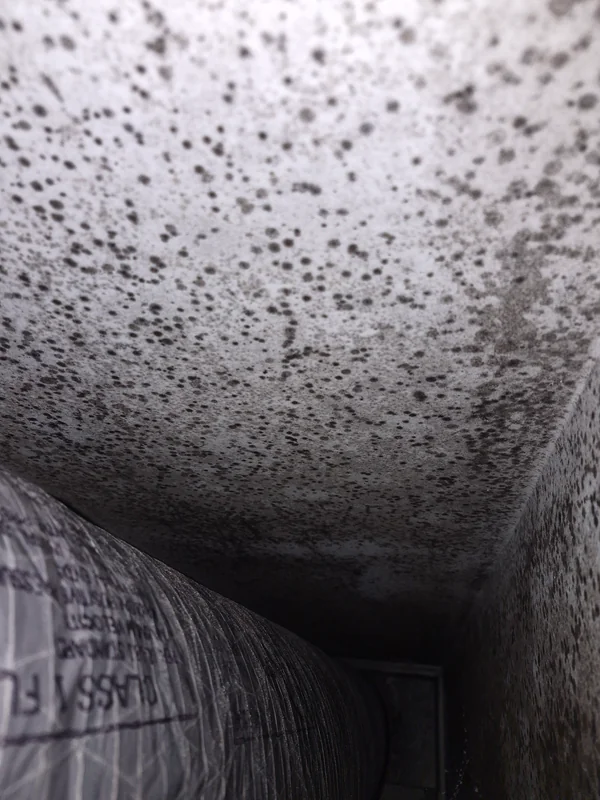
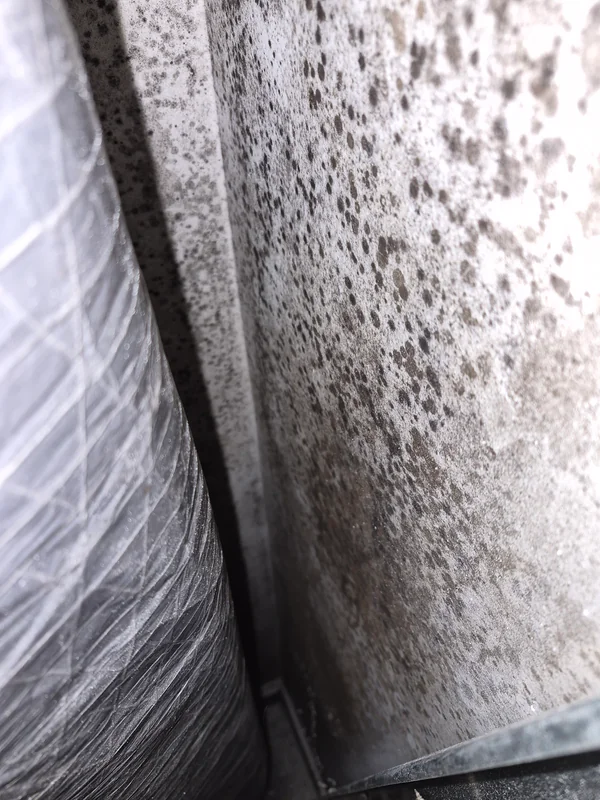
Moisture finds its way into stone foundations, crawl spaces, and basements and your HVAC system draws from those same spaces. When mold takes hold inside ductwork, every time the system runs, it distributes spores to every room in the house simultaneously.
When we properly clean and verify your ductwork, that cycle stops. Families with children notice it first the air just feels different. Allergy symptoms that seemed to peak indoors start to ease. The system runs more efficiently because it’s not pushing air through debris-clogged passages. And for homeowners in Irish Meeting House, where property values reflect the care these older homes demand, a clean and documented HVAC system is something you can stand behind.
What makes the difference here isn’t just cleaning it’s cleaning done by a mold specialist who understands why moisture builds up in upper Bucks County homes in the first place, and who tests the results afterward to confirm the job was actually done right.
We’ve been serving Bucks County for over 15 years, and that means understanding the difference between a basement that flooded once and a stone farmhouse along Deep Run Road that has been fighting groundwater infiltration for a century. This part of upper Bucks County Bedminster Township, the Pennridge area, the creek corridors feeding into the Tohickon has specific conditions that a national franchise learning your zip code on the way to the job simply doesn’t carry with them.
Our work is done by certified mold remediation specialists. The owner is personally involved. Multiple customers have named Jeff by name in their reviews specifically because he showed up, knew what he was looking at, and honored the price he quoted. That’s not a standard you find everywhere, especially in a rural community like Irish Meeting House where service options are limited and accountability is hard to enforce from a distance.
If you’ve had water in your basement after a wet spring, or you’ve owned your home for years and never had the ducts looked at, a free inspection is the honest first step.
It starts with a free inspection. Before anything is quoted or scheduled, one of our certified technicians assesses the system looking at the ductwork, the HVAC unit, and any conditions in the home that point toward moisture infiltration. In older homes throughout Irish Meeting House, that often means checking basement and crawl space conditions first, because that’s where the story usually starts.
Stone foundations common to pre-1900 homes in the Deep Run Valley corridor are porous by nature, and what’s happening below grade directly affects what’s growing inside the ducts above it.
If cleaning is warranted, we use professional-grade equipment negative air pressure systems and HEPA vacuuming that physically removes debris and biological material from both supply and return ducts. This isn’t a shop vac at the register. Proper air duct cleaning takes four to six hours for most homes, and anything significantly faster than that should raise questions.
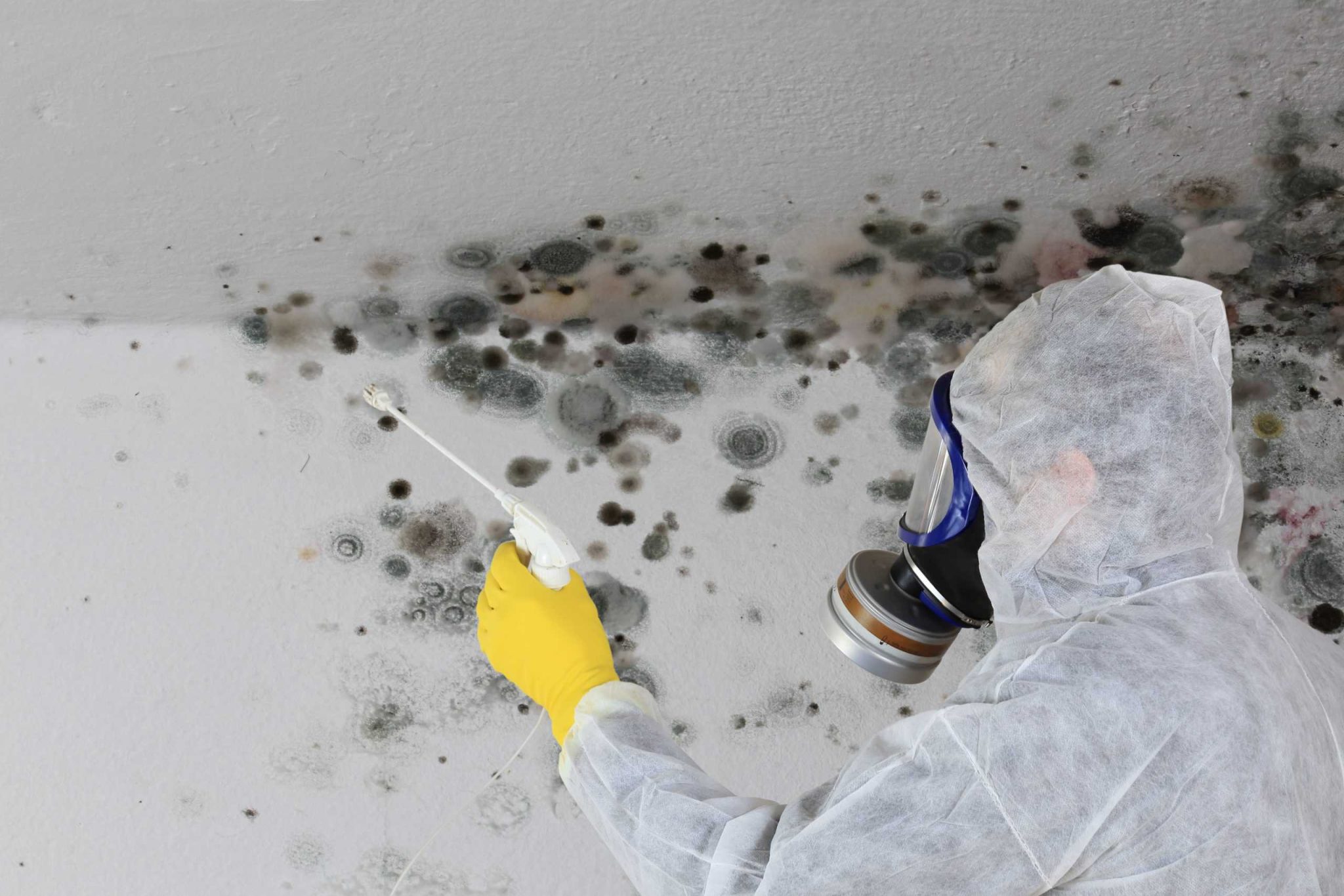
When mold is involved, cleaning alone isn’t the finish line. Air duct sanitizing applying an antimicrobial treatment after the mechanical cleaning addresses the biological contamination that physical removal can’t fully eliminate. After the job, affected areas are tested to confirm the mold is actually gone. You get documentation, not just a handshake.
Ready to get started?
Air duct cleaning is our core service, but in a community like Irish Meeting House where homes along Irish Meetinghouse Road and Kellers Church Road include structures built in the 1800s and properties that have been retrofitted with modern HVAC systems over the decades the full picture often involves more than one service.
Dryer vent cleaning is one that gets overlooked in older rural homes, and it shouldn’t. When vent runs are longer than standard, routed through unconventional paths, or simply haven’t been serviced in years, lint accumulation becomes a genuine fire risk. The NFPA reports over 15,000 dryer-related house fires annually, with failure to clean the vent as the leading cause. In a home where the dryer vent configuration predates current safety standards, that’s not a theoretical concern.
Air duct sanitizing is the step that matters most when biological contamination is confirmed. Mechanical cleaning removes the physical debris; sanitizing treats what’s left behind. In the high-moisture environment of the Deep Run Valley, where seasonal flooding and elevated groundwater are documented risks, skipping the sanitizing step means leaving the conditions for regrowth in place.
We offer all three services cleaning, sanitizing, and dryer vent cleaning and work directly with insurance companies when moisture damage is part of a larger claim. Financing is available for homeowners who need flexibility on timing.

The most common sign is a musty smell that appears specifically when the HVAC system kicks on not a general odor in the home, but one that arrives with the airflow. You might also notice worsening allergy or respiratory symptoms indoors that ease when you leave the house, or visible discoloration around supply registers. What you won’t see is what’s deeper in the system, because most mold growth in ductwork happens in sections you can’t access without equipment.
In homes throughout Irish Meeting House particularly older properties near Deep Run Road and Irish Meetinghouse Road where stone foundations and creek-adjacent soil conditions create persistent moisture the interior duct environment can support mold growth without any visible indication at the register. A professional inspection is the only way to know for certain. We offer free inspections, so there’s no financial barrier to getting an honest answer before committing to anything.
The honest answer is: it depends on why you’re doing it. The EPA’s position is nuanced routine cleaning in the absence of a specific problem has unclear benefits. But when mold is confirmed in the ductwork, when there’s been a pest infestation, or when significant debris is blocking airflow, the EPA explicitly recommends cleaning. That’s a different situation than a company calling you cold and offering a $99 special.
The $99 bait-and-switch is a well-documented industry problem. A low-ball offer gets a technician in the door, and then the upselling starts. A legitimate air duct cleaning job done properly with professional equipment on both supply and return ducts takes four to six hours and costs meaningfully more than that. For homeowners in Irish Meeting House who’ve dealt with basement moisture, flooding along the Deep Run watershed, or simply own a home that’s never had the ducts inspected, the question isn’t whether cleaning is a scam in general it’s whether your specific situation warrants it. A free inspection answers that question without any commitment.
For most homes, the general industry recommendation is every three to five years. But that baseline assumes a reasonably dry, well-sealed structure not the conditions common to older properties in Bedminster Township. Homes in the Deep Run Valley corridor that predate 1850, or even homes built in the mid-20th century on properties with high water tables or creek-adjacent soil, face elevated moisture exposure that accelerates biological growth inside ductwork.
If your home has had any basement water intrusion, sump pump activity after heavy rain, or visible moisture in the crawl space, those events are more relevant to your cleaning schedule than the calendar. The same applies after any mold remediation work elsewhere in the home if mold was found in a basement or wall cavity, the ductwork should be inspected as part of the same process, not treated as a separate issue. The HVAC system connects every room in the house, which means contamination in one area can be distributed widely before anyone notices.
Yes, and that’s exactly what makes HVAC-based mold contamination different from mold in a single wall cavity or basement corner. When mold establishes inside ductwork, every heating or cooling cycle pushes air and spores through every room the system serves. A problem that started in one section of duct near a damp basement can effectively seed every room in the house before the homeowner realizes anything is wrong.
This is particularly relevant in Irish Meeting House, where homes sit in a creek-valley geography that the Bucks County Hazard Mitigation Plan identifies as a flood-impact zone. Seasonal moisture events spring snowmelt, heavy rain that saturates the soil around Deep Run and its tributaries push humidity into the lowest points of these homes. The HVAC system draws conditioned air from those same spaces. A mold specialist who understands that relationship will approach duct cleaning differently than a general HVAC technician who’s simply vacuuming registers. Containment protocols matter; disturbing mold without them can make the spread worse, not better.
Air duct cleaning is the mechanical process using professional equipment to physically remove dust, debris, and biological material from inside the ductwork. Air duct sanitizing is a separate step that applies an antimicrobial treatment to the interior surfaces after the cleaning is complete. The two are not interchangeable, and in a mold situation, cleaning without sanitizing addresses the symptom without fully addressing the biology.
Think of it this way: cleaning removes what’s visibly present. Sanitizing treats the surface conditions that allowed growth in the first place. In a high-moisture environment like the Deep Run Valley in Bedminster Township where elevated groundwater, seasonal flooding, and above-average annual rainfall create conditions that support mold growth year-round skipping the sanitizing step leaves the ductwork vulnerable to regrowth relatively quickly. Whether both steps are warranted in your specific home depends on what the inspection finds, but if mold is confirmed, the answer is almost always yes to both.
Yes. We serve all of Bucks County, including Bedminster Township and the Irish Meeting House area in upper Bucks County. We’re based in Bensalem and have been serving Bucks County for over 15 years including the rural communities along Route 413 and the creek corridors of upper Bucks that don’t always show up on the service maps of lower-county or Philadelphia-based providers.
The reality for homeowners in this part of the county is that options are limited. The dominant franchise competitor explicitly serving Bedminster Township is a national brand which means the technician who shows up may have no specific knowledge of why a stone farmhouse near Deep Run Road behaves differently than a 1990s colonial in Doylestown. We bring certified mold remediation expertise and 15 years of Bucks County-specific experience to every job, regardless of how far up the county it is. Same-day and next-day response has been confirmed by multiple customers in reviews, and the free inspection offer applies here the same as anywhere else in the county.
Other Services we provide in Irish Meeting House