

Hear from Our Customers
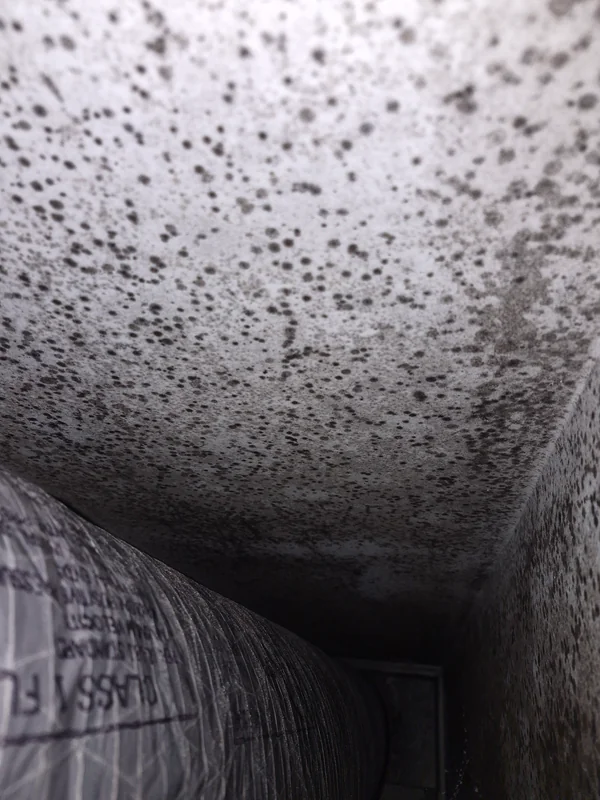
Most people don’t think about their air ducts until something forces them to a musty smell every time the heat kicks on, a kid who can’t stop coughing through the winter, or a basement that flooded after a bad storm and never quite felt right again. Those aren’t coincidences. In a Hunting Park rowhouse, they’re often connected.
When your home was originally built with steam or hot-water radiators and someone later retrofitted a forced-air system into it, the ductwork often runs through the dampest, least-ventilated parts of the house the basement, tight wall chases, spaces with no insulation and no vapor barrier. Philadelphia sits in a mixed-humid climate zone where outdoor humidity averages around 68% year-round. That moisture doesn’t stay outside. It works its way into older masonry, into below-grade spaces, and eventually into the air your HVAC system is pulling through your home every single day.
Hunting Park also sits in the Wingohocking Creek watershed. That creek was converted into a combined sewer over a century ago, and when heavy rain hits North Philadelphia, that system backs up into basements, into crawl spaces, right up through the floor drains of rowhouses on streets throughout the neighborhood. If your basement has ever flooded, even once, and your furnace draws return air from that same space, there’s a real chance your ductwork has been touched by that moisture. After a proper cleaning and inspection, you’ll know exactly what’s in there and what isn’t anymore.
We’re based in Bensalem, PA a straight shot down Roosevelt Boulevard, the same road that runs along the northern edge of Hunting Park. That’s not a coincidence. This corridor is the territory we’ve been working in for over 15 years, and we know what the housing stock on this side of the city looks like.
We’re not a national franchise with a call center and rotating crews. When you call, you’re reaching people who are directly accountable for the work. Our inspectors are certified mold remediation specialists not general HVAC technicians who added duct cleaning to their service list. That distinction matters when the problem in your ducts isn’t just dust.
We work directly with insurance companies, offer free inspections, give you upfront pricing before any work starts, and provide flexible financing for jobs where the cost is a real consideration. After the job is done, we test to confirm the mold is gone not just treated, actually gone. That’s the part most companies skip.
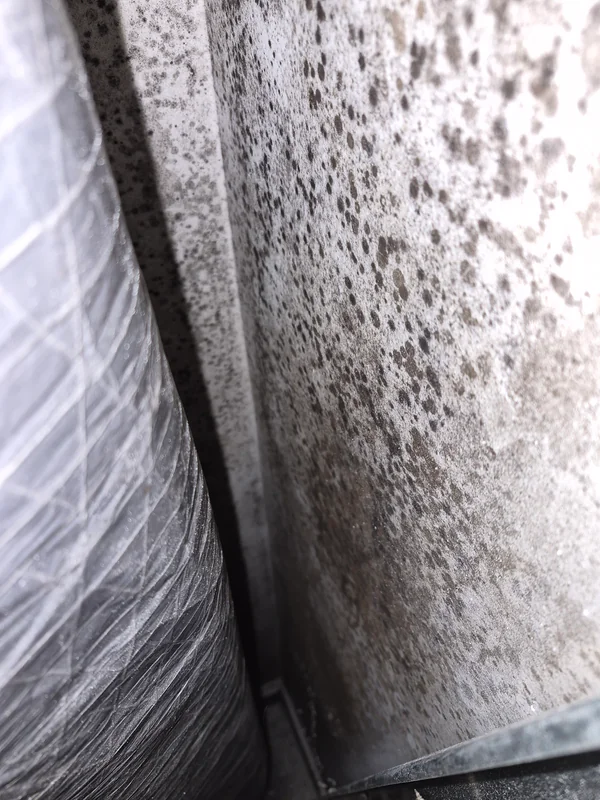
It starts with a free inspection. Before we touch anything, we want to understand what we’re dealing with the age of your home, how the ductwork was routed, whether there’s visible mold near registers or in the basement, and whether your HVAC system has a return air intake near any area that’s experienced moisture. In a Hunting Park rowhouse, that baseline assessment tells us a lot. Homes built before 1940 that were later retrofitted with forced-air systems have a very different risk profile than newer construction, and we treat them accordingly.
From there, if mold is present or suspected, we contain the affected areas before we start cleaning. This is where the difference between a mold specialist and a general duct cleaner becomes critical disturbing mold without proper containment protocols can spread spores to every room in the house. We use professional-grade equipment to clean both supply and return ducts thoroughly, not just the registers you can see from the floor.
Once the cleaning is complete, we don’t just pack up and leave. We collect samples and send them to a lab to confirm the mold has been eliminated. You get documented proof of the results. If your situation involves a past flooding event and you’re working through a homeowner’s insurance claim, we handle the communication with your insurer directly which is one less thing you have to manage during an already stressful process.

Ready to get started?
Air duct cleaning and air duct sanitizing are not the same thing, and in a home that’s had moisture issues, you typically need both. Cleaning removes the physical debris dust, mold growth, biological buildup from inside the ductwork. Sanitizing applies an antimicrobial treatment to the cleaned surfaces to eliminate what mechanical cleaning alone can’t fully address. When mold has been present in your ducts, skipping the sanitizing step leaves the job half finished.
We also handle dryer vent cleaning, which is especially relevant in Hunting Park’s housing stock. In Philadelphia rowhouses, dryer vents are frequently routed under the roof deck rather than directly to the exterior a common construction shortcut that introduces heat and moisture into the building envelope and creates a genuine fire hazard over time. The NFPA reports that failure to clean dryer vents is the leading cause of the roughly 15,970 dryer-related house fires that occur in the U.S. every year. If you don’t know how your dryer vent is routed or when it was last cleaned, that’s worth finding out.
All of our work is performed without named service tiers or surprise charges. You get a free inspection, a clear quote, and the option to finance if the cost needs to be spread out. Philadelphia city work falls under the oversight of the Department of Licenses and Inspections, and any associated remediation work that touches your HVAC system structurally is handled with that in mind.
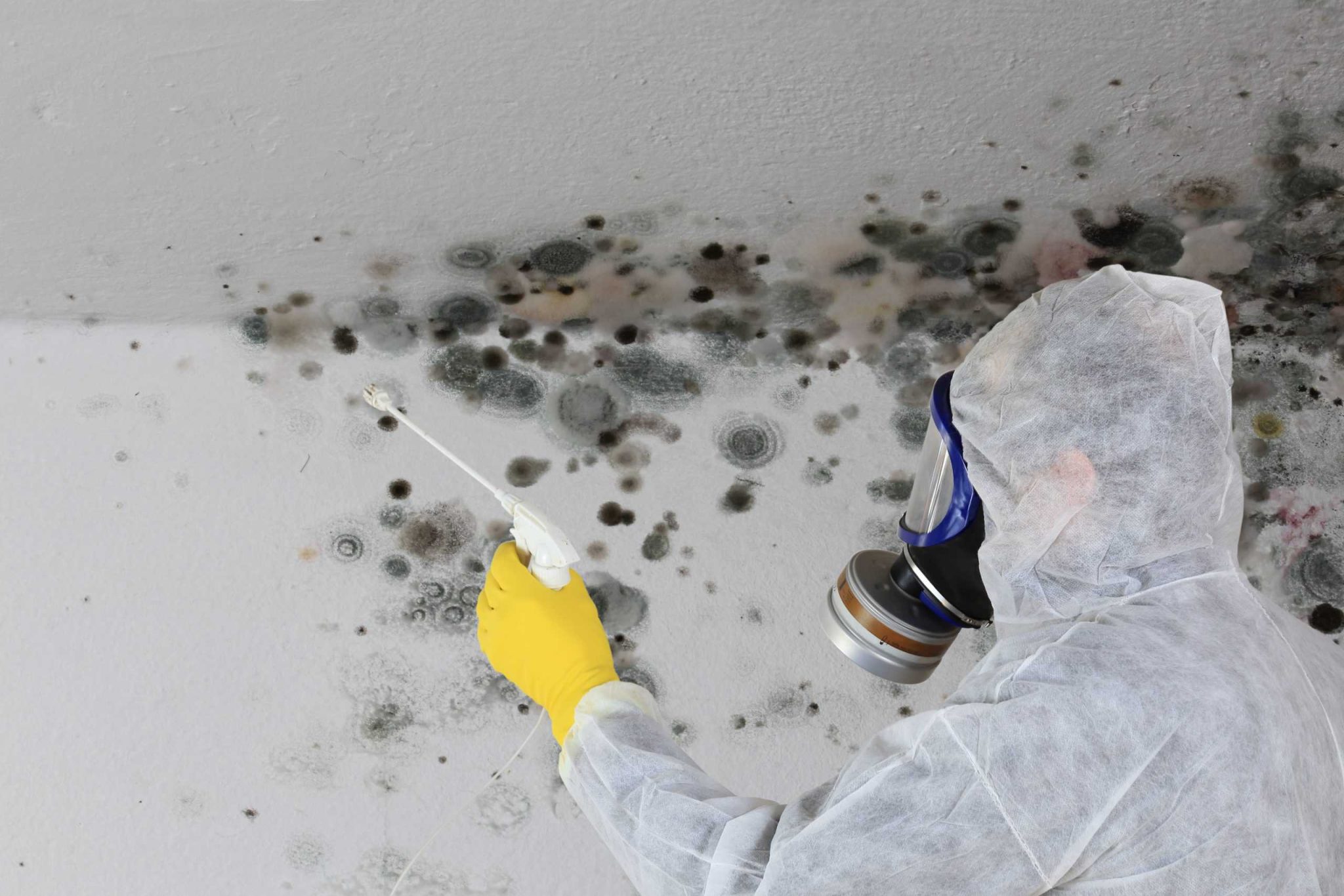
Yes, and it’s one of the more common scenarios we see in North Philadelphia rowhouses. Hunting Park sits in the Wingohocking Creek watershed, and the neighborhood’s combined sewer infrastructure is known to back up into rowhouse basements during heavy rain events. When that happens, water sits in a below-grade space sometimes for hours, sometimes longer and that’s all mold needs to get started.
The connection to your ductwork comes from where your HVAC system draws its return air. In many retrofitted rowhouses, the return air intake is located in or near the basement. That means the furnace is pulling air from the same space where floodwater sat, and any mold spores that developed in that space get circulated through every room in the house every time the system runs. If your basement has flooded even once, it’s worth having your ducts inspected by someone who can evaluate the situation from a mold remediation standpoint not just check for visible dust at the register.
The honest answer is that you often can’t tell from the outside. Most mold growth in ductwork happens deep inside the system in sections that run through uninsulated basement spaces or interior wall chases where you’d need specialized equipment to see. The visible registers and vent covers are usually not where the problem is concentrated.
What you can pay attention to are the symptoms. A musty smell that appears specifically when the HVAC system kicks on is one of the clearest indicators. Worsening allergy or asthma symptoms that seem tied to being inside the house especially in a home with older ductwork is another. Visible discoloration around vent covers can also signal something further inside the system. In a Hunting Park rowhouse where the ductwork runs through damp basement spaces, these signs deserve to be taken seriously rather than written off as normal aging. A certified mold inspection will give you a definitive answer.
It matters significantly. Homes built in the 1920s in Hunting Park were originally designed with radiator heat one-pipe steam or two-pipe hot water systems that required no ductwork at all. The forced-air systems in these homes were added later, often decades later, and the ductwork was routed through whatever spaces were available. That usually means basements with stone or brick foundations that allow ground moisture to seep in, and interior wall chases with no insulation.
Ductwork that’s been sitting in those conditions for 30, 40, or 50 years accumulates more than dust. The combination of Philadelphia’s humid climate, below-grade moisture, and limited airflow in tight rowhouse cavities creates exactly the environment where mold establishes itself. Older ductwork also sometimes has joints or seams that have loosened over time, which allows conditioned air to leak out and unconditioned, humid air to get in. A thorough inspection of a pre-war rowhouse HVAC system looks at all of these factors, not just the surface condition of the ducts.
It depends on your specific policy and how the damage is documented, but in many cases, mold remediation including duct cleaning that results from a covered water event can be included in an insurance claim. The key word is “covered.” Standard homeowner’s policies often exclude flooding from external sources, but sewer backup coverage is sometimes available as an add-on, and water damage from internal sources like a burst pipe is typically covered.
For Hunting Park homeowners who’ve experienced basement flooding from the neighborhood’s combined sewer overflows, the coverage question is worth exploring before you assume you’re paying out of pocket. We work directly with insurance companies on claims, which means we handle the documentation, the communication, and the back-and-forth that most people find overwhelming. If there’s a legitimate claim to be made, we’ll help you navigate it. If there isn’t, we’ll tell you that too and we’ll give you upfront pricing so you know exactly what the job will cost before we start.
They’re two separate steps that address two different parts of the problem. Air duct cleaning is the mechanical process using professional equipment to physically remove debris, dust, mold growth, and biological buildup from inside the ductwork. This requires proper equipment and containment, especially when mold is involved, because disturbing mold without controlling where the spores go can make the situation worse.
Air duct sanitizing comes after the cleaning. It involves applying an antimicrobial treatment to the cleaned duct surfaces to eliminate residual biological contamination that mechanical cleaning alone can’t fully address. If your ducts have had mold present which is common in Hunting Park rowhouses with basement moisture issues sanitizing is not optional. Cleaning without sanitizing leaves the surfaces vulnerable to rapid re-growth, especially in a home where the underlying humidity conditions haven’t been fully resolved. We’ll assess your specific situation during the inspection and tell you honestly whether both steps are warranted or whether cleaning alone is sufficient.
For most homes, the industry standard recommendation is every three to five years. But that’s a general guideline built around average conditions, and Hunting Park rowhouses don’t represent average conditions. Pre-1940 homes with retrofitted forced-air systems, below-grade ductwork runs, shared party walls, and exposure to North Philadelphia’s combined sewer flooding history have a meaningfully higher baseline risk than a newer suburban home with properly sealed, insulated ductwork in a conditioned space.
A more practical approach for this type of housing stock is to start with an inspection and let the actual condition of the ducts drive the timeline not a calendar. If you’ve had any flooding in the basement, if you’ve noticed musty smells when the system runs, or if you’ve had mold remediated elsewhere in the home and haven’t had the ducts checked, those are all reasons to get an inspection now regardless of when the last cleaning was. Going forward, the frequency should be based on what the inspection finds and what moisture conditions exist in your specific home not a blanket schedule.
Other Services we provide in Hunting Park