
Hear from Our Customers
Most homes in Hood and around New Hope Borough weren’t designed with ductwork in mind. The stone farmhouses, converted mills, and canal-era cottages that define this part of the region had ductwork added later often running through stone basements and crawl spaces that sit directly above a water table the Delaware Canal has kept persistently elevated for generations. That’s not a seasonal problem. That’s a structural one. And it means the air moving through your vents has been traveling through conditions that general duct cleaners aren’t trained to assess.
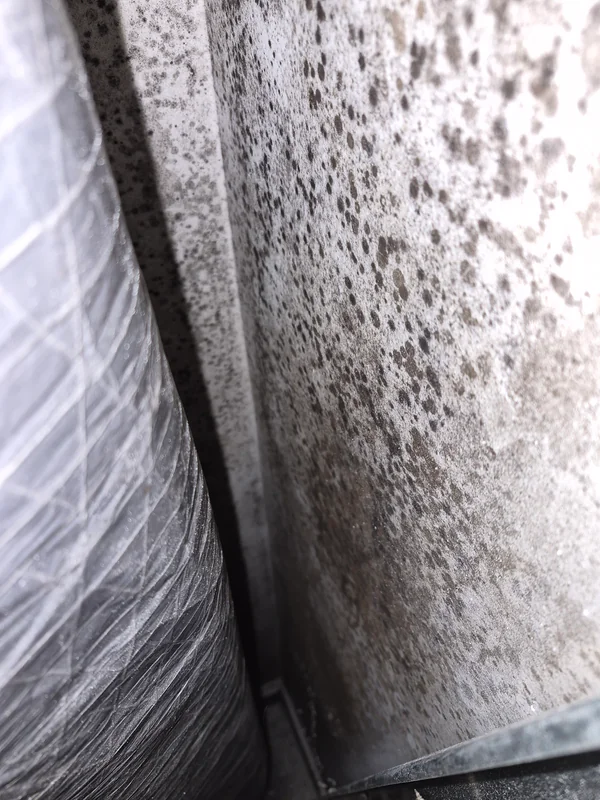
When mold takes hold inside a duct system, every time your heating or cooling kicks on, it distributes whatever’s living in those ducts to every room in the house. In a New Hope-area home averaging over 4,200 square feet, that’s a lot of rooms, a lot of registers, and a lot of exposure. Getting the ducts cleaned by someone who understands what grows in chronically damp, retrofitted ductwork and who can verify the results with lab testing changes the equation entirely.
After a proper cleaning and inspection, you’re not just hoping the air is cleaner. You have documentation that it is. That matters whether you’re raising a family here, managing a rental property in Hood, or protecting a significant investment in a historic home you bought off US Route 202.
We’re a Bucks County-based company, not a national franchise routing calls through a regional office. Over 15 years, we’ve worked in homes across Bucks County, which means we understand the specific conditions that make this area different the 49 inches of annual rainfall, the river valley humidity, and the older housing stock that holds moisture in ways a 1990s subdivision simply doesn’t.
For homeowners in Hood and the surrounding New Hope Borough area, that local knowledge matters. A certified mold remediation specialist approaching a stone home near Aquetong Creek brings a different set of questions to the job than a general duct cleaner running a standard checklist. We inspect, identify, contain, remove, and then test to confirm the mold is actually gone not just visually cleared. That post-remediation verification step is something most competitors in this market skip entirely.

It starts with a free inspection. Before any cleaning begins, we assess your duct system looking at where the ductwork runs, what conditions it’s been exposed to, and whether there’s active mold contamination or just accumulated debris. In older New Hope-area homes where duct runs pass through stone basements or uninsulated crawl spaces near the canal corridor, this inspection step isn’t a formality. It shapes the entire approach to the job.
If mold is confirmed, the work follows proper containment protocols meaning the affected sections are isolated before anything is disturbed. This is the step that separates a mold specialist from a standard duct cleaner. Disturbing mold without containment spreads spores through the system and into your living space. That’s the last thing you want in a home where the underlying moisture conditions aren’t going away on their own.
After cleaning, we test the affected areas to verify the mold is gone. You get actual documentation, not just a verbal assurance. If your situation involves an insurance claim which is common for New Hope properties with documented flood exposure from the Delaware River or Aquetong Creek we work directly with your insurance company to handle that process. The job isn’t done when the equipment leaves. It’s done when the results are confirmed.
Ready to get started?
Air duct cleaning is the core of what we do in Hood and the surrounding New Hope area, but it’s rarely the only thing a home in this corridor needs. HVAC duct cleaning addresses the supply and return duct runs the pathways that carry conditioned air through your home. In a large historic property, those runs can be extensive, passing through areas that have never been dry. The cleaning process removes physical contamination, but in an environment where moisture is a constant factor, air duct sanitizing applying antimicrobial treatment after mechanical cleaning provides an additional layer of protection against regrowth. Skipping that step in a canal-adjacent or creek-adjacent home is like mopping a floor that’s still leaking.
Dryer vent cleaning is a separate service that homeowners in older New Hope properties often overlook. When a laundry room has been retrofitted into a historic home, the dryer vent run is frequently longer and more convoluted than in a purpose-built space more turns, more distance, more opportunity for lint to accumulate. The NFPA tracks roughly 15,970 dryer-related home structure fires per year, with failure to clean the vent as the leading cause. In a stone home with original wood framing, that’s not a statistic to file away.
We also handle indoor air quality testing and post-remediation cleanup for situations where mold in the duct system has been part of a larger moisture or flood event a scenario that’s well-documented in New Hope Borough’s history along Bridge Street, Canal Street, and properties near Aquetong Creek.
Yes, and it’s not just about flooding. The Delaware Canal’s hydrological legacy means the water table beneath canal-adjacent properties in Hood and New Hope Borough stays persistently elevated year-round independent of seasonal rainfall. That sub-grade moisture wicks upward through porous stone foundations, into crawl spaces, and into the areas where HVAC ductwork runs. It doesn’t dry out in the summer the way moisture in a non-canal-adjacent home might.
What this means practically is that the conditions feeding mold growth in your duct system are chronic, not seasonal. A single cleaning without addressing the source or without post-cleaning verification may provide temporary relief but won’t change the underlying environment. That’s why our approach to air duct cleaning in Hood looks different from a general duct cleaner’s. The inspection needs to account for where the ductwork runs, what it’s been exposed to, and what the ongoing moisture conditions are before any work begins.
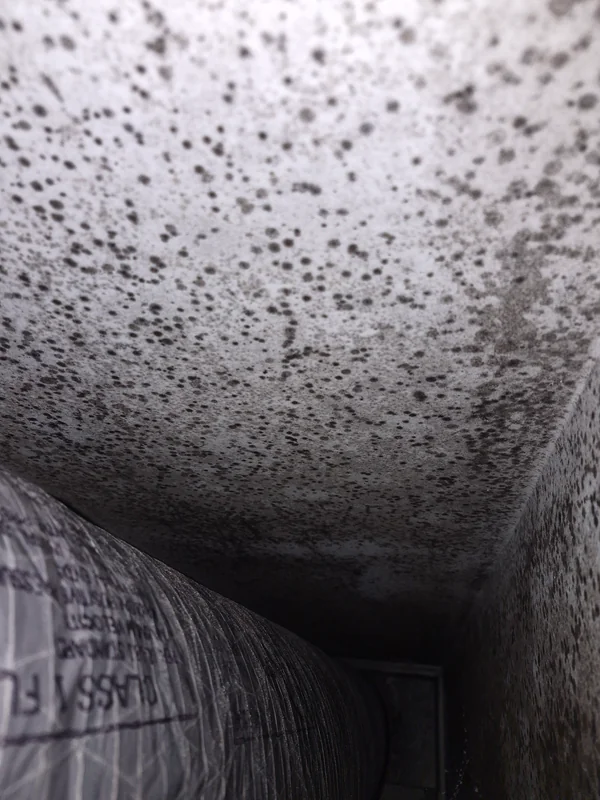
The most common sign is a musty smell that appears or intensifies when your HVAC system turns on. If the smell is coming from the vents not from a visible surface in the room the contamination is likely inside the duct system itself. Other indicators include worsening allergy or respiratory symptoms that seem to improve when you’re out of the house, visible discoloration near registers or vent covers, or a history of water intrusion in your basement or crawl space.
In Hood and the surrounding New Hope area, the last point is particularly relevant. Homes that experienced water intrusion during the Delaware River flooding events of 2004, 2006, or Hurricane Ida especially those with air handlers or duct runs in affected basements or crawl spaces have a meaningful risk of mold colonization inside the ductwork, even if the visible surfaces were remediated at the time. The only reliable way to confirm mold in ducts is a professional inspection. We offer free inspections, so there’s no financial barrier to finding out what’s actually there.
This is one of the most important questions to ask before hiring anyone. A general duct cleaning company is trained to remove dust, debris, and buildup from duct surfaces. They are not necessarily trained in mold containment protocols. When mold is present inside ductwork and gets disturbed without proper containment negative air pressure systems, physical barriers, appropriate protective equipment the spores become airborne and distribute through the system into your living space. You can end up with a worse problem than you started with.
A mold remediation specialist approaches the job differently. The affected sections are contained before cleaning begins, the contamination is removed using protocols designed to prevent spread, and the results are verified with post-cleaning testing. In a historic New Hope-area home where the duct system runs through chronically damp spaces, that distinction matters significantly. We bring certified mold remediation expertise to every air duct cleaning job which is why our process includes lab testing to confirm the mold is gone, not just a visual check.
This is a situation we encounter regularly in the New Hope Borough area, and the honest answer is yes especially if the flooding reached your basement, crawl space, or any area where your air handler or duct runs are located. Standard flood remediation work addresses visible surfaces: walls, floors, structural materials. The HVAC duct system is often the last place checked, and in many cases it isn’t checked at all.
When water contacts an air handler, reaches return-air registers, or sits in a crawl space where duct runs are located, mold colonization inside the ductwork is a predictable outcome. The timeline matters too mold can establish itself within 24 to 48 hours of moisture exposure. If your remediation work didn’t include a specific inspection and cleaning of the duct system, there’s a real possibility the ducts were left contaminated. That contamination then gets redistributed every time the system runs. Given New Hope’s documented flood history 1955, 2004, 2006, and Hurricane Ida this is a question worth taking seriously rather than assuming the earlier remediation covered it.
The general industry recommendation is every three to five years for a typical home. But “typical” doesn’t describe most of the housing stock in Hood and the surrounding New Hope Borough area. Homes built in the 18th and 19th centuries with retrofitted ductwork, stone basements, and crawl spaces near Aquetong Creek or the Delaware Canal corridor are operating in conditions that accelerate contamination. The elevated water table, the humid Delaware River Valley summers, and the fact that duct runs often pass through spaces that were never designed to be dry all mean that the standard timeline may not apply.
For homes in this area particularly those with a history of water intrusion, those near the canal or creek, or those with large square footage and extensive duct runs a professional inspection every two to three years is a more reasonable baseline. If you notice musty odors from vents, worsening respiratory symptoms, or visible discoloration near registers between scheduled cleanings, don’t wait for the calendar. Those are signs that something is happening inside the system that warrants a closer look sooner rather than later.
Yes. We work directly with insurance companies on claims handling the documentation and communication so you’re not managing that process on top of everything else. This is particularly relevant for homeowners in New Hope Borough, where roughly 28% of properties carry severe flood risk over a 30-year horizon and many residents have navigated flood insurance claims before.
When mold remediation including air duct cleaning is connected to a covered event like flooding, it is often a covered loss under a homeowner’s or flood insurance policy. The documentation we provide through our inspection and post-remediation lab testing is exactly what insurers need to process a claim accurately. Rather than submitting paperwork on your own and hoping it aligns with what the adjuster needs, we handle that coordination directly. It doesn’t change what the work costs or how it’s done it just removes a significant administrative burden from a situation that’s already stressful enough.
Other Services we provide in Hood