

Hear from Our Customers
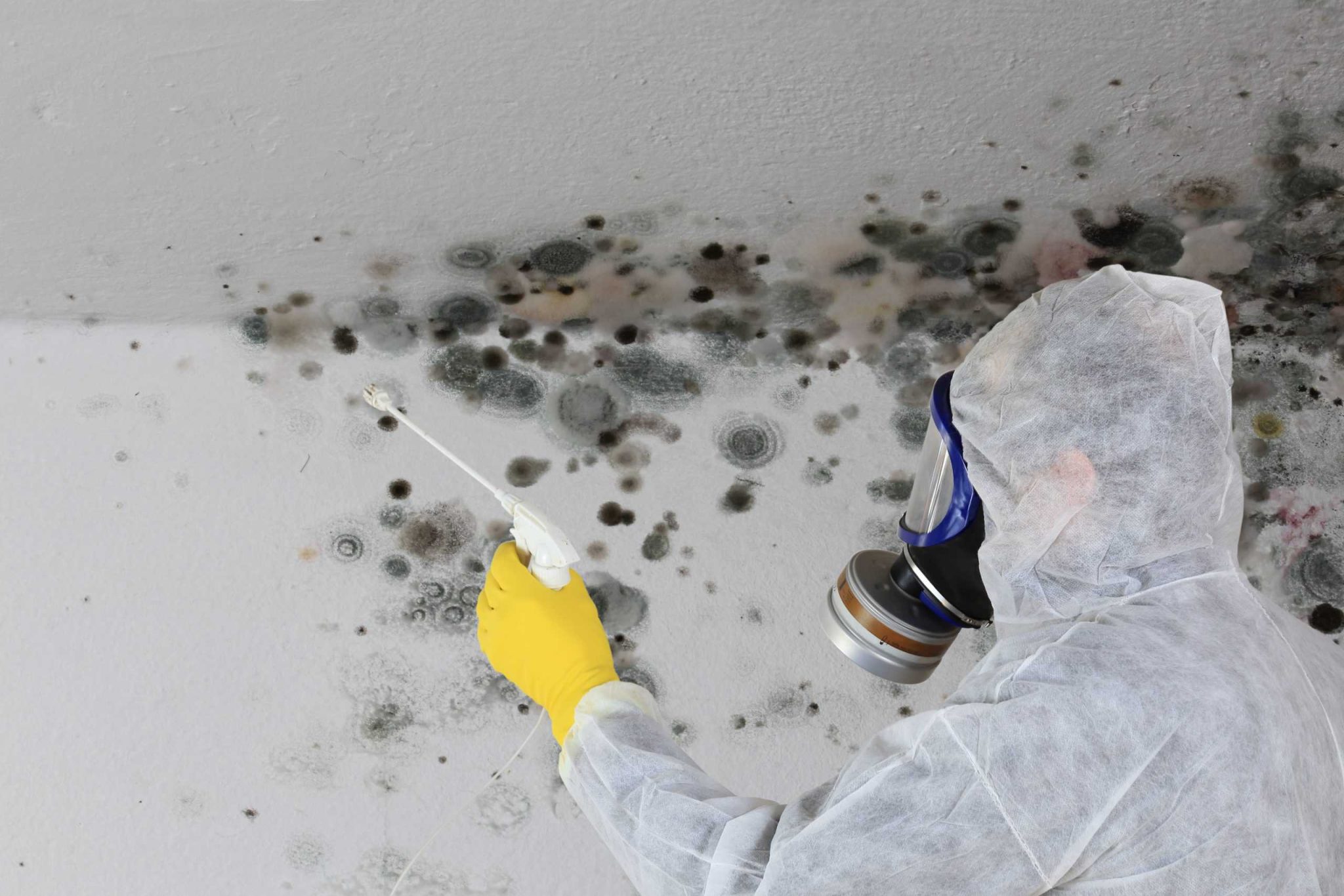
The most immediate thing most people notice is the smell or rather, the absence of it. That stale, musty odor that greets you every time the system kicks on stops being something you just live with. For families in Holmesburg with kids in the house, that shift matters more than any statistic.
But in a neighborhood like this, clean ducts do more than eliminate odors. Holmesburg sits between two waterways Pennypack Creek runs through the neighborhood’s center, and the Delaware River borders it to the east. That geography keeps ambient moisture elevated longer than in inland Philadelphia neighborhoods, which means mold inside ductwork has more opportunity to grow and more time to do it. Getting ahead of that cycle means you’re not just solving today’s problem you’re interrupting a pattern that your home’s location creates year after year.
For homeowners in the older sections near Frankford Avenue, where homes were built as far back as the 1890s and went through multiple heating system conversions over the decades, there’s another layer to this. Many of those duct systems were never properly cleaned between transitions. What comes out of your vents today may reflect the history of the house not just the last few years of use. A thorough cleaning addresses all of that, not just the surface layer.
We’ve been operating for over 15 years, serving the Northeast Philadelphia corridor and Bucks County which means the housing stock along Frankford Avenue, the rowhouses near Holmesburg Junction, and the older riverside properties that make up this neighborhood aren’t unfamiliar territory. Bensalem, where we’re based, sits directly across the city line from Holmesburg. Frankford Avenue connects both communities. We’re not dispatching from across the region we’re neighbors.
What separates us from a general duct cleaning company is the mold certification behind our work. Our inspectors are trained in mold remediation, not just HVAC maintenance. That means when mold is found inside a duct system, it’s handled with containment protocols not just vacuumed out and spread further into the home. Customers who’ve worked with us consistently point to the post-job verification: testing after the work is done to confirm the mold is actually gone, not just disturbed.

It starts with a free inspection. Before any work is quoted or scheduled, a certified inspector walks through the property, looks at the duct system, and identifies what’s actually going on. In Holmesburg, that inspection often turns up things that aren’t visible from the register biological growth deep in the ductwork, debris from decades of use, or moisture-related contamination that’s been quietly developing since long before you owned the home. You get an upfront price based on what’s found. That number doesn’t change once the work begins.
If mold is present, containment comes first. This is where working with a certified mold remediation specialist matters. Disturbing mold inside ductwork without proper containment pushes spores into the living space which is exactly the outcome you’re trying to avoid. We use containment protocols before any mechanical cleaning begins, which is a step many general duct cleaners skip entirely.
After the cleaning is complete, affected areas are tested to verify the mold has been eliminated. That’s not a standard step in this industry most companies clean and leave. The post-service verification is what gives you actual confirmation, not just a receipt. For homeowners in a neighborhood where moisture conditions are ongoing, knowing the job was done right isn’t optional it’s the whole point.
Ready to get started?
Air duct cleaning at Mack’s Mold Removal covers both supply and return ducts not just one side of the system. Single-duct cleaning is a common shortcut in this industry and one of the ways low-price offers fall apart once the technician is already in your home. The full system gets addressed, and the work is done with professional-grade equipment that creates negative air pressure inside the ductwork, pulling debris out rather than pushing it further in.
For Holmesburg properties dealing with confirmed or suspected mold, air duct sanitizing is available as a follow-up to mechanical cleaning. This applies an antimicrobial treatment to the interior duct surfaces after the physical debris has been removed an important step when biological contamination is involved, not just dust. In a neighborhood where ground moisture is a persistent structural reality, mold in HVAC systems isn’t a one-time event. Sanitizing addresses what’s left after cleaning and helps slow re-growth.
Dryer vent cleaning is also part of what we handle. In Holmesburg’s rowhouses and townhomes where laundry is often tucked into tight interior spaces with longer vent runs lint buildup happens faster than most homeowners realize. The NFPA reports roughly 15,970 dryer-related house fires nationally each year, with failure to clean the vent as the leading cause. In attached housing, that risk doesn’t stay contained to one unit. Financing is available for homeowners who want to address multiple services at once without the full cost up front.
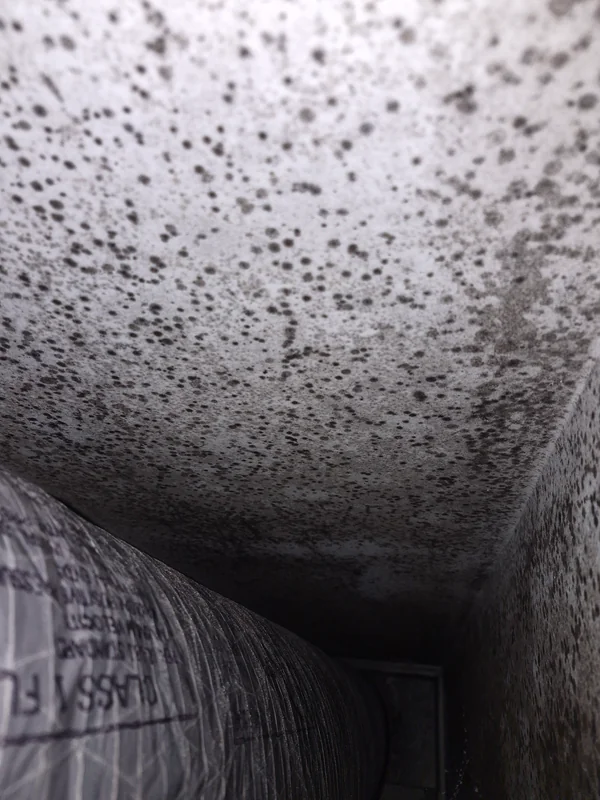
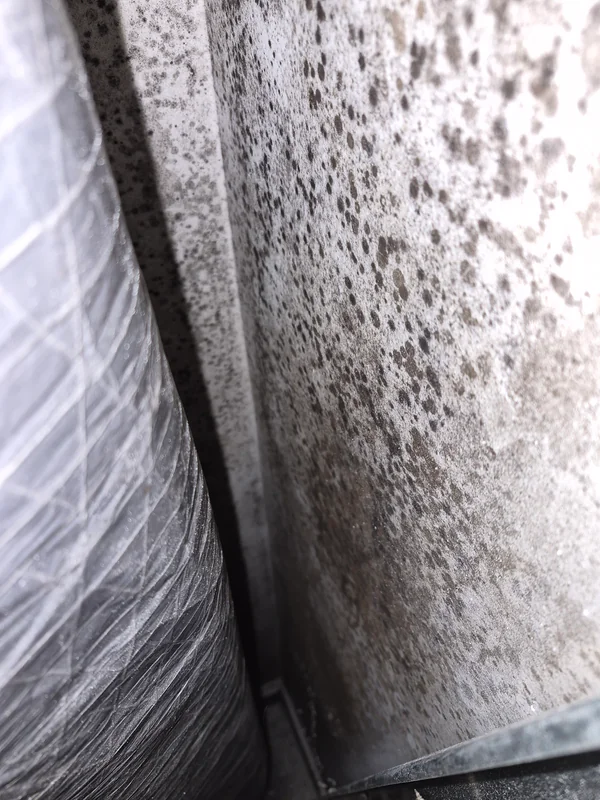
The most common sign is a musty or earthy smell that appears specifically when your HVAC system turns on and then fades once the air settles. If the smell is strongest right at the vents, that’s a strong indicator the source is inside the ductwork rather than somewhere else in the house. Visible discoloration around supply registers is another sign, though by the time you can see it at the opening, the growth inside is often more extensive than it looks.
In Holmesburg specifically, the combination of older housing stock and the neighborhood’s proximity to both Pennypack Creek and the Delaware River creates conditions where mold inside HVAC systems is more common than in drier, inland neighborhoods. Homes along the river corridor tend to have higher baseline humidity, and ductwork that runs through basements or crawl spaces in these older properties can stay damp long enough for mold to establish. If you’ve noticed worsening allergy symptoms indoors, or if you’ve recently had water in the basement, those are additional reasons to have the system inspected rather than wait for visible confirmation.
The honest answer is that it depends on what’s in your ducts. Routine cleaning for a home with no moisture issues, no mold, and no recent renovation may not be urgent. But that’s not the situation most Holmesburg homeowners are dealing with. The EPA is clear that when mold is confirmed inside ductwork, cleaning is warranted and in a neighborhood with the moisture profile that Holmesburg has, mold in HVAC systems is a legitimate risk, not a hypothetical one.
If your home was built before 1970 and has gone through multiple heating system transitions which is common in the older sections near Frankford Avenue there’s a real possibility that the ductwork has never been properly cleaned. Decades of combustion residue, biological growth, and moisture-fed contamination don’t show up at the register. They stay inside the system and circulate every time the HVAC runs. For a home where children or anyone with respiratory sensitivities lives, that’s not a situation worth leaving unaddressed. A free inspection will tell you what’s actually there and if the ducts are genuinely clean, you’ll know that too.
Cleaning and sanitizing are two separate steps that address two different problems. Mechanical cleaning removes the physical debris from inside the ductwork dust, lint, biological matter, and any accumulated buildup from years of use. Sanitizing applies an antimicrobial treatment to the interior duct surfaces after that debris has been removed. It targets what’s left behind at a microbial level mold spores, bacteria, and other biological contaminants that aren’t fully addressed by mechanical cleaning alone.
Whether you need both depends on what the inspection finds. If the ducts are contaminated with mold which is a real possibility in Holmesburg homes with basement moisture issues or proximity to the creek drainage area sanitizing is an important follow-up, not an optional add-on. Cleaning removes the bulk of the problem; sanitizing addresses the residual risk. For homeowners who’ve already had mold remediated elsewhere in the house and are now checking the HVAC system, combining both steps is the more complete approach. It’s also worth noting that sanitizing without cleaning first is ineffective the antimicrobial treatment needs clean surfaces to work properly.
For most homes, a thorough professional air duct cleaning takes between four and six hours. That’s the industry standard for a properly done job both supply and return ducts, full system access, and the time needed to do it without cutting corners. If the inspection reveals mold and containment protocols are required before cleaning begins, the job may run longer, but you’ll know that going in based on the upfront quote.
Holmesburg’s rowhouses and townhomes present a few specific considerations. Attached homes with shared walls sometimes have duct configurations that require additional access points, particularly in older properties where ductwork was modified during heating system conversions. Homes in the older sections of the neighborhood especially those built before 1940 near the Frankford Avenue corridor may have ductwork layouts that reflect decades of additions and modifications rather than a single original design. A thorough inspection before the job starts is what allows the technician to account for those variables and give you an accurate time estimate, rather than a number that changes once the work is underway.
Yes, and this is one of the most important reasons to work with a certified mold remediation specialist rather than a general duct cleaning company. When mold is present inside ductwork and the system is disturbed without proper containment, the cleaning process itself can push spores into the living space distributing them to every room the HVAC serves. The result is that a contained problem in the duct system becomes a whole-house problem that’s significantly harder and more expensive to address.
Proper containment means isolating the affected sections of the ductwork before any mechanical cleaning begins, using equipment that creates negative air pressure to pull debris out rather than push it further in, and verifying after the job that mold levels have actually decreased. In Holmesburg, where homes are attached and moisture conditions are ongoing, this isn’t a theoretical concern it’s a real risk that comes with the neighborhood’s geography and housing stock. We follow containment protocols as a standard part of the process, not an upgrade. The post-service testing that confirms the mold is gone is what separates a completed job from a job that just looks completed.
Older homes do introduce variables that newer construction doesn’t have, and it’s worth understanding what those are before the job starts. In Holmesburg, many homes particularly those built between the 1890s and 1950s near the riverfront and along Frankford Avenue went through coal-to-oil-to-gas heating conversions over the decades. Each transition typically left the existing ductwork in place, which means those systems may contain decades of accumulated residue from multiple fuel types, along with any moisture-related contamination that developed in between.
The practical effect on the cleaning process is that older ductwork sometimes requires additional access points, and the technician may need to account for modified or non-standard duct layouts that reflect the home’s renovation history rather than a single original design. None of this makes the job impossible it just means the inspection matters more. A thorough look at what’s actually in the system before any work begins is what allows for accurate scoping and honest pricing. We offer free inspections specifically so that homeowners aren’t committing to a price before anyone has actually seen the condition of their system. What you’re quoted after that inspection is what you pay.
Other Services we provide in Holmesburg