
Hear from Our Customers

When the ductwork in your home is clean and clear of biological contamination, the difference isn’t subtle. The musty smell that kicks on with the AC disappears. Allergy symptoms that you’ve blamed on pollen or pets start to ease. And for families with young kids or older residents with respiratory sensitivities both common in Glen Ashton Farms the air circulating through every room is no longer the problem.
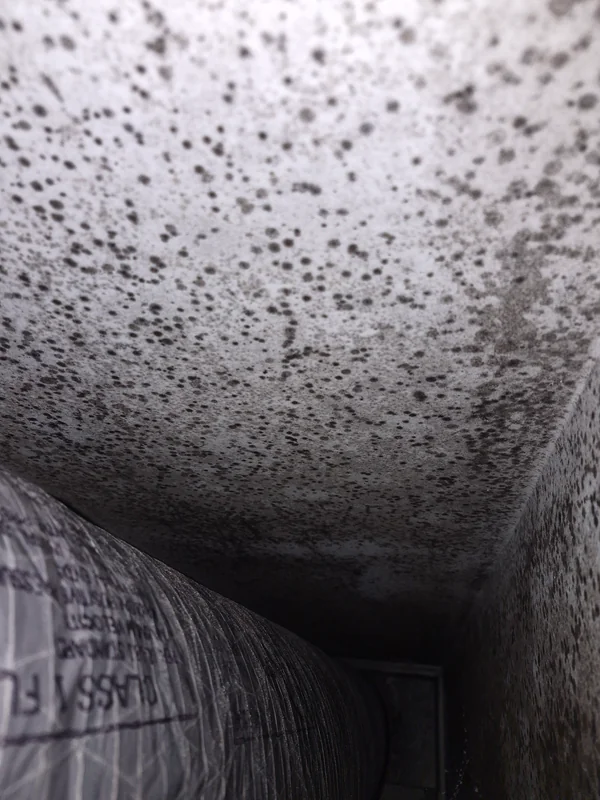
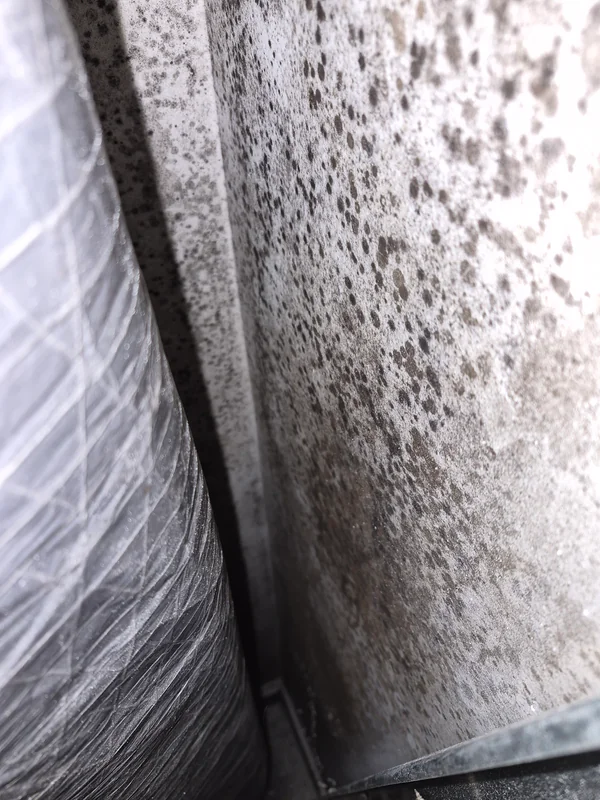
Bensalem Township averages 66% relative humidity in July and August. That’s not a regional generality it’s a local measurement, and it sits above the 60% threshold where mold growth accelerates inside HVAC systems. Every cooling cycle your AC runs during a Bensalem summer creates condensation in the ductwork and on the evaporator coil. Over time, especially in the homes on Farley, Yates, Ashton, and Roberts Roads that were built in the 1960s through the 1990s, that moisture accumulates in places you can’t see and never think to check.
Clean ducts also mean your HVAC system runs more efficiently, which matters when you’re heating or cooling a larger single-family home on a generous lot. But the bigger outcome here isn’t energy savings it’s knowing that the air your family breathes every day has been inspected, tested, and certified clean by someone who actually understands mold, not just ductwork.
We’re based in Bensalem the same township that Glen Ashton Farms calls home. That’s not a coincidence worth glossing over. When you call, you’re not waiting on a crew to drive in from another county. We already know what Bensalem’s humidity does to older HVAC systems, and what Neshaminy Creek flooding does to basements that feed air into those systems.
With over 15 years of certified mold remediation experience, we bring something no general duct cleaner can: the training to identify mold inside your ductwork, contain it properly, remove it without spreading spores, and then test the results to confirm the job is actually done. That last part post-cleaning verification is something most companies skip entirely.
Glen Ashton Farms is described as the most singularly beautiful neighborhood in Bensalem Township, and the homeowners here reflect that. They invest in their properties. They expect the people they hire to do the same.

It starts with a free inspection. Before anything is quoted or scheduled, a certified inspector looks at your HVAC system and ductwork to understand what you’re actually dealing with. In Glen Ashton Farms, where many homes were built between the 1960s and 1990s, that inspection often turns up conditions you had no idea existed original galvanized ductwork that’s been holding moisture for decades, or contamination that traces back to a basement flooding event that happened years ago and was never connected to the HVAC system.
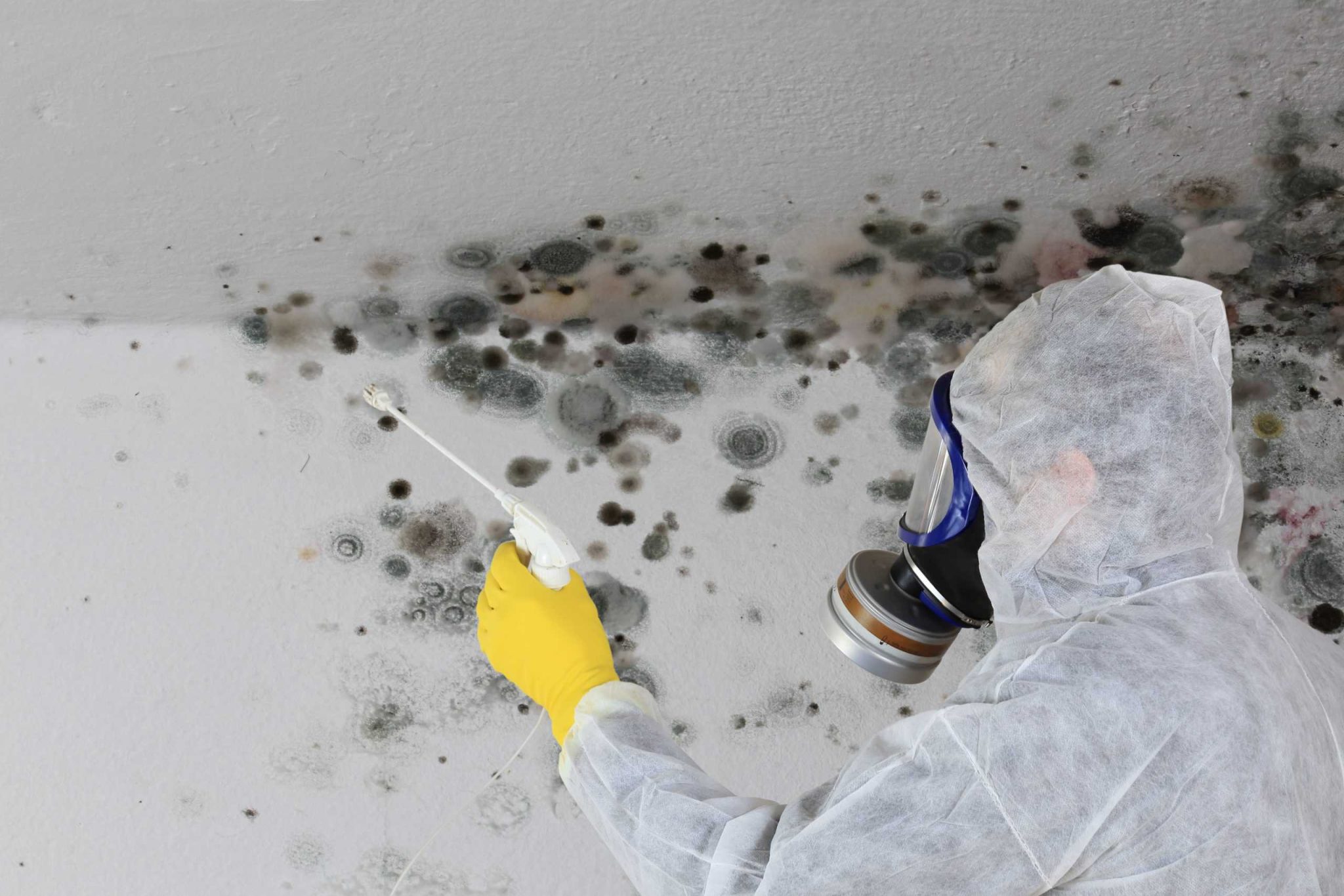
If mold is found, samples are sent to a lab for analysis. That tells us exactly what type of contamination is present and what the right removal strategy looks like. From there, the affected duct sections are contained to prevent spore spread, cleaned using professional-grade equipment, and sanitized with antimicrobial treatment that addresses residual biological contamination not just the visible debris. This is the step that separates a proper mold-focused duct cleaning from a standard HVAC maintenance visit.
After the work is complete, the affected areas are tested again. Not to check a box to confirm the mold is gone. You get documentation of what was found, what was done, and what the post-cleaning results showed. For a homeowner who’s invested $500,000 or more in a Glen Ashton Farms property, that documentation is worth something. It’s proof, not a promise.
Ready to get started?
Air duct cleaning with us covers the full system supply ducts, return ducts, and the components where mold most commonly establishes itself, including the evaporator coil area and drip pan. In Bensalem’s climate, those are the highest-risk zones, and cleaning only the registers while leaving the interior system untouched is the kind of shortcut that leads to the same problem six months later.
Air duct sanitizing is included when mold is involved. Mechanical cleaning removes the physical contamination, but sanitizing applies an EPA-registered antimicrobial treatment to the cleaned surfaces creating an environment where mold can’t easily re-establish. For homes in Glen Ashton Farms that have dealt with basement moisture or post-flooding humidity, that extra layer matters.
Dryer vent cleaning is also available and worth taking seriously in older homes. The NFPA reports nearly 16,000 dryer-related house fires per year, with failure to clean the vent as the leading cause. In homes built in the 1960s and 1970s a significant portion of Glen Ashton Farms dryer vents often run longer distances through walls and floors than in newer construction, and in many cases have never been professionally cleaned. We handle that too, and if your situation involves an insurance claim tied to water damage or mold, we work directly with your insurance company so you’re not navigating that process alone.
The most common sign is a musty smell that appears specifically when your HVAC system kicks on not a general odor in the house, but one that comes and goes with the air handler. You might also notice worsening allergy or asthma symptoms indoors, or see discoloration around the supply registers. Those are surface signs of what’s often a deeper problem.
In Bensalem Township, the conditions for mold growth inside ductwork are present almost year-round. The 66% average relative humidity in July and August creates consistent condensation inside the system during cooling cycles. And in Glen Ashton Farms specifically, where many homes were built in the 1960s through 1990s, the ductwork is often original meaning decades of moisture cycling through materials that were never designed with modern mold-awareness standards in mind. The only way to know for certain is a professional inspection with lab-tested samples, which is exactly where we start.
The honest answer is: it depends on what’s in your ducts. The EPA has a nuanced position on routine duct cleaning they don’t recommend it as a blanket maintenance practice when there’s no specific problem. But they do explicitly recommend cleaning when mold is confirmed inside the system, when there’s evidence of pest or rodent activity, or when significant debris is blocking airflow.
For most Glen Ashton Farms homeowners, the question isn’t whether routine cleaning is worth it it’s whether the specific conditions in your home warrant it. Bensalem’s documented humidity, the age of the housing stock in this neighborhood, and the proximity to Neshaminy Creek flooding zones all push the calculus toward yes. If a certified inspector finds mold in your ductwork, cleaning isn’t optional maintenance. It’s the only way to stop that contamination from circulating through every room in your home every time the system runs.
You can, but it carries real risk. A standard HVAC cleaning company is not trained in mold remediation. When mold is disturbed inside ductwork without proper containment protocols negative air pressure systems, sealed work zones, appropriate protective equipment the cleaning process itself can spread spores throughout the home. You can end up with a worse situation than you started with.
We bring certified mold remediation training to every duct cleaning job. That means containment is set up before anything is disturbed, removal is done in a controlled sequence, and post-cleaning testing confirms the contamination is gone rather than redistributed. In a neighborhood like Glen Ashton Farms, where homes are well-maintained and homeowners have invested significantly in their properties, that distinction matters. A receipt from a general HVAC cleaner is not the same as lab-confirmed, post-remediation verification.
It’s a chain that most homeowners never trace all the way through. When Neshaminy Creek floods which has happened multiple documented times in Bensalem Township, including during the remnants of Hurricane Ida water enters basements and crawl spaces throughout the area. That moisture doesn’t stay in the basement. Your HVAC system draws air from those spaces, pulling humidity into the ductwork where it condenses and creates the dark, damp conditions mold needs to grow.
The problem is that the connection between a flooding event and mold in the ductwork often isn’t obvious until months later, when symptoms appear and the original flood has been long forgotten. If your Glen Ashton Farms home has experienced any basement water intrusion whether from creek flooding, groundwater, or storm drainage the ductwork is one of the first places worth inspecting. Our free inspection is specifically designed to trace that chain and give you a clear picture of what, if anything, made it into the system.
They’re two separate steps that address two different problems. Cleaning is mechanical it physically removes debris, dust, and biological matter from inside the ductwork using professional-grade equipment. Sanitizing is chemical it applies an EPA-registered antimicrobial treatment to the cleaned surfaces to eliminate residual biological contamination and inhibit future mold growth.
If your ducts just have dust and debris buildup, cleaning alone may be sufficient. But when mold is involved which is the common scenario in Bensalem’s humid climate, especially in older Glen Ashton Farms homes cleaning without sanitizing leaves the surfaces in a condition where mold can re-establish relatively quickly. Think of it this way: cleaning removes what’s there now, sanitizing changes the environment so it doesn’t come back as easily. In a home that sits in a township averaging 66% summer humidity, skipping the sanitizing step is a short-term fix at best.
We don’t publish flat-rate pricing because the scope genuinely varies a 1,400 square foot ranch with a simple duct layout is a different job than a 3,000 square foot two-story home in Glen Ashton Farms with original 1970s ductwork and a history of basement moisture. What you can expect is a free inspection upfront and a written quote before any work begins. The price you’re given is the price you pay.
What’s worth knowing is the industry context: NADCA, the professional standard-setting body for air duct cleaning, estimates that a properly done residential cleaning runs between $450 and $1,000 for a typical home. If you’ve seen ads for $99 whole-house duct cleaning, that’s a documented bait-and-switch pattern Consumer Reports and Angi have both covered it extensively. The low number gets someone in the door, and then the upselling starts. Our free inspection and upfront quote exist specifically to eliminate that dynamic. You know what you’re getting before anyone touches your system.
Other Services we provide in Glen Ashton Farms