
Hear from Our Customers
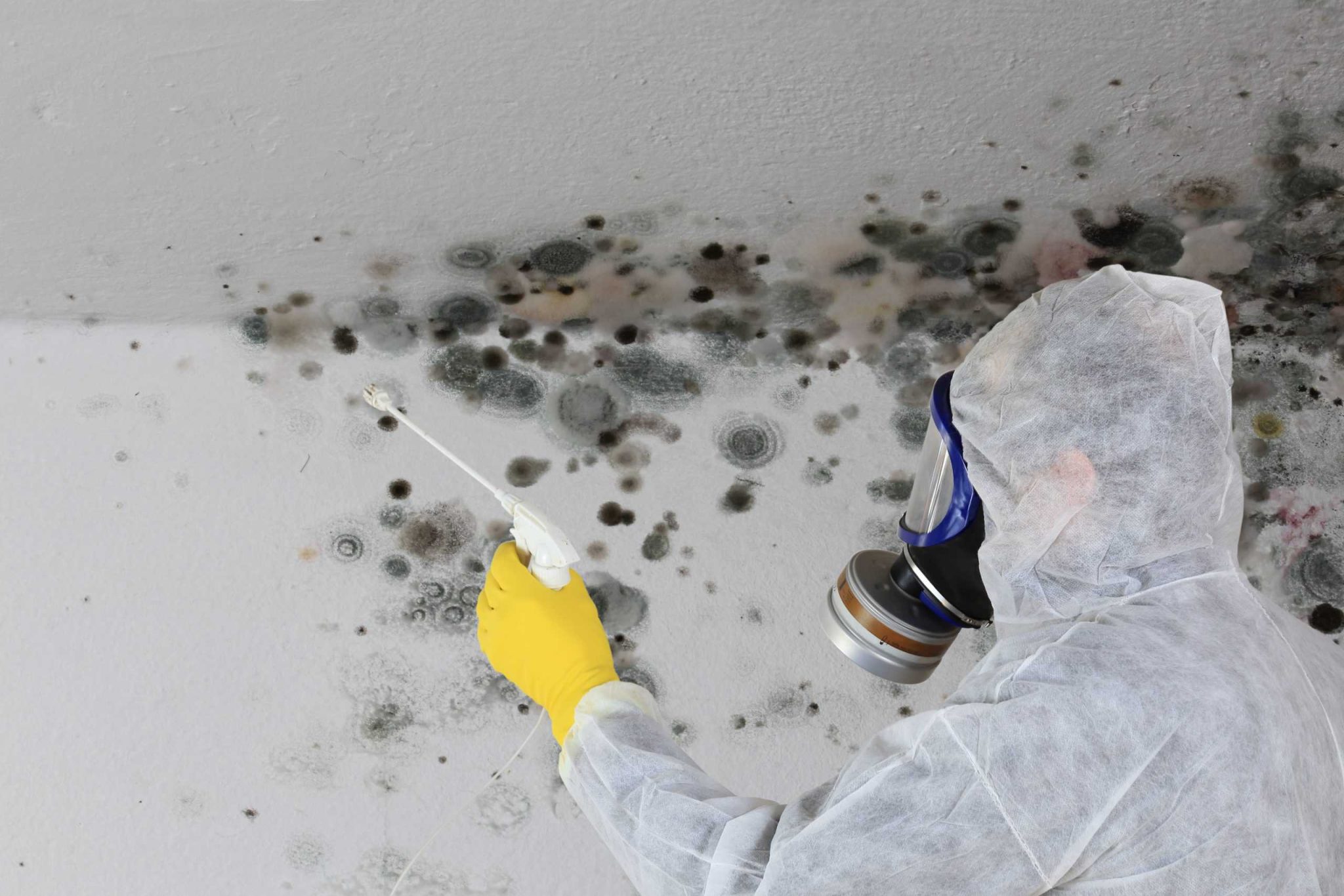
Most people don’t think about their ductwork until something smells wrong. That musty hit of air when the AC kicks on in June, the allergy symptoms that never quite go away those aren’t random. They’re signs that something is growing inside your HVAC system and circulating through every room every time it runs.
For Fishtown specifically, the risk profile is higher than most people realize. Philadelphia’s outdoor humidity already averages around 68%, which is above the threshold where mold growth accelerates. Add in the Delaware River running along the eastern edge of the neighborhood and you’ve got ambient moisture levels that push that number further.
Basement-level HVAC units common in Fishtown rowhouses sit in the exact environment where mold thrives: dark, damp, and rarely inspected. When your ducts are professionally cleaned and inspected by someone who actually specializes in mold, you’re not just getting cleaner air. You’re stopping the spread of something that may have been quietly growing for years.
You know what’s in your system. You have documentation. And if mold was the issue, you have lab-verified proof that it’s gone not just a technician’s word for it.
We’ve been operating in the Philadelphia region for over 15 years, which means working in the exact building types that dominate Fishtown: pre-war rowhouses, converted warehouses, and gut-renovated properties. This isn’t a company that learned what a party wall moisture problem looks like from a textbook.
Based out of Bensalem in Bucks County, we’re a straight shot down I-95 to any address in Fishtown. Our team is certified in mold inspection and remediation which matters here because cleaning ducts that contain mold without proper containment doesn’t fix the problem, it spreads it.
Every job includes a thorough inspection before any work begins, upfront pricing before anything is agreed to, and post-cleaning verification to confirm the job actually worked. Customers consistently mention the same things: the owner is reachable, the price quoted is the price charged, and they felt genuinely informed throughout the process.
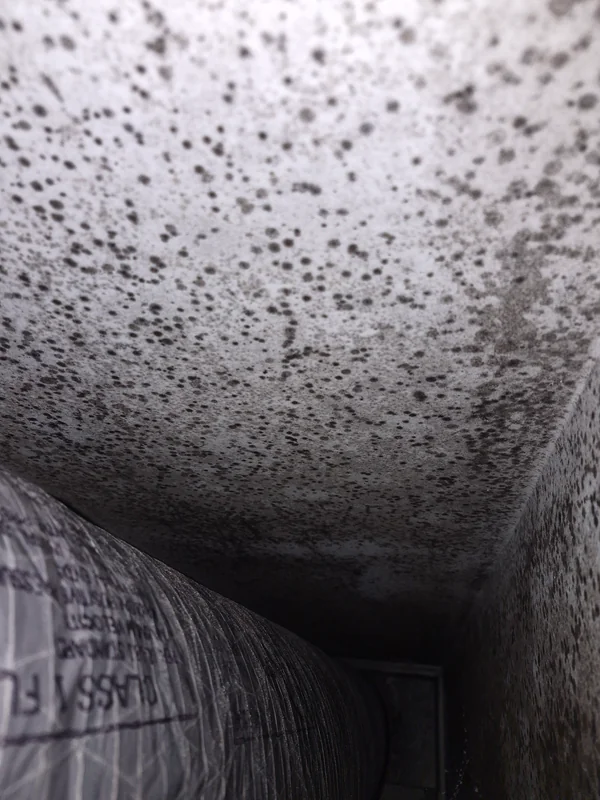
It starts with a free inspection. Before any work is quoted or scheduled, a certified inspector assesses your HVAC system looking at the ductwork, the air handler, and the surrounding environment.
In Fishtown rowhouses, that means checking basement-level equipment for moisture exposure, examining duct sections that run through shared wall cavities, and identifying whether what’s in the system is dust and debris or something biological that requires a different approach entirely.
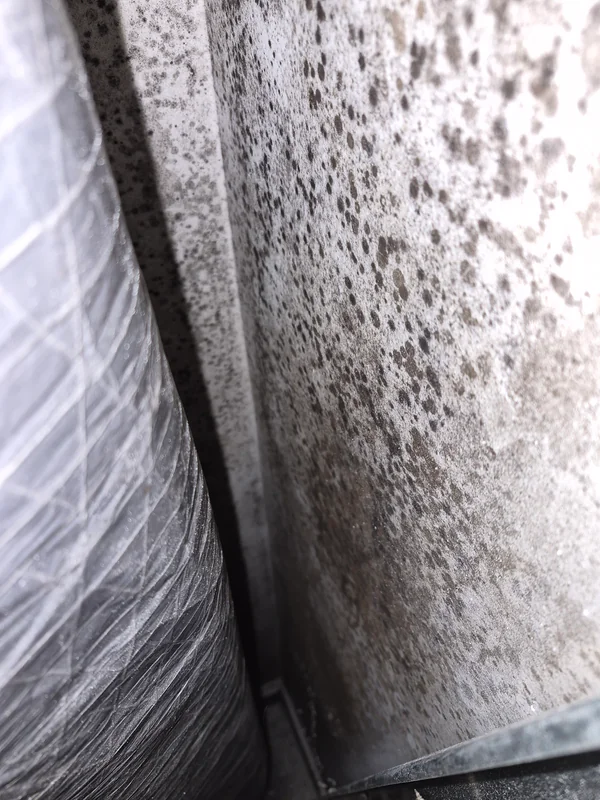
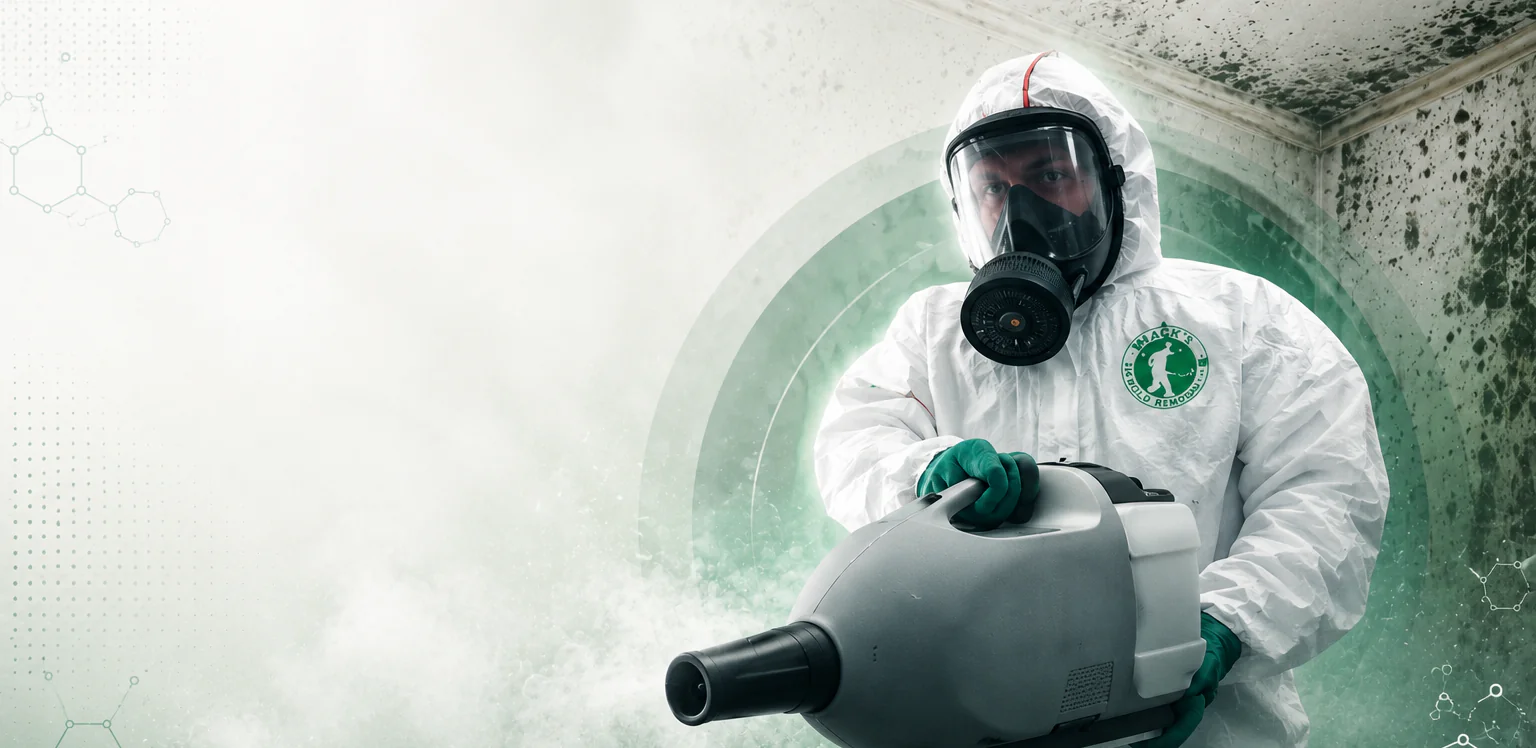
If mold is found, the process shifts accordingly. Containment comes first sealing off the affected areas so that cleaning doesn’t push spores into the rest of the home. This is the step most general duct cleaners skip, and it’s the step that matters most in a dense rowhouse neighborhood where a contamination event in one unit can affect adjacent properties through shared walls.
The cleaning itself uses professional-grade equipment that reaches deep into the duct system, not just the registers you can see. After the job is done, we test the affected areas to confirm the mold is actually gone. You get documentation.
Philadelphia requires HVAC contractors to carry proper licensing and insurance for this type of work we operate in full compliance with the city’s requirements, so there’s no risk of voiding your homeowner’s insurance or running into issues if you ever sell the property.
Ready to get started?
Air duct cleaning and air duct sanitizing are not the same thing, and in a neighborhood with Fishtown’s moisture profile, the distinction matters. Cleaning is the mechanical process removing dust, debris, and biological buildup from inside the duct system using professional equipment. Sanitizing applies an antimicrobial treatment to address what cleaning alone can’t fully eliminate on its own.
For a home with no confirmed mold issue and a relatively clean system, cleaning alone may be sufficient. But in Fishtown’s environment older building stock, higher ambient humidity, basement HVAC systems in moisture-prone spaces if mold has been identified in the ductwork, sanitizing is the step that keeps it from coming back quickly.
Dryer vent cleaning is also part of our service offering, and it’s worth taking seriously in Fishtown’s attached rowhouse blocks. The NFPA reports nearly 16,000 dryer-related house fires annually, with failure to clean vents as the leading cause. In a neighborhood where homes share walls and a fire in one unit puts an entire row at risk, this isn’t a maintenance suggestion it’s a fire prevention measure.
For Fishtown homeowners navigating a mold situation that involves an insurance claim, we work directly with insurance companies to simplify the process. Flexible financing is also available for jobs where the scope is larger than expected. The inspection is free, the pricing is upfront, and there are no hidden fees added after the fact.
The most common sign is a musty smell that appears specifically when your HVAC system kicks on not a general odor in the home, but one that comes and goes with the air. You might also notice allergy or respiratory symptoms that seem worse indoors than outside, or visible discoloration around vent registers.
In Fishtown’s older rowhouses, basement-level HVAC units are particularly vulnerable because they sit in environments where moisture already pools from aging foundations and clay soil. The system pulls that damp air through the equipment and into the ductwork.
The only way to know for certain is a professional inspection with lab testing of any samples collected. A visual check of the register covers tells you almost nothing mold grows in the interior sections of ductwork that you can’t see without equipment. We offer free inspections, so you can get a real answer without committing to anything upfront.
Possibly, yes and this is one of the more common misconceptions in Fishtown’s active renovation market. New ductwork installed inside an old building doesn’t neutralize what was already living in the surrounding structure. If the renovation disturbed decades of accumulated material in wall cavities or ceilings, those particles and biological contaminants can enter a brand-new duct system from day one.
If the new HVAC runs through spaces that still have unresolved moisture issues from the original foundation which is common in pre-war rowhouses even after a full renovation the system can develop mold before the first year is out.
A post-installation inspection is the only way to confirm whether the new system is actually clean. It’s a straightforward process and far less expensive than discovering a mold problem after the fact, especially in a home where you’ve already invested significantly in the renovation.
It contributes to it, yes. Philadelphia’s average outdoor relative humidity already sits around 68%, which is above the 60% threshold where mold growth accelerates. In a waterfront neighborhood like Fishtown, ambient moisture levels run higher than in inland parts of the city.
That elevated baseline affects everything the air your HVAC system pulls in, the moisture that condenses inside ductwork during seasonal temperature swings, and the conditions inside basement-level mechanical rooms where equipment is often housed. This doesn’t mean every home near the Delaware River has mold in its ducts. It means the conditions that allow mold to develop are more consistently present here than in other parts of the region.
Routine HVAC inspection and cleaning is more important in Fishtown than it would be in a drier inland environment, particularly for homes with older ductwork or systems that haven’t been serviced in several years.
Yes, and this is specific to Philadelphia it’s not a statewide requirement in Pennsylvania, but the City of Philadelphia has its own HVAC contractor licensing requirements administered through city agencies. Work performed by an unlicensed contractor can void your homeowner’s insurance policy and create complications if you ever sell the property or file a claim related to the work.
The city also requires mechanical permits for certain types of HVAC work, with minimum fees starting at $189. This is worth asking about before you hire anyone. We operate in full compliance with Philadelphia’s licensing and insurance requirements, which means you’re covered if anything comes up after the job. It’s one of the reasons working with a company that has 15 years of experience in the Philadelphia region rather than a lead-generation site dispatching whoever is available actually matters here.
Industry guidance generally points to every three to five years for a typical home, but that baseline assumes a relatively standard environment. Fishtown rowhouses don’t fit that profile. Pre-war construction, shared party walls, basement-level HVAC equipment, and the neighborhood’s elevated ambient humidity all push toward the shorter end of that range.
If you’ve recently had any water intrusion a basement flood, a plumbing leak, a roof issue during a nor’easter that warrants an inspection sooner regardless of when the last cleaning was done. New homeowners in Fishtown should treat an HVAC inspection as part of the move-in process, not something to schedule eventually. You typically have no way of knowing when the previous owner last had the system serviced, and in a neighborhood where 78% of homes predate 1940, the answer is often “not recently enough.” A free inspection gives you a baseline so you’re not making decisions blind.
Cleaning and sanitizing are two separate steps that address two different problems. Cleaning is the mechanical process removing dust, debris, and biological buildup from inside the duct system using professional equipment. Sanitizing is what comes after: applying an antimicrobial treatment to kill remaining biological contaminants that the physical cleaning process doesn’t fully eliminate on its own.
For a home with no confirmed mold issue and a relatively clean system, cleaning alone may be sufficient. But in Fishtown’s environment older building stock, higher ambient humidity, basement HVAC systems in moisture-prone spaces if mold has been identified in the ductwork, sanitizing is the step that keeps it from coming back quickly. Skipping it after a mold-positive cleaning is a bit like washing a wound without treating it. We’ll tell you honestly which services your system actually needs based on what the inspection finds not what generates the highest invoice.
Other Services we provide in Fishtown