
Hear from Our Customers

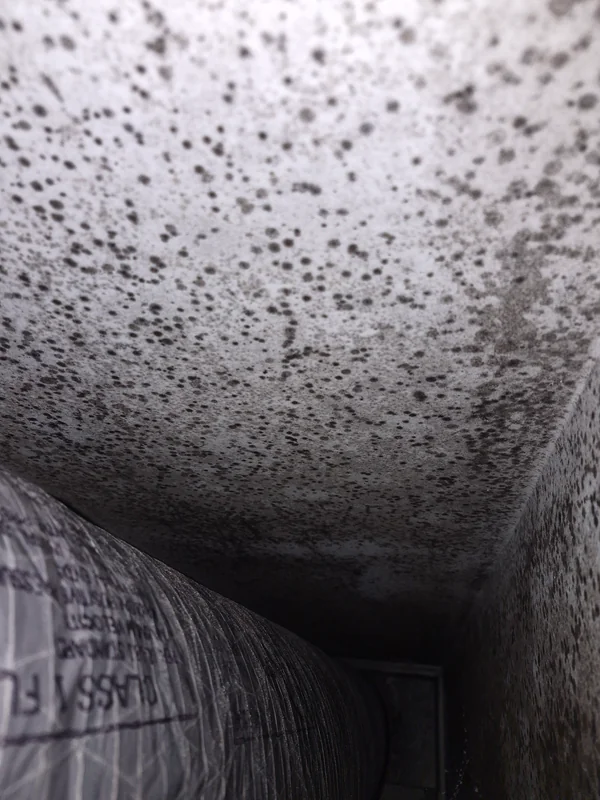
The most immediate thing most people notice is the smell or more accurately, the absence of it. That faint mustiness that kicks on with the heat or the AC, the one you’ve half-convinced yourself is normal? It’s not. When mold or years of accumulated debris gets cleared out of your duct system properly, that smell goes with it.
For homes in Elephant and the Lake Nockamixon corridor, this matters more than it would in a newer suburban neighborhood. The creek network running through Bedminster Township Deep Run, Mink Run, Deer Run, Cabin Run keeps the ground saturated for much of the year. Bucks County already gets about 49 inches of rain annually, well above the national average, and properties adjacent to a 1,450-acre reservoir sit in an even more humidity-loaded environment. That ambient moisture finds its way into duct systems through joints, crawl space connections, and return air intakes. In the dark interior of a duct, that’s all mold needs.
Beyond the smell, people with kids or anyone dealing with persistent allergy symptoms often notice real improvement in how the home feels after a proper cleaning. That’s what happens when you stop circulating contaminated air through every room in the house with every heating and cooling cycle.
We’ve been doing this work in Bucks County for over 15 years. The difference between Mack’s Mold Removal and a general duct cleaning company isn’t just the equipment it’s the understanding of what’s actually happening inside the system. A duct cleaner who doesn’t specialize in mold can disturb a contaminated section and spread spores through the rest of the house without realizing it. That’s a real risk, and it’s one we’re trained to prevent.
We serve all of Bucks County, which means we make the drive out to Elephant and the communities around Nockamixon State Park that larger franchise operations sometimes treat as outside their useful range. This isn’t a call center dispatching whoever’s available. When you call, you’re reaching someone who knows the county, knows the conditions in Elephant specifically, and has been doing this work long enough to have seen what years of moisture exposure does to an older home’s duct system.
We also work directly with insurance companies when mold damage is involved, and we offer flexible financing so the cost of getting it done right doesn’t become a reason to wait.

It starts with a free inspection. Before any cleaning begins, we take a real look at what’s going on inside your system not a quick glance at the register, but an actual assessment of the ductwork, the HVAC components, and any areas where moisture has had a chance to do damage. In older homes around Elephant and Bedminster Township, that often means looking closely at retrofit duct runs that were added to structures never designed for central HVAC places where gaps and loose connections have been quietly collecting moisture and debris for decades.
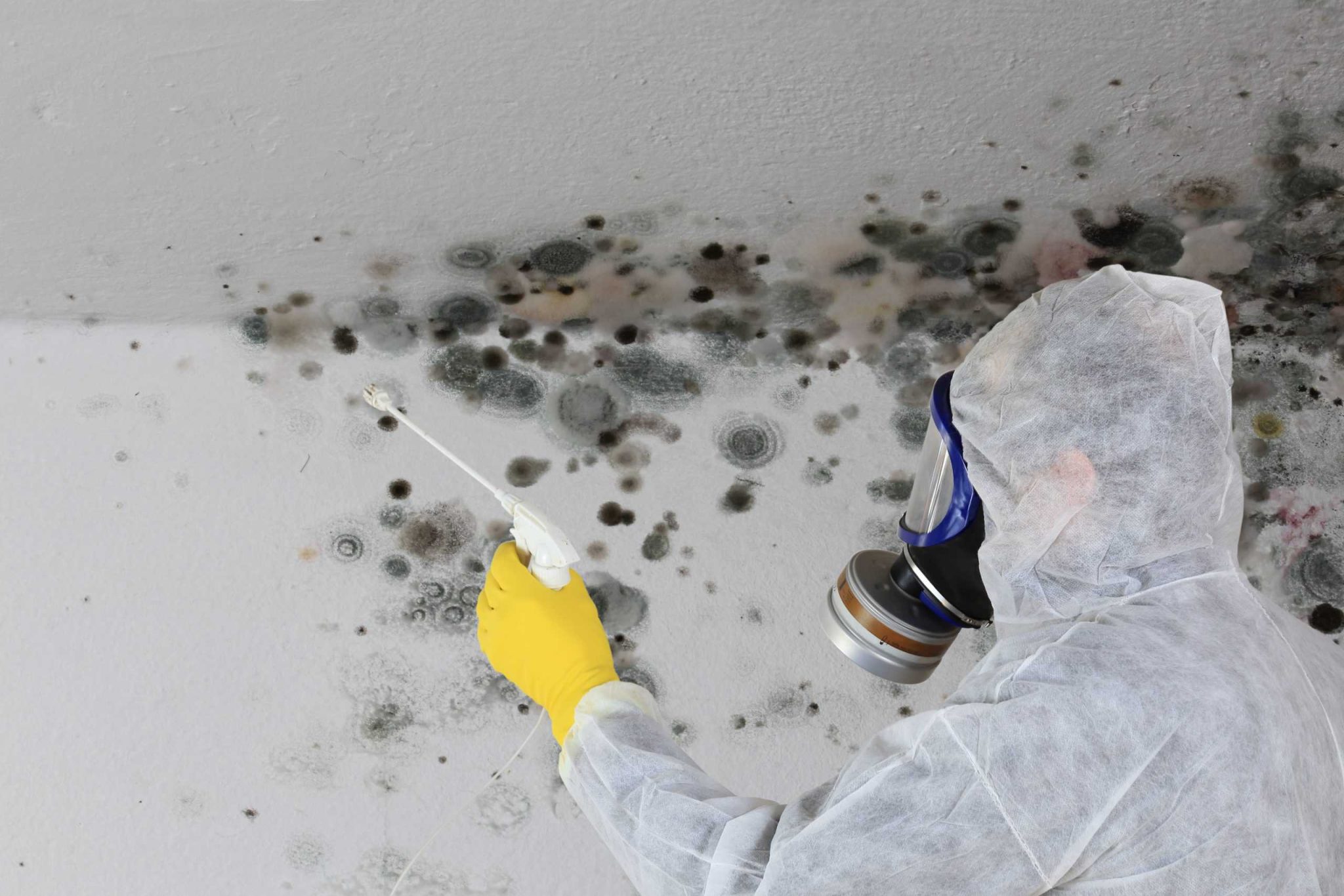
If mold is found, our approach shifts to remediation protocol, not just cleaning. That means containment first preventing spores from spreading to unaffected parts of the house while the work is done. We use lab testing to identify what type of mold is present, which determines the right removal strategy. This isn’t guesswork or a one-size approach.
After the cleaning and any necessary remediation, we test the affected areas again to confirm the mold is actually gone. That post-job verification step is something most companies skip they clean and leave. Getting a lab result that confirms the work held up is the difference between hoping it’s fixed and knowing it is. For a home in Elephant where moisture exposure from the lake and surrounding creeks is ongoing, that confirmation matters.
Ready to get started?
Air duct cleaning covers both the supply and return sides of your duct system. Any company that only cleans one side is doing half a job and in a high-humidity environment like Elephant, leaving the return ducts untouched means leaving the primary pathway for outdoor air and everything it carries completely unaddressed.
Air duct sanitizing is a separate step that follows mechanical cleaning. Once the physical debris and mold are removed, an antimicrobial treatment is applied to the interior surfaces of the ductwork. For homes in Elephant, where elevated ambient humidity and proximity to Lake Nockamixon contribute to a higher baseline mold spore load, the sanitizing step isn’t optional maintenance it’s what keeps the system from re-colonizing within a season or two.
Dryer vent cleaning is also part of what we handle, and it’s worth taking seriously. Older homes and farmhouses in Bedminster Township often have longer vent runs than a standard suburban layout longer runs accumulate lint faster, restrict airflow more significantly, and are harder to clear without professional equipment. The NFPA reports roughly 15,970 dryer-related house fires per year, and failure to clean the vent is the leading cause. That’s a documented fire safety issue that’s easy to prevent and easy to overlook. We address all of it in one visit.
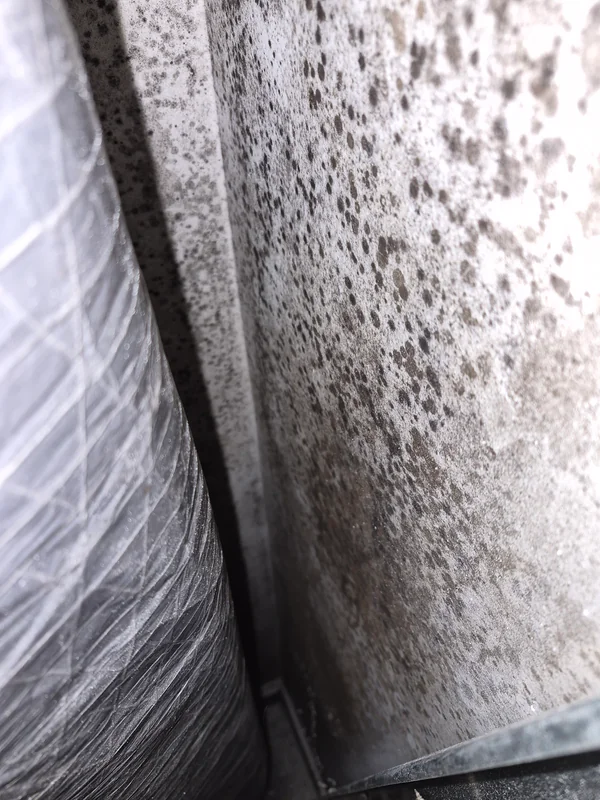
Yes. Lake Nockamixon is a 1,450-acre reservoir, and Elephant sits directly on its southeastern shore. The surrounding creek network Deep Run, Mink Run, Deer Run, Cabin Run keeps the ground in this part of Bedminster Township consistently saturated through much of the year. When ambient outdoor humidity is elevated, your HVAC system draws that moisture-laden air in through its return intakes. Inside the ductwork, where surfaces are cooled by the air conditioning in summer, that moisture condenses. In the dark interior of a duct, condensation plus organic debris equals a mold-friendly environment.
This isn’t a theoretical risk for homes in Elephant it’s the predictable result of the geography. Bucks County already receives about 49 inches of rain per year, well above the national average, and properties in the Lake Nockamixon corridor sit in an even more moisture-concentrated microenvironment. A certified inspection will tell you whether the conditions inside your system have crossed the threshold where cleaning or remediation is warranted.
The most common sign people notice first is a musty smell that appears when the HVAC system kicks on not all the time, but specifically when air starts moving through the ducts. If the smell fades after a few minutes and then comes back the next time the system runs, that’s a pattern worth paying attention to. Visible discoloration around vent registers is another indicator, though by the time you can see something at the register, the problem in the interior of the duct system is often more significant than what’s visible.
The only way to know for certain is an inspection. We offer free inspections in Elephant and throughout Bucks County, which means you don’t have to guess or commit to anything before you have real information. If mold is present, samples are sent to a lab for analysis not just a visual assessment, but actual testing that identifies what you’re dealing with. That’s the starting point for determining whether cleaning alone is sufficient or whether remediation is needed.
It does, and it’s one of the more important things to understand before hiring anyone for this work. Older homes in and around Elephant many of which predate the mid-1900s, and some of which were built before 1850 were not originally designed for central HVAC. When ductwork was retrofitted into these structures, it was often run through existing wall cavities, crawl spaces, and basement areas that weren’t built with airtight sealing in mind. That means older duct systems in this area are more likely to have gaps, loose connections, and moisture infiltration points that a modern installation wouldn’t have.
In practice, this means a proper inspection of an older home in Elephant needs to account for the full history of the system not just what’s visible at the registers. Our approach starts with a thorough assessment before any cleaning begins, specifically because homes with retrofitted ductwork require a more careful look at where the system is vulnerable. The cleaning process itself doesn’t change dramatically, but knowing what you’re working with before you start is essential to doing it right.
They’re two different steps, and they address two different problems. Cleaning is the mechanical process using professional equipment to remove physical debris, dust, and mold from inside the duct system. Sanitizing is what comes after: applying an antimicrobial treatment to the interior surfaces of the ductwork to kill any remaining biological material that the cleaning process dislodged or left behind.
Whether you need both depends on what’s found during the inspection. If the issue is primarily dust and debris with no mold present, cleaning alone may be sufficient. But if mold is confirmed which is a realistic finding in homes in Elephant given the moisture exposure from Lake Nockamixon and the surrounding creek system sanitizing is the step that addresses the biological contamination at the surface level and reduces the likelihood of re-growth. For homes in this area, where elevated humidity is an ongoing condition rather than a one-time event, skipping the sanitizing step often means the problem comes back faster than it should.
For most homes, a thorough professional air duct cleaning takes somewhere between four and six hours. That’s the industry standard for a job done correctly both the supply and return sides of the duct system, not just a pass through the registers. If mold remediation is needed alongside the cleaning, the timeline extends depending on the scope of what’s found.
For older homes in Elephant and Bedminster Township, the timeline can run toward the longer end of that range. Homes with retrofitted ductwork, stone construction, or complex layouts that were modified over decades often have systems that take more time to assess and clean properly than a straightforward suburban build. We start with a free inspection that gives you a realistic picture of what the job involves before any work begins so you’re not getting a four-hour quote that quietly becomes an eight-hour bill. The inspection is where the scope gets defined, and that’s where the honest conversation happens.
It’s a legitimate fire safety issue, not a comfort upgrade. The National Fire Protection Association reports roughly 15,970 home structure fires per year involving dryers, and the leading cause is failure to clean the vent. Lint accumulates in the vent line over time, restricts airflow, causes the dryer to overheat, and in the right conditions, ignites. This is the most common dryer-related fire scenario.
For homes in Elephant and around Bedminster Township, this is worth taking more seriously than it might be in a newer suburban development. Older farmhouses and rural properties in this area often have longer dryer vent runs than a standard layout, because the laundry room may be positioned far from an exterior wall, or the home was modified over the years in ways that extended the vent path. Longer runs accumulate lint more quickly and are harder to clear with a standard brush kit from the hardware store. We use professional equipment that reaches the full length of the run and confirms the vent is clear and properly exhausting something a DIY attempt can’t reliably verify.
Other Services we provide in Elephant