
Hear from Our Customers
There’s a specific kind of frustration that comes with living in a beautiful historic home and wondering why the air inside never quite feels right. You’ve maintained the property. You’ve taken care of the things you can see. But the inside of your ductwork is a different story and in Durham Furnace, the conditions that make this area so appealing are the same ones that make HVAC contamination a real, ongoing problem.
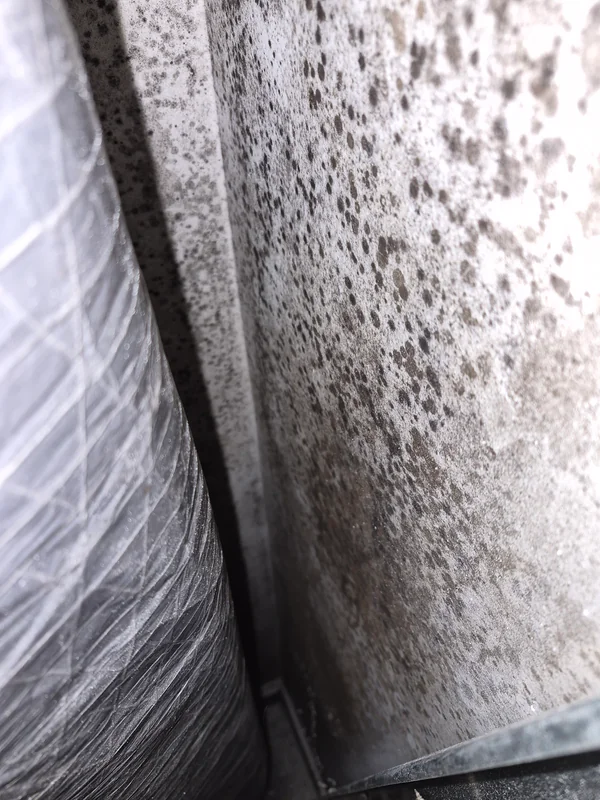
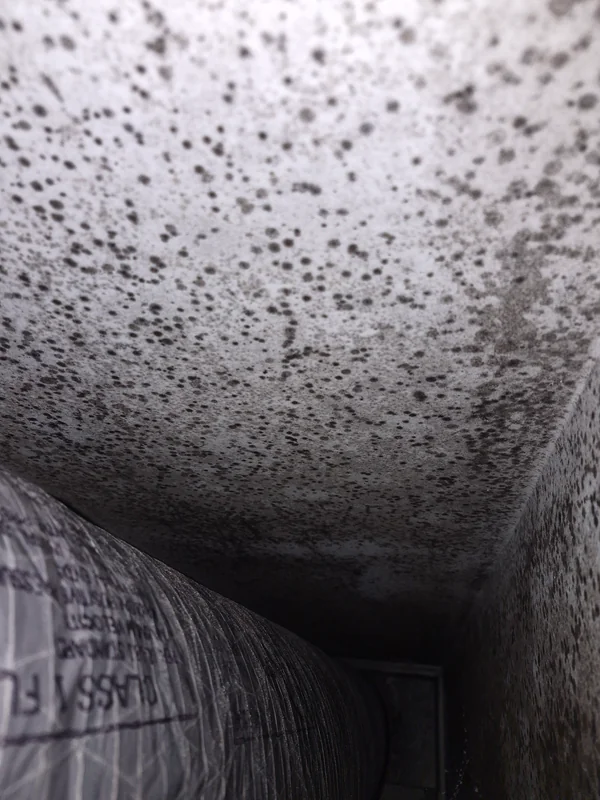
Durham Furnace sits directly along the Delaware Canal State Park corridor, with Cooks Creek running through the heart of the township. Bucks County already gets close to 49 inches of rain a year well above the national average and the homes along Route 611 near the canal sit in some of the most moisture-saturated ground in the county. Every time your air conditioning runs, it pulls warm, humid air across cool metal duct surfaces. That’s the exact environment where mold takes hold, and once it’s in your ductwork, every cycle of your system sends it into every room.
After a proper cleaning, the difference isn’t subtle. The musty smell that kicks on with the heat or AC goes away. People in the house with allergies or respiratory issues notice it. You stop wondering what’s circulating through the air and start knowing it’s clean. For a home that may have been standing since the early 1800s and has ductwork retrofitted into original stone walls and irregular framing, that peace of mind is worth more than any number on a quote.
We’ve been serving all of Bucks County for over 15 years, and Durham Furnace is already part of that coverage not as an afterthought, but as a named community with dedicated service pages for mold remediation, mold testing, mold inspection, and air quality testing. This air duct cleaning page extends our existing footprint into a service category where no local competitor has yet shown up specifically for this community.
What sets us apart isn’t just the certifications or the equipment it’s the fact that we approach air duct cleaning as mold remediation specialists, not general HVAC technicians. That distinction matters enormously when your home sits in the Delaware River corridor and your ductwork runs through 200-year-old stone walls. A general duct cleaner vacuums what they can reach. We identify what’s actually growing in there, contain it properly, and verify the results with lab testing after the job is done.
You’re not taking anyone’s word for it. You get proof.

It starts with a free inspection. Before any work begins, we assess your system looking at duct condition, moisture levels, and any visible signs of mold or contamination. In Durham Furnace’s older housing stock, this step matters more than it does in a newer suburban build. Retrofitted ductwork in historic farmhouses and Colonial Revival properties often has irregular runs, tight passages through original framing, and sections that haven’t been accessed since the renovation. The inspection finds what’s actually there before anyone starts cleaning.
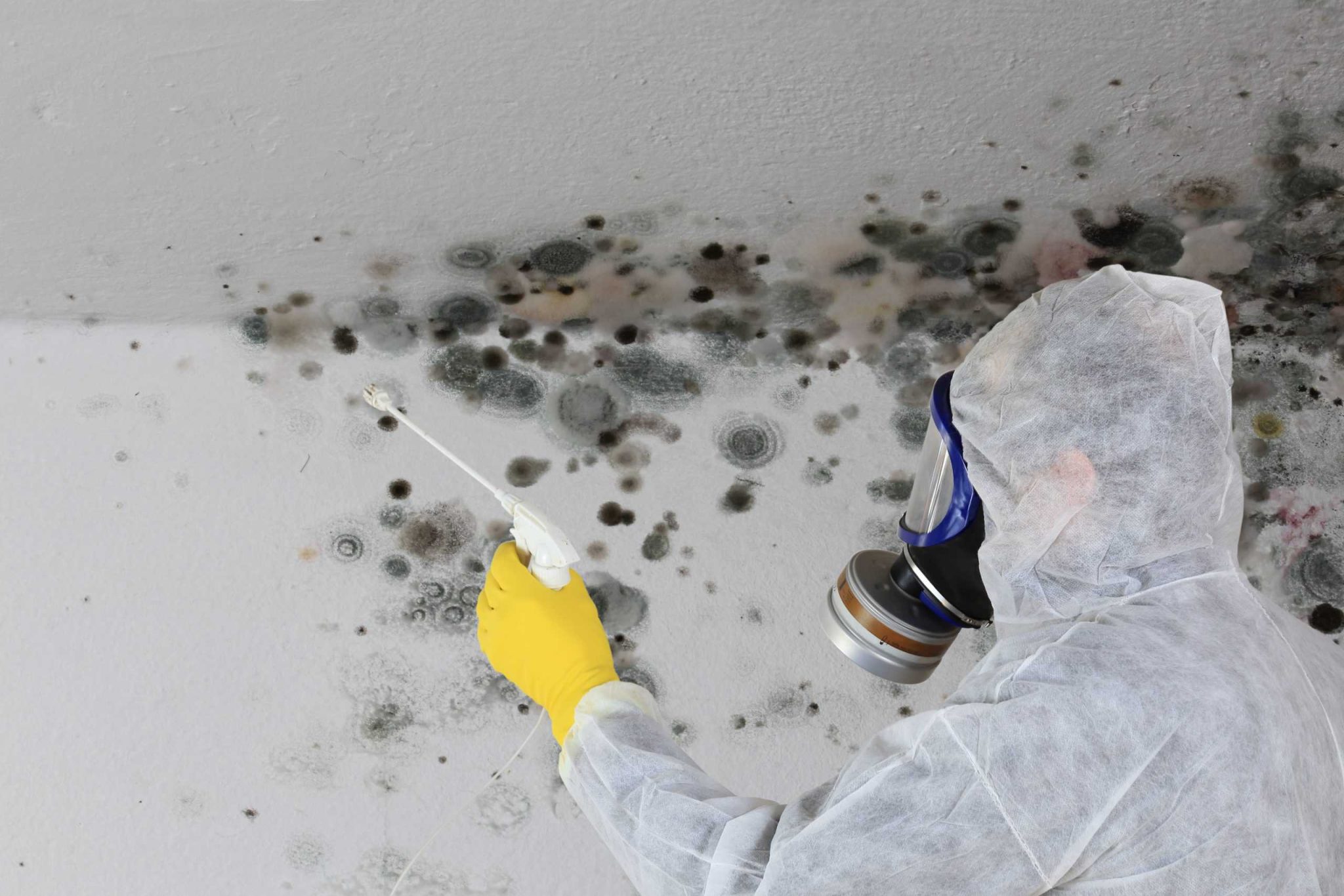
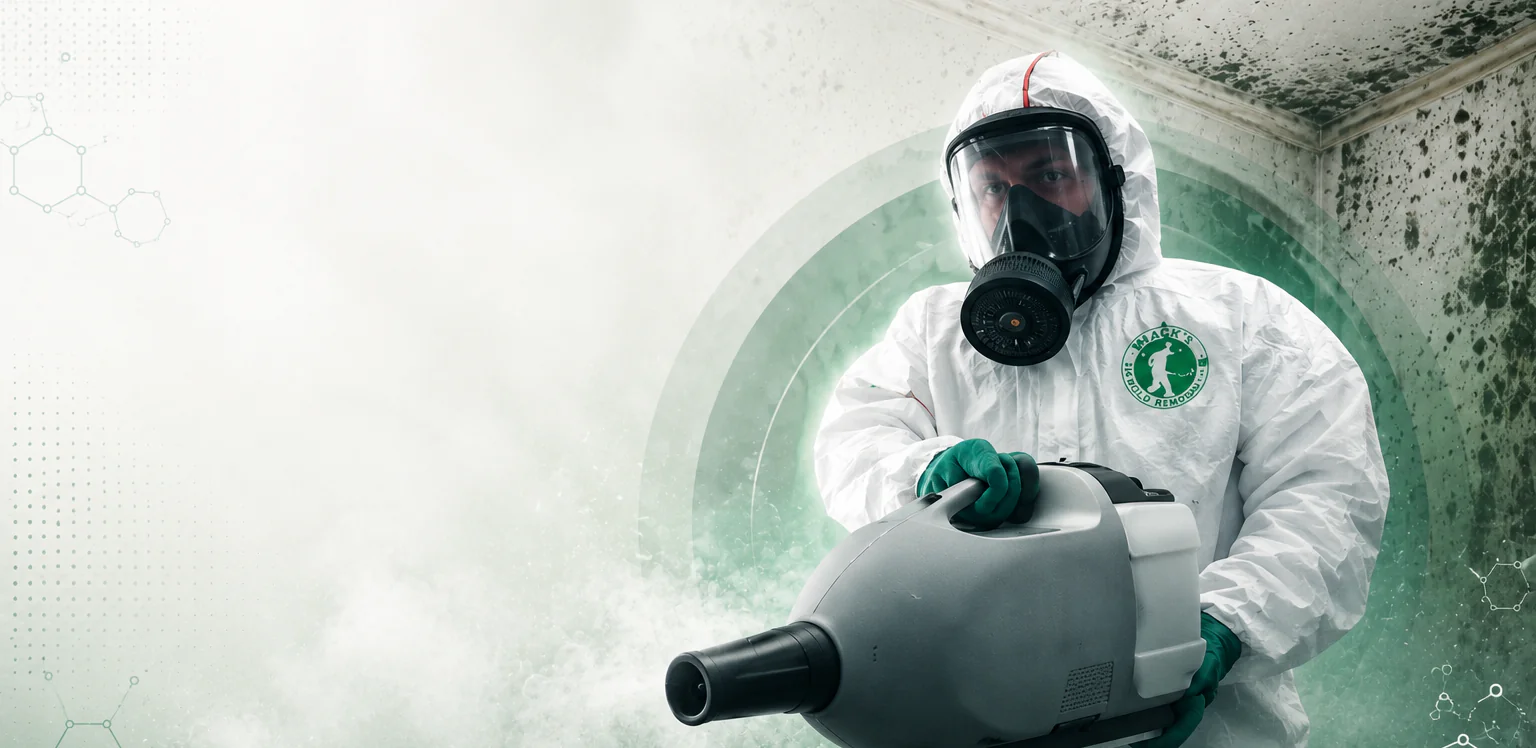
Once the scope is clear, the cleaning itself uses professional-grade negative air pressure equipment and HEPA vacuuming not the kind of setup you can rent or replicate with a shop vac. Both supply and return ducts are addressed. If mold is identified during the process, our containment protocols prevent spores from being disturbed and spread through the home during cleaning a critical step that general duct cleaners aren’t trained or equipped to handle. Air duct sanitizing, which applies antimicrobial treatment after mechanical cleaning, is available as an additional step when mold contamination has been confirmed.
The job finishes with post-cleaning verification. We test the affected areas after the work is complete to confirm the mold is gone not just cleaned around. For a Durham Furnace home with persistent moisture pressure from the canal corridor and Cooks Creek, that verification step isn’t optional. It’s the only way to know the job actually worked.
Ready to get started?
Air duct cleaning is the core of what we do on these jobs, but it’s rarely the only thing a Durham Furnace home needs. Dryer vent cleaning is a separate service that often gets overlooked and in older homes with non-standard vent configurations, it carries real consequences. The NFPA reports nearly 16,000 dryer-related house fires per year nationwide, and failure to clean the vent is the leading cause. In a historic Durham Furnace farmhouse where the dryer vent may run a long path through original stone walls or a retrofitted utility space, lint accumulates faster and the risk is higher than in a home built with a straight shot to an exterior wall.
Air duct sanitizing is available for situations where mold has been confirmed in the ductwork. Cleaning removes the physical contamination; sanitizing applies an antimicrobial treatment to address what mechanical cleaning alone can’t fully eliminate. These are two distinct steps, and both matter when you’re dealing with a mold-in-HVAC situation rather than routine dust buildup.
We also work directly with insurance companies when mold-related duct cleaning is part of a larger water damage or remediation claim which is relevant for homes in Durham Township’s lower-elevation areas along Route 611 that are closer to the Delaware River floodplain. If you’ve already had mold remediated elsewhere in the home and haven’t addressed the ducts, that’s the conversation worth having first.
The most common sign is a musty smell that appears specifically when your heating or air conditioning kicks on and then fades when the system shuts off. That’s the ductwork distributing whatever is growing inside it. Other signs include worsening allergy or respiratory symptoms that seem tied to being indoors, visible discoloration around vent registers, or a general sense that the air in the house feels stale even with windows open.
In Durham Furnace specifically, the geography works against you. Homes along Route 611 near the Delaware Canal sit in a moisture corridor that keeps ambient humidity elevated year-round. When your AC runs during a humid Bucks County summer, condensation forms on the interior surfaces of your ductwork and that’s the environment where mold establishes itself. The only way to know for certain is a professional inspection. We offer free inspections, so there’s no financial commitment to finding out what’s actually in there.
This is a fair question, and the honest answer is: it depends on what’s in your ducts. The EPA has a nuanced position on routine duct cleaning they acknowledge that for a home with no specific contamination problem, the evidence on air quality improvement is mixed. But that nuance comes with a clear exception: when mold is confirmed in the duct system, the EPA explicitly recommends cleaning. That’s a different situation than cleaning ducts that are just dusty.
For most Durham Furnace homeowners, the question isn’t whether to clean ducts on a fixed schedule it’s whether the specific conditions in your home warrant it now. If you’ve had water intrusion, noticed a musty HVAC smell, had mold remediated elsewhere in the house, or can’t remember the last time the ducts were touched, those are real reasons to have someone take a look. The free inspection removes the guesswork.
Yes, and this is one of the more common situations we encounter in upper Bucks County. When a historic Durham Furnace farmhouse gets renovated, the focus is typically on the visible work the kitchen, the bathrooms, the structural elements. Ductwork is retrofitted into whatever space is available, which in an 18th or 19th century stone structure often means irregular runs through tight passages that are difficult to access and impossible to visually inspect without professional equipment.
The concern isn’t just what was in the ducts before the renovation. It’s what happened to them during it. Renovation work stirs up dust, debris, and existing contamination throughout a home. If the ducts weren’t sealed and cleaned as part of the renovation process which they usually aren’t they absorbed all of that. Add Durham Township’s chronic moisture conditions from the Delaware Canal corridor and Cooks Creek, and you have a real case for finding out what’s in there.
They’re two separate steps that address two different problems. Air duct cleaning is the mechanical process using negative air pressure and HEPA vacuuming to physically remove dust, debris, and biological material from the interior surfaces of your ductwork. Air duct sanitizing is what comes after: applying an antimicrobial treatment to kill any remaining mold spores, bacteria, or biological contaminants that the mechanical cleaning process doesn’t fully eliminate.
Whether you need both depends on what’s in your ducts. If the inspection finds mold, you need both. Cleaning removes the visible contamination; sanitizing addresses the microscopic residue that remains on duct surfaces after cleaning. If the inspection finds only dust and debris with no biological contamination, cleaning alone may be sufficient. We make that determination during the inspection phase, so you’re not paying for a step you don’t need but you’re also not skipping one you do.
The industry standard recommendation from NADCA is every three to five years for a typical home. But Durham Furnace is not a typical environment, and the homes here aren’t typical homes. A circa-1800 stone farmhouse with retrofitted ductwork, sitting in the Delaware River corridor where Bucks County’s above-average rainfall and the Delaware Canal’s year-round moisture keep ambient humidity elevated that home has a different baseline than a 1990s suburban build in central Bucks County.
For homes in Durham Township, the more useful framing is to base cleaning timing on conditions rather than a fixed calendar. If you’ve had any water intrusion, noticed a musty smell from the vents, had mold addressed elsewhere in the house, or can’t confirm the ducts have ever been cleaned, those are the triggers. The three-to-five-year guideline assumes a home without active moisture pressure. If your home has it and many in Durham Furnace do the interval should be shorter and the inspection should happen sooner.
Durham Furnace is already part of our active service area not as a general “we cover all of Bucks County” claim, but with dedicated service pages specifically for this community covering mold remediation, mold testing, mold inspection, and air quality testing. This air duct cleaning page is an extension of that existing presence.
Durham Furnace sits at the northeastern tip of Bucks County, and it’s true that some service providers effectively exclude the area by quoting long travel times or simply not showing up when called. Our 24/7 availability and confirmed coverage of all of Bucks County means that’s not a concern here. Multiple customer reviews specifically mention same-day or next-day response, and that responsiveness applies to Durham Township the same as it does to any other part of the county. If you’re in a community this small and this remote, knowing your service provider will actually show up and that the owner is personally involved matters more than it does anywhere else.
Other Services we provide in Durham Furnace