
Hear from Our Customers
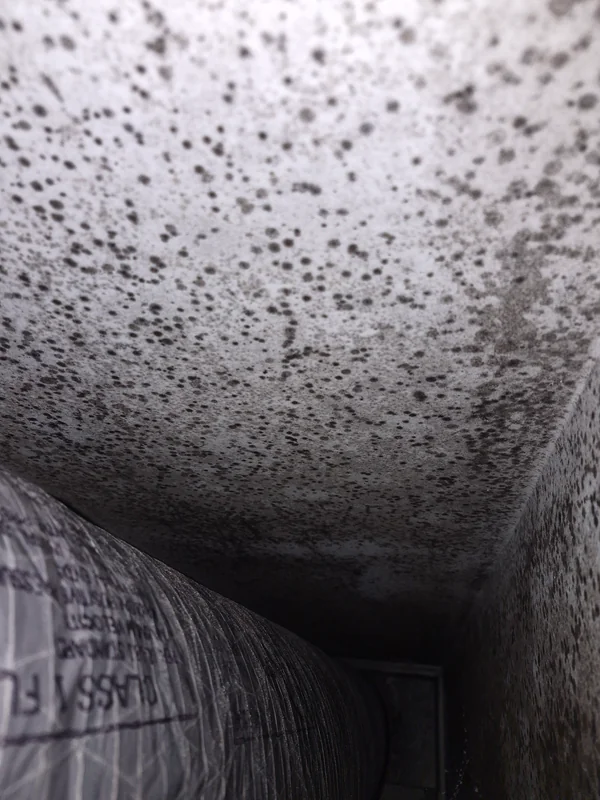
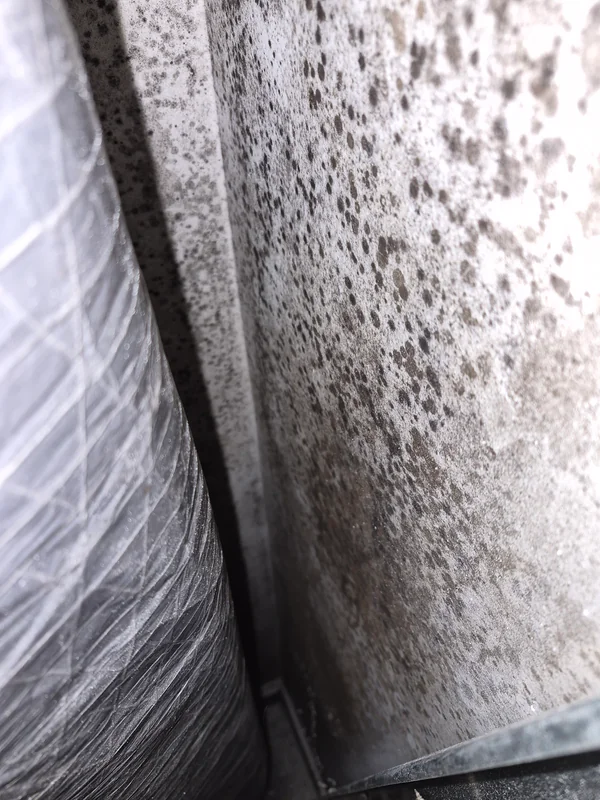
Most homeowners in Dogwood Hollow don’t realize their ductwork is the problem until symptoms are already showing: worsening allergies, a musty smell every time the heat kicks on, or a respiratory issue that nobody can pin down. By the time you notice it, mold has often been circulating through your home for months.
Here’s what makes Dogwood Hollow homes different. The moisture doesn’t stay in the basement. When Bucks County’s above-average rainfall nearly 49 inches a year works its way through aging foundations and crawl spaces, it finds its way into your HVAC system. From there, every heating and cooling cycle distributes whatever’s growing in those ducts to every room in the house simultaneously.
When we do the job right, you get more than clean ducts. You get documented proof that the mold is gone not just a technician’s word for it. You get a home where the air your family breathes isn’t being filtered through decades of accumulated moisture and biological growth. And if you’re thinking about selling, you get ahead of the inspection instead of scrambling after it.
We’re based in Bensalem about 10 to 15 minutes from Dogwood Hollow via Route 13 or I-95. That’s not a coincidence. This part of Bucks County, from Bristol Township down through the Levittown sections, is exactly the kind of market we’ve been working in for over 15 years.
We’re not a franchise. There’s no call center routing your request to whoever’s available. When you reach out to us, you’re reaching a certified mold remediation company that has physically worked inside 1950s Levitt-built homes homes with concrete block foundations, pre-vapor-barrier crawl spaces, and HVAC systems that have been fighting moisture for decades.
What separates us from a general duct cleaning company is simple: we test after the job. Not just clean and leave we verify. Lab testing confirms the mold is actually gone, not just disturbed. For a home as old as yours in Dogwood Hollow, that distinction matters.

It starts with a free inspection. Before anything is quoted or scheduled, we assess your HVAC system to understand what’s actually going on not what we assume is going on. In Dogwood Hollow homes, that inspection often tells a story: aging duct seals, moisture intrusion from crawl spaces, or mold growth that’s been quietly developing through years of humid Bucks County summers. You get upfront pricing from that inspection, and the number you’re given is the number you pay.
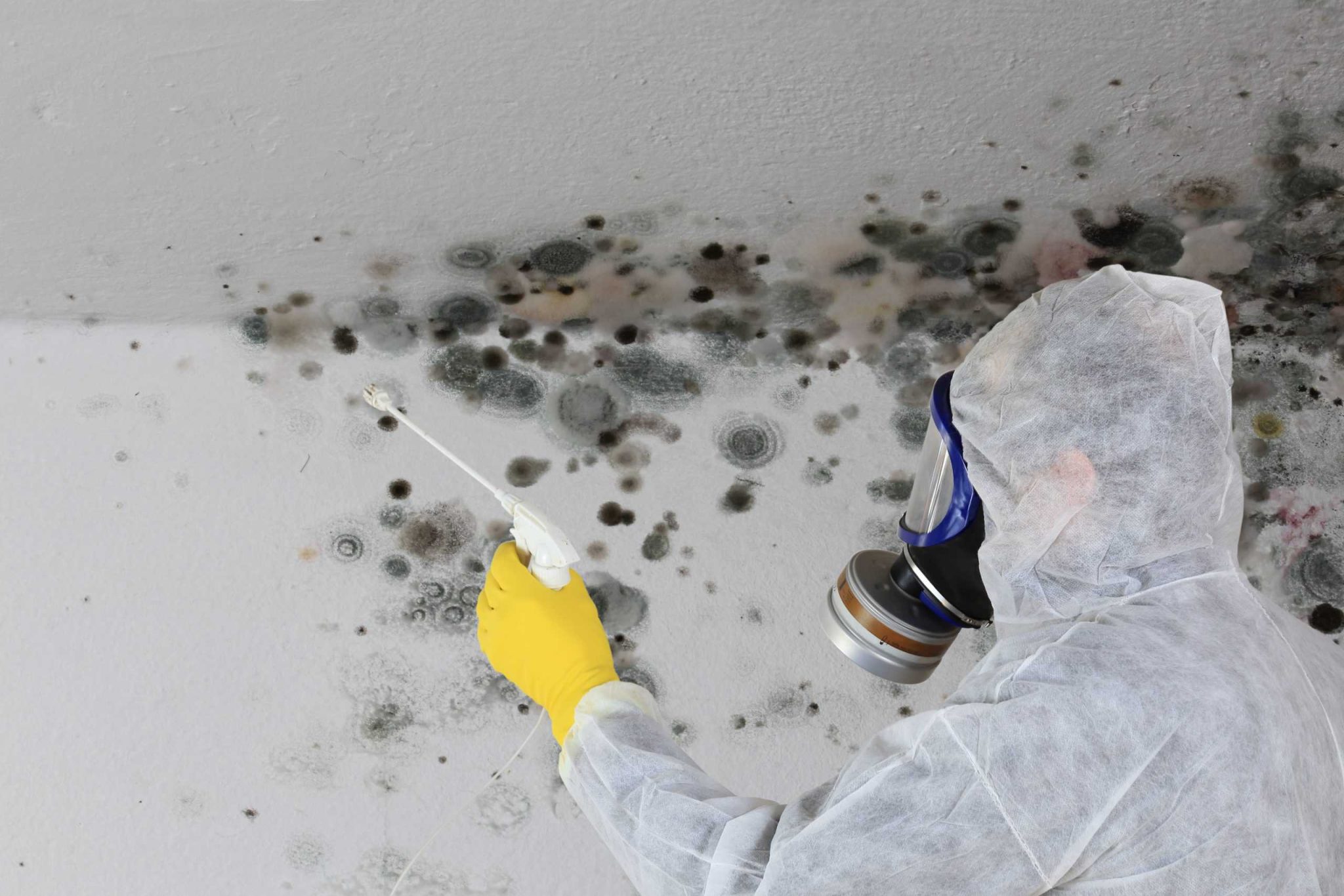
From there, we contain the affected areas before any cleaning begins. This step is critical and it’s one most general duct cleaners skip entirely. Disturbing mold inside ductwork without proper containment spreads spores to clean sections of your home. We isolate the contaminated areas first, then use professional-grade equipment to remove the buildup mechanically the kind of negative pressure systems and HEPA vacuums that go far beyond what any DIY approach can replicate.
After the cleaning is complete, we don’t just pack up and leave. We test. Mold samples from the treated areas go to a lab to confirm clearance. For a Dogwood Hollow homeowner dealing with a 70-year-old structure that has every reason to have moisture issues, that post-job verification is the difference between actually solving the problem and just hoping it’s solved.

Ready to get started?
Air duct cleaning covers your full duct system supply and return. Any company that only cleans one side is cutting corners, and it’s worth asking that question directly before you book anyone. We clean both, use containment throughout, and follow up with lab-verified testing to confirm results. If mold is confirmed during the inspection, air duct sanitizing applying antimicrobial treatment after the mechanical cleaning is part of the conversation. Cleaning removes the physical growth; sanitizing addresses what’s left behind at the surface level.
Dryer vent cleaning is also available and it’s not a minor add-on. The National Fire Protection Association reports nearly 16,000 dryer-related house fires annually, with failure to clean vents as the leading cause. In Dogwood Hollow homes built in the 1950s, original or long-since-modified dryer vent configurations often run longer routes through walls than modern construction would allow which means more places for lint to accumulate and fewer places for airflow to move freely. It’s a fire safety issue, not a maintenance preference.
If your situation involves an insurance claim which is common when mold in ductwork is discovered after water damage or flooding we work directly with insurance companies to help navigate that process. Financing is also available for those who need flexibility on timing. And because we offer free inspections, the first step costs you nothing.
The most common sign is a musty or stale smell that appears when your HVAC system kicks on particularly the first time you run the heat in the fall after a humid summer. If the smell disappears after a few minutes but comes back every time the system runs, that’s a strong indicator that something biological is living inside the ductwork, not just dust.
Other signs include visible discoloration around your registers or vents, worsening allergy or asthma symptoms that seem tied to being indoors, or a general sense that your air quality has declined. In Dogwood Hollow specifically, the combination of aging 1950s construction and Bucks County’s above-average rainfall creates conditions where moisture regularly finds its way into HVAC systems through crawl spaces and aging foundations. If your home has had any basement moisture or flooding which is a documented recurring issue in Levittown your ductwork should be inspected. A free inspection from us is the fastest way to know for certain rather than guessing.
This is one of the most important questions you can ask, and the honest answer is that a general duct cleaning company is not equipped to handle mold safely. Mold inside ductwork requires containment before any cleaning begins. If a technician disturbs mold growth without isolating the affected sections first, they can spread spores throughout the rest of your duct system and into clean areas of your home making the problem significantly worse.
A certified mold remediation specialist approaches the job differently. Containment comes first, mechanical cleaning follows, and post-cleaning lab testing confirms the mold is actually gone rather than just redistributed. For a Dogwood Hollow homeowner dealing with a 70-year-old home that has structural moisture vulnerabilities baked into its original construction, the distinction between a duct cleaner and a mold specialist isn’t a technicality it’s the difference between solving the problem and creating a new one. We bring certified mold remediation expertise to every air duct job we take on in Bristol Township and the surrounding area.
For most homes, industry guidance suggests having ductwork inspected every two to three years and cleaned when a problem is confirmed not necessarily on a rigid schedule. But Levittown homes operate under a different set of conditions than newer construction, and that changes the calculus.
Every home in Dogwood Hollow was built between 1952 and 1958. The original building envelope concrete block foundations, early-generation vapor barriers, and crawl spaces that predate modern moisture control standards creates ongoing conditions for moisture infiltration. Add in Bucks County’s 49 inches of annual rainfall and increasingly intense summers, and you have a home that is under sustained moisture pressure year after year. If you’ve never had your ducts inspected in a Levittown home, or if it’s been more than a few years, an inspection is worth doing regardless of whether you’ve noticed symptoms. Catching mold growth early is far less disruptive and far less expensive than addressing it after it’s been circulating through your home for a full season.
They’re two separate steps, and both matter when mold is involved. Air duct cleaning is the mechanical process using professional equipment to physically remove dust, debris, and biological growth from inside your ductwork. This is the core of the job and what most companies mean when they advertise duct cleaning.
Air duct sanitizing goes a step further. After the mechanical cleaning is complete, an antimicrobial treatment is applied to the interior surfaces of the ductwork to address any residual biological contamination that the physical cleaning alone may not fully eliminate. Think of it as the difference between scrubbing a surface and then disinfecting it afterward. When mold is confirmed in a duct system which is a realistic scenario in many Dogwood Hollow homes given the moisture conditions common to Levittown’s aging housing stock sanitizing is the step that addresses what’s left behind at the surface level. We’ll tell you clearly during the inspection whether sanitizing is warranted for your specific situation, rather than automatically upselling it on every job.
Yes, and this is a step that gets skipped more often than it should. When mold is remediated from a basement or crawl space, the ductwork running through or near that space is frequently the last thing checked and sometimes not checked at all. But if your HVAC system was drawing air from a mold-affected space, there’s a real possibility that spores were pulled into the duct system before or during the remediation process.
In Dogwood Hollow, this scenario is particularly relevant. Levittown homes with documented basement moisture issues and many have them, given the area’s soil conditions and heavy rainfall have HVAC systems that have been operating in a mold-adjacent environment, sometimes for years. Remediating the visible mold without inspecting the ductwork leaves an open pathway for recontamination. The cleaned space can become a problem again if the ducts are still harboring growth. After any mold remediation job, having the duct system inspected is the logical next step and we offer free inspections, so there’s no financial reason to skip it.
It’s a fair question, and the data gives a clear answer. The National Fire Protection Association reports roughly 16,000 dryer-related house fires every year in the United States, and failure to clean the dryer vent is the leading cause. This isn’t a theoretical risk it’s the most common reason dryers start fires.
For homes in Dogwood Hollow, the concern is compounded by age and original construction. Many 1950s Levittown homes have dryer vent configurations that were installed decades ago and may run longer, more circuitous routes through walls and attic spaces than current building standards would allow. Longer vent runs mean more surface area for lint to accumulate, more bends where airflow slows down, and more opportunity for blockage to build up over time. A blocked dryer vent doesn’t just create a fire hazard it also makes your dryer work harder, shortens its lifespan, and increases your energy costs. Getting the vent cleaned is straightforward and doesn’t take long, but in a home as old as most in Dogwood Hollow, it’s genuinely worth doing rather than assuming the original configuration is still working as it should.
Other Services we provide in Dogwood Hollow