

Hear from Our Customers
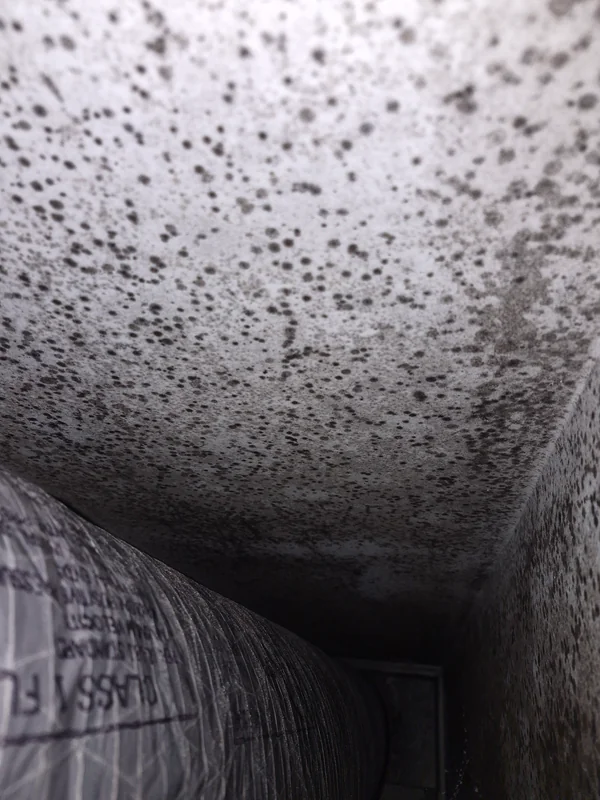
Most homeowners in Deer Park don’t find out there’s mold in their ductwork until they notice a musty smell every time the heat kicks on, or until someone in the house starts having respiratory issues that don’t go away. By the time those signs show up, the duct system has often been distributing spores to every room in the house for months. Getting that cleaned up properly changes what your family is breathing every single day.
For homes in and around Deer Park, the conditions that cause this problem are baked into the landscape. The Aquetong Spring watershed runs directly through this part of Solebury Township, keeping groundwater levels elevated year-round. That moisture works its way up through fieldstone foundations, into crawl spaces, and into the ductwork that was retrofitted through those spaces decades or centuries after the home was built. It’s not a maintenance failure it’s a structural reality of living in one of the most historically significant corners of Bucks County.
What changes after a proper air duct cleaning is the cycle stops. You’re not recirculating whatever has been growing in those hidden duct runs every time the system runs. We also test the affected areas after the job to confirm the mold is actually gone not just cleaned around. For a home worth what homes in Solebury Township are worth, that verification matters.
We’re based in Bucks County and have been working in Solebury Township and the New Hope area since 2008. We’ve been inside the older fieldstone homes along US Route 202, the wooded estate properties off Lower Mountain Road, and the historic structures throughout Deer Park and this part of the county. We’re not learning your home’s quirks on the job we already understand how retrofitted ductwork in a 19th-century stone home behaves differently than anything built in the last 30 years.
Our work is owner-operated, and that shows in how jobs get handled. Customers regularly mention that someone was on-site the next day after calling, that the price quoted was the price paid, and that the work was verified after completion not just declared done. We also work directly with insurance companies when remediation is part of a larger claim, which matters when you’re dealing with a high-value historic property and don’t want to spend weeks navigating that process yourself. Financing is available if needed, and inspections are free to start.
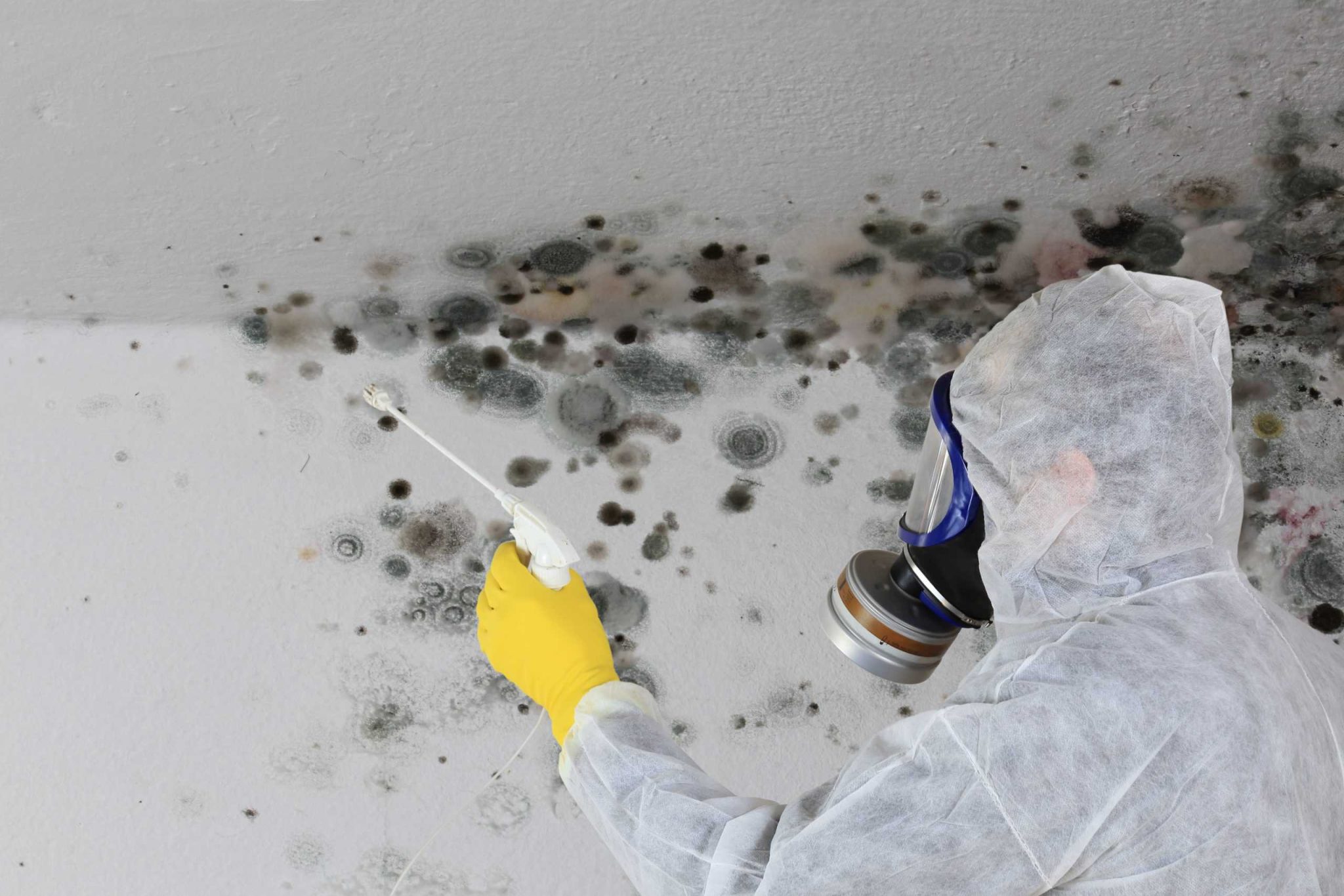
It starts with a free inspection. Before anything is cleaned, we assess the ductwork not just the visible registers, but the full system, including the sections running through crawl spaces and any areas near the foundation where moisture intrusion is most likely. In Deer Park homes, especially those built before the 20th century, that inspection often reveals conditions a general duct cleaner wouldn’t recognize or know how to address safely.
Once the scope is clear, we use professional-grade equipment negative air pressure systems and HEPA-filtered vacuums to remove debris and biological contamination from both supply and return ducts. If mold is present, we use containment protocols to prevent spores from spreading to unaffected areas of the home during the process. This is the part that separates a mold specialist from a general HVAC cleaning service. Disturbing mold in a duct system without containment can make the problem significantly worse.
After the mechanical cleaning, air duct sanitizing is available an antimicrobial treatment applied to duct surfaces that kills remaining biological residue and inhibits regrowth. Given the persistent moisture conditions near the Aquetong Creek watershed, this step is often worth considering in Deer Park homes, where the conditions that caused the problem don’t disappear after a single cleaning. The job typically takes four to six hours for most homes, and results are verified before we leave.
Ready to get started?
Air duct cleaning is the core of what we do, but we also handle dryer vent cleaning and in Solebury Township’s older homes, that’s not a minor add-on. Many homes in this area have dryer vent configurations that were added or modified over decades of renovation, often with longer runs, more bends, or connections routed through original masonry. The National Fire Protection Association reports that dryer vent failure is the leading cause of the roughly 15,970 dryer-related house fires that occur in the U.S. every year. In a historic home where original construction materials can’t be replaced, that risk deserves real attention.
On the mold side, our service covers inspection and testing, full remediation where needed, air duct cleaning, and air duct sanitizing. We use certified inspectors and send samples to a lab when testing is warranted, so you’re not guessing about what’s in your system you have documentation. Post-cleaning verification is part of how we work, which is particularly relevant if you’re dealing with a property transaction or an insurance claim involving a Solebury Township home.
There are no named service tiers or packages the scope is built around what your specific home actually needs after the inspection. Upfront pricing is provided before any work begins, and the free inspection carries no obligation.

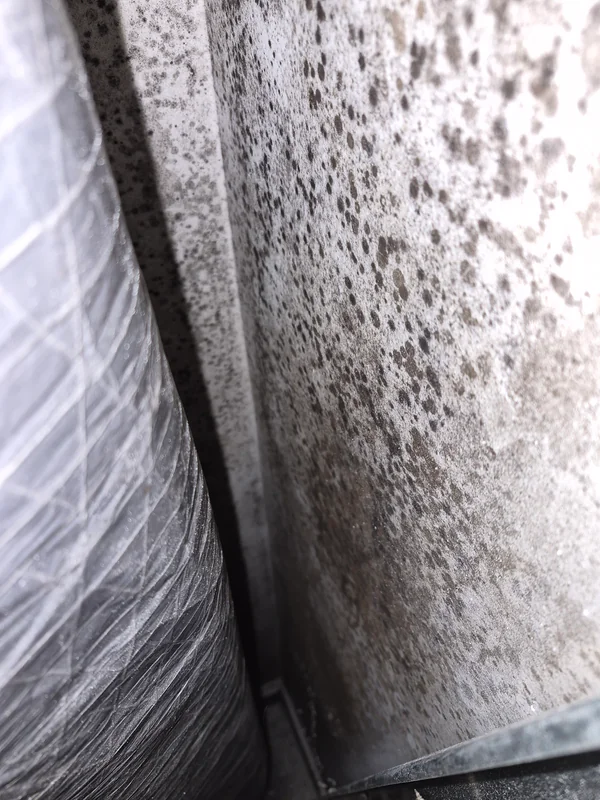
The most common sign is a musty or stale smell that appears specifically when your HVAC system turns on not a general odor in the house, but one that arrives with the airflow. You might also notice that allergy or respiratory symptoms are worse indoors than outside, or that they improve when you spend time away from home. Visible discoloration around supply registers is another indicator, though by the time that’s visible, the contamination is usually well established deeper in the system.
In Deer Park specifically, the conditions that lead to mold in ductwork are more common than in newer suburban construction. Homes in this part of Solebury Township often have ductwork running through crawl spaces and stone foundation areas that stay damp year-round, fed by the groundwater and spring activity in the Aquetong watershed. If your home is more than 50 years old and you’ve never had the ducts inspected, a free inspection from us is a reasonable starting point you’ll know what you’re dealing with before deciding anything.
This is one of the more important distinctions to understand before hiring anyone. A general duct cleaning company is trained to remove dust, debris, and buildup from ductwork and for routine maintenance, that’s often sufficient. But when mold is involved, the process is different. Mold colonies in ductwork need to be contained before they’re disturbed. Without proper containment protocols, cleaning can release spores into the air and spread contamination to areas of the home that weren’t affected before the cleaning started.
We bring certified mold remediation expertise to every air duct cleaning job. Our technicians know how to identify mold versus dust, how to contain the affected sections during cleaning, and how to verify the results afterward with testing. For a home in Deer Park where retrofitted ductwork in an older stone structure may have been in contact with damp foundation conditions for decades that level of knowledge isn’t optional. It’s the difference between solving the problem and spreading it.
The general industry recommendation is every three to five years for a typical home. But that baseline doesn’t fully account for the conditions common in Solebury Township’s older housing stock. Homes built in the 18th or 19th century and there are more than 400 of them in Solebury Township often have ductwork running through spaces that stay damp, including crawl spaces adjacent to fieldstone foundations, uninsulated attic runs, and areas near the water table that sits higher than average in the Aquetong Creek corridor.
For those homes, a three-year interval is a reasonable starting point, but the more useful trigger is any time you notice the signs: musty airflow, worsening indoor allergies, or visible discoloration near registers. If you’ve recently had mold remediated elsewhere in the home basement, crawl space, or attic the ductwork should be inspected as part of that process, not assumed to be clean. Mold that spreads through a duct system can recontaminate a space that was just remediated if the HVAC system is left unaddressed.
They’re two different steps that address two different things. Air duct cleaning is the mechanical process using professional equipment to physically remove debris, dust, and biological contamination from the duct surfaces. It’s the core service. Air duct sanitizing comes after the cleaning and involves applying an EPA-registered antimicrobial treatment to the interior duct surfaces. That treatment kills any remaining biological residue and creates a barrier that inhibits future mold growth.
Whether you need both depends on what’s in your ducts and where you live. For homes in Deer Park and the surrounding Solebury Township area, where ambient moisture from the Aquetong Spring watershed and the Delaware River Valley microclimate keeps humidity elevated through much of the year, sanitizing is often worth doing alongside the cleaning. The conditions that caused the mold to grow in the first place don’t disappear after a mechanical cleaning the moisture is still there. Sanitizing extends the results by addressing what’s left on the surfaces after the physical debris is removed. We’ll tell you clearly whether it’s warranted in your specific situation after the inspection.
It depends on the cause and how the policy is written. Most standard homeowner’s insurance policies cover mold remediation when the mold resulted from a covered event a burst pipe, storm water intrusion, or another sudden and accidental source of moisture. They typically don’t cover mold that developed from long-term humidity or gradual moisture buildup, which is the more common scenario in older Solebury Township homes where foundation moisture has been a slow, ongoing condition.
That said, coverage situations vary significantly, and the documentation you have matters. We work directly with insurance companies as part of our process, which means we can help you understand what’s documentable, what the inspection findings show, and how to present the claim. For a high-value historic property in Deer Park, where remediation on an older stone home can involve more complexity than a newer build, having someone who knows how to navigate that process is genuinely useful not just a convenience.
It’s a fire safety issue, not a maintenance preference. The National Fire Protection Association reports approximately 15,970 dryer-related house fires per year in the U.S., and failure to clean the dryer vent is the leading cause. Lint accumulates in the vent line over time, restricts airflow, and creates the conditions for a fire. Most people don’t think about it until there’s a problem.
In homes throughout Deer Park and Solebury Township, dryer vent configurations are often more complicated than in newer construction. Older homes that had laundry facilities added over decades of renovation frequently have longer vent runs, additional bends, or routing through original masonry that wasn’t designed for this purpose. Longer, more complex vent paths accumulate lint faster and are harder to clear completely without professional equipment. If your dryer is taking longer than one cycle to dry a load, running hotter than it used to, or if you can’t remember the last time the vent was cleaned, those are the signs that it’s time. In a historic home where original materials are irreplaceable, it’s a straightforward call.
Other Services we provide in Deer Park