

Hear from Our Customers

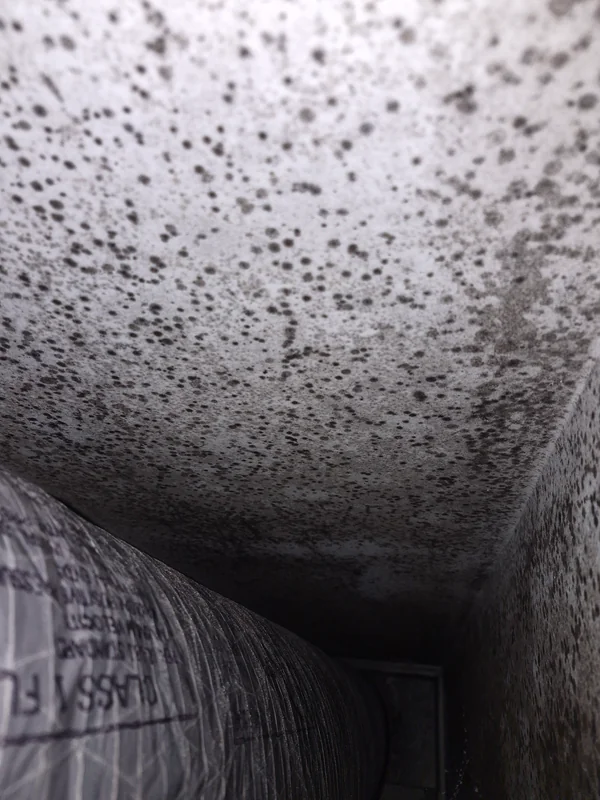
Most homes in Croydon Acres were built in the 1950s compact Capes and ranches averaging around 1,100 square feet, with ductwork routed through basements that were never designed with moisture management in mind. When you upgrade your furnace or AC unit, that new equipment runs through the same old ducts. Decades of accumulated dust, debris, and biological growth don’t disappear just because the equipment got newer.
What changes after a proper air duct cleaning is subtle at first. The musty smell that kicks on with the heat goes away. People in the house stop waking up congested. If someone in your home has asthma or allergies, you may notice they’re having fewer flare-ups. That’s what happens when the system that circulates air to every room in your house is actually clean.
For Croydon Acres specifically, the flood exposure factor matters more than most homeowners realize. NOAA flood gauge data specifically names the Croydon section of Bristol Township as a flood-risk zone when Neshaminy Creek rises especially when Delaware River tides compound the problem. After those events, basement moisture gets drawn directly into the HVAC system. Every heating and cooling cycle then pushes that contaminated air through the ductwork and into every room.
Cleaning the visible water damage and ignoring the ducts is like mopping the floor and leaving the ceiling leak. The contamination is still moving through your home with every cycle.
We’re based in Bensalem which shares a border with Bristol Township right along the Bristol Pike corridor. When you call Mack’s Mold Removal, you’re reaching a team that has worked in Croydon Acres homes, understands the stone basements near the creeks, and knows what post-flood HVAC contamination actually looks like in this specific housing stock.
With over 15 years of experience serving Bucks County, the difference we bring to air duct cleaning is mold certification. A general duct cleaning company vacuums what they can reach. We’re trained to identify biological growth inside the system, contain it so it doesn’t spread during the cleaning process, and verify after the job is done that the mold count has actually returned to normal with lab testing, not just a visual check.
That distinction matters in Croydon Acres, where the conditions that cause mold in ductwork aren’t a one-time event they come back every time the Neshaminy rises. We understand the pattern because we live in it.
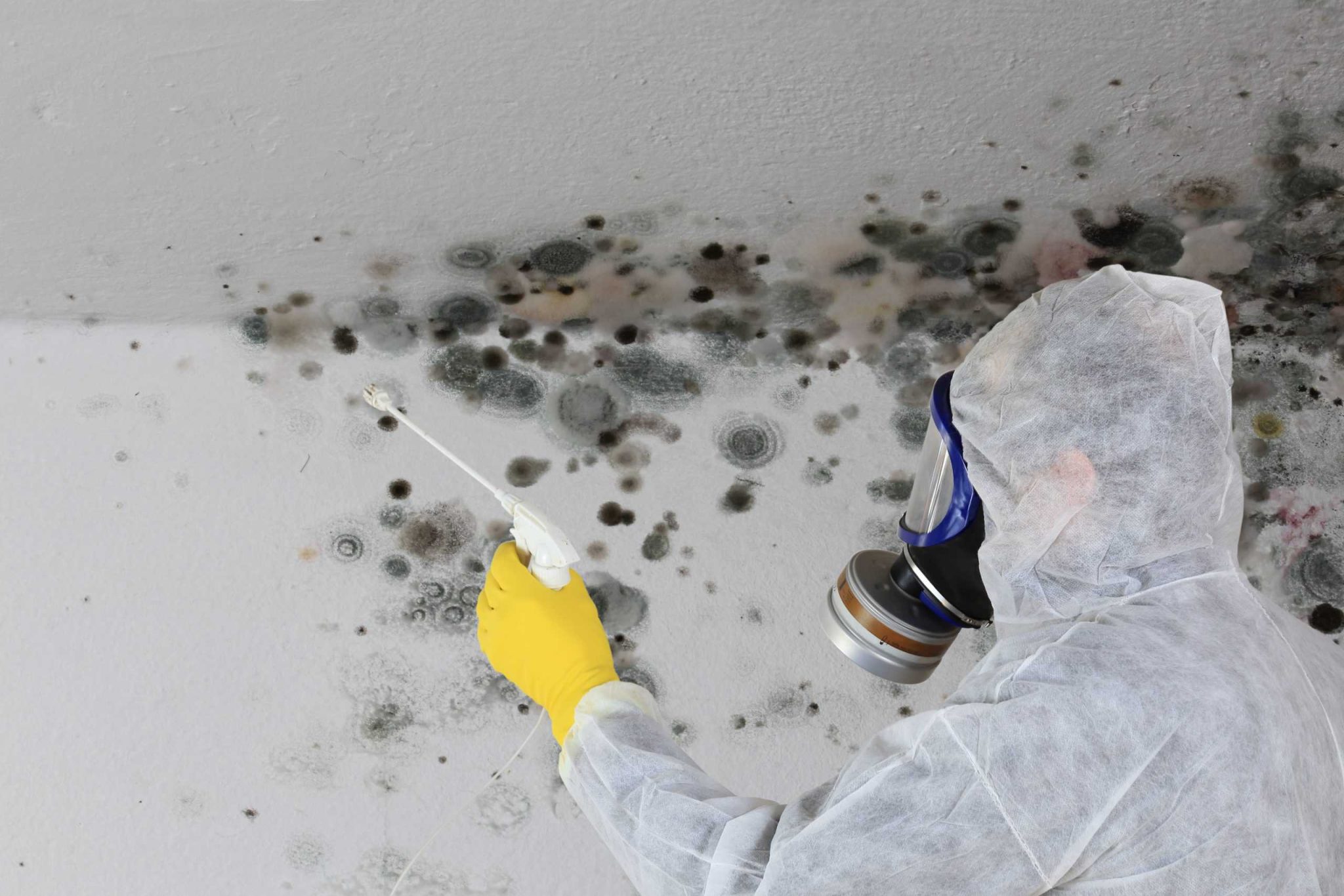
It starts with a free inspection no charge, no commitment. One of our certified inspectors looks at your duct system, checks for visible mold growth, evaluates the condition of your ductwork, and takes samples if there’s reason to believe biological contamination is present. Those samples go to a lab. You get real data about what’s in your system.
If cleaning is warranted, we use negative air pressure equipment and HEPA vacuuming to pull debris and contaminants out of the duct system without pushing them further into your living space. Containment protocols are in place before anything gets disturbed this is the step that separates a mold-trained technician from a general cleaning service. Disturbing mold without containment spreads spores through your home.
For Croydon Acres homes, the inspection also accounts for where your ductwork runs. In 1,100-square-foot post-war homes with basements close to the water table, duct routing through lower levels is common and those are exactly the sections most likely to harbor moisture-driven growth.
After the cleaning, affected areas are tested again to confirm the mold is gone. You get documentation. If your homeowner’s insurance covers the damage from a flooding event, we work directly with insurance companies to help navigate that process something most standalone duct cleaning companies have no experience doing.
Ready to get started?
Air duct cleaning covers the full supply and return duct system not just the registers you can see at the vents. Cleaning only part of the system is a common shortcut that leaves contamination in place. We clean both supply and return ducts, and when mold is involved, air duct sanitizing follows the mechanical cleaning. Sanitizing applies an antimicrobial treatment to the interior duct surfaces after debris has been removed it’s a separate step, and it matters when biological contamination is the reason you called us.
Dryer vent cleaning is also available and, in Croydon Acres specifically, it’s worth taking seriously. These are compact homes on small lots lots under one-fifth of an acre where dryer exhaust vents often run longer horizontal distances or through tighter routing than you’d find in newer construction. The NFPA documents roughly 15,970 dryer-related house fires per year nationally, with failure to clean the vent as the leading cause. In a neighborhood where homes sit close together, a dryer vent fire is not just your problem.
We offer financing for homeowners who need flexibility. The free inspection means you find out what you’re dealing with before you spend anything. And our upfront pricing means the number you’re quoted is the number you pay no surprises once the job is done.
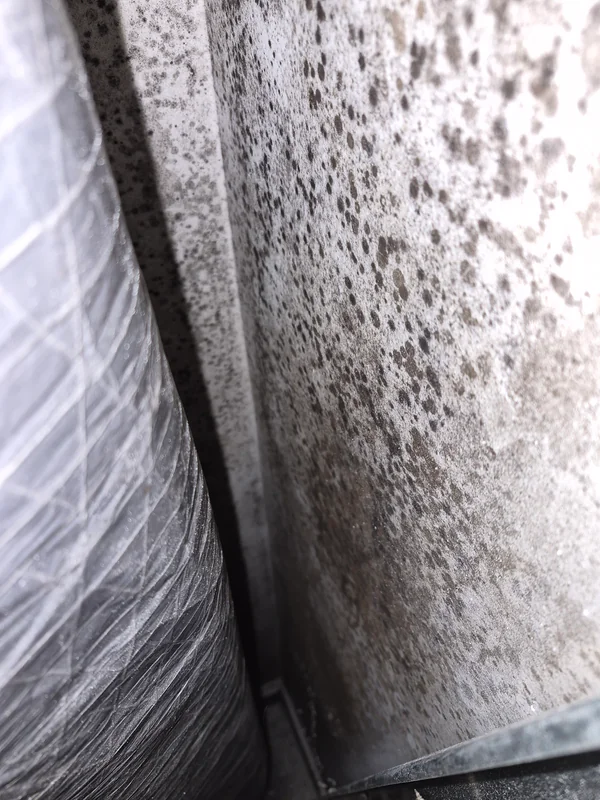
The most common sign is a musty smell that appears specifically when your heating or cooling system kicks on and then fades once the air settles. If the smell is coming from your vents, that’s the system pulling air through contaminated ductwork and distributing it through your home. Other signs include visible discoloration or dark residue around vent registers, worsening allergy or asthma symptoms that seem to improve when you’re away from home, or a general sense that the air feels stale or irritating.
In Croydon Acres, there’s an additional trigger that’s worth knowing about. After any significant flooding event and the Croydon section of Bristol Township is specifically named in NOAA flood data as a risk zone when Neshaminy Creek rises basement moisture gets drawn into HVAC systems. If your home experienced any water intrusion in the past year or two, a duct inspection is a reasonable next step even if you haven’t noticed symptoms yet. We offer free inspections, so finding out what’s actually in your system doesn’t cost you anything upfront.
The honest answer is that it depends on why you’re calling. The EPA’s position is nuanced routine air duct cleaning in a home with no specific problems has unclear benefits. But the EPA also explicitly recommends cleaning when mold is confirmed in the duct system, when there’s evidence of pest or rodent infestation, or when debris is substantially clogging the system. Those aren’t edge cases for older homes in flood-prone areas they’re common findings.
The scam concern is real, and worth addressing directly. The “$99 air duct cleaning” offers that show up in local search results are the documented bait-and-switch pattern the industry is known for. A legitimate air duct cleaning job for a typical home takes four to six hours and involves professional-grade negative air pressure equipment. A $99 job is not that. We start with a free inspection so you know what you’re dealing with before committing to anything, and the price you’re quoted is the price you pay.
They’re two separate steps, and when mold is involved, you need both. Air duct cleaning is the mechanical process using negative air pressure and HEPA vacuuming to physically remove dust, debris, and biological growth from inside the duct system. It pulls the contamination out. Air duct sanitizing comes after the cleaning and involves applying an antimicrobial treatment to the interior surfaces of the ductwork. That treatment addresses any remaining biological residue that mechanical cleaning alone can’t eliminate.
For Croydon Acres homeowners dealing with post-flood moisture or mold in their HVAC system, skipping the sanitizing step after cleaning is like washing a mold-contaminated surface and not treating it the conditions that allowed growth in the first place are still there. We perform both steps when the inspection findings call for it, and the post-cleaning lab testing confirms whether the biological load in the system has actually returned to normal levels. You’re not taking anyone’s word for it.
Yes, and this is exactly why the HVAC system is the part of a mold problem that gets overlooked most often. When mold colonizes inside your ductwork, every time your heating or cooling runs, it’s actively distributing spores to every room connected to that system. A mold problem that starts in a damp basement section of ductwork doesn’t stay there it becomes a whole-house issue one air cycle at a time.
This is also why disturbing mold in ductwork without proper containment protocols makes things worse. A general cleaning company that runs equipment through contaminated ducts without containing the work area first can spread spores into living spaces during the cleaning itself. We use containment before anything gets disturbed the same protocols used in full mold remediation jobs because that’s what the situation actually requires. For homes in Croydon Acres where basement ductwork runs near the water table and flood exposure is a recurring reality, this isn’t overcautious. It’s the appropriate response.
The general industry guidance is every three to five years for a typical home with no specific problems. But “typical” doesn’t really describe most homes in Croydon Acres. These are 1950s-era homes with ductwork that in many cases has never been professionally cleaned, running through basements that sit close to the water table and experience recurring moisture exposure from nearby waterways.
The starting point for many of these homes isn’t maintenance it’s a first-ever cleaning of a system that’s been accumulating debris for decades. After an initial cleaning, the right frequency depends on what the inspection finds and how your home performs afterward. If you’ve had any flooding, water intrusion, or noticed musty odors from your vents, that’s a reason to have an inspection regardless of when the last cleaning happened.
A free inspection from us gives you an honest baseline what’s actually in there so you’re making that decision based on real information rather than guessing.
It depends on the cause and your specific policy, but it’s more common than most homeowners realize particularly in a flood-prone area like Croydon Acres. If mold in your HVAC system resulted from a covered water damage event, such as a burst pipe or storm-related water intrusion, your homeowner’s insurance may cover the remediation costs including duct cleaning. The key is documentation: what caused the water damage, when it happened, and what the mold inspection found.
Where most homeowners run into trouble is navigating the claim on their own. Insurance companies require specific documentation, and the process of connecting a mold finding to a covered event isn’t always straightforward. We work directly with insurance companies as part of our service helping homeowners gather the documentation the claim requires and communicating with the insurer on their behalf. In a community like Croydon Acres where Neshaminy Creek flooding is a documented, recurring event, having a remediation company that understands the insurance side of the process is a practical advantage.
Other Services we provide in Croydon Acres