

Hear from Our Customers

When air ducts are contaminated whether from mold, dust, or debris every time your system runs, it’s pushing that through every room in the house. For families in Cobalt Ridge, that’s not hypothetical. These homes were built in 1956 by Levitt Corporation using the construction standards of that era. The galvanized steel ductwork that came with them has been aging for nearly 70 years.
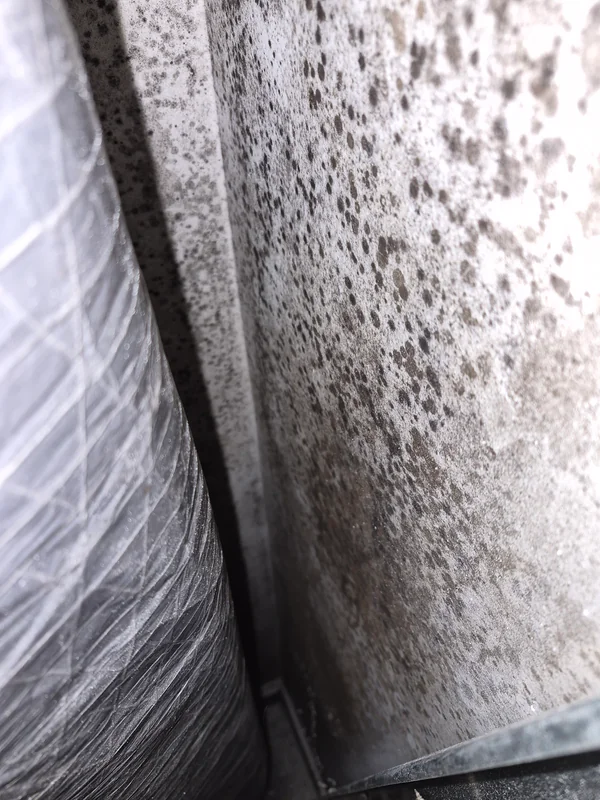
Over time, the interior surface of galvanized steel corrodes and becomes rough. That rough texture traps moisture and organic material in ways smooth modern ductwork simply doesn’t. Mold finds a home in there, and most homeowners never know until they notice the smell.
After a proper cleaning, you’re not just getting cleaner air you’re stopping the cycle. No more mold spores recirculating through the house every time the heat or AC kicks on. For anyone in the family dealing with worsening allergies, unexplained respiratory symptoms, or a persistent musty odor that won’t go away, this is usually where the answer lives.
Cobalt Ridge also sits adjacent to Queen Anne Creek, and the neighborhood’s aging drainage infrastructure has produced documented flooding at Cobalt Ridge Drive North and Woodbourne Road more than once. Every time a basement takes on water, that moisture gets pulled into the HVAC return system. If you’ve had any water in your basement in the last few years and haven’t had the ducts checked, there’s a real chance the system has been circulating the aftermath ever since.
We’re based in Bensalem about 10 minutes from Cobalt Ridge via US Route 13. That proximity matters, but what matters more is that we’re not a general HVAC company that added duct cleaning to a service menu. We’re a certified mold remediation operation, which means when we go into your ductwork, we’re not just vacuuming dust. We’re looking for what’s actually growing in there, containing it properly, and removing it without spreading spores through the rest of the house.
With over 15 years of experience serving Bucks County, we’ve worked in Levittown’s housing stock long enough to know what we’re walking into. The 1956 construction methods, the original vapor barriers that have quietly failed, the retrofitted HVAC systems none of it is a surprise. That familiarity is what separates a specialist from a generalist, and in a neighborhood like Cobalt Ridge, it makes a real difference in the outcome.
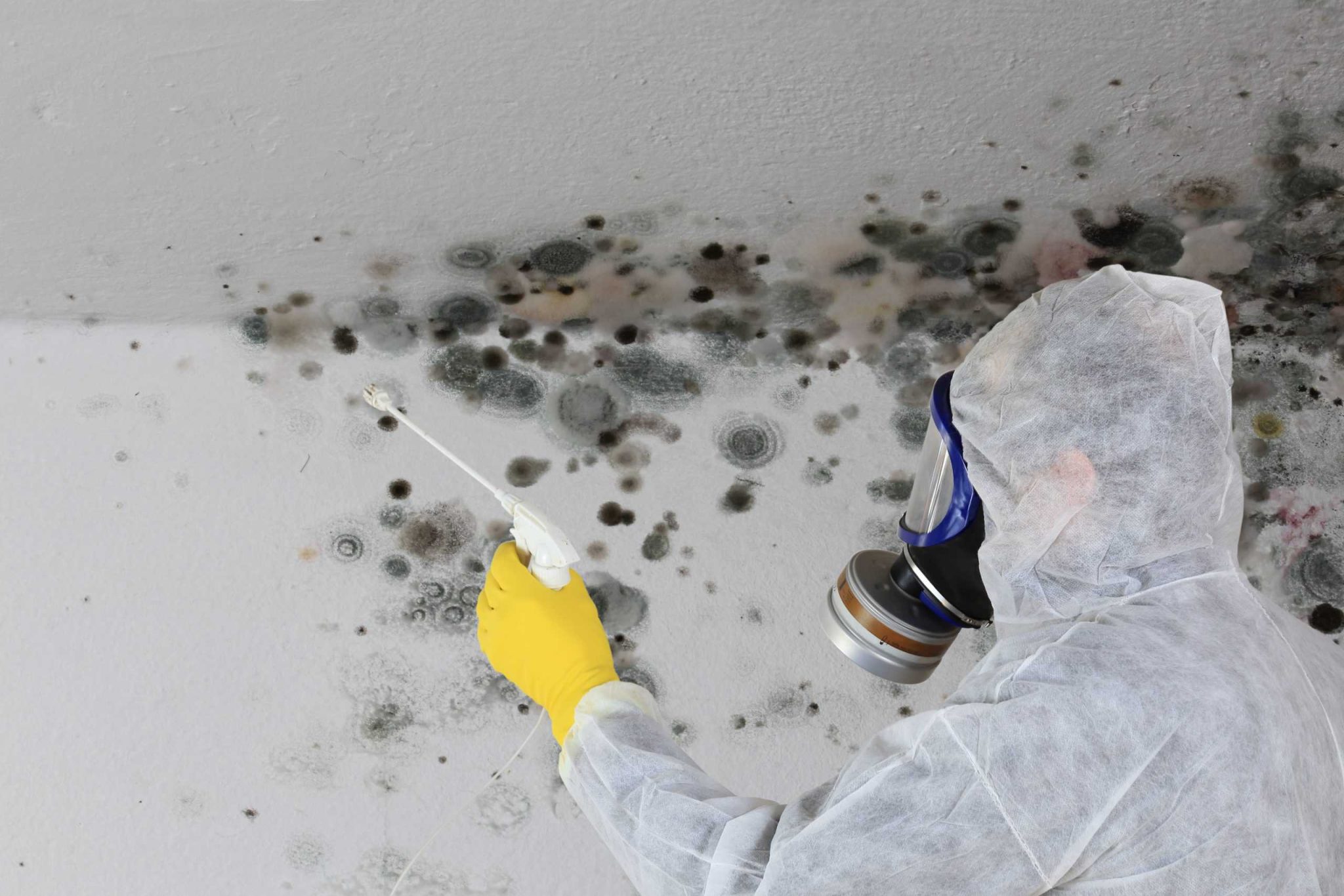
It starts with a free inspection. Before anything gets cleaned, we take a real look at the system not just the registers you can see, but the interior sections where mold actually colonizes. In a Cobalt Ridge home, that often means paying close attention to the return ducts on the lower level, which are the first to pull in moisture-laden air after a basement water event.
If mold is present, you’ll know exactly where and how much before any work begins. The pricing is upfront and written what you’re quoted is what you pay.
From there, the cleaning itself uses professional-grade equipment that creates negative air pressure inside the duct system, pulling contaminants out rather than pushing them around. This matters specifically when mold is involved. A shop vac or a brush without proper containment can disturb a mold colony and send spores through the entire system the exact opposite of what you need. We use the containment protocols that come with mold remediation training, not just duct cleaning experience.
After the mechanical cleaning, affected areas can be sanitized with antimicrobial treatment to address any remaining biological contamination. Unlike most providers, we test after the job to confirm the mold is actually gone not just that the cleaning was completed. In a neighborhood where recurring moisture from Queen Anne Creek and aging drainage infrastructure can create ongoing conditions for mold, knowing the job held up is worth more than a handshake and a receipt.
If you’re also dealing with a dryer vent that hasn’t been serviced in years, that can be handled at the same visit it’s a fire safety issue that’s easy to overlook in older homes with longer vent runs.
Ready to get started?
Air duct cleaning covers the full system supply ducts, return ducts, and the areas connecting them. Not just the registers you can see at the wall or ceiling, but the ductwork running through the walls and subfloor of your home. In Cobalt Ridge’s 1,375-square-foot Cape Cod and ranch-style homes, that’s a manageable scope, and a thorough cleaning typically takes several hours done right. Anything significantly faster than that should raise a question about what’s actually being done.
Air duct sanitizing is available as a follow-on step after mechanical cleaning. This applies an antimicrobial treatment to the cleaned duct surfaces, targeting any residual biological contamination that mechanical cleaning alone doesn’t fully eliminate. For Cobalt Ridge homeowners who’ve dealt with basement moisture or flooding especially given the documented drainage issues along Cobalt Ridge Drive North near Woodbourne Road sanitizing is a logical part of a complete solution, not an optional add-on.
Dryer vent cleaning is also available and worth taking seriously in these homes. Many Cobalt Ridge dryer vent configurations involve longer runs or more bends than modern construction, which means lint builds up faster and the fire risk is real. The NFPA reports nearly 16,000 dryer-related house fires annually, and failure to clean the vent is the leading cause. We also work directly with homeowner’s insurance when mold-related duct work is part of a larger remediation claim a process most standalone duct cleaners aren’t equipped to navigate.
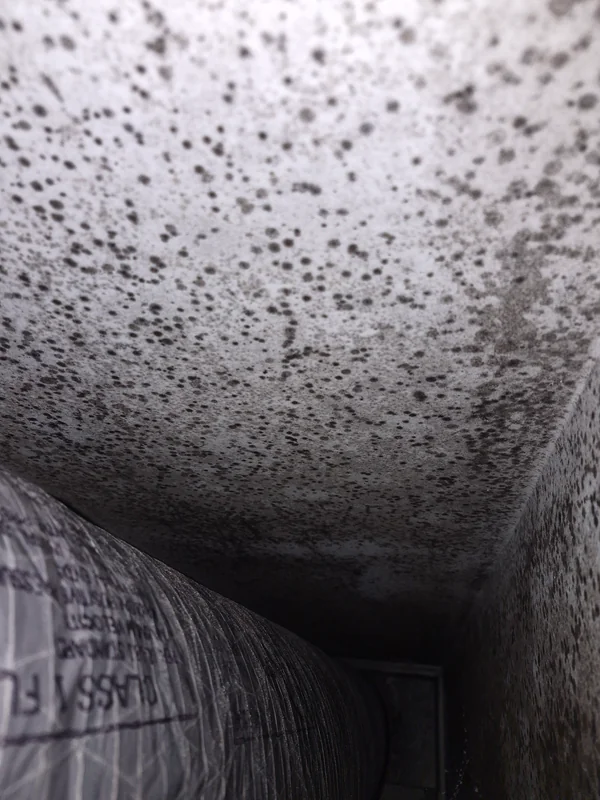
Yes, and it’s not a small difference. Every home in Cobalt Ridge was built around 1956 by Levitt Corporation using the construction standards of that era. The galvanized steel ductwork installed in those homes has been aging for nearly 70 years. Over time, the interior surface of galvanized steel corrodes and becomes rough and that rough surface traps moisture and organic debris in ways that smooth modern ductwork doesn’t. Mold anchors to those surfaces in the dark, damp sections of the duct system that you can’t see from a register.
On top of that, the original vapor barriers in 1950s Levitt construction have degraded silently in many of these homes. Moisture that was once blocked now migrates into wall cavities and subfloor spaces, and HVAC return ducts pull that air directly into the system. If your home is in Cobalt Ridge and you’ve never had the ductwork inspected, the age of the structure alone is a legitimate reason to take a look.
The most common sign is a musty smell that appears specifically when the HVAC system runs not all the time, but right when the heat or AC kicks on. That smell is often the first indication that something biological is growing inside the duct system rather than just accumulating dust. Dust smells stale; mold has a distinct earthy or musty odor that’s hard to confuse once you know what you’re looking for.
Other signs include worsening allergy or respiratory symptoms in household members that seem tied to being indoors, visible discoloration or dark spots near registers or vents, or a history of basement water intrusion. In Cobalt Ridge specifically, if you’ve had any flooding or water in the basement which is a documented, recurring issue in this neighborhood given the aging drainage infrastructure near Queen Anne Creek that’s a direct pathway for moisture to enter the duct system. A proper inspection will tell you definitively what’s in there. Our inspections are free, so there’s no cost to finding out.
It depends on what’s driving the question. If you’re doing it purely as routine maintenance with no symptoms, no water history, and no musty odors, the benefit is less clear-cut. The EPA’s position on routine duct cleaning is nuanced they don’t recommend it as a blanket maintenance item for every home on a set schedule.
But the calculus changes when specific conditions are present. A history of basement moisture, worsening indoor allergy symptoms, a musty smell from the vents, or a home that’s approaching 70 years old with original ductwork any of those shift the equation. For most Cobalt Ridge homeowners, at least one of those factors applies. The 1956 construction, the proximity to Queen Anne Creek, and Bucks County’s above-average annual rainfall (about 49 inches versus the national average of 38 inches) create conditions that make the HVAC system a legitimate place to check, not just a box to skip. If an inspection finds nothing concerning, you’ll know that for certain rather than wondering.
They’re two separate steps that work together. Air duct cleaning is the mechanical process using professional equipment to physically remove dust, debris, mold colonies, and other buildup from inside the duct system. This is the core service, and it involves creating negative air pressure inside the ducts to pull contaminants out rather than disturbing them into the air.
Air duct sanitizing comes after the mechanical cleaning. It applies an antimicrobial treatment to the cleaned duct surfaces, targeting any residual biological contamination bacteria, mold spores, or other organic material that the mechanical process didn’t fully eliminate. Think of cleaning as removing what’s there, and sanitizing as treating the surface so it’s harder for the problem to reestablish. For Cobalt Ridge homes where moisture conditions are structural rather than one-time events aging vapor barriers, creek proximity, documented flooding history sanitizing is the step that helps the cleaning last rather than just resetting the clock.
It can, and it has. Mold discovered during a buyer’s inspection is one of the issues that can slow or collapse a transaction, particularly when it’s found in the HVAC system because that signals the problem has potentially spread to every room in the house. Cobalt Ridge homes have appreciated significantly, with properties now listing in the $345,000 to $580,000 range. At that price point, a mold finding at inspection isn’t a minor negotiation point it can result in a price reduction, a remediation contingency, or a buyer walking away entirely.
If you’re planning to sell a Cobalt Ridge home, having the ductwork inspected and cleaned before listing removes that risk from the table. And if you’re buying, requesting a mold inspection of the HVAC system as part of due diligence is a reasonable ask given the age of these homes. We also provide post-remediation documentation, which is useful for disclosure purposes or to satisfy a buyer’s lender if mold remediation has been completed on the property.
The industry standard from NADCA is every three to five years for most homes. But that’s a baseline for average conditions, and Cobalt Ridge doesn’t have average conditions. The combination of 1950s-era galvanized ductwork, a regional rainfall average nearly 30% higher than the national norm, and the neighborhood’s documented history of basement flooding events means the conditions that drive mold growth in ductwork are more persistent here than in a newer home in a drier climate.
A more practical approach for Cobalt Ridge homeowners is to use specific triggers rather than just a calendar interval. After any basement water event, after noticing a musty odor from the vents, after a significant mold remediation job elsewhere in the home, or before listing the property for sale those are the moments when an inspection makes the most sense regardless of when the last cleaning was done. If the last cleaning was more than three years ago and you’ve had any moisture issues since, that’s a reasonable prompt to schedule an inspection. Start with our free inspection to find out what’s actually there before committing to anything.
Other Services we provide in Cobalt Ridge