

Hear from Our Customers
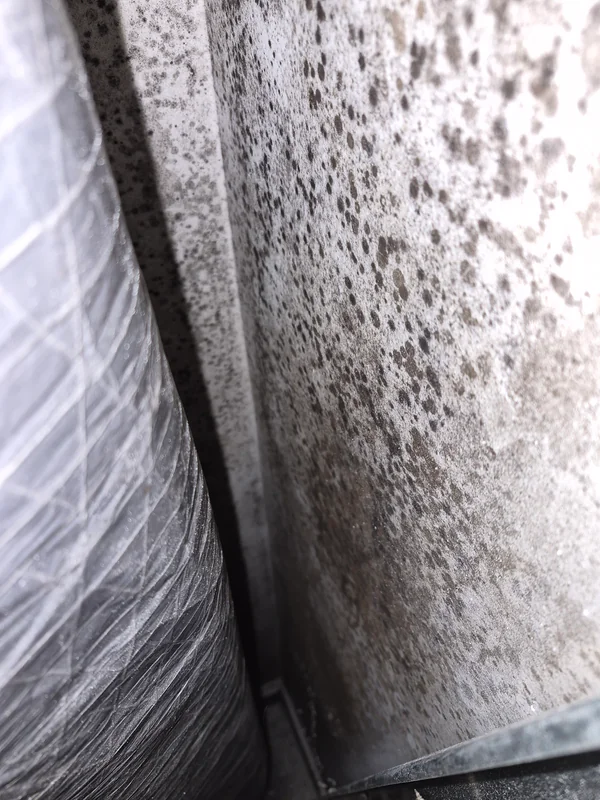
The musty smell that hits when the heat kicks on in October isn’t your imagination. In Cedar Park’s Victorian twins and rowhouses most built between 1850 and 1910, long before forced-air HVAC systems existed ductwork was retrofitted into spaces never designed for it. That means ducts running through uninsulated attic cavities and basement chases, with no vapor barriers, in a neighborhood where outdoor humidity averages around 68%.
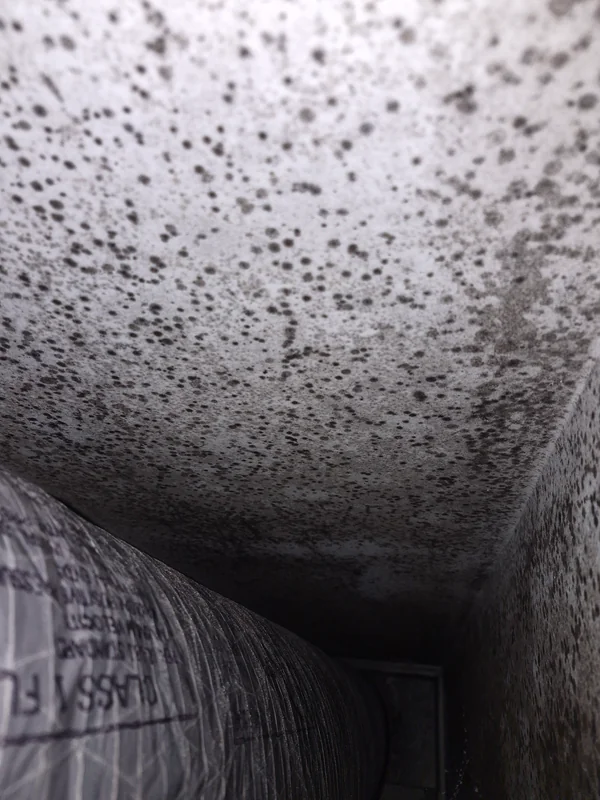
When Philadelphia’s summers push dew points above 65 degrees, those ducts become exactly the kind of dark, damp environment where mold takes hold. Once we complete the air duct cleaning properly, you stop recirculating whatever has been building up in that system. Tenants dealing with persistent coughs or worsening allergies often notice a real difference. Landlords managing multi-unit Victorian buildings on Cedar Avenue or nearby streets get documented proof that the job was done not just a handshake and an invoice.
Homeowners who recently renovated a rowhouse on Larchwood or Kingsessing aren’t pushing a century’s worth of disturbed dust and debris through a brand-new kitchen every time the HVAC runs. The result isn’t just cleaner air in an abstract sense. It’s a system that’s been inspected by someone who actually understands how Cedar Park’s historic housing stock creates mold conditions that a suburban duct cleaner wouldn’t think to look for.
We’ve been working in Cedar Park and Philadelphia County for over 15 years. That’s not a number pulled from a brochure it’s the kind of experience that comes from actually seeing what decades of humidity, aging construction, and deferred HVAC maintenance do to homes in this region.
Cedar Park sits in a part of Philadelphia where the housing stock is genuinely different from the suburbs. The Victorian twins and rowhouses along Baltimore Avenue and surrounding streets were built for a streetcar era, and the HVAC systems inside them were added later often running through spaces with no moisture control. Our certified mold inspectors know what that looks like, and we know how to find contamination that a general duct cleaner would miss entirely.
Every job includes a free inspection and upfront pricing before any work begins. No surprises on the invoice, no pressure to approve services you didn’t ask for. If mold is confirmed in the ductwork, samples go to a lab and post-remediation testing confirms the job actually worked. That’s the level of accountability that matters in a neighborhood where many residents work in healthcare and research and aren’t going to take “trust us” for an answer.

It starts with a free inspection. Before any equipment comes out, a certified mold inspector walks through the property and evaluates the ductwork looking at where the runs go, what conditions they pass through, and whether there are signs of biological contamination. In Cedar Park’s older rowhouses and twins, this step matters more than it does in newer construction, because the duct paths are often unconventional. Runs through uninsulated attic spaces or brick wall cavities need to be assessed differently than a standard forced-air system.
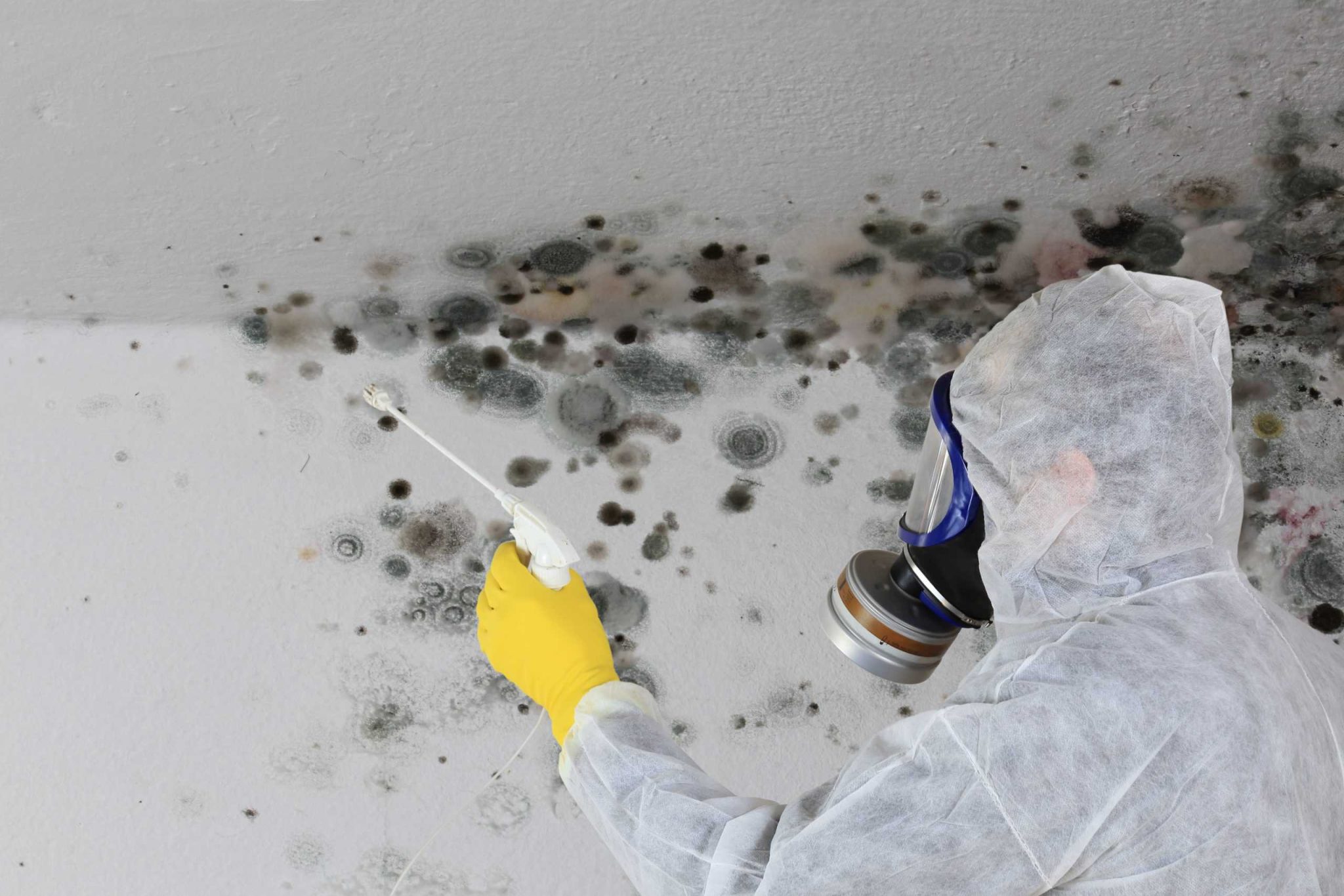
If the inspection finds mold or significant contamination, the next step is containment. This is where mold-specific expertise separates a remediation specialist from a general HVAC cleaning company. Disturbing mold in a duct system without proper containment protocols doesn’t clean the problem it spreads it. We use containment procedures that prevent spores from being pushed into living spaces during the cleaning process, which is especially important in Cedar Park’s densely built rowhouses where shared walls mean contamination can travel.
After mechanical cleaning, air duct sanitizing can be applied to address any remaining biological material. Then comes the step most companies skip: post-remediation testing. We send samples to a lab to confirm the mold is actually gone not just covered up or temporarily reduced. You get documentation of the result, which matters whether you’re a homeowner, a tenant presenting evidence to a landlord, or a property manager maintaining records for a multi-unit building.
Ready to get started?
We handle the full range of air duct and ventilation services that Cedar Park homes actually need not a one-size-fits-all menu designed for newer suburban construction. That includes air duct cleaning, HVAC duct cleaning, mold in air ducts identification and removal, air duct sanitizing, and dryer vent cleaning.
Dryer vent cleaning deserves a specific mention here, because Philadelphia rowhouses have a well-documented problem with misrouted exhaust systems. Dryer vents in Cedar Park homes often run longer horizontal paths to reach an exterior wall, and some were installed venting under the roof deck rather than to the outside a setup that traps lint, retains moisture, and creates both a mold risk and a fire hazard. The NFPA reports that failure to clean dryer vents is the leading cause of dryer-related house fires nationally. In Cedar Park’s densely built housing stock, where one fire affects multiple connected units, that’s not a risk worth deferring.
For landlords managing multi-unit Victorian buildings in the 19143 or 19139 ZIP codes, we can assess and service shared HVAC infrastructure across multiple units in a single visit with documentation for each unit. Flexible financing is available for larger jobs, and we work directly with insurance companies when mold damage is significant enough to involve a claim. The free inspection is the starting point for all of it no cost to find out what you’re actually dealing with.
The most common sign is a musty smell that appears or intensifies when the HVAC system turns on especially in early fall when the heat kicks on for the first time after a humid Philadelphia summer. You might also notice that allergy or respiratory symptoms are worse at home than they are outside or at work, which is a pattern that points to something circulating through the ventilation system rather than a seasonal outdoor allergen.
In Cedar Park’s older rowhouses and twins, the risk is higher than in newer construction because the ductwork often runs through unconditioned spaces attic cavities, basement chases, and wall cavities without vapor barriers where condensation accumulates during summer months. Visible discoloration near registers or a persistent musty smell even after cleaning the visible surfaces are both worth taking seriously. The only way to know for certain is a professional inspection with lab testing of samples. Our free inspection is designed for exactly this situation you find out what’s actually in the system before committing to any remediation work.
The honest answer is: it depends on what’s in the ducts. The EPA’s position is nuanced routine air duct cleaning in the absence of a specific problem has unclear benefits. But when mold is confirmed in the ductwork, when there’s been a pest infestation, or when substantial renovation has disturbed decades of accumulated debris, the EPA explicitly recommends professional cleaning. Those aren’t rare edge cases in Cedar Park they’re common scenarios in a neighborhood full of century-old homes that are actively being renovated.
The scam concern is legitimate and worth addressing directly. The industry has a well-documented bait-and-switch problem, where companies advertise extremely low prices and then push aggressive upsells once they’re in the door. We counter this with a free inspection and upfront pricing the quote you receive before the work starts is the price you pay. There are no hidden fees added after the fact. If the inspection finds nothing that warrants remediation, you’ll hear that too. The goal is to give you an accurate picture of what’s in your system, not to manufacture a problem that justifies a large invoice.
For most homes, the general industry recommendation is every three to five years for routine maintenance. But Cedar Park’s housing stock changes that calculus. A Victorian rowhouse with retrofitted ductwork running through uninsulated spaces in a city with 68% average outdoor humidity is under considerably more biological pressure than a 2005 suburban split-level in a drier climate. If the system has never been inspected or cleaned since the home was purchased, that’s the starting point find out what’s actually in there before setting a maintenance schedule.
There are also specific trigger events that warrant cleaning regardless of when the last service was done. Major renovation work is one of them the EPA explicitly recommends cleaning after substantial renovation because construction disturbs settled debris and mold throughout the system. A confirmed mold problem elsewhere in the home is another trigger, because HVAC systems are often the last place checked during remediation and can recontaminate a cleaned space if left untreated. Post-water-damage situations and any time you notice a significant change in indoor air quality or odor from the vents are also worth acting on rather than waiting for a scheduled interval.
Air duct cleaning is the mechanical process physically removing dust, debris, and biological material from inside the duct system using professional equipment. This involves negative air pressure systems and HEPA vacuums that capture what’s dislodged rather than pushing it into the living space. It’s the foundational step, and it’s what most of the service time is spent on.
Air duct sanitizing is a separate step that follows mechanical cleaning. It involves applying an antimicrobial treatment to the interior surfaces of the ductwork to address any remaining biological contamination that mechanical cleaning alone didn’t fully eliminate. When mold has been confirmed in the system which is a common finding in Cedar Park’s older homes sanitizing is an important second layer, not an optional add-on. Cleaning removes the bulk of the material; sanitizing addresses what’s left at the surface level. In a home where mold has been actively growing in the ductwork, skipping sanitizing means you’ve cleaned the visible problem but left conditions that allow regrowth. Our post-remediation lab testing after both steps is what confirms the combined approach actually worked.
Yes, and this is one of the reasons mold in HVAC systems is treated differently than mold in a single isolated location like a basement corner or bathroom ceiling. Every time the system runs, it pulls air through the contaminated section of ductwork and distributes it to every room the system serves. In a Cedar Park rowhouse with multiple floors and a single HVAC system, that means a mold colony in one duct section effectively has access to every living space in the building every time the heat or AC turns on.
This is also why the containment step during remediation matters so much. A general duct cleaner who mechanically disturbs mold without proper containment protocols can actually make the spread worse dislodging spores and pushing them through the system rather than capturing them. Our remediation process uses containment procedures specifically designed to prevent this. The post-remediation lab testing that follows the job is the verification step that confirms mold levels have been reduced to safe levels throughout the system, not just in the section that was visibly affected.
In a majority-renter neighborhood like Cedar Park, this is one of the most common situations people find themselves in. The problem is that a landlord saying “the ducts are fine” and the ducts actually being fine are two different things and without a professional inspection with documented results, there’s no way to verify which one you’re dealing with. Most tenants can’t see inside their own duct system, and most landlords aren’t having them professionally inspected on any regular schedule.
If you’re experiencing symptoms persistent cough, worsening allergies, a musty smell when the HVAC runs that’s enough reason to request a professional inspection in writing. A documented inspection report from a certified mold specialist gives you objective evidence of the system’s condition, which is a very different thing from a landlord’s verbal assurance. Our free inspection removes the financial barrier from getting that documentation. If the inspection finds nothing, you have confirmation the system is clean. If it finds mold or significant contamination, you have the kind of documented professional finding that gives a tenant real standing to require the landlord to act rather than just taking their word for it.
Other Services we provide in Cedar Park