

Hear from Our Customers

Most Castle Valley homeowners don’t find out their ducts are contaminated until symptoms are already showing worsening allergies, a persistent musty smell every time the heat kicks on, or a general sense that something in the air isn’t right. By the time you notice it, the problem has usually been circulating through your home for a while.
Living along Neshaminy Creek puts your home in a moisture environment that’s fundamentally different from properties even a mile away on higher ground. Groundwater pressure, seasonal flooding risk, and the elevated humidity of a creek valley all find their way into basements and crawl spaces which is exactly where your HVAC equipment lives. When moisture gets into ductwork, the dark interior becomes a mold incubator, and every heating or cooling cycle sends whatever’s in there to every room in your house simultaneously.
The older housing stock in Castle Valley adds another layer. Many of these homes were retrofitted with central HVAC systems long after original construction, meaning ductwork runs through wall cavities and crawl spaces that were never designed for modern forced-air distribution. Legacy duct installations are more prone to condensation, improper sealing, and contact with damp building materials. After we perform a professional air duct cleaning and sanitizing, what you get back is a system that’s actually doing its job moving clean air instead of recirculating whatever has built up over the years.
We’ve been working in Bucks County for over 15 years, which means we’ve been inside the full range of properties this area has to offer from older creek-side homes in Castle Valley to mid-century ranches further out. We know what moisture does to ductwork in this region, and we know what to look for when a general cleaning company would just vacuum and move on.
What makes us different from a standard duct cleaning service is that mold remediation is our core expertise, not an add-on. When mold is involved which it often is in creek-adjacent homes near Neshaminy Creek you need someone who understands containment, proper removal, and how to verify the work actually worked. We test affected areas after the job to confirm the mold is gone, not just cleaned around.
We also work directly with insurance companies when water damage or flooding is part of the picture, which matters more than people realize when you’re living near a creek watershed and something goes wrong.
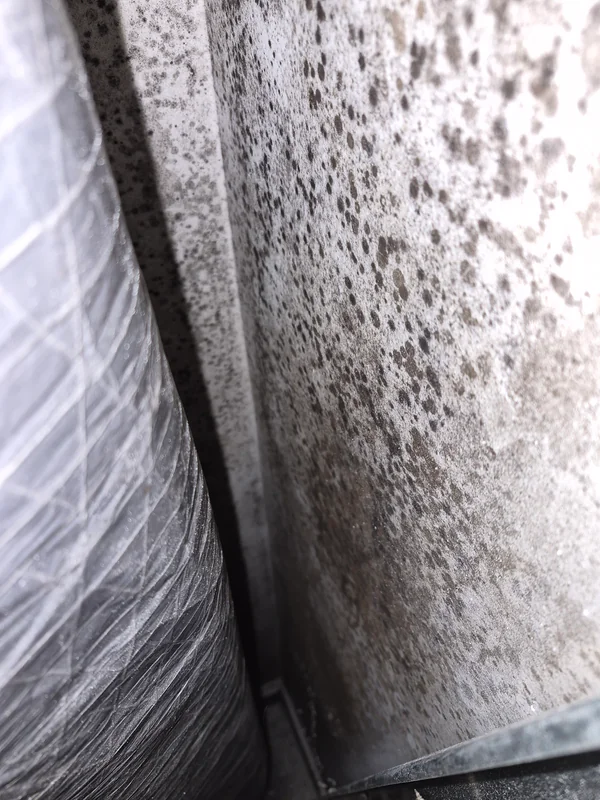
It starts with a free inspection. Before any cleaning begins, we take a look at the actual state of your system not a cursory glance at the registers, but a real assessment of what’s going on inside the ductwork. In homes near Neshaminy Creek, that inspection often includes checking basement mechanical areas and crawl spaces for signs of moisture intrusion that may have already made its way into the duct system. If mold is present, it gets identified and documented before anything is disturbed.
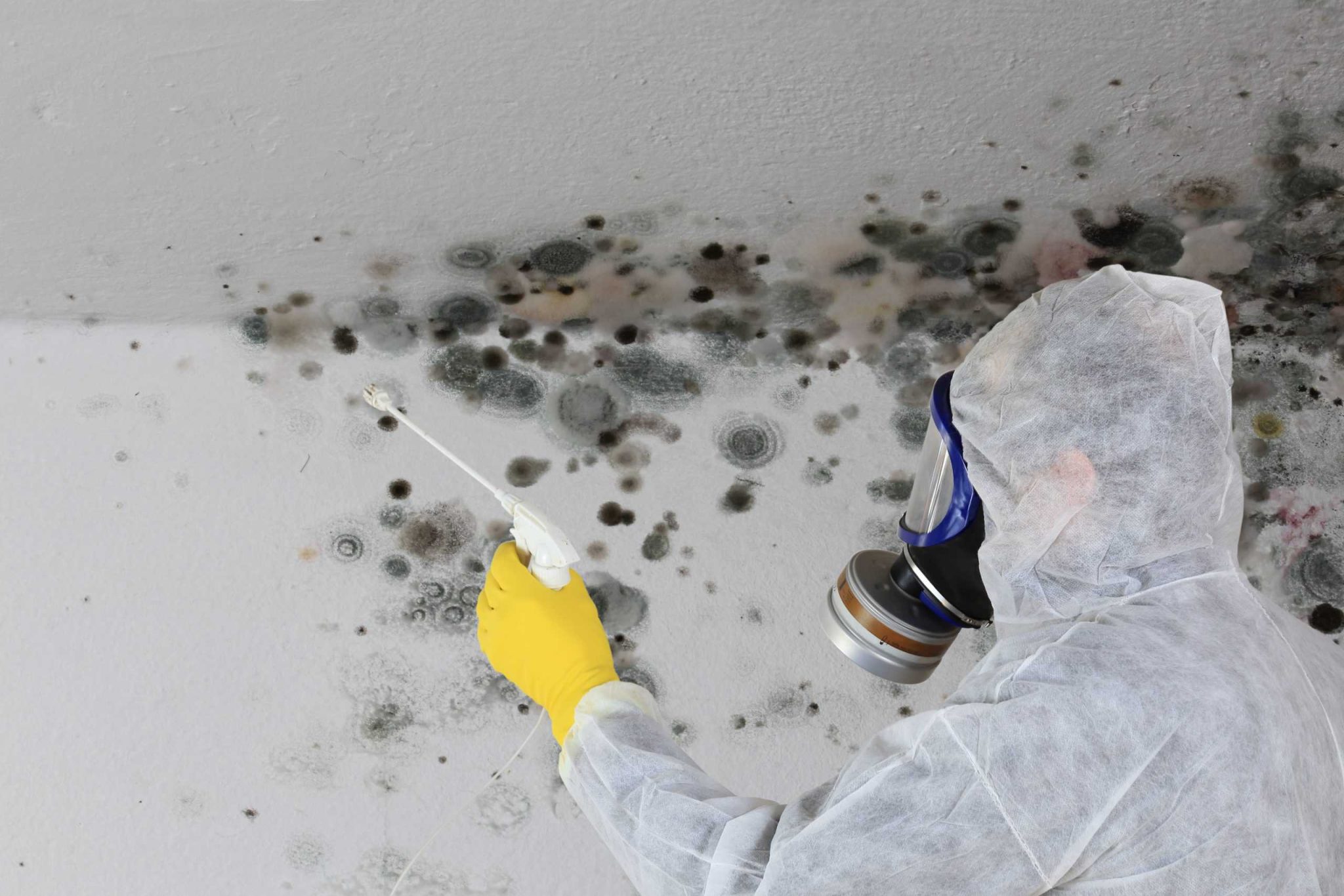
From there, if mold is confirmed, we establish containment protocols before cleaning begins. This is where the difference between a mold specialist and a general duct cleaner becomes concrete disturbing mold without proper containment spreads spores to areas of the home that weren’t affected yet. We use professional-grade equipment to clean both supply and return ducts, not just the visible registers. The full job typically takes several hours for a standard home, and it’s done thoroughly, not rushed.
After the cleaning and sanitizing are complete, we test the affected areas to verify the mold is actually gone. You get documentation of the results something you can keep on file, show a real estate agent, or submit to an insurer. No permit is required for air duct cleaning or mold remediation work in Castle Valley, so there’s no administrative delay between scheduling and getting started.
Ready to get started?
Air duct cleaning covers the mechanical removal of debris, buildup, and biological contaminants from your duct system. But when mold is involved which is a real and common scenario for Castle Valley homes given their creek-side positioning and older ductwork cleaning alone isn’t the complete answer. Air duct sanitizing applies antimicrobial treatment to the interior of the system after mechanical cleaning, eliminating what a vacuum can’t reach. These are two distinct steps, and both matter when you’re dealing with a mold situation rather than routine dust accumulation.
Dryer vent cleaning is another service that often gets deferred until it’s a problem. In older Castle Valley homes many of which have longer vent runs or original laundry configurations that weren’t designed with modern dryers in mind lint buildup happens faster and creates a genuine fire hazard. The NFPA tracks roughly 15,970 dryer-related house fires annually, with failure to clean the vent identified as the leading cause. It’s not a comfort upgrade; it’s a safety issue.
If your home has recently had mold remediated in a basement, crawl space, or wall cavity, the ductwork is the logical next step. Mold in one area of the home means the HVAC system has been pulling air past that source and distributing spores through the duct system. We handle both sides of that the remediation and the duct cleaning with the same certified expertise, so nothing gets missed between the two jobs.
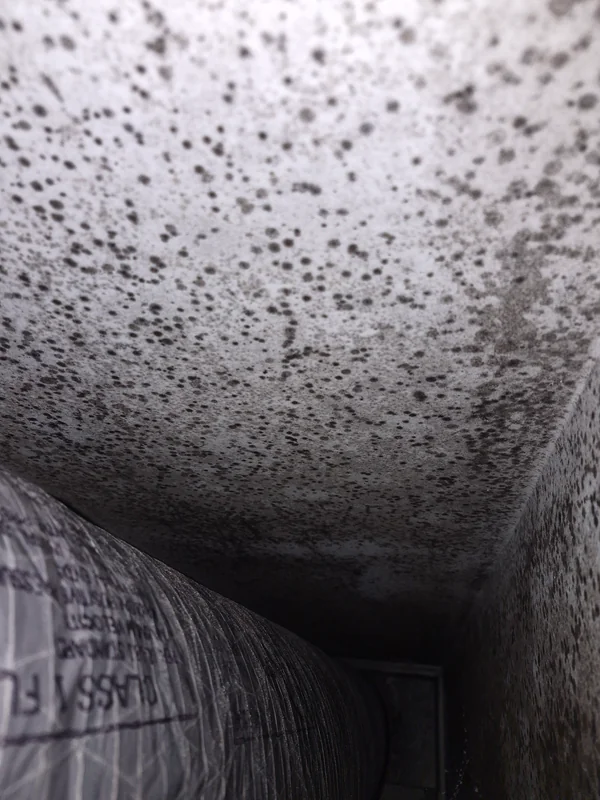
The most common sign is a musty smell that appears specifically when your HVAC system kicks on not a general odor in the home, but one that arrives with the airflow. You might also notice allergy symptoms or respiratory irritation that seem to worsen indoors and improve when you’re outside. Discoloration around vents or registers is another indicator, though by the time that’s visible, the problem inside the duct system is often already significant.
For Castle Valley homeowners specifically, the creek-side location along Neshaminy Creek creates conditions where this risk is elevated compared to homes on higher ground. Seasonal groundwater pressure, post-storm moisture intrusion, and the general humidity of a creek valley all contribute to the kind of damp basement and crawl space environment where HVAC mold problems start. If your home has experienced any water intrusion even minor seepage a professional inspection of the duct system is a reasonable next step, not an overreaction.
Air duct cleaning is the mechanical process using professional equipment to physically remove dust, debris, and biological buildup from the interior of your duct system. It’s the foundation of the job. Air duct sanitizing is a separate step that comes after the cleaning, where an antimicrobial treatment is applied to the duct interior to kill remaining biological contaminants that mechanical cleaning alone can’t fully address.
When the issue is routine dust accumulation, cleaning may be sufficient. But when mold is involved which is the more common scenario in older, creek-adjacent homes in Castle Valley sanitizing is a necessary part of completing the job properly. Mold isn’t just physical debris you can vacuum out; it requires treatment to prevent regrowth in the same environment that allowed it to develop in the first place. Skipping the sanitizing step after a mold-related cleaning is like treating the symptom without addressing what’s feeding it.
Yes, and this is one of the most important things to understand about mold in ductwork. Your HVAC system is designed to move air to every room in the house. When mold colonizes inside the duct system, every heating or cooling cycle distributes spores through that same network meaning a mold source in one section of the ductwork can affect the air quality in every room the system serves.
This is particularly relevant for Castle Valley homeowners who have already had mold remediated somewhere in the home. If mold was present in a basement or crawl space common in properties near Neshaminy Creek the HVAC system has likely been drawing air past that source for some time before the problem was discovered. Remediating the visible mold without inspecting and cleaning the duct system leaves the distribution mechanism intact. We address both sides of that problem, which is why working with a mold specialist rather than a general duct cleaner matters in situations like this.
The general industry guidance is every three to five years for routine maintenance, but that baseline assumes average conditions. In Castle Valley particularly in creek-adjacent areas near Neshaminy Creek the conditions aren’t average. Homes near the creek deal with higher baseline humidity, seasonal moisture intrusion risk, and the kind of damp basement environments that accelerate mold growth inside ductwork. For these properties, a more proactive inspection schedule makes sense, especially after any water-related event.
There are also specific triggers that should prompt an inspection regardless of how recently the ducts were last cleaned: after any confirmed mold anywhere in the home, after a flooding event or sump pump failure, after purchasing an older home where the duct history is unknown, or when allergy or respiratory symptoms worsen without a clear cause. Older homes in Castle Valley particularly those with retrofitted HVAC systems installed after original construction are worth inspecting sooner rather than later if that history isn’t documented.
It’s not. The $99 air duct cleaning offer is one of the most well-documented scams in the home services industry, and it operates the same way across the board: a low-ball price gets someone in the door, and then aggressive upselling begins once they’re inside your home. The actual cost of a legitimate, thorough air duct cleaning for a standard home done with professional equipment, covering both supply and return ducts, and taking the several hours the job actually requires is significantly higher than $99.
A proper job involves pre-cleaning inspection, professional-grade negative air pressure equipment, cleaning of the full duct system (not just the visible registers), and documentation of what was found and addressed. When mold is involved, it also requires containment protocols and post-cleaning verification. If a company is offering to do all of that for $99, they aren’t doing all of that. We provide free inspections and upfront pricing the number you’re given before the work starts is the number you pay.
It depends on the cause and how the damage is documented, but in many cases where water intrusion led to mold contamination in the duct system, there is a legitimate insurance claim to be made. Policies vary significantly, and the key is having proper documentation what was found, where, and what remediation was required which is exactly what a certified inspection and post-cleaning verification report provides.
For Castle Valley homeowners, this isn’t a hypothetical scenario. Properties near Neshaminy Creek carry above-average exposure to groundwater intrusion, sump pump failures during heavy storms, and the kind of slow moisture infiltration that doesn’t announce itself until mold is already established. Bucks County receives close to 49 inches of rain annually well above the national average and creek-adjacent homes feel that more than most. We work directly with insurance companies to navigate the claims process, which removes a significant burden from homeowners who are already dealing with a stressful situation. Having a mold specialist who can document the damage, perform the remediation, and communicate directly with your insurer is a meaningful advantage when you’re trying to get a claim approved.
Other Services we provide in Castle Valley