
Hear from Our Customers

When your HVAC system runs, it pulls air through every inch of your ductwork and pushes it into every room. If there’s mold, dust buildup, or biological debris in those ducts and in a 1950s or 1960s-era home, there very likely is that’s what you’re breathing every time the system kicks on. Fixing that isn’t about a fresh smell. It’s about removing the source.
Casey Village sits in one of the tightest, most established residential pockets of Warminster Township. Homes here don’t turn over often. Families stay for decades. That’s a great thing for community stability but it also means the ductwork in a lot of these homes has been accumulating material since before anyone living there was born. No home sale inspection forced a look at the mechanical systems. No new buyer demanded clean ducts. The system just kept running.
Bucks County averages 49 inches of rain per year well above the national average. Hot, humid summers create condensation inside HVAC systems, and that moisture has to go somewhere. In older Casey Village homes with duct runs through unconditioned attics or crawl spaces, it tends to go exactly where you don’t want it. Professional cleaning done by someone who understands mold, not just dust is the difference between maintenance and actually solving the problem.
We’re based in Bensalem right down Route 132 from Warminster Township and have been working in Bucks County homes for over 15 years. That includes the same 1940s through 1960s housing stock that defines Casey Village and the surrounding neighborhoods like Casey Highlands and Davisville. These aren’t unfamiliar homes. They’re the ones we’ve been walking into for a decade and a half.
What separates us from a general duct cleaning company is the certification behind our work. We’re trained mold remediation specialists not carpet cleaners with a duct attachment. When mold is found inside a system, we know how to contain it, remove it safely, and verify it’s actually gone through post-remediation testing. That last part matters more than most companies will tell you.
If you’ve ever wondered what’s been building up inside your system and in a home this age, that’s a fair thing to wonder a free inspection is where it starts. No pressure, no guesswork, just a real answer.
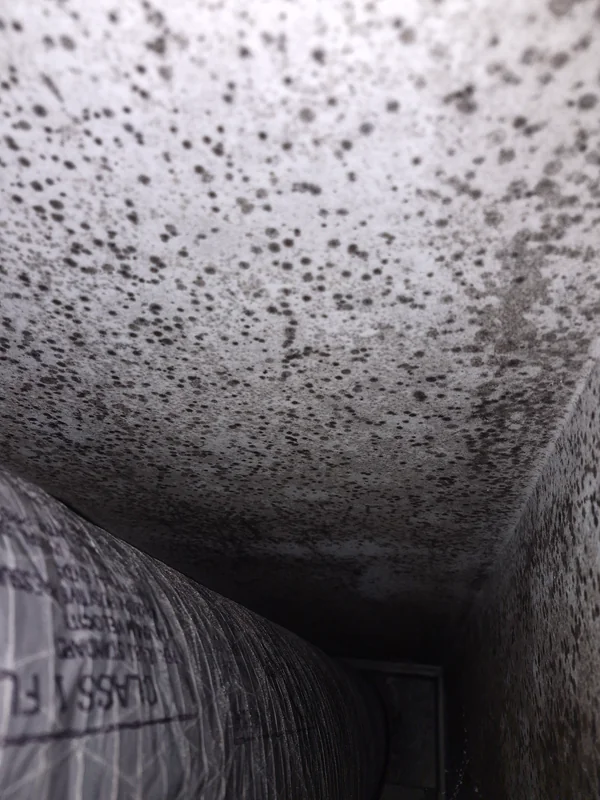
It starts with a free inspection. A certified technician comes to your home, takes a real look at your HVAC system, and tells you what’s there. In Casey Village’s older housing stock most of it built between the 1940s and 1960s that inspection often turns up things that haven’t been seen in years: accumulated debris, moisture damage at duct joints, or visible mold growth in sections that have never been accessed. You get an honest assessment before any work begins, and upfront pricing before anything is agreed to.
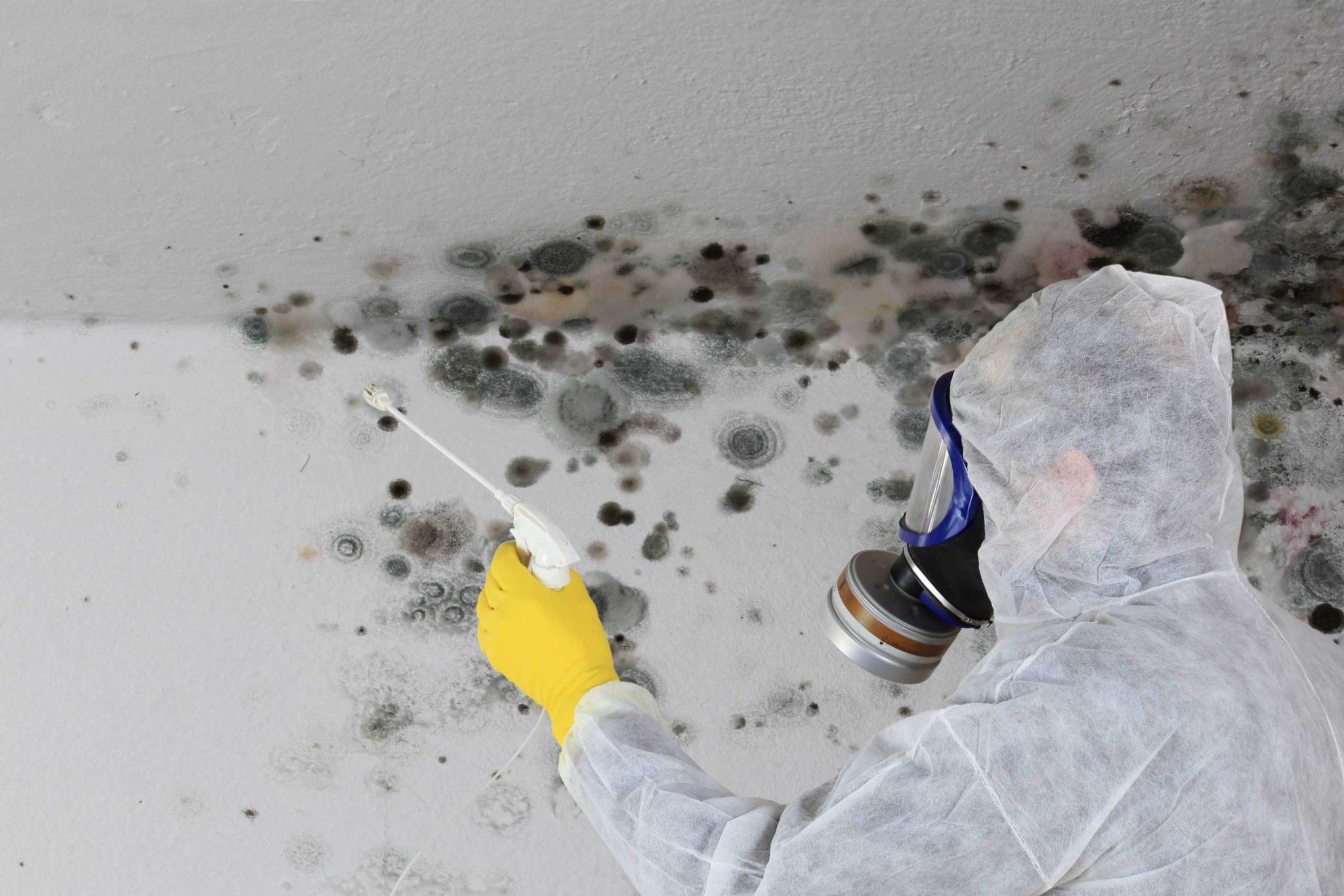
If cleaning is warranted, we use professional-grade equipment negative air pressure systems and HEPA vacuums that pull contaminants out of the ductwork rather than pushing them further into the system or into your living space. This isn’t a shop-vac job. Containment protocols are used when mold is present, so the cleaning itself doesn’t become the source of spread. A proper cleaning on a home this size typically takes several hours, and the work covers both supply and return ducts not just the registers you can see.
After the job, we test the affected areas to confirm the mold is actually gone. That’s not standard practice in this industry most companies clean and leave. The post-remediation verification step is something real customers have called out specifically, and it’s the part that gives you something to stand on beyond taking someone’s word for it.
Ready to get started?
We handle the full scope of what older Warminster Township homes actually need not just a surface-level cleaning. Air duct cleaning covers both supply and return ductwork, with containment protocols in place when mold is confirmed. Air duct sanitizing goes a step further, applying antimicrobial treatment to the duct surfaces after mechanical cleaning to address biological contamination that a vacuum alone won’t eliminate. In homes where mold has had years or decades to establish itself on duct walls, that second step matters.
Dryer vent cleaning is also part of what we offer, and it’s worth treating as a fire safety issue rather than optional maintenance. The National Fire Protection Association reports close to 16,000 dryer-related house fires per year in the United States, with the leading cause being failure to clean the vent. In Casey Village’s older homes many of them built in the 1950s and 1960s the original dryer vent installation may not meet current clearance and length standards. Longer vent runs, tight bends, and aging duct material all increase the rate at which lint accumulates.
For Casey Village residents dealing with an insurance claim whether from water damage, a mold discovery, or a related issue we work directly with insurance companies to help navigate that process. Financing is also available for larger jobs, so cost doesn’t have to be the reason a real problem goes unaddressed. The free inspection is always the first step, and the pricing you’re given upfront is the pricing you pay.
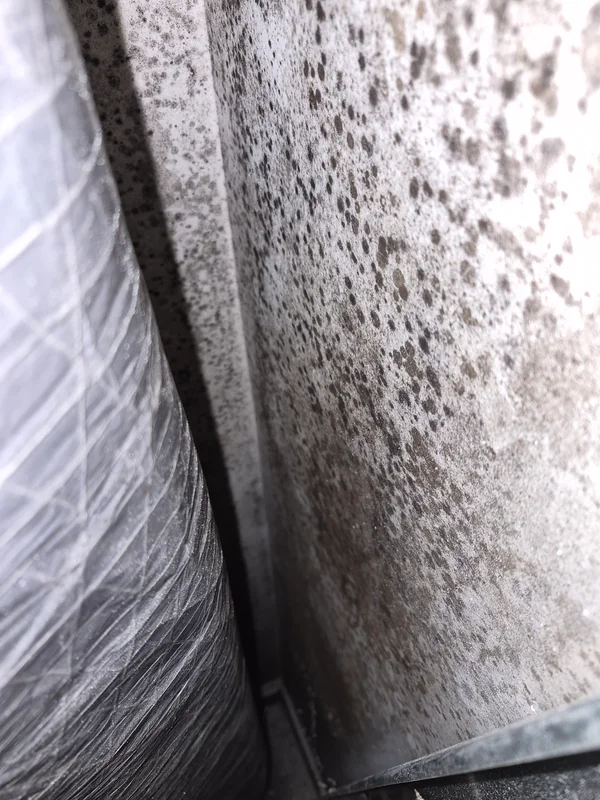
The most common sign is a musty smell that appears specifically when your HVAC system turns on and disappears when it’s off. That’s a strong indicator that something biological is growing inside the ductwork itself, not just on a surface you can see. You might also notice worsening allergy or respiratory symptoms indoors that ease up when you spend time outside, or visible discoloration around your registers or vents.
In Casey Village and the surrounding Warminster Township area, the housing stock is primarily from the 1940s through 1960s. Ductwork from that era was installed without modern moisture-management standards, and duct runs through unconditioned attics or crawl spaces are common. Bucks County’s above-average rainfall 49 inches per year means moisture infiltration is a persistent issue in these systems, not a seasonal one. If your home is in this age range and you’ve never had a professional inspection, a free assessment from a certified mold specialist is the most direct way to get an honest answer.
Yes, and the mechanism is straightforward. When mold grows inside ductwork, every heating and cooling cycle distributes spores throughout your home simultaneously. You’re not just dealing with a localized mold problem you’re dealing with a delivery system that reaches every room. Common health effects include nasal congestion, coughing, wheezing, eye and skin irritation, and worsening asthma symptoms. People with respiratory conditions or compromised immune systems are more vulnerable, but prolonged exposure affects healthy people too.
This is particularly relevant for Warminster Township residents who are already attuned to environmental health concerns. The community’s history with PFAS contamination from the former Naval Air Warfare Center taught a hard lesson about invisible hazards and delayed health effects. Mold in air ducts follows a similar pattern it’s not visible, it’s distributed through the environment you live in daily, and the symptoms it causes are easy to misattribute to other things. Getting a certified inspection is the same kind of due diligence that Casey Village families have already learned to apply to their water.
The honest answer is: it depends on why you’re doing it. The EPA’s position is nuanced routine cleaning in a home with no specific problem has unclear benefits. But when mold is confirmed in a duct system, when there’s been pest activity, or when significant debris is blocking airflow, the EPA explicitly recommends cleaning. That’s a different situation than a company calling you out of the blue to tell you your ducts are dirty.
The industry does have a real scam problem. The “$99 air duct cleaning” offer is well-documented a low-ball price gets someone in the door, and then the upselling starts. The way to protect yourself is to work with a company that offers a free inspection first, provides written upfront pricing, and has verifiable reviews from real customers. We offer all three. The free inspection tells you whether cleaning is actually warranted before any money changes hands. If it’s not needed, you’ll be told that because a company with 15 years of Bucks County reputation isn’t built on one-time transactions.
A thorough air duct cleaning on a typical home takes roughly four to six hours. That’s the industry standard for a job done properly covering both supply and return ductwork, not just the registers you can see at the surface. Homes that are larger, or that have more extensive mold growth requiring containment protocols, may take longer.
For Casey Village specifically, the age of the housing stock is a relevant factor. Homes built in the 1940s through 1960s often have more complex duct configurations than newer construction, and older galvanized steel ductwork can have accumulated decades of material at joints and bends that take more time to address properly. If the inspection reveals mold that requires containment meaning the technician needs to seal off sections of the duct system before cleaning to prevent spore spread that adds time to the job. It’s worth it. A rushed cleaning that disturbs mold without proper containment can make the air quality problem worse, not better. The free inspection gives you a realistic time estimate before the work begins.
They’re two separate steps that address two different things. Air duct cleaning is the mechanical process using professional equipment to physically remove dust, debris, and biological material from inside the ductwork. Air duct sanitizing comes after, and it involves applying an antimicrobial treatment to the duct surfaces to kill remaining biological contaminants that the cleaning process alone didn’t fully eliminate.
In a home where mold has been present for an extended period which is a realistic scenario in Casey Village’s older housing stock mold colonies can establish themselves on the interior walls of ductwork. Mechanical cleaning removes the loose material and visible growth, but spores and surface-level contamination can remain. Sanitizing addresses that residual layer. If you’re dealing with a confirmed mold situation, doing the cleaning without the sanitizing step is like wiping a surface without disinfecting it. For homes in Warminster Township that have been occupied for decades without prior duct service, both steps together are typically the right approach.
Yes, dryer vent cleaning is part of what we offer in Casey Village and throughout Warminster Township. And it’s worth treating as a fire safety issue rather than optional maintenance. The National Fire Protection Association reports close to 16,000 dryer-related house fires per year in the United States, with the leading cause being failure to clean the vent. Lint accumulates in the vent line over time, restricts airflow, and creates the conditions for a fire.
In Casey Village’s older homes many of them built in the 1950s and 1960s the original dryer vent installation may not meet current clearance and length standards. Longer vent runs, tight bends, and aging duct material all increase the rate at which lint accumulates and the difficulty of clearing it completely. A professional cleaning with the right equipment reaches the full length of the vent line, not just the accessible section near the dryer. If your home is in this age range and you haven’t had the dryer vent professionally cleaned recently, it’s a straightforward thing to add to a duct cleaning appointment and a reasonable precaution given the age of the construction.
Other Services we provide in Casey Village