

Hear from Our Customers
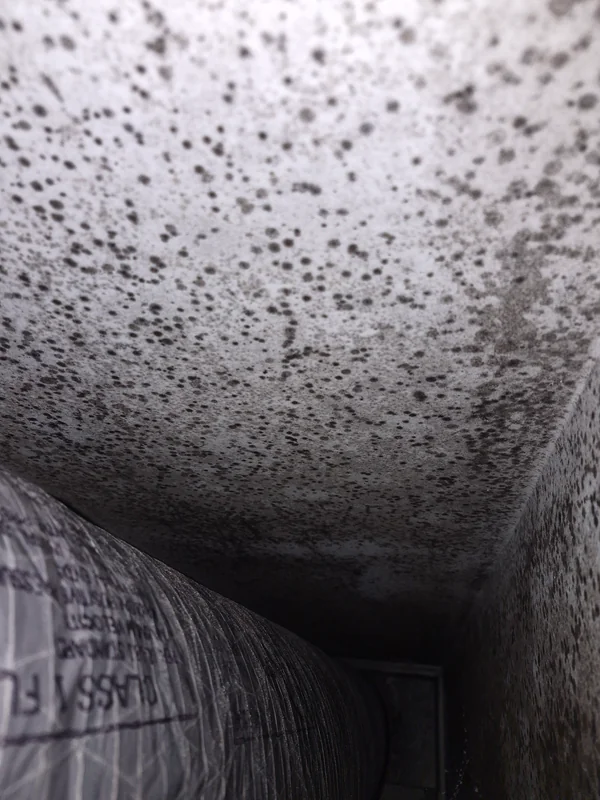
Most people don’t think about their air ducts until something feels off a musty smell when the heat kicks on, allergy symptoms that don’t go away, or a vague sense that the air in the house just isn’t right. By the time those signs show up, the problem inside the ductwork is usually well established.
What changes after a proper cleaning isn’t just the air quality. It’s the confidence of knowing your system isn’t redistributing mold spores to every room every time it runs. For families in New Garden Township and Kennett Township near Bucktoe, that matters more than it might somewhere else.
The Bucktoe area sits in the heart of southern Chester County’s mushroom farming corridor a region where more than 50 commercial mushroom farms operate within 25 miles of Kennett Square, and where the ambient air carries elevated moisture and organic particulate loads year-round. Your HVAC system is cycling that air constantly.
Homes near the Bucktoe Creek watershed also deal with persistently elevated groundwater and natural drainage patterns that keep humidity high even between rain events. Chester County receives around 46 inches of rain annually, and the low-lying creek-valley terrain along Bucktoe Creek concentrates that moisture in ways that directly affect what’s growing inside your ductwork. A clean system means that moisture isn’t feeding a mold colony hidden in your supply lines and your family isn’t breathing the result.
We’ve been doing this work for over 15 years. That’s not 15 years of general cleaning with mold remediation bolted on it’s 15 years of certified mold inspection, lab-verified removal, and working directly with homeowners through one of the more stressful discoveries a property owner can face.
Chester County is part of our established service area. We understand what the mushroom farming industry does to baseline humidity in this part of Pennsylvania, and we bring that knowledge to every inspection in the Bucktoe area. When a certified mold specialist is the one cleaning your ducts, the work looks different containment protocols, proper identification of what’s actually in the system, and post-cleaning verification that confirms the mold is gone, not just disturbed and redistributed.
The owner is personally involved in jobs. Multiple customers have named him by name in reviews, specifically because he shows up, gives straight answers, and doesn’t disappear after the quote is signed. That’s the difference between a local specialist and a national franchise sending whoever’s available.
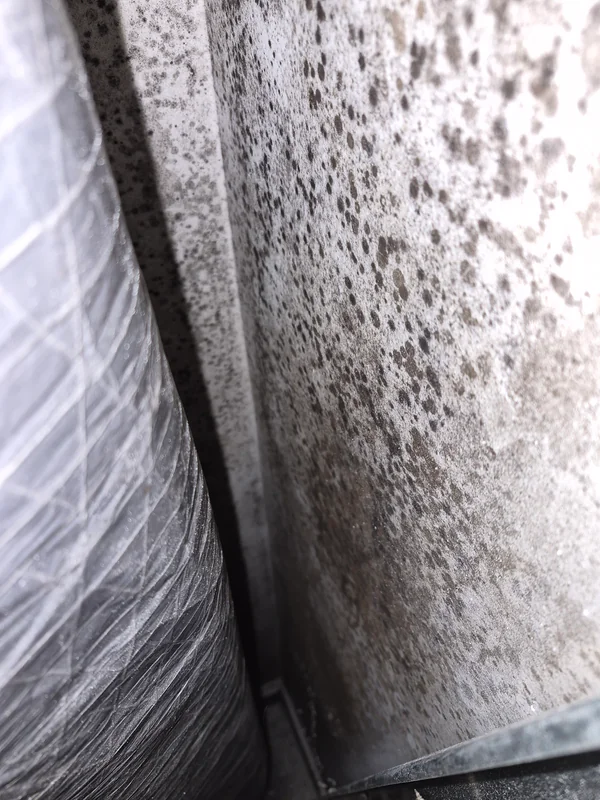
It starts with a free inspection. Before any work is quoted or scheduled, we send a certified inspector to assess the actual condition of your system not just the registers you can see, but the interior duct runs, the evaporator coils, and the areas where mold most commonly develops in humid environments like the Bucktoe Creek corridor. You get upfront pricing based on what’s actually there. No surprises, no add-ons that weren’t discussed.
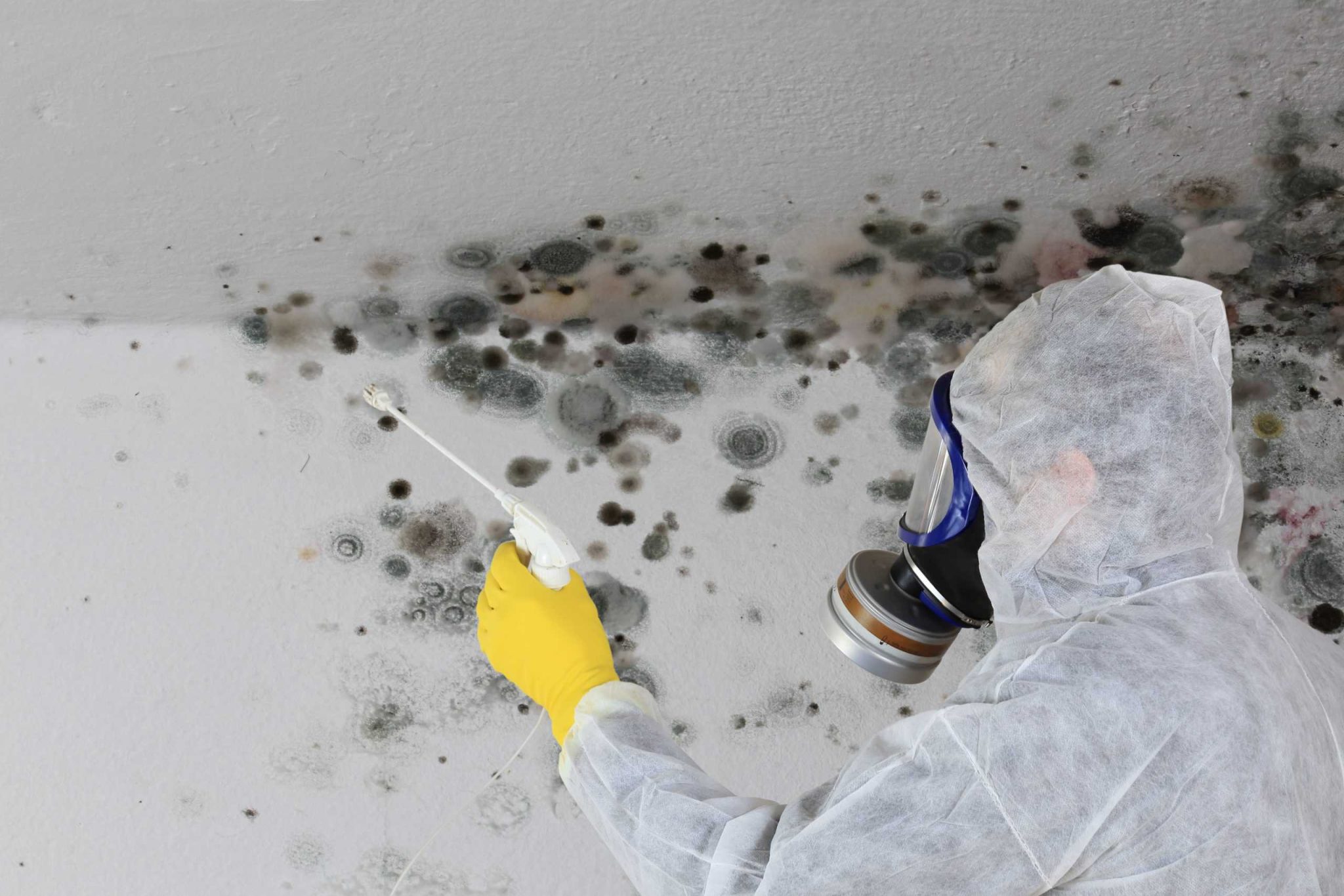
If mold is confirmed, the process follows remediation protocols not standard duct cleaning shortcuts. That means containment to prevent spore spread during the cleaning, mechanical removal of contaminated material, and air duct sanitizing to address biological contamination that physical cleaning alone doesn’t eliminate. In homes near Bucktoe, where ambient humidity from both the creek valley and the surrounding agricultural environment is a year-round factor, skipping the sanitizing step isn’t a real option if you want the problem to stay gone.
After the work is complete, we test the affected areas to confirm the mold has been eliminated. That’s not standard practice in this industry most companies clean and leave. The post-cleaning lab verification is how you know the job actually worked, not just that someone ran equipment through your vents. If your system is clear, you’ll have documentation that says so.
Ready to get started?
Our air duct cleaning covers the full HVAC system supply lines, return ducts, and the interior components where moisture collects and mold takes hold. In homes along the Bucktoe Creek watershed, that often means paying particular attention to return air pathways where ground-level humidity enters the system from crawl spaces and basement areas. Homes in New Garden Township and Kennett Township range from historic farmsteads with aging ductwork to larger newer builds like those in The Preserve at New Garden and each type presents different conditions that affect how the cleaning is approached.
Air duct sanitizing is included when mold is confirmed. Mechanical cleaning removes the physical debris and contaminated material, but an antimicrobial treatment is what addresses the biological residue left behind. In a high-humidity environment like southern Chester County, that step is what separates a real remediation from a temporary fix.
We also offer dryer vent cleaning and take it seriously, especially in older rural properties in the Bucktoe area where vent routing can be longer or more complex than in standard suburban construction. The NFPA reports that failure to clean dryer vents is the leading cause of dryer-related house fires nearly 16,000 per year nationally. We handle dryer vent cleaning as a genuine fire safety service, not an upsell. Financing is available, and we work directly with insurance companies when a mold discovery becomes part of a larger claim.

It’s a fair question, and the honest answer is yes it’s a real and documented factor. Mushroom cultivation requires carefully controlled high-humidity growing environments, and the composting operations that support those farms generate significant moisture and organic particulate matter. With more than 50 commercial mushroom farms operating within 25 miles of Kennett Square, the ambient air in southern Chester County including the Bucktoe area carries elevated moisture levels compared to most other parts of Pennsylvania.
Your HVAC system pulls that air in continuously. Evaporator coils and drip pans are designed to manage condensation, but in a persistently humid environment, they accumulate moisture faster than they do in drier climates. Mold colonizes those surfaces and spreads into the ductwork from there. A regional mold and water damage company that specifically serves the Kennett Square area has publicly identified “high humidity from mushroom farming operations” as a documented contributor to mold growth in local homes. That’s an environmental condition specific to where you live in Bucktoe. It’s one of the reasons a certified mold specialist, not just a general duct cleaner, is the right call for homes in this area.
The most common sign is a musty smell that appears specifically when your HVAC system runs not a general house smell, but something that kicks in with the airflow. Other indicators include worsening allergy or respiratory symptoms that don’t have another obvious explanation, visible discoloration around vent registers, or a history of moisture issues in the home like basement flooding or crawl space dampness.
The honest answer is that you can’t confirm mold in your ducts without an inspection. The interior of a duct system isn’t visible from the register, and mold typically grows in the darker, damper interior sections not at the opening where you’d see it. Dust buildup alone looks different from mold contamination, and treating one like the other leads to either unnecessary work or a missed problem. We offer free inspections specifically so you don’t have to guess. A certified inspector will assess what’s actually in your system and give you a straight answer before any work is proposed. For homes in the Bucktoe area where the local humidity environment creates real mold risk, that inspection is the right starting point.
This is one of the most important questions homeowners ask after a remediation job, and the answer depends on whether your HVAC system was assessed during the original work. In many cases, it wasn’t. Mold remediation in a basement or crawl space addresses the visible growth and the moisture source, but if your return air ducts pull from that space which is common in homes in New Garden Township and Kennett Township the ductwork may have been drawing contaminated air for months or longer before the mold was discovered.
If that’s the case, the ducts can recontaminate a remediated space. You fix the basement, but the HVAC system continues circulating spores from what’s already inside the ductwork. This is especially relevant in the Bucktoe area, where baseline humidity from the creek valley and the surrounding agricultural environment means conditions that allowed mold to grow in the first place don’t disappear after a single remediation job. We can inspect your duct system specifically in the context of a recent remediation assessing whether the HVAC was affected and what, if anything, needs to be addressed to prevent recurrence.
They’re two separate steps that address two different aspects of the problem. Air duct cleaning is the mechanical process physically removing debris, dust, and contaminated material from inside the ductwork using professional equipment. It clears out what’s physically present in the system. Air duct sanitizing is the follow-up treatment applying an antimicrobial solution to the interior surfaces to address biological residue that mechanical cleaning alone doesn’t eliminate.
When mold is confirmed in a duct system, cleaning without sanitizing leaves behind the biological material that mold feeds on. In a high-humidity environment like southern Chester County, that’s not a theoretical risk it’s a practical one. The conditions that allowed mold to grow in the first place don’t change just because the visible growth was removed. Sanitizing is what makes the difference between a temporary fix and a result that holds. We include air duct sanitizing when mold is confirmed in the system, because doing the cleaning without it in this environment doesn’t make sense. The two steps work together, and skipping the second one undermines the first.
The standard industry recommendation is every three to five years for most homes under normal conditions. But “normal conditions” doesn’t describe the Bucktoe area particularly well. Homes near the Bucktoe Creek watershed sit in a low-lying creek-valley terrain where groundwater is close to the surface and ambient humidity is persistently elevated not just during humid summer months, but year-round. Chester County receives around 46 inches of rain annually, and the drainage patterns along the Red Clay Creek system mean that moisture intrusion into crawl spaces and basements is a recurring reality for many properties in New Garden and Kennett Townships.
In that environment, the three-to-five-year general guideline should be treated as a ceiling, not a target. Homes that have experienced any flooding, water intrusion, or basement moisture issues warrant an inspection sooner. The same applies if you’ve noticed any musty odor from the vents, if allergy symptoms have worsened without another explanation, or if it’s been more than a few years since the system was last professionally assessed. A free inspection from us will give you a clear picture of where your system actually stands no guessing required.
It’s a legitimate fire safety concern, not a maintenance preference. The National Fire Protection Association reports that fire departments respond to nearly 16,000 dryer-related house fires every year, and failure to clean the dryer vent is the leading cause. That’s a statistic backed by fire safety organizations that consistently recommend annual dryer vent inspections.
For properties in the Bucktoe area, this matters for a specific reason. The housing stock in New Garden Township and Kennett Township includes a mix of older rural homes and farmsteads where dryer vent routing can be longer, more complex, or partially obstructed compared to standard suburban construction. Longer vent runs accumulate lint faster and are harder to clear with a basic brush kit. A professional cleaning reaches the full length of the duct, removes the buildup that creates fire risk, and confirms the vent is properly exhausting to the outside. If you’re in an older property in the area or if you’ve never had the vent professionally cleaned since moving in it’s worth having it checked. We handle dryer vent cleaning as part of the same visit when it makes sense to combine services.
Other Services we provide in Bucktoe