
Hear from Our Customers
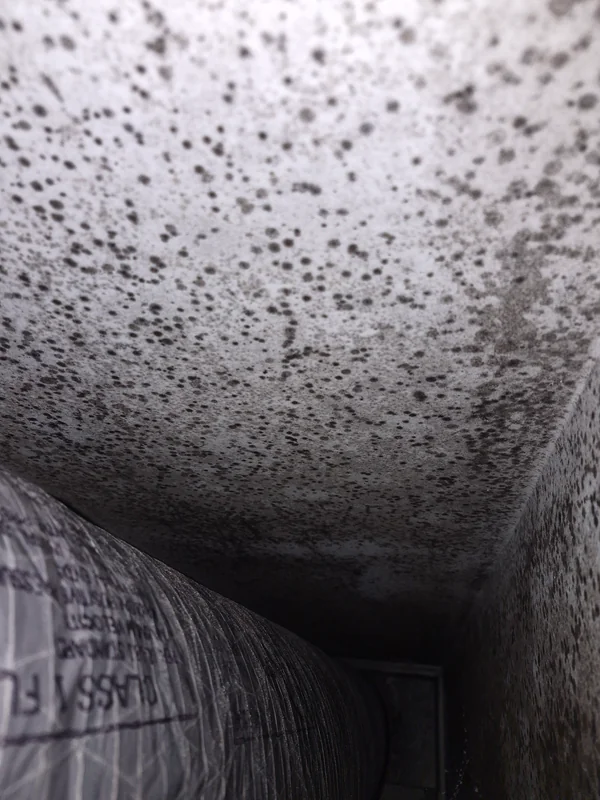
Most Bridesburg homes were built before 1939. That means original ductwork, stone and brick foundations that wick moisture year-round, and systems that in many cases have never been professionally inspected. When you fire up the heat in October or flip on the AC in May, whatever has been sitting in those ducts dust, debris, mold spores gets pushed into every room at once.
What changes after a proper cleaning is real and immediate. The musty smell that hits you when the system kicks on goes away. If you’ve had allergy or asthma symptoms that seem worse indoors than out, that pattern often shifts. For families with kids or anyone already dealing with respiratory issues, this matters more than it might in a newer home elsewhere in the city.
Bridesburg sits between two significant pollution sources I-95 to the west and the Delaware River industrial waterfront to the east. Published research has specifically named this neighborhood for elevated outdoor particulate levels and higher asthma rates tied to that corridor. Every time your HVAC draws in outdoor air here, it’s pulling from one of the more pollutant-heavy environments in Northeast Philadelphia.
Cleaning the ductwork doesn’t eliminate what’s outside, but it stops the indoor accumulation from compounding what you’re already dealing with. That’s the real value of a proper duct cleaning in Bridesburg it addresses what’s circulating inside your home right now.
We’re based in Bensalem about 10 to 12 miles north of Bridesburg, straight up I-95. That’s the same highway that runs along Bridesburg’s western edge. When you call about an urgent situation, the response time is real, not a marketing claim.
We’ve been doing this for over 15 years. Certified mold inspectors. Customized plans based on what’s actually in your home. And an owner who shows up, gets named in reviews, and stays involved from inspection through final testing. That’s not common in this industry.
We serve Philadelphia County directly Bridesburg is squarely within our service area, not a stretch or a special trip. If you’ve had water come in from Frankford Creek flooding or you’re buying an older rowhouse on Harbison or Orthodox and want to know what’s actually circulating through those vents, we’re the team that can tell you with certainty.

It starts with a free inspection. Before anything gets touched, a certified technician assesses the system what’s in the ducts, where moisture may be entering, and whether there’s visible or suspected mold growth. In a Bridesburg rowhouse, this step matters more than it does in a newer detached home. Shared walls, aging return air pathways, and basement-level ductwork running through a space that’s seen decades of groundwater exposure all affect what a technician is looking for and how we approach the job.
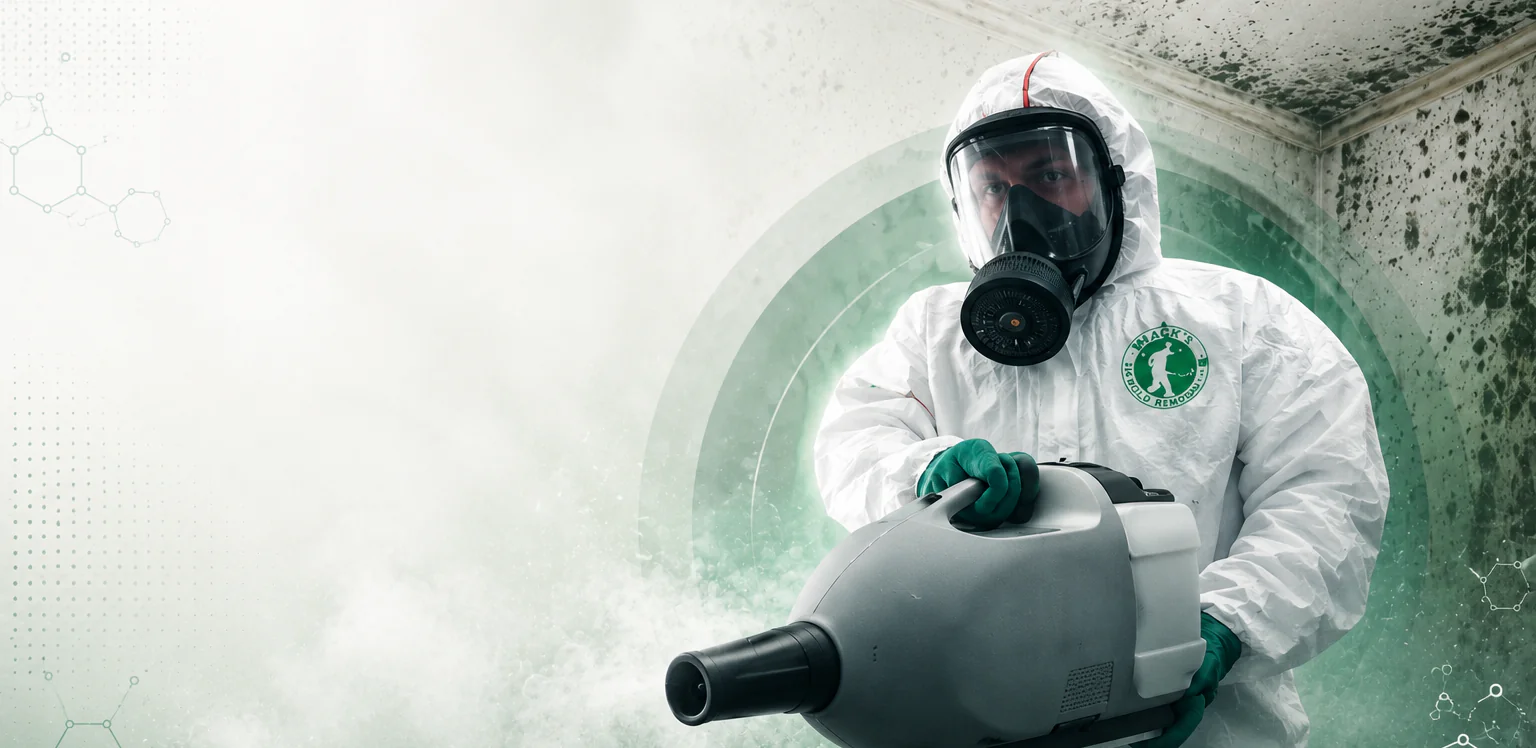
Once the assessment is done and you know exactly what you’re dealing with, the cleaning itself uses professional-grade equipment negative air pressure systems and HEPA vacuums that contain what’s being removed rather than redistributing it. If mold is present, containment protocols are in place before anything is disturbed. This is the part that separates a certified mold remediation specialist from a general duct cleaner. Disturbing mold without containment spreads spores. We don’t skip that step.
After the cleaning, affected areas are tested to confirm the mold is gone not just cleaned around. You get documentation. You get a clear answer. If there’s an insurance claim involved which is common when Frankford Creek flooding or a plumbing failure in an older Bridesburg home is the trigger we work directly with insurers and handle the documentation side so you’re not managing that process alone.
Ready to get started?
Air duct cleaning covers your full system both supply and return ducts. Any company that only cleans one side isn’t doing the job properly. We also offer air duct sanitizing, which is a separate step from mechanical cleaning. Cleaning removes the physical buildup. Sanitizing applies antimicrobial treatment to address any remaining biological contamination. When mold is confirmed or suspected in a duct system, both steps are typically necessary.
Dryer vent cleaning is also part of what we handle, and in Bridesburg’s rowhouses it’s worth taking seriously. Attached homes have longer vent runs with more bends to reach a legal exterior termination. Aging foil flex duct which should not be used in dryer vent applications but shows up frequently in older Philadelphia homes creates lint-trap points that a standard suburban vent run doesn’t have. The NFPA reports over 15,000 dryer-related house fires annually in the U.S., with failure to clean the vent as the leading cause. In a rowhouse where a fire moves wall to wall, that’s not a risk worth ignoring.
For homeowners dealing with mold discovered elsewhere in the house a basement, a bathroom ceiling, a wall cavity we also conduct post-remediation air duct assessments to confirm the HVAC system hasn’t become a distribution point for what was just removed. That follow-through is something most standalone duct cleaners aren’t equipped to offer.
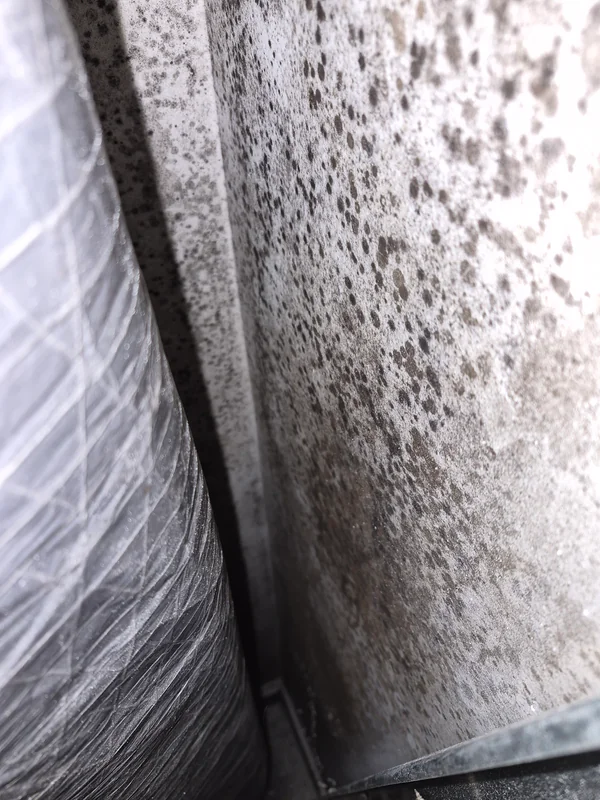
Yes, and the sooner the better. When water enters a basement or lower level whether from Frankford Creek flooding, a burst pipe, or stormwater backup it can reach HVAC return air intakes, floor-level registers, and ductwork running through the affected space. Mold begins colonizing within 24 to 48 hours of moisture exposure. By the time things look and smell dry, the biological process may already be underway inside the duct system.
The concern with older Bridesburg rowhouses specifically is that the ductwork often runs through or near the basement, and many of these homes have stone or brick foundations without modern waterproofing. That means moisture doesn’t just come in during a flood event it seeps in persistently. A post-flood air duct inspection from a certified mold specialist gives you a clear picture of what’s in the system before it becomes a whole-house air quality problem every time the HVAC runs.
The most common sign is a musty smell that appears or intensifies when the HVAC system turns on. If the smell is present throughout the house but you can’t find a visible source, the duct system is often where it’s coming from. Other indicators include worsening allergy or asthma symptoms indoors, visible discoloration around vent registers, or a history of water intrusion anywhere in the home.
The honest answer is that you can’t confirm mold in ductwork without a proper inspection. Most of the contamination if it’s there is deep inside the system, not visible at the register. A certified mold inspector can assess the system, take samples where needed, and send them to a lab for analysis. That’s the only way to know for certain what you’re dealing with, and it’s the step that tells you whether cleaning alone is sufficient or whether full mold remediation is needed before the ducts are touched.
This is one of the most important questions to ask after a mold remediation job, and it doesn’t get asked often enough. The HVAC system is frequently the last place checked during a remediation project, but it’s often the most consequential. If mold was present in a basement, a wall cavity, or a bathroom and the HVAC was drawing return air from that space there’s a real chance spores entered the duct system before the source was addressed.
If the ducts are contaminated and not treated, every time the system runs it redistributes those spores to every room in the house. A remediated space can be recontaminated within weeks. We conduct post-remediation air duct assessments specifically for this scenario and test the system after cleaning to confirm the mold is actually gone not just disturbed and moved around. That post-verification step is what gives you confidence the full job is done.
A proper air duct cleaning typically takes four to six hours for most homes. In a Bridesburg rowhouse, the timeline can vary based on the age of the system, how accessible the ductwork is, and whether mold is present and requires containment protocols before cleaning begins. Homes with original pre-war ductwork or systems that have never been professionally serviced sometimes take longer because there’s more accumulated buildup and more careful assessment required upfront.
What you want to avoid is a job that’s done in under an hour. That’s not enough time to clean both supply and return ducts properly. A legitimate professional cleaning involves a pre-inspection, mechanical cleaning of the full system using negative air pressure equipment, and documentation of what was found and removed. If mold is involved, add containment setup and post-cleaning testing to that timeline. Faster is not better here the job takes as long as it takes to do correctly.
They’re two separate steps that address two different problems. Air duct cleaning is the mechanical process using professional equipment to physically remove dust, debris, lint, and biological buildup from the inside of the duct system. It’s the foundation of the job and has to happen first.
Air duct sanitizing comes after. It involves applying an antimicrobial treatment to the cleaned duct surfaces to address any remaining biological contamination that mechanical cleaning alone doesn’t fully eliminate. When mold is confirmed or suspected in the system, sanitizing is typically the necessary follow-up to cleaning not an optional add-on. For Bridesburg homeowners dealing with the combination of aging housing stock, persistent ambient moisture from the Delaware River and Frankford Creek geography, and the elevated outdoor particulate load from the I-95 corridor, having both steps done when mold is involved gives you a more complete result than cleaning alone.
The main difference is what happens when mold is actually part of the problem. A standard duct cleaning company removes physical debris. That’s useful for routine maintenance. But if you’re dealing with a musty smell from the vents, a history of flooding or water intrusion, or a prior mold job elsewhere in the house, the concern isn’t just dust it’s biological contamination inside the duct system. That requires a different level of expertise.
We bring certified mold remediation credentials to the air duct cleaning process. That means proper containment before anything is disturbed, lab testing to confirm what’s present, and post-cleaning verification that mold is actually gone rather than redistributed. The local competitors serving Bridesburg for duct cleaning are primarily HVAC maintenance companies and general cleaning operators none with mold certification. For a neighborhood with Bridesburg’s specific combination of pre-war housing stock, riverine moisture exposure, and industrial-corridor air quality, having a certified mold specialist handle the duct system isn’t overkill. It’s the right call.
Other Services we provide in Bridesburg