
Hear from Our Customers

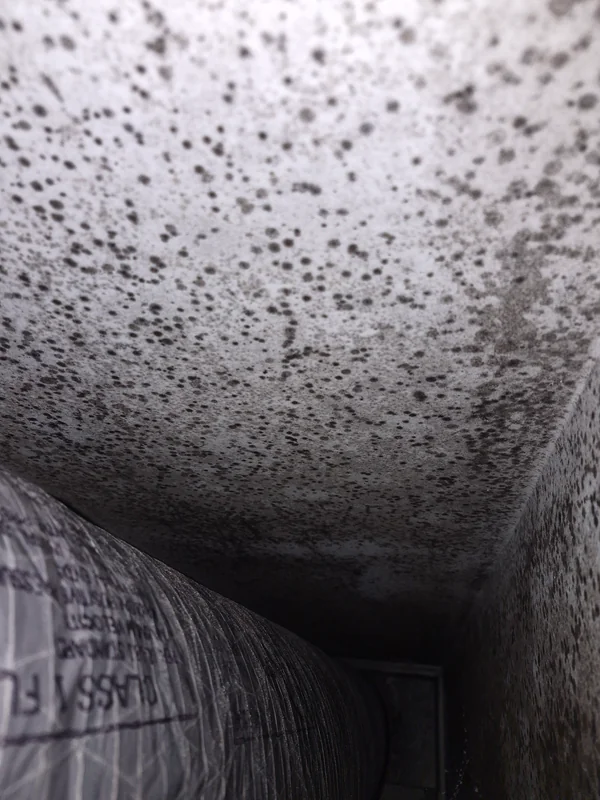
Most people don’t think about their air ducts until something forces them to a musty smell, worsening allergies, or a mold discovery somewhere else in the house. By the time those signs show up, the ductwork has usually been circulating the problem for a while. Getting the ducts cleaned and inspected by someone who actually understands mold gives you a clear picture of what’s happening inside your system, not just what’s visible at the register.
For Brewerytown specifically, that matters more than it does in most places. Roughly 70% of homes here were built between the late 1800s and the 1950s long before central air conditioning existed. When AC was retrofitted into those old building shells, ductwork got run through basement ceiling cavities, along exterior brick walls, and through uninsulated spaces that were never designed to stay dry. Philadelphia’s summers push outdoor dew points past 65°F regularly, and that humidity finds its way into those duct runs. The result is condensation inside the system, and in a dark, enclosed space, condensation feeds mold.
There’s also the shared wall factor. Brewerytown is built almost entirely of attached rowhouses, which means your home shares a masonry party wall with the property next door. When a neighbor has a basement flooding event from storm sewer backup, a plumbing failure in a vacant unit, or groundwater pushed through by Philadelphia’s clay-heavy soil that moisture can migrate through the shared wall into your home without you ever seeing a drop. By the time it reaches your ductwork, the mold is already there. Getting your ducts inspected after any kind of moisture event in the neighborhood isn’t paranoia. It’s the right call.
We’ve been doing this for over 15 years, and the work shows in how we approach a job. This isn’t a general cleaning crew that added air ducts to a service menu we’re a certified mold remediation company that brings inspection-grade knowledge to every duct cleaning job. When mold is involved, that distinction matters. A standard duct cleaning crew that disturbs mold without proper containment protocols can spread spores to every room in the house. We know how to handle what we find.
We’re based in Bensalem, PA, and serve Philadelphia County directly Brewerytown included. The Schuylkill Expressway puts us within reach of Girard Avenue in under 30 minutes, and our 24/7 availability is real, not a marketing line. Multiple customers have specifically noted that our owner got back to them the same day they called and was on-site the next morning. That kind of responsiveness is hard to find, and in a neighborhood like Brewerytown where the housing stock creates genuine mold risk, it’s the kind of thing that actually matters when you need it.
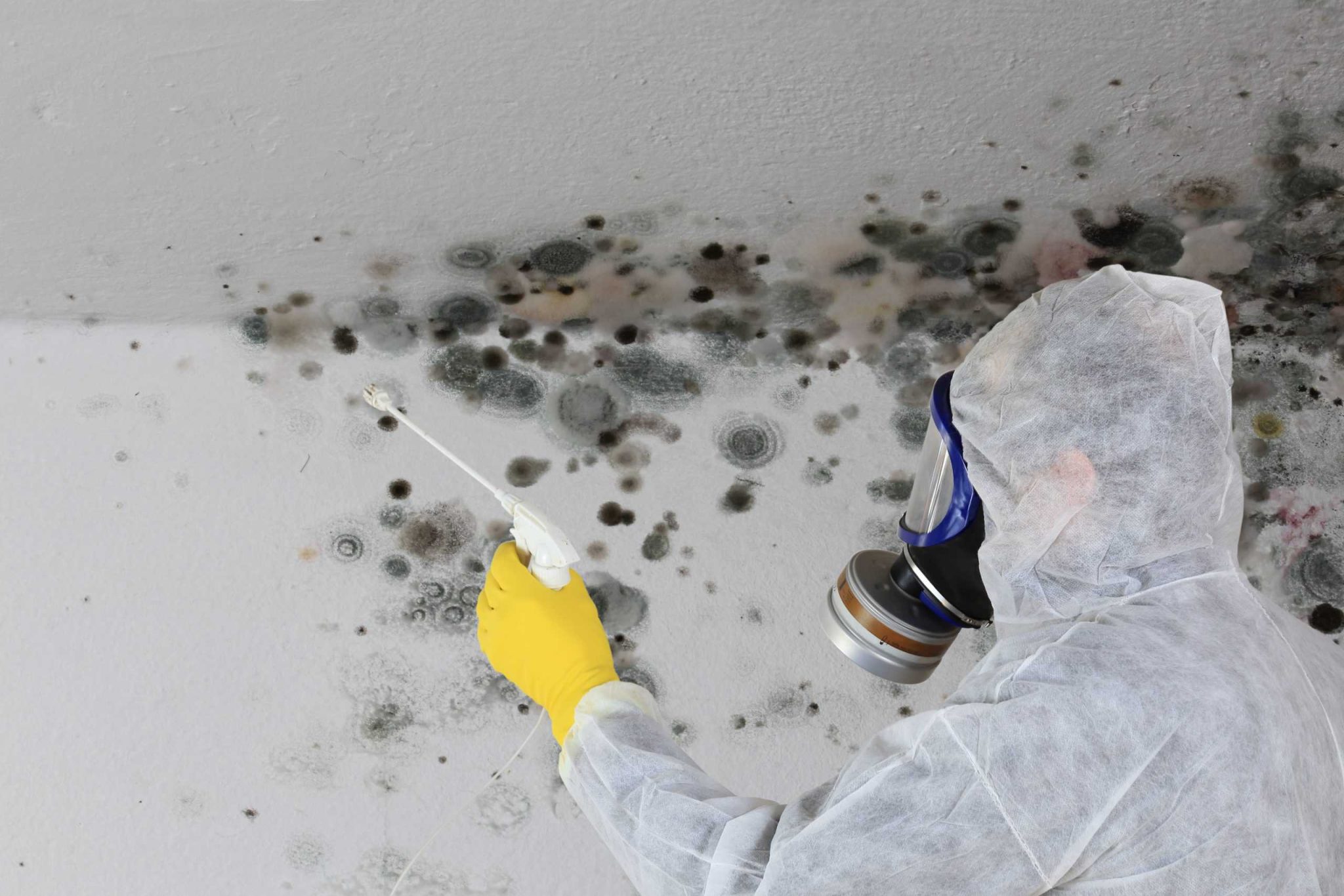
It starts with a free inspection. Before any work gets quoted or scheduled, we come out to look at what’s actually going on inside your system. In a Brewerytown rowhouse, that means checking not just the visible registers but the duct runs through basement ceilings, the connections between old and retrofitted sections, and any areas where moisture could have entered from a shared wall or foundation. If mold is present, samples are sent to a lab for analysis so the removal strategy is based on what’s actually there, not a guess.
Once the inspection is complete, you get upfront pricing before anything starts. The quote you receive is the price you pay. From there, the cleaning itself involves proper containment to make sure any mold that gets disturbed during the process doesn’t travel to other parts of the house. This is the step that separates a mold specialist from a standard duct cleaning crew, and it’s especially important in an attached rowhouse where air pathways connect more of the structure than most people realize.
After the work is done, we test the affected areas to confirm the mold is gone. That’s not standard practice in this industry most companies clean and leave. The post-remediation verification step is something customers have specifically called out in reviews as the reason they trusted the outcome. You’re not taking anyone’s word for it. There’s documentation.
Ready to get started?
Air duct cleaning covers the full system supply ducts, return ducts, and the connections in between. Cleaning only one side of the system is a common shortcut that leaves the problem half-addressed, and we don’t work that way. When mold is confirmed in the ductwork, air duct sanitizing is included as a follow-up step that means applying an antimicrobial treatment after the mechanical cleaning to address biological contamination that physical removal alone doesn’t fully eliminate. Cleaning removes what you can see and reach. Sanitizing handles what’s left behind.
Dryer vent cleaning is also available, and in a Brewerytown rowhouse it’s more of a fire safety concern than a routine maintenance item. Philadelphia rowhouses typically run dryer vents horizontally through exterior walls, often with multiple turns and longer duct runs than a straight exterior exit would require. The NFPA reports that failure to clean dryer vents is the leading cause of dryer-related house fires roughly 15,970 per year nationally. In a rowhouse configuration where the vent path is indirect and lint accumulates faster, that risk is real and specific.
For homeowners who’ve recently purchased a renovated Brewerytown property, HVAC mold remediation may be the most important service on the list. Many properties in this neighborhood sat vacant for years before being flipped and renovation crews typically replace kitchens, baths, and floors without touching the ductwork. If that ductwork spent years in an unheated, moisture-exposed building, what’s inside it didn’t disappear when the new countertops went in. Our free inspection gives you a straight answer before you start running that system full-time.
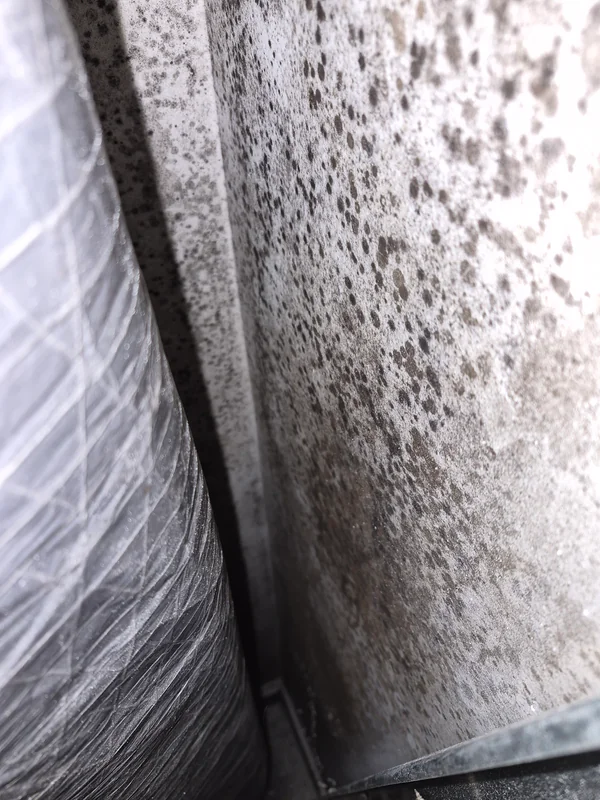
The most common sign is a musty smell that appears specifically when the HVAC system kicks on not a general basement smell, but something that gets stronger when air starts moving through the vents. You might also notice that allergy or respiratory symptoms are worse at home than they are outside, or that visible discoloration appears near the registers on walls or ceilings. In a Brewerytown rowhouse, these signs can show up even without a visible water event in your own unit because moisture from a neighboring property can migrate through shared masonry walls and reach your ductwork without you ever seeing a drop.
The only way to know for certain is an inspection. We offer free inspections, and when mold is suspected, samples are sent to a lab for analysis rather than relying on a visual assessment alone. That matters in older Brewerytown homes where mold can be present deep inside duct sections or behind duct liner that isn’t visible from the register. A lab result tells you what you’re dealing with and informs the right approach for removing it.
The $99 air duct cleaning offer is one of the most well-documented scams in the home services industry. The way it typically works: a company quotes a low number to get in the door, then identifies “additional problems” once they’re inside and pressures you into a final bill that’s several times the original quote. Consumer Reports and the National Air Duct Cleaners Association have both documented this pattern extensively. In a dense urban market like Philadelphia, where there’s no shortage of contractors competing for the same jobs, that bait-and-switch approach is especially common.
A legitimate air duct cleaning job done correctly, with proper equipment and containment takes four to six hours for most homes and is priced accordingly by the National Air Duct Cleaners Association at between $450 and $1,000 for a typical residence. We start with a free inspection and provide upfront pricing before any work begins. The price you’re quoted is the price you pay. For a Brewerytown homeowner who’s already navigating the costs of maintaining an older property, that kind of transparency isn’t a small thing.
The general industry recommendation is every three to five years for a typical home, but that baseline assumes relatively stable conditions no flooding, no mold history, no major renovation, no rodent activity. For an older Brewerytown rowhouse, several factors push that timeline shorter. Homes built before the 1950s with retrofitted ductwork running through uninsulated basement cavities are more vulnerable to moisture accumulation than newer construction. Philadelphia’s average outdoor relative humidity sits around 68% annually consistently above the 60% threshold at which mold growth accelerates indoors. That ambient moisture doesn’t disappear just because the windows are closed.
Beyond the regular maintenance cycle, there are specific situations that should trigger an inspection regardless of when the last cleaning happened: after any basement flooding event, after purchasing a renovated property that was previously vacant, after discovering mold anywhere else in the home, or after noticing a musty smell when the HVAC system runs. In a neighborhood like Brewerytown where active renovation and shared party walls create ongoing moisture risk, treating duct cleaning as a fixed-interval task rather than a condition-based one can mean missing a real problem between scheduled visits.
Air duct cleaning is the mechanical process physically removing dust, debris, and biological buildup from inside the duct system using specialized equipment. Done correctly, it involves negative air pressure to pull contaminants out rather than pushing them further into the system, along with HEPA-filtered vacuums to capture what gets dislodged. This step addresses the physical accumulation inside the ducts and is the foundation of any proper service.
Air duct sanitizing is a separate step that follows the cleaning. It involves applying an antimicrobial treatment to the interior surfaces of the duct system to address biological contamination mold spores, bacteria, and other microorganisms that mechanical cleaning alone doesn’t fully eliminate. Think of it this way: cleaning removes what you can physically extract. Sanitizing addresses what remains on the surfaces after extraction. When mold is confirmed in the ductwork, both steps are necessary. Doing one without the other leaves the job incomplete. For Brewerytown homeowners dealing with mold that originated from moisture intrusion whether from your own basement, a flooding event, or moisture migration through a shared party wall skipping the sanitizing step means the conditions for regrowth are still present even after the visible mold is gone.
Yes, and the HVAC system is actually one of the most efficient ways mold spreads through a home. Every time the system runs, air moves through the duct network and gets distributed to every room with a supply register. If mold is growing inside the ductwork on the interior duct surfaces, on the duct liner, or on the evaporator coils each heating or cooling cycle carries spores from that contaminated section into the rest of the living space. A mold problem that starts in one section of the duct system becomes a whole-house problem over time.
In a Brewerytown rowhouse, this is particularly relevant because the ductwork often runs through basement ceiling cavities that are directly adjacent to the foundation walls most vulnerable to moisture intrusion. Mold that establishes itself in that section of the system gets distributed upward through every floor of the home every time the system runs. This is also why proper containment during the cleaning process matters disturbing mold inside the ducts without sealing off the system first can spread spores in the same way the HVAC system does, just faster. We use containment protocols during remediation specifically to prevent that from happening.
Yes. We work directly with insurance companies on mold-related claims, which is relevant for Brewerytown homeowners whose duct mold stems from a covered event typically a sudden water intrusion like a burst pipe, a storm sewer backup, or flooding from an adjacent property. Philadelphia’s aging combined sewer infrastructure is a documented issue across North Philadelphia neighborhoods, and when that system backs up during a heavy rain event, the resulting water damage and subsequent mold growth may qualify as a covered loss depending on your policy.
Navigating an insurance claim for mold remediation involves documentation lab results, inspection reports, before-and-after records and having a company that already understands that process makes a significant difference. We handle the communication with your insurer directly, which means you’re not left translating technical findings into claim language on your own. The post-remediation lab testing that we conduct after every mold job also produces the kind of documented proof that insurers require to close a claim. For property owners in Brewerytown managing a flooding-related mold situation, that combination of remediation expertise and insurance navigation is a meaningful practical advantage.
Other Services we provide in Brewerytown