
Hear from Our Customers
Most air duct cleaning companies talk about dust and allergens. In Aquetong, the real conversation starts somewhere else with stone walls that hold moisture, ductwork retrofitted into structures built in the 1700s, and a creek valley that keeps the ground wet year-round. That combination creates conditions that a standard duct cleaning company has never had to think about.
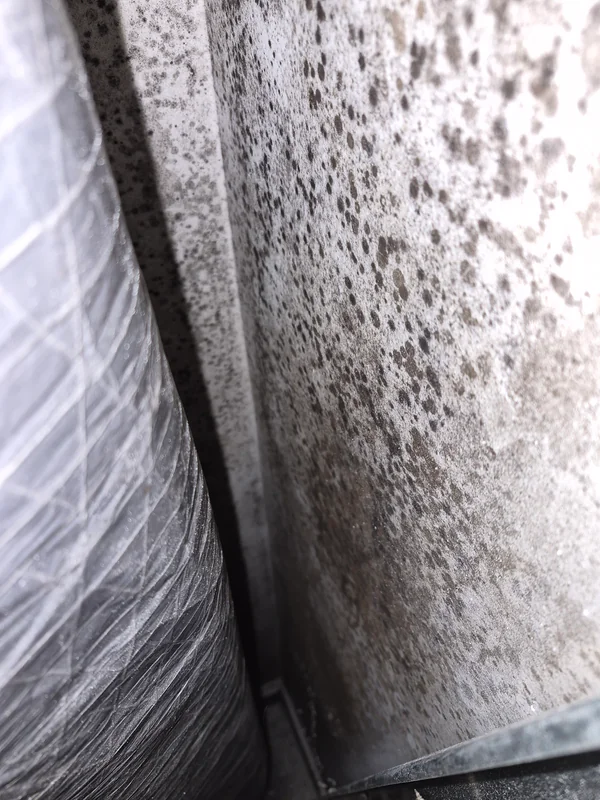
When Aquetong Creek runs through your property and Bucks County’s 49 inches of annual rainfall keeps the soil saturated, that moisture doesn’t stop at your foundation. It works its way into crawl spaces, rises into wall cavities, and eventually finds a home inside your HVAC system. By the time you notice a musty smell when the heat kicks on, the problem has usually been building for a while.
What changes after a proper cleaning and inspection isn’t just air quality in the abstract it’s the smell when the system runs, the confidence that what your family is breathing has actually been tested and verified, and the peace of mind that comes from knowing someone looked at your specific system, in your specific type of home, and actually understood what they were dealing with.
We’re based in Bensalem, PA not a regional call center, not a national franchise dispatching crews from three counties over. We’ve been working inside Bucks County homes for over 15 years, including the older stone and timber-frame properties that define the Solebury Township and Aquetong area. That matters when the job involves retrofitted ductwork running through 18th-century construction.
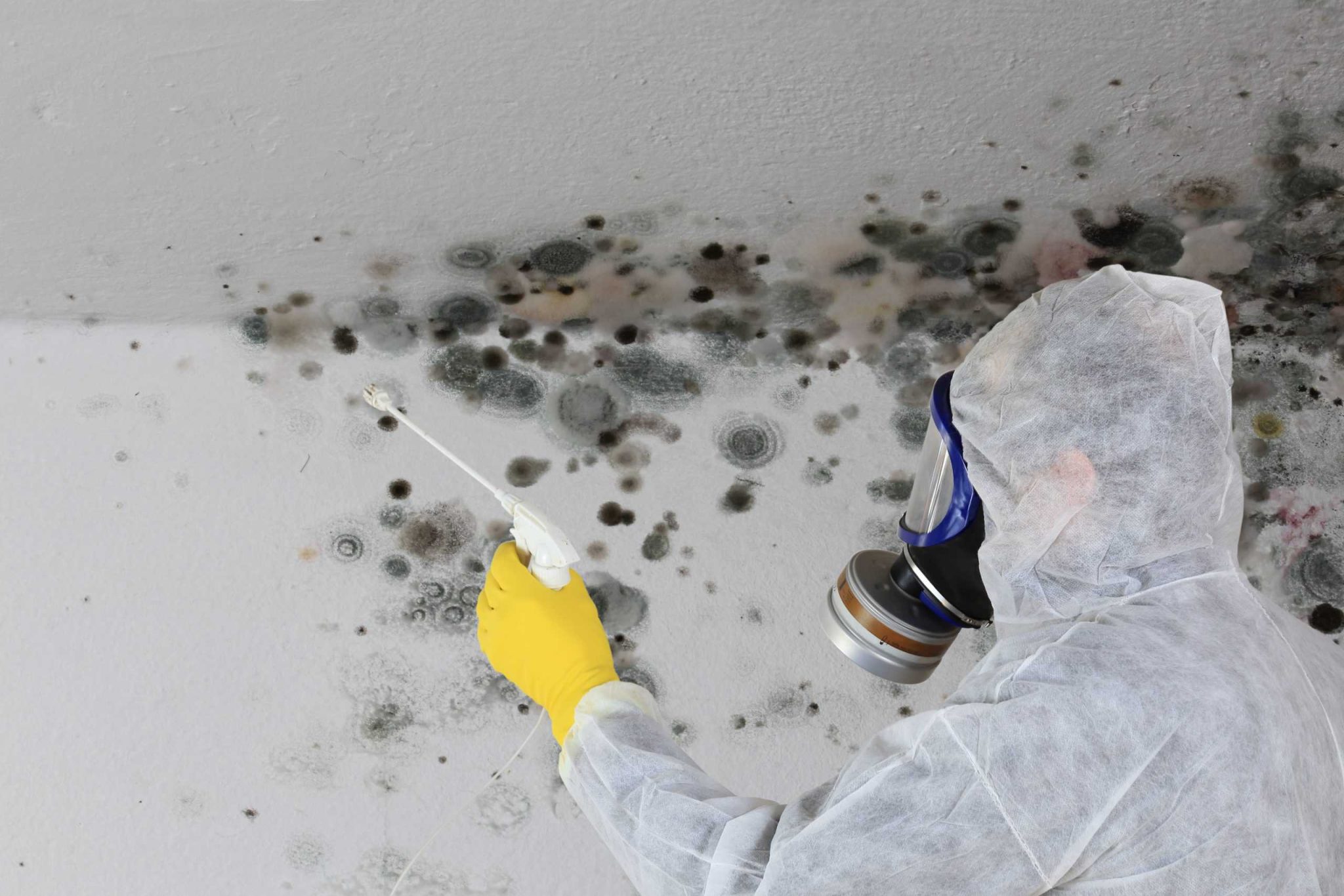
The difference between a mold remediation specialist and a general duct cleaner is significant when you’re dealing with a historic property. Disturbing mold inside ductwork without proper containment protocols can spread spores through the entire structure. Our certified inspectors approach every job with that risk in mind we contain first, clean second, and verify the results with post-service testing before we call the job done.
We’ve tested hundreds of homes across Aquetong and the surrounding Bucks County area. We know what creek-adjacent moisture does to a basement and what that eventually means for the HVAC system above it. That local experience isn’t a marketing line it shows up in how the inspection is scoped and how the work gets done.
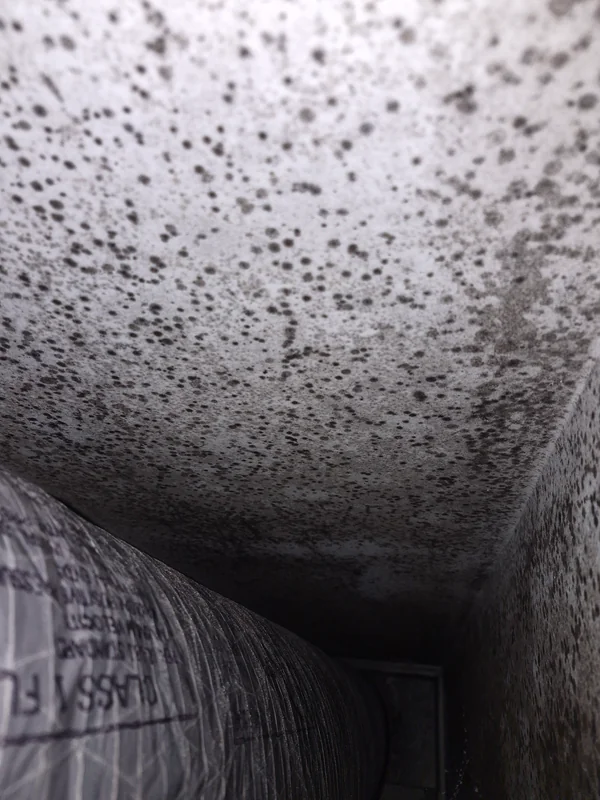
It starts with a free inspection. Before any equipment comes out, one of our certified inspectors walks the property, reviews the HVAC system layout, and identifies where moisture intrusion is most likely to have reached the ductwork. In homes along Aquetong Road and the surrounding Solebury Township area, that often means paying close attention to below-grade duct runs, basement air handlers, and any section of ductwork passing through an exterior stone wall all common condensation points in older construction.
Once the scope is clear, containment comes first. If mold is present, we isolate the affected sections before cleaning begins. This is where the mold remediation background matters a crew without that training will clean the duct and potentially push spores into the living space. We don’t skip that step. Our mechanical cleaning uses professional-grade equipment that creates negative air pressure inside the system, pulling debris out rather than redistributing it.
After the cleaning is complete, we apply sanitizing to address any residual biological contamination that mechanical removal alone can’t reach. Then comes the part most companies skip entirely: post-service testing. We test the affected areas after the job to confirm the results. You get documentation, not just a verbal assurance. For a large, multi-zone historic property in Aquetong, that verification step is what separates a cleaning from a solution.

Ready to get started?
We handle air duct cleaning, HVAC duct cleaning, mold-specific remediation inside ductwork, air duct sanitizing, and dryer vent cleaning all under one roof, with the same certified team. For Aquetong homeowners, the dryer vent piece deserves a specific mention. Many of the older properties in this area have long, complex dryer vent runs the result of retrofitting laundry into structures where it was never originally planned. Long runs accumulate lint faster, restrict airflow more severely, and present a genuine fire risk. The NFPA tracks roughly 15,970 dryer-related house fires per year, and failure to clean the vent is the leading cause. In a historic stone home, that’s not a risk worth carrying.
Our air duct sanitizing service is a separate step from the mechanical cleaning, and it matters more in Aquetong than it would in a newer suburban home. Cleaning removes what’s physically there. Sanitizing addresses what’s left behind the residual spores and biological contamination that survive in the interior duct surface, especially in systems that have been running through damp, moisture-prone spaces for decades.
We also work directly with insurance companies when the inspection reveals something larger than a routine cleaning job. In older Aquetong properties, air duct mold is sometimes the first visible sign of a longer-standing moisture problem. If that’s what the inspection finds, we know how to document it and navigate the claims process something most standalone duct cleaners simply aren’t equipped to do.

The most common sign is a musty smell that appears specifically when your HVAC system runs not all the time, but right when the air kicks on. That pattern matters because it points to the ductwork itself rather than a localized source like a wet basement corner. In Aquetong’s older homes, where ducts often run through stone walls and below-grade spaces, condensation builds up in ways that create ideal mold conditions even when the rest of the house seems dry.
Other signs include worsening allergy or respiratory symptoms that don’t have an obvious cause, visible discoloration around vent registers, or a history of water intrusion in the basement or crawl space. If your property sits near Aquetong Creek or in the lower areas around the former lake bed along Route 202, elevated ground moisture is a real factor that increases the likelihood of HVAC contamination. A free inspection from us will give you a definitive answer not a guess.
It depends on why you’re asking. The EPA’s position on routine air duct cleaning absent a specific problem is genuinely nuanced. They don’t recommend it as standard annual maintenance. But their guidelines also explicitly state that cleaning is warranted when mold is confirmed in the ductwork, when there’s evidence of pest or rodent activity in the system, or when significant debris is blocking airflow. Those aren’t rare edge cases in Aquetong’s older housing stock they’re common findings in homes that have been standing for a century or more.
If you’re asking because your system smells, because you’ve had water damage or mold remediation done elsewhere in the house, or because you’ve just purchased an older property and have no record of the ductwork ever being serviced, the answer is yes it’s worth getting an inspection. You don’t have to commit to a cleaning to find out what’s actually in your system. Start with the inspection, and let the results drive the decision.
Yes, and that’s what makes HVAC mold different from mold in a single room or a basement corner. Every time your system runs, air moves through the contaminated duct section and carries spores with it distributing them to every room connected to that duct run. In a large, multi-zone home like many of those on Aquetong Road and throughout Solebury Township, that can mean spores reaching bedrooms, living spaces, and anywhere else the system serves.
This is also why the cleaning process matters as much as the decision to clean. If a technician disturbs mold inside ductwork without first containing the affected section, they can accelerate the spread rather than stop it. We use containment protocols before any mechanical cleaning begins the same approach used in full mold remediation jobs specifically because the risk of cross-contamination is real and needs to be managed before the cleaning equipment ever goes into the duct.
The general industry guidance is every three to five years for a typical home. But “typical” doesn’t describe most of what’s in Aquetong. A stone colonial farmhouse with retrofitted ductwork, a basement that borders a creek-fed water table, and decades of accumulated moisture in the wall cavities is a different situation than a 1990s suburban split-level. In homes like these, the inspection interval matters more than a fixed cleaning schedule getting eyes inside the system every few years lets you catch mold growth or debris buildup before it becomes a significant problem.
There are also specific triggers that should move inspection to the top of your list regardless of when the last cleaning happened: a water event in the basement or crawl space, visible mold elsewhere in the house, a recent renovation that generated significant dust, or purchasing the property without records of prior HVAC service. If you’ve recently bought a home in the Aquetong or Solebury Township area and don’t have documentation of the ductwork’s history, an inspection is a reasonable first step before the next heating or cooling season begins.
They’re two separate steps that address two different problems. Cleaning is mechanical it physically removes the dust, debris, and visible mold colonies from inside the ductwork using professional equipment and negative air pressure. Sanitizing comes after the cleaning and involves applying an antimicrobial treatment to the interior duct surface, targeting the residual spores and biological contamination that survive after the physical debris is gone.
In a newer home with no known moisture issues, cleaning alone might be sufficient. In Aquetong’s older properties where ductwork runs through stone walls, below-grade spaces, and areas with chronic moisture exposure sanitizing is the step that makes the cleaning complete. Mold spores are microscopic and can survive on duct surfaces even after a thorough mechanical cleaning. The antimicrobial treatment addresses what you can’t see and can’t reach with equipment alone. For homes with children, elderly residents, or anyone with respiratory sensitivities, skipping sanitizing after a mold-related cleaning leaves the job half finished.
Long dryer vent runs are common in Aquetong’s historic properties, where laundry was added to structures that were never designed for it. The vent often has to travel a significant distance sometimes with multiple bends to reach an exterior wall, and that length and complexity means lint accumulates faster and airflow restriction builds up more quickly than in a home with a short, straight run.
The clearest warning signs are a dryer that takes longer than one cycle to fully dry a load, the outside of the dryer feeling unusually hot during operation, a burning smell when the dryer runs, or the exterior vent flap not opening fully when the dryer is on. Any of these points to a restriction in the vent line. The NFPA tracks dryer-related house fires in the thousands annually, and the leading cause is a vent that hasn’t been cleaned. In a historic stone home where an interior fire would threaten irreplaceable structure and fabric, keeping the dryer vent clear isn’t optional maintenance it’s basic fire prevention. We handle dryer vent cleaning as part of the same service visit when needed, so you’re not scheduling a separate appointment.
Other Services we provide in Aquetong