

Hear from Our Customers
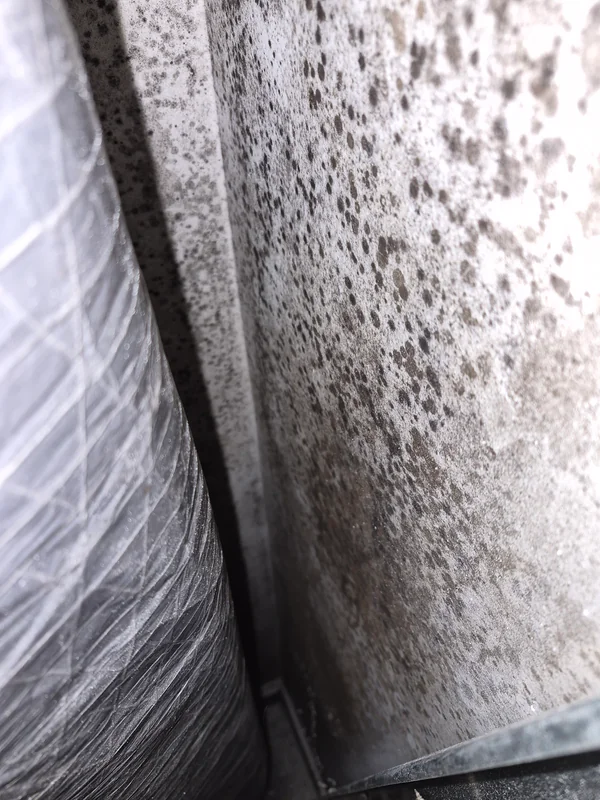
Most homeowners in Almont don’t think about their ductwork until something tips them off a musty smell when the furnace kicks on in October, allergy symptoms that won’t quit, or a basement water event that left more behind than they realized. By the time those signs show up, the problem inside the ducts is usually well past the early stage.
Here’s what actually changes after a proper air duct cleaning: every room in your home stops being a delivery point for whatever has been building up inside your HVAC system. For homes throughout Almont and West Rockhill Township many of them built before modern vapor barriers existed, with ductwork routed through damp stone basements that were never designed to house a forced-air system that distinction matters more than it does almost anywhere else in Bucks County.
The East Branch Perkiomen Creek watershed keeps the soil in this part of upper Bucks County wet long after a rain event. Bucks County gets around 49 inches of rain a year, well above the national average, and that moisture finds its way into older foundations and crawl spaces constantly. When your HVAC system draws air from a damp basement and pushes it through ductwork that hasn’t been cleaned in years, you’re circulating whatever is growing in there to every room in the house, every time the system runs.
Getting that cleaned and verified clean means your home is no longer doing that on repeat. We remove the contamination, sanitize the system, and test afterward to confirm the mold is actually gone.
We’re Mack’s Mold Removal & Inspections a Bucks County-based, owner-operated mold remediation and inspection company with over 15 years of experience working in homes across this county, including the older stone and frame properties that define Almont and the surrounding West Rockhill Township area. This isn’t a national franchise dispatching a crew from three counties away. It’s a local operation that understands what Bucks County’s clay soil, aging foundations, and humid summers actually do to a home’s air system over time.
What sets us apart from a general duct cleaning company is the mold expertise behind the work. We bring certified inspectors, lab-grade testing, proper containment protocols, and post-cleaning verification these aren’t extras, they’re the standard. When mold is present in ductwork, disturbing it without containment spreads spores through the entire system. We’re built specifically for that scenario, and we work directly with homeowners’ insurance when the situation calls for it.
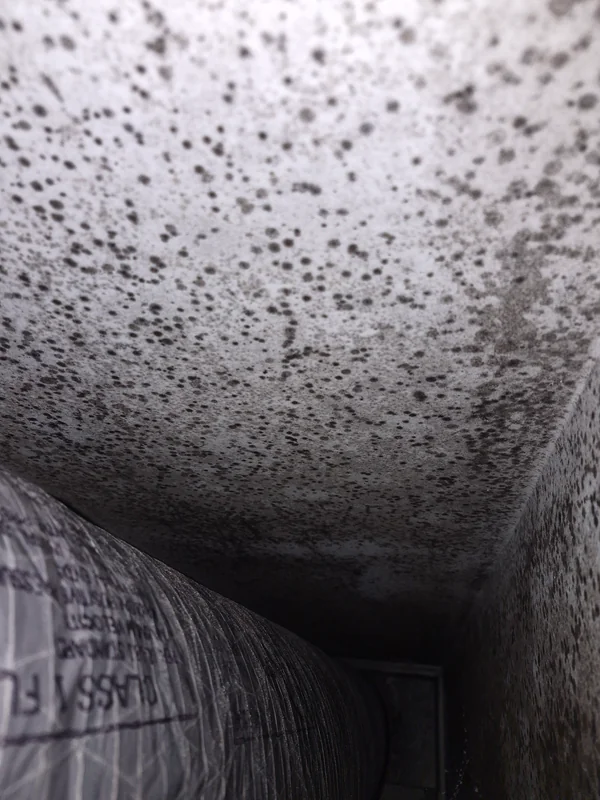
It starts with a free inspection. Before any cleaning begins, one of our certified inspectors evaluates your HVAC system the ductwork, the air handler, the registers to understand what’s actually in there. In homes throughout Almont, that inspection often turns up conditions that a standard duct cleaning company wouldn’t know to look for: mold growth in interior duct sections that developed after a basement moisture event, contamination near the air handler in a stone-foundation basement that never fully dried, or debris that’s been accumulating since the system was first installed decades ago.
The inspection tells you what you’re dealing with before any work starts, and the price we quote upfront is the price you pay.
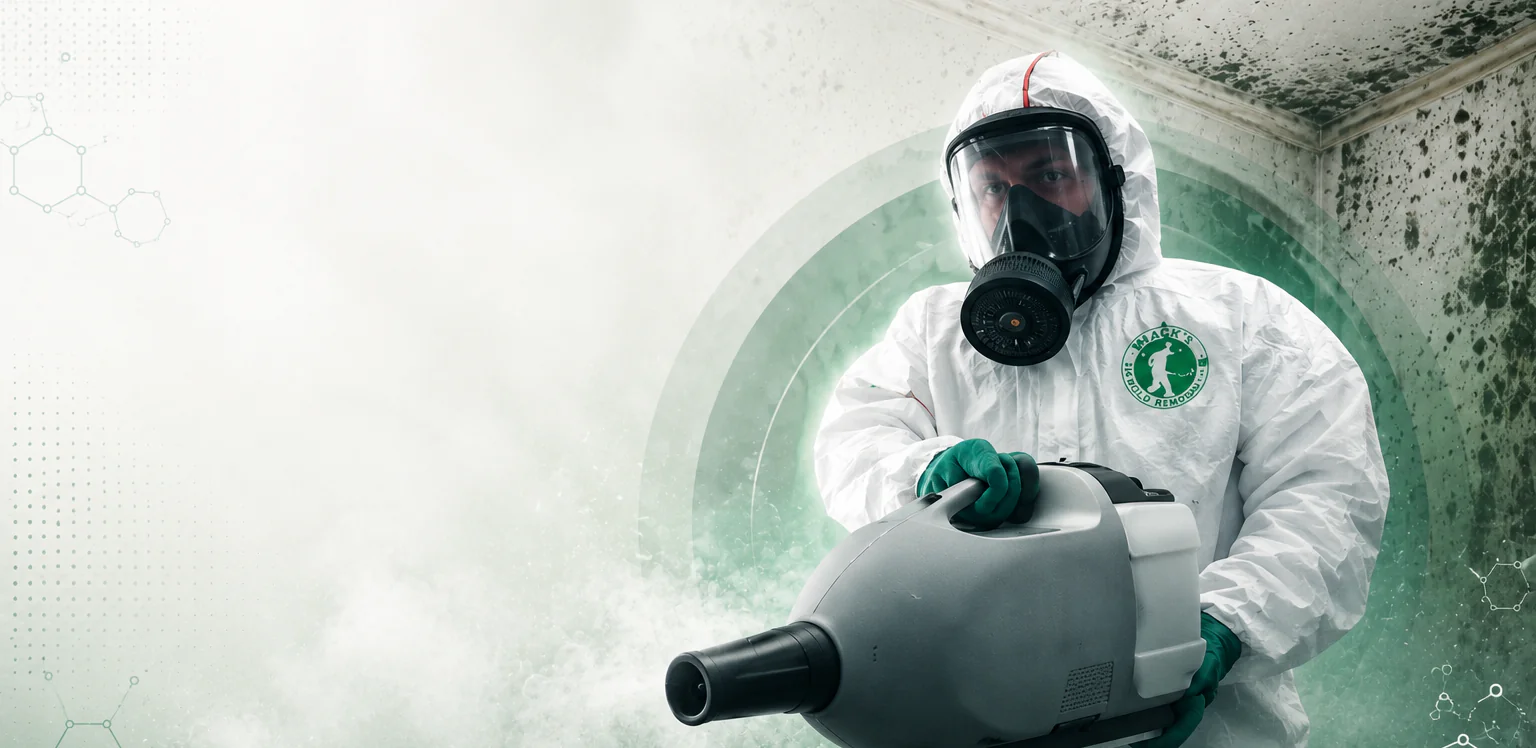
If mold is confirmed, the process shifts into certified remediation territory. That means containment is set up before anything is disturbed, so spores aren’t pushed through the system and into your living space during the cleaning. We clean the ductwork mechanically using professional-grade equipment not the kind of setup a DIY approach or a $99 promotional crew shows up with.
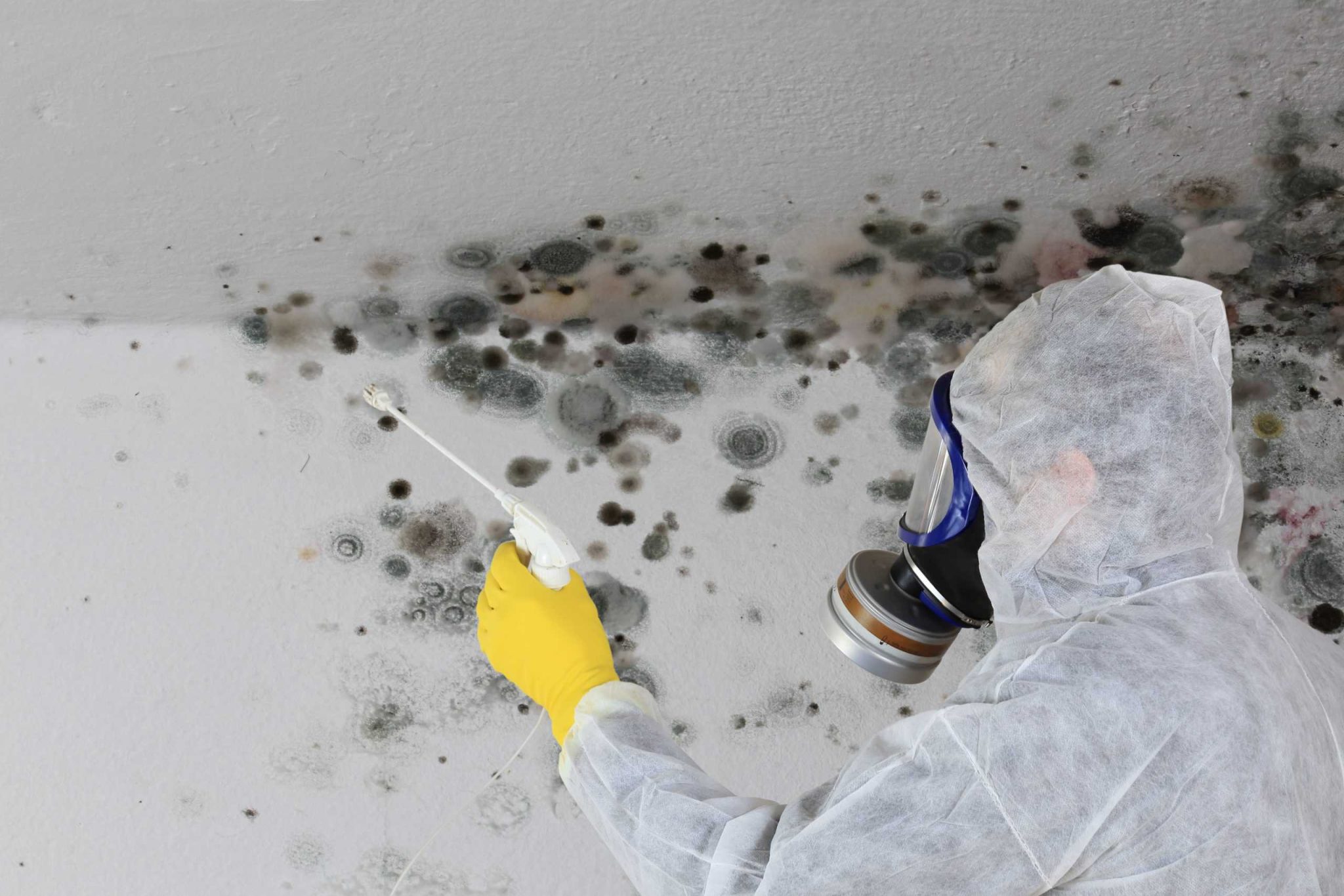
Antimicrobial treatment is applied where needed as part of the air duct sanitizing process. After the job is done, we test the affected areas to confirm the mold is gone. That’s not standard practice in this industry most companies clean and leave. The post-cleaning verification step is what turns a completed job into a documented result. Given the moisture conditions that homes near the Perkiomen watershed deal with on a recurring basis, knowing the work actually held up matters.
Ready to get started?
Our air duct cleaning covers both supply and return ducts not just one side of the system. Cleaning only the supply ducts while leaving return ducts untouched is a shortcut that leaves the job half done, and it’s a common issue with lower-cost providers. We address the full system, and the work includes air duct sanitizing when biological contamination is found, applying antimicrobial treatment after the mechanical cleaning is complete.
Dryer vent cleaning is also available and worth taking seriously, especially in the older housing stock throughout West Rockhill Township. Homes in Almont and the surrounding area many with original or aging laundry configurations, longer vent runs, and more bends than modern installations accumulate lint faster and in harder-to-reach sections.
The NFPA reports over 15,000 dryer-related home fires annually in the U.S., with failure to clean the vent listed as the leading cause. For a home that’s been in the family for decades, that’s a risk that doesn’t get a lot of attention until it becomes a problem.
We also handle the insurance side when mold remediation is part of the picture. If a moisture event a sump pump failure, a heavy storm, groundwater coming through a stone foundation led to the HVAC contamination, working with your homeowner’s insurance is part of our process. Financing is available for situations where the scope of work wasn’t in the budget. No named service tiers or packages the scope is built around what your specific system and situation actually require.
The most common sign is a musty or stale smell that appears specifically when your HVAC system turns on and then fades once the air stops moving. That’s the system pushing air through contaminated ductwork into your living space. Other signs include allergy or respiratory symptoms that seem worse indoors than outside, visible discoloration around registers or vents, or a history of basement moisture in your home.
In Almont and the surrounding West Rockhill Township area, the combination of older housing stock and persistent groundwater pressure from the clay soils in the Perkiomen watershed makes mold in ductwork a genuinely common finding not a worst-case scenario. Homes with stone foundations, uninsulated basements, and ductwork installed decades ago are particularly susceptible. The only way to know for certain is a professional inspection with lab testing. Visual checks alone miss the mold that grows in the interior sections of ductwork where no one can see it without equipment.
It changes it significantly. A standard duct cleaning company is set up to remove dust, debris, and buildup from a system that doesn’t have an active biological problem. When mold is present, the cleaning process itself becomes a risk if it’s done without proper containment. Disturbing mold colonies inside ductwork without sealing off the system first pushes spores through every register in the house simultaneously which can make the air quality problem worse, not better, and spread contamination to rooms that weren’t affected before.
We bring certified mold remediation expertise to the duct cleaning process. That means containment protocols are in place before anything is disturbed, the cleaning is done with professional-grade equipment, and the results are verified with post-cleaning testing. For routine maintenance situations in Almont, a general duct cleaning company may be sufficient. But when mold is the issue, the process requires a different level of training and certification than duct cleaning alone provides.
For most homes, the general industry guidance is every three to five years for routine maintenance. But that baseline assumes a relatively modern home with a well-sealed system and no ongoing moisture issues which describes very few of the older properties in and around Almont. Homes in this part of West Rockhill Township, particularly those built before the mid-20th century with stone or rubble foundations and ductwork added as a retrofit, often have conditions that warrant more frequent attention.
If your home has had any basement water intrusion even a minor event, even something that dried out on its own that’s a reason to have the ductwork inspected sooner rather than later. The same goes for homes that have had mold remediated in any other part of the structure. HVAC systems are often the last thing checked during a mold job, and a remediated basement or crawl space can be recontaminated quickly if the ductwork feeding air through that space wasn’t addressed at the same time.
They’re two separate steps, and both matter when mold is involved. Air duct cleaning is the mechanical process physically removing debris, buildup, and biological material from inside the ductwork using professional equipment. Sanitizing is what comes after: applying an antimicrobial treatment to the interior surfaces of the ducts to address any remaining biological contamination that the mechanical cleaning alone doesn’t fully eliminate.
Think of it like cleaning a surface versus disinfecting it. Cleaning removes the visible material. Sanitizing addresses what’s left at a microbial level. For homes in Bucks County dealing with mold in their HVAC systems particularly in areas like Almont where the moisture environment keeps the conditions for mold growth active year-round skipping the sanitizing step after a cleaning leaves the system vulnerable to faster recontamination. We include sanitizing as part of our process when biological contamination is confirmed, not as an upsell tacked on after the fact.
It depends on the cause of the mold and the specifics of your policy, but in many cases where mold in ductwork is connected to a covered water event a burst pipe, a sump pump failure during a storm, or water intrusion from a roof or foundation there’s a real basis for a claim. The challenge is that navigating the insurance process while also managing a mold situation in your home is genuinely stressful, and many homeowners don’t know where to start or what documentation their insurer will require.
We work directly with homeowner’s insurance companies on mold claims, which removes a significant part of that burden. For homes in the Almont area where heavy rain events and groundwater pressure from the Perkiomen watershed create recurring moisture risks having a company that understands both the remediation side and the insurance side is a practical advantage. If you’re not sure whether your situation qualifies, the free inspection is the right first step. It gives you documentation of what’s actually in the system, which is what any insurance conversation will require anyway.
It’s a fire safety issue, not a maintenance preference. The National Fire Protection Association reports over 15,000 dryer-related home fires in the U.S. every year, and failure to clean the dryer vent is consistently identified as the leading cause. Lint accumulates in the vent over time, restricts airflow, and creates conditions where the dryer runs hotter than it should which is how fires start.
For homes in and around Almont, this is worth paying particular attention to. Older properties throughout West Rockhill Township often have laundry configurations that weren’t designed around modern dryer vent standards longer vent runs, more bends, and routing through spaces where lint accumulates faster and is harder to clear without professional equipment. If your dryer is taking longer than usual to dry a load, running hotter than normal, or if you can’t remember the last time the vent was cleaned, those are signals worth acting on. We handle dryer vent cleaning as part of our service offering, and it’s a straightforward job that takes a fraction of the time it would take to deal with the alternative.
Other Services we provide in Almont