Summary:
Pennsylvania Mold Disclosure Laws for Home Sellers
If you’re selling a home in Bucks County and you know there’s mold, you have to say so. Pennsylvania law doesn’t give you much wiggle room here—unless you’re looking for a very close relationship with a defense attorney. Sellers must disclose “known material defects” that aren’t readily observable, and mold falls squarely into that category.
This isn’t just about what you suspect might be hiding behind the drywall; it’s about what you know. If you’ve seen it, smelled it, or paid someone to scrub it away in the past, it belongs on that disclosure statement.
Pro Tip: Transparency doesn’t kill deals. Surprises do—usually at 4:55 PM on a Friday before a Monday closing.
The disclosure form will ask about water damage, leaks, and previous remediation. Even if you fixed the issue back in 2019, buyers have a right to know the history. Documentation is your best friend here. If you have receipts showing the work was done by a professional, include them. It shows you’re a responsible homeowner, not someone trying to pull a fast one with a bucket of bleach.
What Happens If You Don't Disclose Mold in Pennsylvania
Some sellers think “As-Is” is a magical invisibility cloak that hides all property flaws. It’s not. In Pennsylvania, “As-Is” means you aren’t paying for repairs; it doesn’t mean you can keep secrets.
If a buyer discovers mold after closing and can prove you knew about it, you’re looking at a lawsuit that makes the remediation cost look like pocket change. Pennsylvania law allows buyers to recover the cost of repairs, legal fees, and sometimes even additional damages.
Financial Risk: You could be on the hook for the buyer’s mold removal and their attorney’s boat payment.
Agent Liability: Your real estate agent is also required to disclose defects they know about. Trying to hide mold puts them in the line of fire, too—and trust us, no agent wants to go to court for a patch of Stachybotrys.
The better play? Honesty. Disclose it, document it, and price accordingly. A buyer who knows about a $2,000 mold issue up front is much more likely to stay in the deal than one who feels blindsided during the home inspection.
How to Disclose Mold Without Killing Your Sale
Disclosure doesn’t have to be a disaster. It’s all about the presentation. If you’re disclosing mold, lead with the solution, not just the problem.
Want live answers?
Connect with a Mack's Mold Removal expert for fast, friendly support.
What Home Buyers Need to Know During Inspection
If you’re buying a home in Bucks County, assume mold is a possibility. With our humid summers and damp winters, an older basement is basically a luxury resort for fungi.
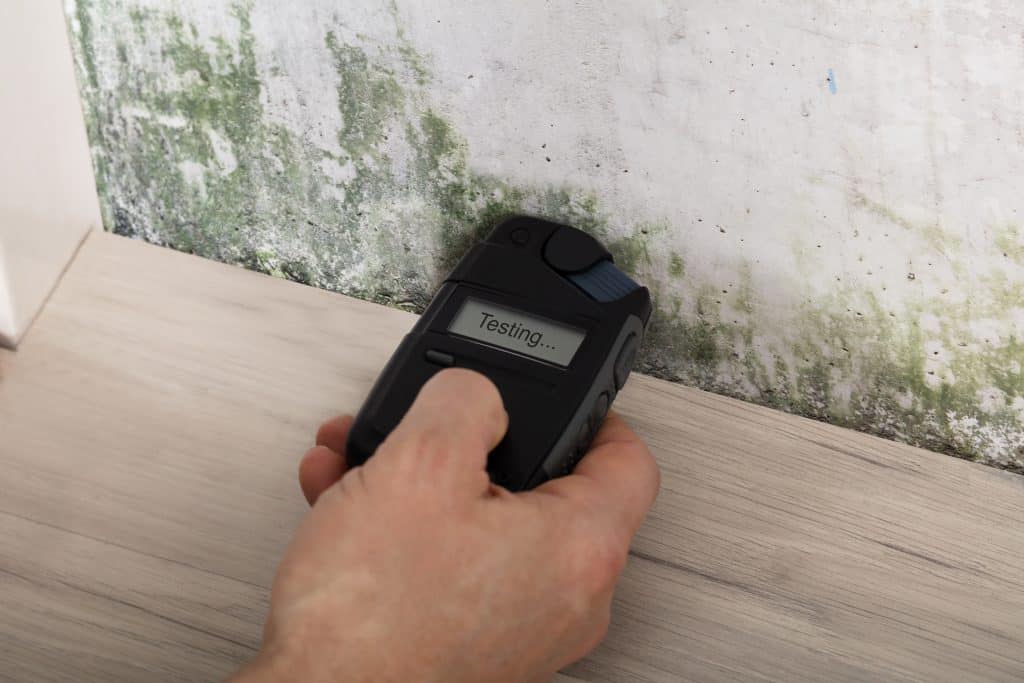
While your standard home inspector is great at spotting leaky faucets, they aren’t always mold experts. If you walk into a basement and it smells like a wet gym bag, or you see “tide marks” on the drywall, it’s time to call in a specialist. A dedicated mold inspection usually involves air quality testing or surface sampling—it’s a few hundred dollars that can save you from a five-figure problem later.
Your Rights as a Buyer When Mold Is Discovered
Finding mold doesn’t mean you have to run for the hills. It means it’s time to negotiate. Most PA purchase agreements have an inspection contingency, which is your “get out of jail free” card—or at least your “let’s talk about the price” card.
Option
How It Works
Seller Remediates
The seller hires a pro and provides a clearance certificate before you close.
Price Credit
The seller gives you money toward your closing costs so you can hire your own pro.
Price Reduction
The sale price is lowered to account for the work needed.
Walk Away
If the problem is massive and the seller is stubborn, you take your deposit and leave.
Also, keep your lender in mind. Some mortgage companies are surprisingly sensitive about mold. If an appraiser sees it, they might refuse to fund the loan until the house is “clean.” This gives you more leverage, as the seller literally cannot sell the house to you (or likely anyone else with a mortgage) until it’s fixed.
How Mold Affects Home Appraisal and Property Value
Mold doesn’t just scare people; it scares math. Appraisers look at anything that impacts the structural integrity or “health and safety” of a home.
Data suggests that untreated mold can reduce a home’s value by anywhere from 20% to 37%. That’s a lot of lost equity just for some uninvited fungi. Even after it’s fixed, there’s often a “stigma” discount of about 3%.
For sellers, this is the best argument for fixing the problem before you list. A National Association of Realtors study showed that sellers who spent $7,500 on professional remediation often recovered nearly $20,000 more in resale value compared to those who just lowered the price and left the mold for the buyer to deal with.
Making Smart Decisions in the Bucks County Market
Mold doesn’t have to kill your real estate transaction, but ignoring it certainly will. No matter if you’re buying or selling in Bucks County, the smartest move is to deal with it head-on. Disclose what you know, inspect what you don’t, and document everything.
Pennsylvania’s disclosure laws exist to keep everyone out of court and in their new homes. If you’re dealing with a mold issue and need to get your house “closing-ready,” we have the EPA-approved methods and local expertise to handle it right. We know the Bucks County climate, and we know exactly how to make sure your real estate deal stays on track.