Summary:
Why Attics and Crawl Spaces Are the Ultimate Mold Resorts
Mold isn’t picky. Give it moisture, darkness, and some organic material to snack on (like your wood framing or insulation), and it’ll be happy. Attics and crawl spaces are basically five-star resorts for fungi.
These areas are dark 99% of the time, and during Bucks County’s humid summers, they get stickier than a movie theater floor. Because you aren’t down there checking the “vibe” every day, mold can grow unchecked for months. What starts as a small patch can quickly turn into a full-blown takeover. And here’s the kicker: mold spores are tiny travelers. They can migrate through your HVAC system, vents, and even small gaps in your floorboards, meaning that crawl space mold could be the secret reason for your “mysterious” living room allergies.
What’s Cooking in Your Attic?
Your attic might feel like a dry desert in the summer, but it’s more vulnerable than it looks. Most attic mold starts with one thing: moisture that didn’t get the memo to stay outside.
Roof leaks are the usual suspects. Even a tiny leak can saturate your insulation and beams, creating a humid microclimate. But poor ventilation is just as common. When your bathroom or dryer vents dump moist air into the attic instead of out of the house (a surprisingly common “shortcut” in older Bucks County homes), you’re basically building a sauna for mold.
In the winter, inadequate insulation causes “attic rain.” Warm air from your house escapes into the cold attic, hits the chilly roof sheathing, and turns into condensation. It’s a cycle that keeps feeding the mold, even when it’s freezing outside. If your soffit vents are blocked by piles of old boxes or a bird’s nest, that damp air is trapped. Humidity builds, and mold follows.
Crawl Spaces: The "Great Outdoors" Inside Your Home
If attics are risky, crawl spaces are the high-stakes poker tables of mold growth. They sit directly on the ground, meaning they’re constantly fighting the earth’s natural moisture. In Bucks County, crawl space humidity can easily cruise past 80%—well above the “mold-free” speed limit.
Ground Vapor: Even with a vapor barrier, moisture from the soil can seep up through gaps. If your barrier is damaged or missing, the wood floor joists above become a giant sponge.
Plumbing Leaks: If a pipe leaks on the first floor, it’s the crawl space that pays the price. Since you probably don’t visit the crawl space for fun, these leaks can go on for weeks before you notice the “spongy” feel of your kitchen floor.
What’s truly wild is the “Stack Effect.” Up to 40% of the air you breathe on your first floor comes from your crawl space. If there’s mold down there, you’re breathing it in upstairs. That’s why hidden mold often manifests as “unexplained” headaches or fatigue—your house is essentially sharing its basement air with you.
Want live answers?
Connect with a Mack's Mold Removal expert for fast, friendly support.
How to Tell If You Have a Secret Fungal Roommate
You can’t see the attic from your couch, but your home will drop hints like a bad detective novel.
The “Old Library” Smell: A musty, earthy odor is usually sign number one. If you notice it specifically near vents or in your closets, it’s time to investigate.
Visible Clues: Look for discoloration on ceilings, peeling paint, or white powdery growth on the wooden beams in your basement or crawl space.
Your Body’s Reaction: If your allergies “magically” get better the second you leave for work but come back the moment you walk through the front door, your house might be the problem. Kids and anyone with asthma are usually the “canaries in the coal mine” for mold issues.
What Happens If You Let It Slide?
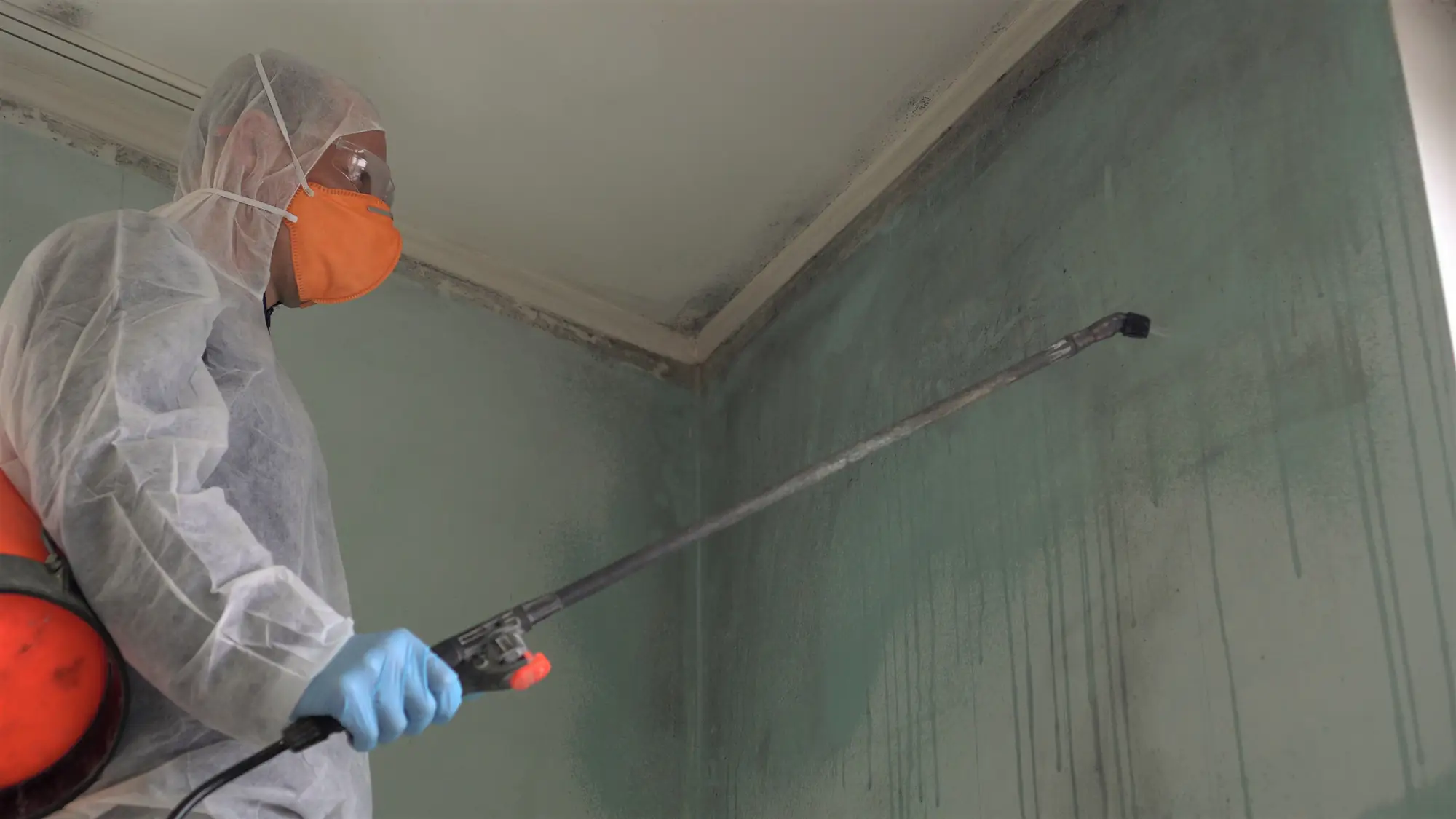
Mold doesn’t just sit there and look ugly; it’s an active demolition crew. In the attic, it can rot your roof sheathing and structural beams, eventually leading to repairs that cost more than a used car. In the crawl space, it can weaken your floor joists, leading to “bouncing” floors that make you feel like you’re on a trampoline every time you walk to the fridge.
Financially, it’s a snowball effect. The average mold remediation in Bucks County might run you $1,300 to $3,700, but if you wait until the wood starts rotting and the HVAC system is contaminated, you can easily add another zero to that bill. A $2,000 “fix it now” problem is always better than a $20,000 “oh no” problem.
Why "Spray and Pray" Doesn’t Work for Mold
You might be tempted to go down there with a bottle of bleach and a can-do attitude. Don’t. Mold in hidden spaces is almost always a symptom of a moisture problem. If you don’t fix the leak or the ventilation, the mold will be back before you’ve even put the bleach away.
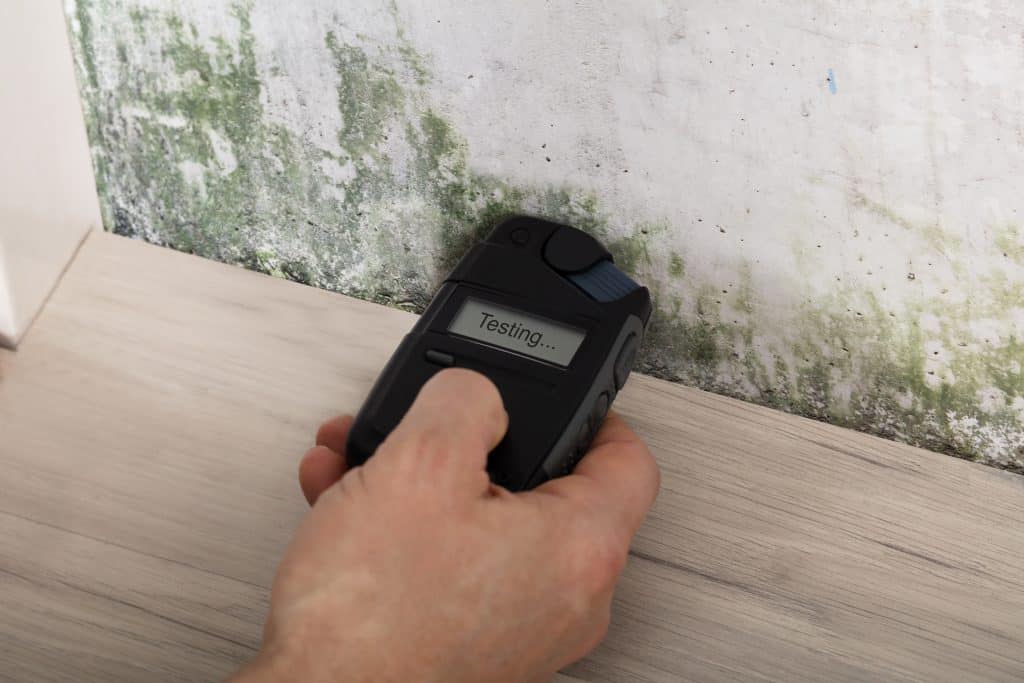
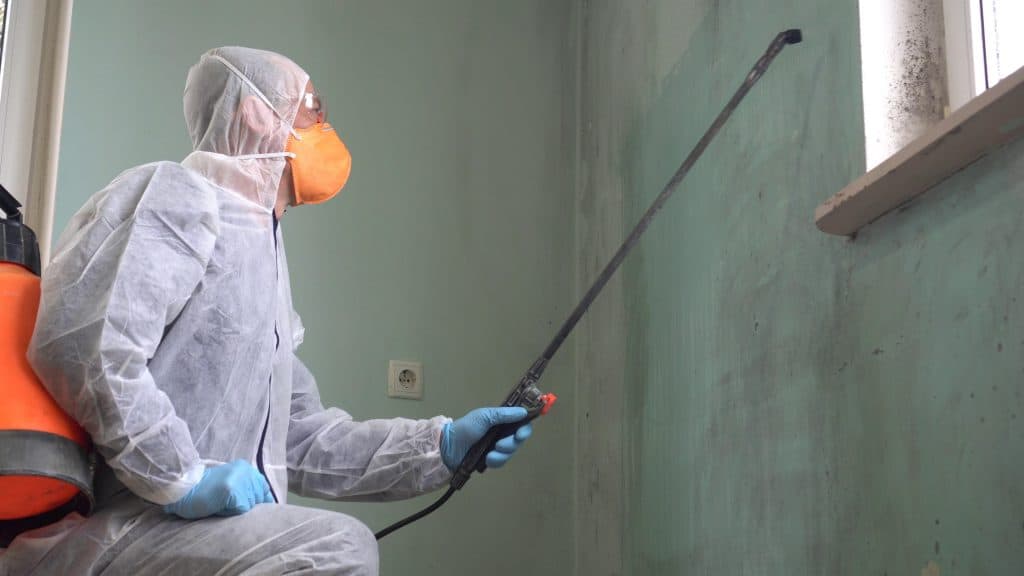
Professional remediation involves a lot more than just cleaning. We use thermal imaging and moisture meters to find exactly where the water is coming from. We contain the area with plastic sheeting (so we don’t blow spores through the rest of your house) and use HEPA filtration to scrub the air. Most importantly, we fix the root cause. Without that, you’re just giving the mold a temporary haircut.
Take Back Your Home from the Fungi
Mold in your attic or crawl space is a silent threat to your home’s air quality and structural health. The good news is that it’s completely fixable once you know it’s there. Catching it early makes the process faster, cheaper, and way less stressful.
Your home should be a healthy sanctuary, not a habitat for spores. If you’re in Bucks County and suspect there’s something “funky” going on in your attic or crawl space, we offer free inspections to get to the bottom of it. Don’t wait until the mold starts asking for its own bedroom—get it checked out and protect your home today.