Summary:
What Mold Inspection Actually Reveals in Your Lumberville Home
A real mold inspection goes far beyond what you can see. Most homeowners think mold inspection means checking for visible black spots on walls. That’s part of it, but it’s just the beginning.
Professional mold inspection identifies the types of mold present, measures spore levels in your air, and most importantly, finds the moisture sources that are feeding the problem. Without addressing the root cause, any cleanup is temporary.
Your inspection results give you a roadmap—not just what’s wrong, but why it’s happening and how to fix it permanently.
Air Quality Testing vs Surface Testing: Understanding the Difference
Air sampling captures what you’re actually breathing. This testing method uses specialized equipment to pull air through collection devices that trap mold spores. The samples go to EPA-certified laboratories where technicians identify specific mold types and measure concentration levels.
Surface testing examines visible growth or suspicious areas directly. We use swabs, tape lifts, or small material samples to confirm whether discoloration is actually mold and identify the specific species present.
Most comprehensive inspections use both methods. Air sampling reveals hidden problems and overall air quality, while surface testing confirms what you’re seeing and helps determine the extent of contamination on specific materials.
The combination gives you complete information. You learn what’s in your air, what’s growing on surfaces, and how the two relate to each other. This data helps determine whether the problem is localized or widespread throughout your home.
In Lumberville’s humid climate, both types of testing are valuable. Summer humidity can create conditions where mold grows in hidden areas like wall cavities or HVAC systems, releasing spores into your air long before you see visible growth.
Why Lumberville Properties Need Professional Mold Detection
Lumberville’s location along the Delaware River creates unique challenges for homeowners. The area’s humidity levels, especially during summer months, consistently reach the range where mold thrives—often above 60% relative humidity.
Many homes in the area were built in earlier decades when ventilation standards were different. Older construction methods and materials can create perfect conditions for mold growth, particularly in basements, crawl spaces, and areas with limited air circulation.
The combination of Pennsylvania’s climate and older home construction means mold problems can develop gradually and remain hidden for months. By the time you notice symptoms like persistent musty odors or worsening allergies, the issue has often spread beyond what’s visible.
Professional detection equipment identifies these problems early. Thermal imaging reveals moisture patterns behind walls. Moisture meters detect elevated humidity levels in building materials. Air sampling equipment captures spores that indicate hidden growth.
DIY test kits available at hardware stores can’t match this level of detection. They typically only test what’s immediately visible or use simple air exposure methods that don’t provide accurate data about your home’s overall air quality.
Early professional detection in Lumberville properties often prevents major remediation projects. Catching moisture problems and early mold growth saves thousands of dollars compared to addressing widespread contamination later.
Want live answers?
Connect with a Mack's Mold Removal expert for fast, friendly support.
The Complete Mold Inspection Process: What Happens During Your Assessment
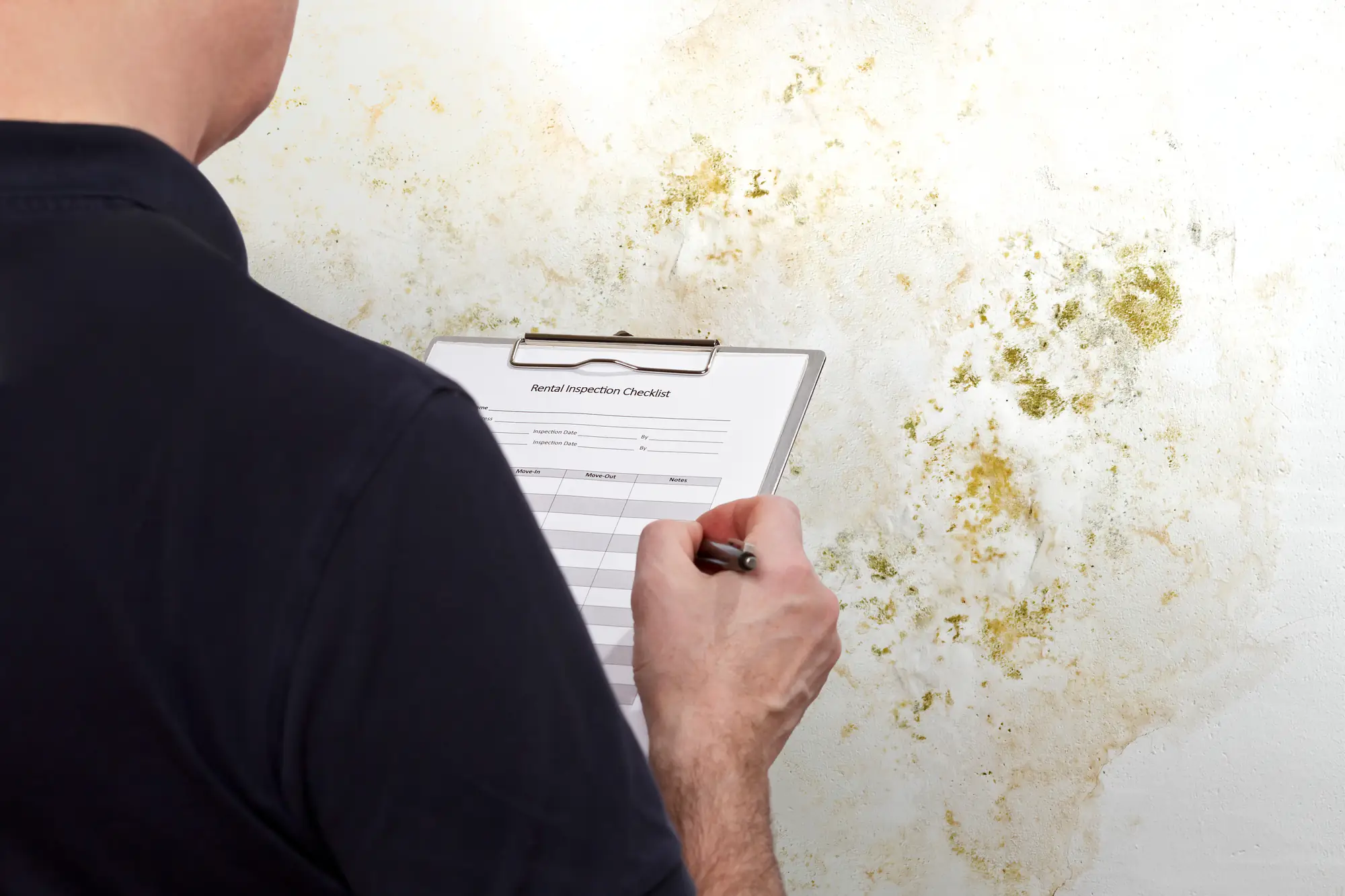
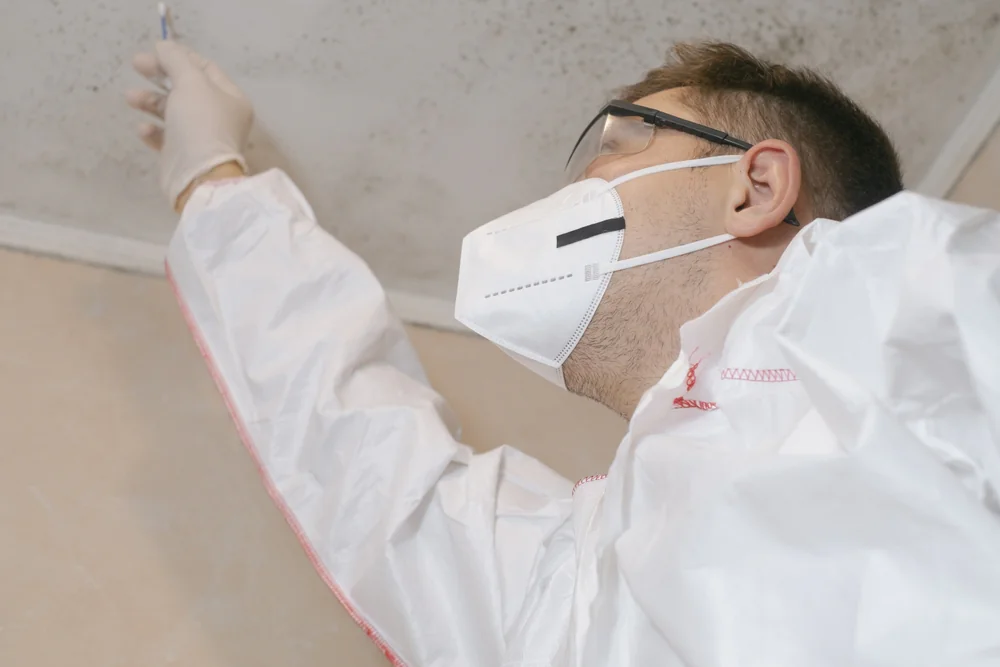
Your mold inspection starts with a thorough visual assessment of your entire property. Our certified inspectors examine areas where mold commonly develops—bathrooms, basements, attics, around windows, and anywhere moisture accumulates.
Next comes moisture detection using specialized equipment. Thermal imaging cameras reveal temperature differences that often indicate moisture problems behind walls or in hidden areas. Moisture meters test building materials to identify elevated humidity levels.
Sample collection follows a systematic approach based on what the visual and moisture assessment reveal. Air samples are taken from multiple locations, and surface samples are collected from any suspicious areas or visible growth.

Laboratory Analysis and Report Interpretation
Your samples go to EPA-certified laboratories where certified mycologists analyze them using microscopic examination and advanced identification techniques. Air samples reveal the types and concentrations of mold spores present in your indoor environment.
Surface samples are examined to confirm whether visible growth is actually mold and identify specific species. The lab analysis also determines whether the mold is actively growing or dormant, which affects remediation planning.
Laboratory reports include spore counts, mold species identification, and comparison data showing how your indoor levels relate to typical outdoor baseline levels. This comparison is crucial because some mold spores are always present in outdoor air.
We interpret these results in the context of your home’s specific conditions. High spore counts in one area might indicate localized growth, while elevated levels throughout the house suggest a more widespread problem or HVAC system contamination.
The final report includes photographs of problem areas, moisture readings, laboratory results, and specific recommendations for addressing any issues found. If remediation is needed, the report provides guidance on the scope of work required and helps you understand what contractors should address.
Professional interpretation matters because raw laboratory data doesn’t tell the complete story. Understanding what the numbers mean for your specific situation and your family’s health requires expertise in building science, mold biology, and indoor air quality.
Common Mold Problems Found in Lumberville Area Homes
Basement moisture issues are extremely common in Lumberville properties, particularly in older homes with stone or block foundations. Poor drainage around foundations, combined with the area’s groundwater conditions, creates ongoing moisture problems that support mold growth.
HVAC system contamination occurs frequently in homes where air conditioning systems cycle constantly during humid summer months. When systems are improperly sized or maintained, they can create humidity problems rather than solving them, leading to mold growth in ductwork and air handling units.
Bathroom and kitchen ventilation problems are widespread in older homes that weren’t designed for modern moisture loads. Inadequate exhaust fans or venting that doesn’t actually exhaust to the exterior allows humidity to build up, creating perfect conditions for mold growth behind walls and in ceiling cavities.
Attic mold problems often develop from roof leaks or ice dam issues combined with poor ventilation. Many older homes in the area have insulation and ventilation systems that trap moisture rather than allowing it to escape, leading to mold growth on roof decking and structural materials.
Window and door areas frequently show mold growth due to condensation problems, especially in homes with older windows that don’t provide adequate thermal barriers. The temperature differences create condensation that supports mold growth on surrounding materials.
Crawl space issues are common in homes with inadequate vapor barriers or ventilation. The combination of ground moisture, poor air circulation, and organic materials creates ideal conditions for extensive mold growth that can affect the entire house through air movement and HVAC systems.
Professional Mold Inspection: Your First Step Toward Healthier Indoor Air
Professional mold inspection gives you the information you need to make informed decisions about your home and your family’s health. Rather than guessing about air quality issues or trying to address symptoms without understanding causes, you get definitive answers about what’s happening in your home.
Early detection through professional inspection typically saves money compared to addressing widespread contamination later. Understanding the scope and causes of any mold problems helps you prioritize repairs and remediation work effectively.
If you’re concerned about air quality in your Lumberville home or want peace of mind about potential mold issues, we provide comprehensive inspection services that give you the complete picture of your indoor environment.