Summary:
Common Warning Signs of Mold in Your Home
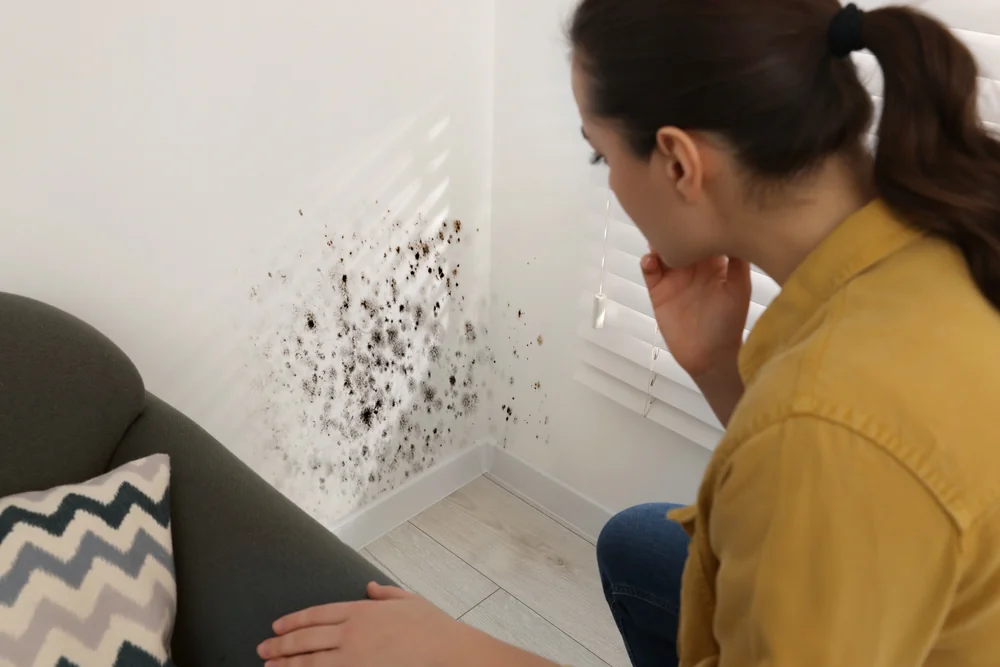
Mold doesn’t always announce itself with obvious black patches on your walls. Sometimes the signs are subtler, and you might be living with a mold problem without realizing it.
The most common indicator is that distinctive musty odor—earthy, damp, and persistent no matter how much you clean. If you’re catching that smell in your basement, bathroom, or any room in your house, there’s likely mold growing somewhere nearby. The smell comes from microbial volatile organic compounds that mold releases as it grows.
Health symptoms that mysteriously improve when you leave the house are another red flag. Persistent coughing, sneezing, watery eyes, or respiratory issues without an obvious cause often point to mold exposure. These reactions happen because mold spores floating through your air trigger allergic responses, especially in children and anyone with existing respiratory conditions.
Visible Mold Growth and Discoloration
Visible mold is the most obvious sign you need professional help. It appears as black, green, white, or brown patches on walls, ceilings, or other surfaces. But what most Philadelphia County homeowners don’t realize is this: if you can see mold, what’s visible is usually just a fraction of the actual problem.
Mold grows in colonies. When you spot that patch on your bathroom wall, there’s often significantly more growth behind the drywall, under the flooring, or in other areas you can’t easily see. That’s because mold needs moisture to thrive, and wherever there’s enough moisture to support visible growth on the surface, there’s usually moisture deeper in the structure as well.
Pay attention to discoloration and staining. Water stains on ceilings or walls aren’t just cosmetic issues—they indicate moisture intrusion, and where there’s persistent moisture, mold follows. Even if you don’t see fuzzy growth yet, those stains are warning signs that conditions are right for mold to develop.
Philadelphia County’s coastal location means homes here experience significant rainfall and moisture throughout the year. Many homes in the region have aging infrastructure that’s more susceptible to leaks and water intrusion. Older homes with outdated ventilation systems struggle to manage humidity levels, creating perfect conditions for mold growth in basements, attics, and poorly ventilated spaces. The region’s proximity to the Atlantic Ocean contributes to humidity levels that often exceed 60% during summer months.
Peeling paint or wallpaper can also signal mold growing underneath. When moisture gets trapped behind these surfaces, mold colonizes the drywall or wood beneath. The growth causes the paint or wallpaper to lose adhesion and start bubbling or peeling away. Don’t just repaint over it—that’s covering up a problem that will continue growing and potentially spread to other areas.
Look for warping or buckling in floors, walls, or ceilings. These structural changes indicate ongoing moisture problems. Wood absorbs water, swells, and becomes an ideal food source for mold. If your floorboards are warping or your drywall is bulging, there’s likely both water damage and mold growth happening behind the scenes.
Recent Water Damage or Persistent Moisture Issues
Water damage is one of the most reliable predictors of mold problems. If your home has experienced flooding, a burst pipe, a leaking roof, or any significant water intrusion, mold can begin growing within 24 to 48 hours if the affected areas aren’t properly dried.
The challenge with water damage is that it’s not always obvious where all the moisture went. Water travels through walls, seeps into insulation, and saturates materials in hidden spaces. You might clean up the visible water and think you’ve addressed the problem, but moisture trapped in wall cavities or under flooring continues creating perfect conditions for mold growth.
Even minor leaks cause major problems over time. That slow drip under your kitchen sink or the small roof leak that only shows up during heavy rain might seem manageable, but they’re continuously introducing moisture into your home’s structure. Mold doesn’t need standing water to grow—it just needs consistent dampness.
Water leaks are a major cause of mold growth in Philadelphia County due to the area’s older houses and the prevalence of flat roofs. The city’s greenery, while beautiful, also contributes to higher humidity levels. As leaves soak up rain and then release moisture into the air when temperatures rise, this creates additional humidity that can lead to mold growth in homes with poor ventilation.
Condensation is another moisture source people often overlook. If you’re seeing condensation on windows, pipes, or walls, that’s excess moisture in your air settling on cooler surfaces. Over time, this condensation provides enough moisture for mold to establish itself. Bathrooms and kitchens are particularly vulnerable because activities like showering and cooking generate significant humidity.
Basements in Philadelphia County homes are especially prone to moisture issues. Many older homes have basement seepage problems, foundation cracks that allow water intrusion, or inadequate waterproofing. The below-ground location combined with poor ventilation creates an environment where humidity stays high and mold thrives. If your basement feels damp, smells musty, or shows signs of water staining, there’s almost certainly a mold problem developing or already established.
HVAC systems can both cause and spread mold problems. If your air conditioning system isn’t properly maintaining humidity levels, or if condensation is forming in ductwork, mold can grow inside the system and then spread spores throughout your entire home every time the system runs. This is particularly concerning because it means you’re actively circulating mold spores through the air your family breathes.
Want live answers?
Connect with a Mack's Mold Removal expert for fast, friendly support.
How Professional Mold Remediation Actually Works
Professional mold remediation in Philadelphia County is more involved than just scrubbing visible mold off surfaces. It’s a systematic process designed to eliminate existing mold, address the moisture source causing it, and prevent it from returning.
The process starts with a thorough inspection. We don’t just look at the obvious problem areas—we use moisture meters and infrared cameras to detect moisture and mold hiding behind walls, under floors, and in other spaces you can’t easily access. This technology identifies the full extent of the problem so nothing gets missed.
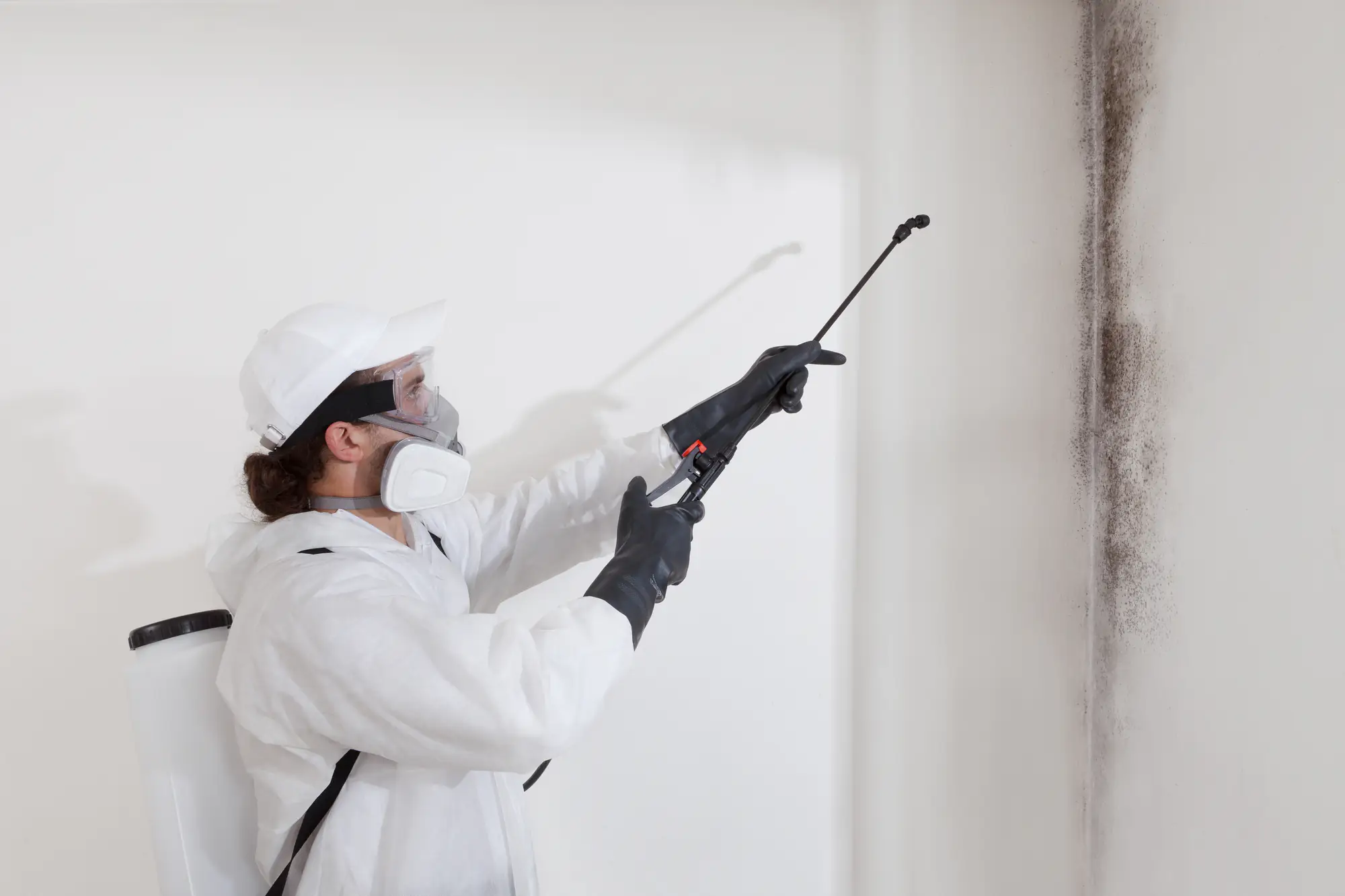
Once we understand what we’re dealing with, our remediation team sets up containment. This step is critical for preventing mold spores from spreading to unaffected areas of your home during the removal process. We seal off the work area with plastic barriers and create negative air pressure using specialized equipment, so air flows into the contained space but doesn’t flow out carrying mold spores with it.
The Removal and Cleaning Process
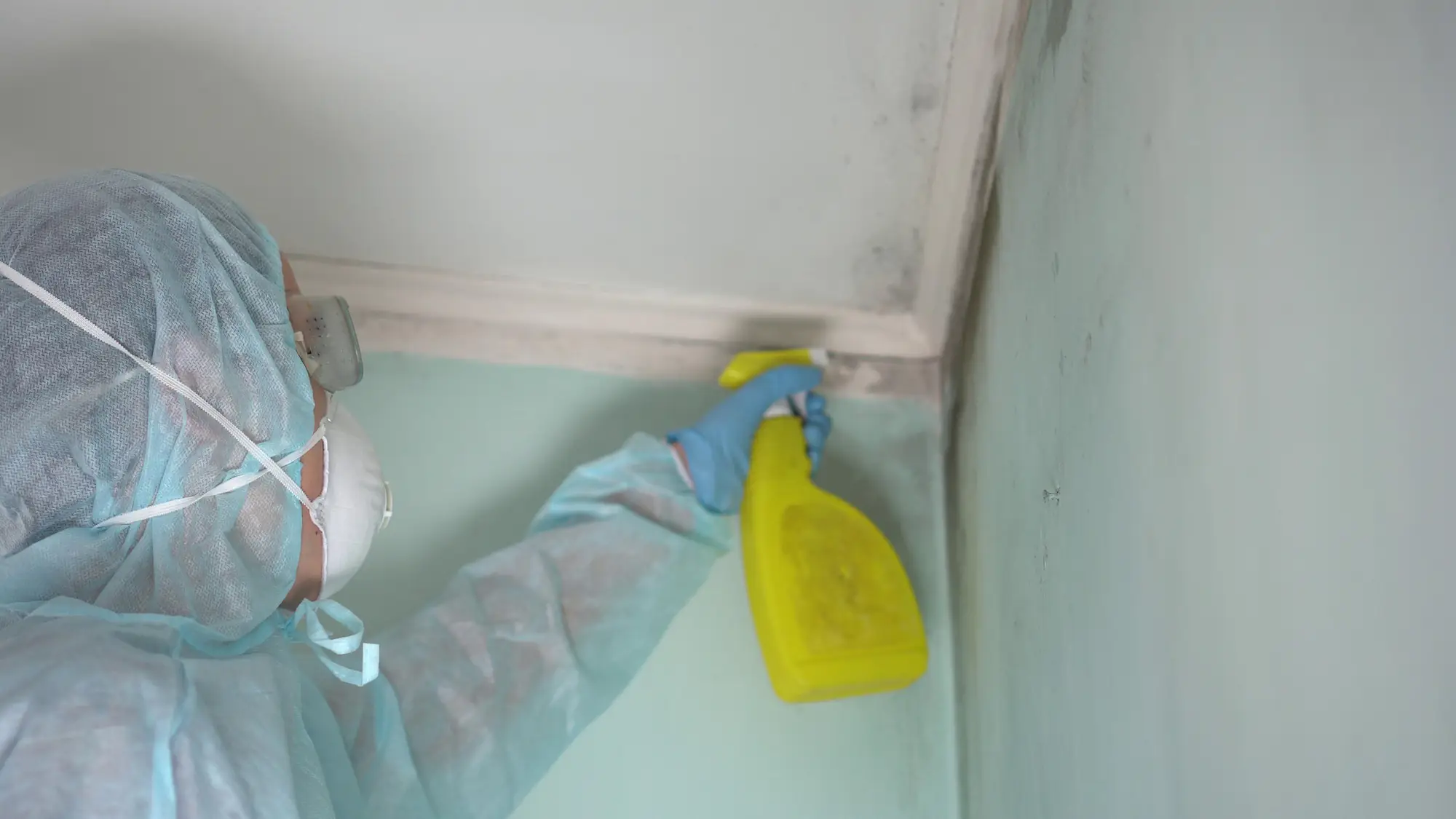
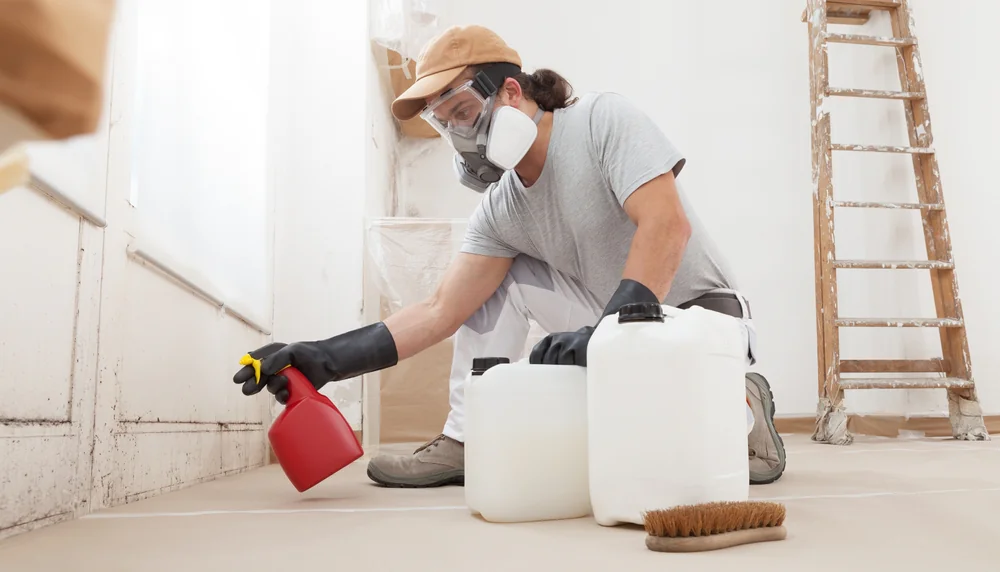
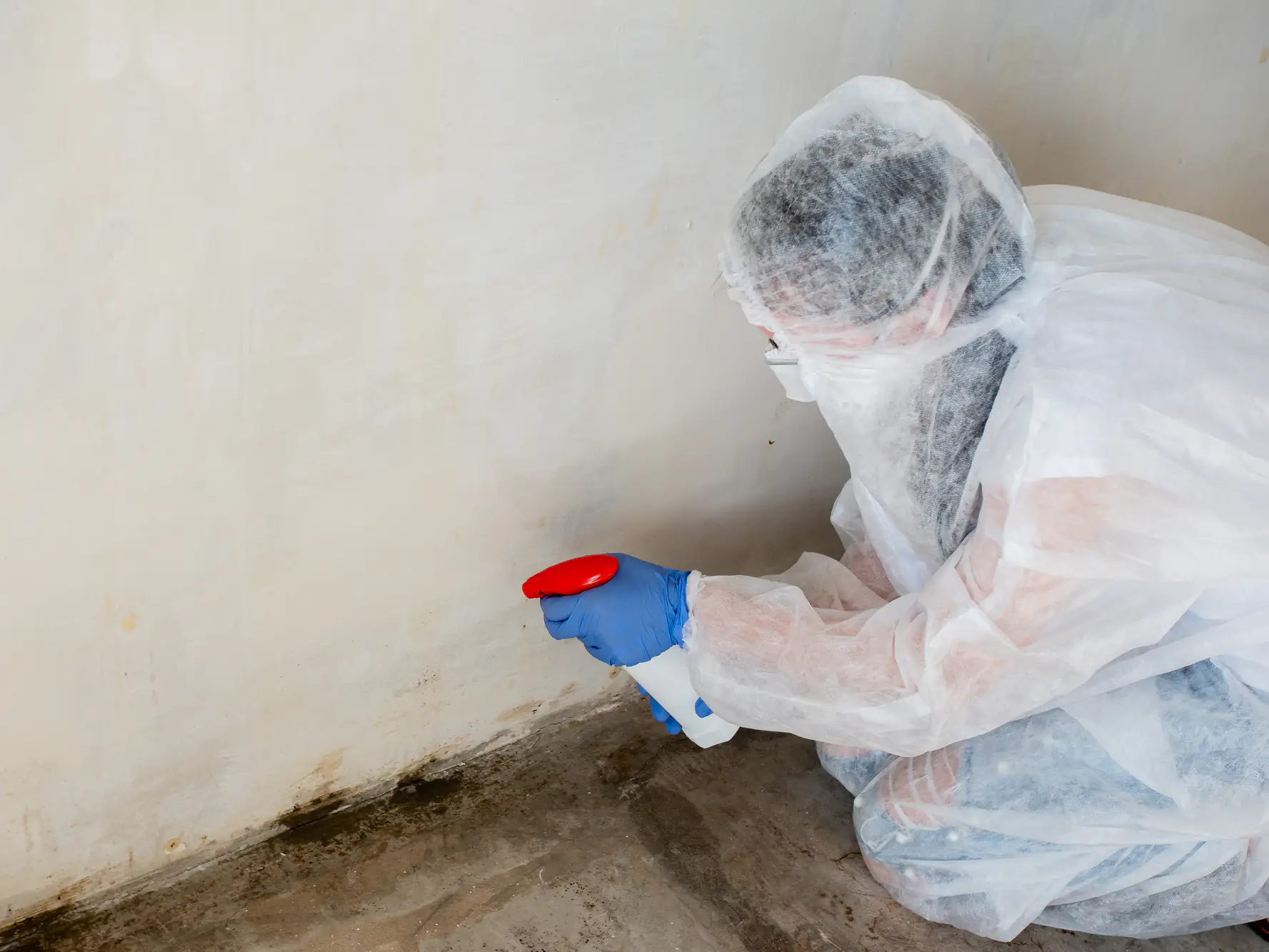
The actual mold removal varies depending on what materials are affected. Non-porous surfaces like metal, glass, and hard plastics can be cleaned. We use HEPA vacuums to remove loose spores, then clean surfaces with antimicrobial solutions that kill remaining mold and help prevent regrowth.
Porous materials are a different story. Drywall, insulation, carpeting, and ceiling tiles that have mold growing in them usually can’t be effectively cleaned. The mold penetrates too deeply into these materials. We remove and dispose of these contaminated materials to eliminate the mold completely. This might sound extreme, but it’s the only way to truly solve the problem rather than just temporarily covering it up.
Throughout this process, air filtration equipment runs continuously. HEPA air scrubbers capture microscopic mold spores floating in the air, preventing them from spreading and reducing the overall spore count in your home. This equipment keeps running for at least 24 hours after visible mold is removed, continuing to clean the air until spore levels return to normal.
The cleaning phase is meticulous. Every surface in the contained area gets HEPA vacuumed to capture any remaining spores and debris. Then we do a thorough damp-wiping of all surfaces using cleaning solutions that break down and remove any residual mold material. This isn’t a quick wipe-down—it’s a careful, comprehensive cleaning of every pipe, wire, duct, door frame, baseboard, and surface in the affected area.
Professional mold remediation also addresses the source of moisture that allowed mold to grow in the first place. This might involve fixing plumbing leaks, improving ventilation, installing dehumidifiers, or addressing drainage problems. Without fixing the moisture source, mold will simply return after remediation. This is the key difference between professional remediation and DIY cleaning: remediation solves the underlying problem, not just the visible symptom.
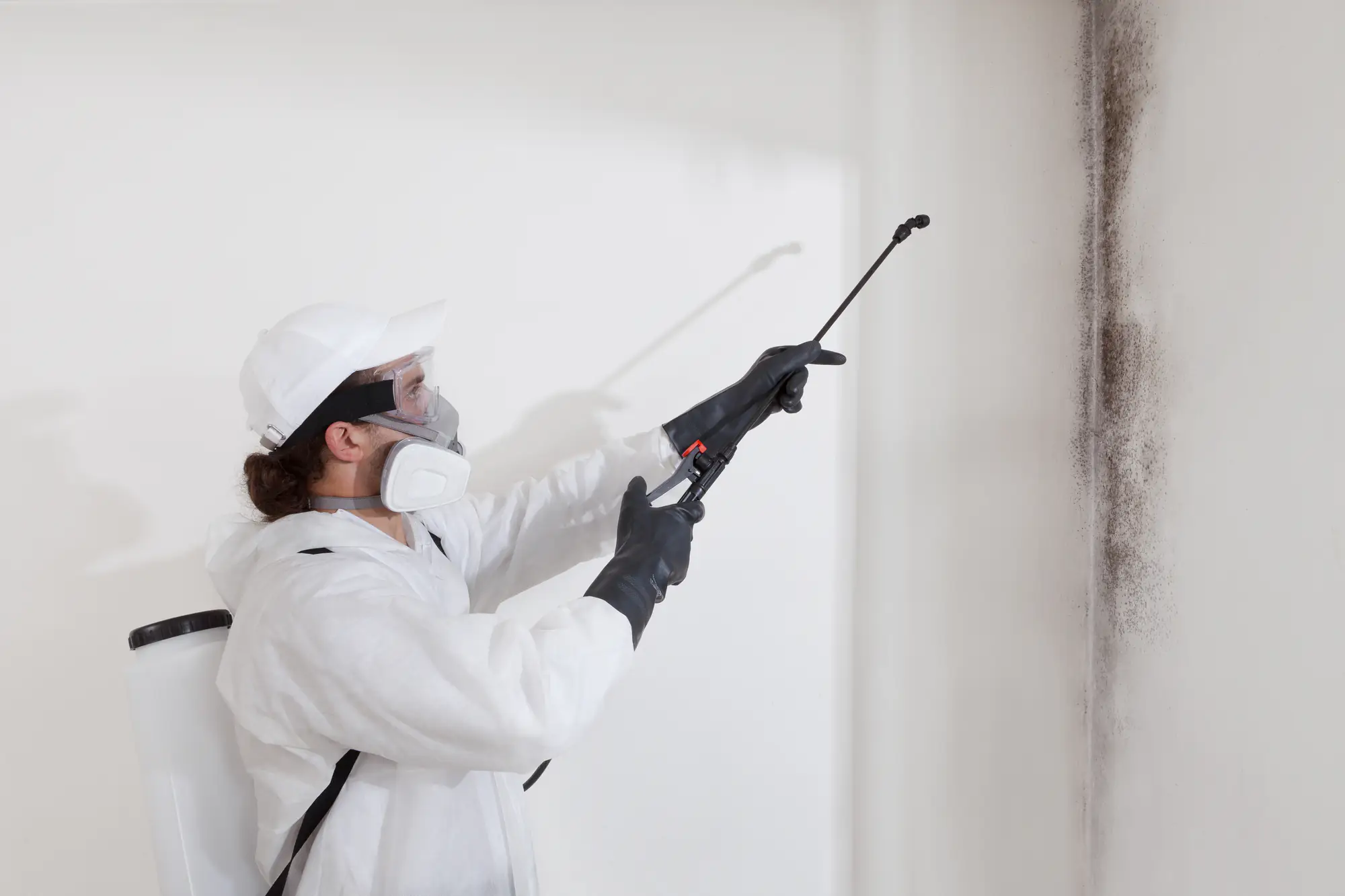
After cleaning is complete, we often apply preventive treatments to vulnerable areas. These antimicrobial coatings create a barrier that inhibits future mold growth on treated surfaces. While these treatments aren’t permanent solutions if moisture problems persist, they provide an additional layer of protection in Philadelphia County’s humid climate.
Why Early Action Saves Money and Prevents Health Risks
The longer mold grows in your home, the more expensive and complicated remediation becomes. A small patch of mold on a bathroom wall might require a day or two of professional work. But if that same mold is ignored and spreads through wall cavities and into adjacent rooms, you’re looking at a much larger project involving removal of extensive building materials and potentially structural repairs.
Mold also causes progressive damage to your home’s structure. It feeds on organic materials like wood and drywall, gradually breaking them down. Over time, this can compromise the structural integrity of affected areas. Floor joists, wall studs, and other structural elements that become heavily colonized with mold may need to be replaced entirely. This kind of structural damage is far more expensive to repair than addressing mold when it’s still a surface problem.
The health implications of living with mold shouldn’t be minimized. Exposure to mold spores causes allergic reactions in many people, with symptoms including sneezing, runny nose, red eyes, and skin rashes. For people with asthma, mold exposure can trigger severe attacks. Children, elderly family members, and anyone with compromised immune systems face increased health risks from mold exposure. Respiratory problems, allergic reactions, and chronic conditions particularly affect these vulnerable populations.
Some molds produce mycotoxins that can cause more serious health effects beyond typical allergic reactions. While most household molds cause primarily allergic responses, certain species can trigger more severe complications, especially with prolonged exposure. This is particularly concerning in Philadelphia County homes where high humidity creates conditions for persistent mold growth if not properly addressed.
Property value takes a significant hit when mold problems exist. Water intrusion and mold can cut home values by 20 to 37 percent. If you’re planning to sell your home, undisclosed mold problems can derail transactions or lead to substantial price reductions. Even if you’re not selling now, allowing mold problems to persist damages your largest financial investment.
Insurance coverage is another factor. Some homeowner’s insurance policies cover mold remediation if it results from a covered event like a burst pipe. However, mold caused by neglect or long-term maintenance issues typically isn’t covered. Acting quickly when you discover water damage or mold increases the likelihood that insurance will help with costs. Waiting until a small problem becomes a major infestation usually means you’re paying out of pocket.
Professional mold remediation typically takes between one and five days for residential projects, depending on the extent of growth. Minor infestations in a single room might be completed in a day or two. More extensive problems involving multiple rooms or significant structural damage can take a week or longer. But this short-term disruption solves the problem completely rather than leaving you with recurring issues that require repeated attempts to address.
The cost of professional mold remediation in Philadelphia County typically ranges from $1,000 to $5,000, with most projects falling somewhere in that range depending on severity and extent. While that might seem like a significant expense, it’s substantially less than the cost of ignoring the problem until it causes structural damage, health issues, or property value loss.
Taking Action on Mold Problems in Philadelphia County
Mold problems don’t resolve themselves. Philadelphia County’s humid climate and aging housing stock create conditions where mold issues tend to worsen rather than improve on their own. If you’re seeing warning signs, smelling musty odors, or dealing with unexplained health symptoms in your home, professional mold inspection is the smart next step.
Understanding what mold remediation actually involves helps you make informed decisions about your home and your family’s health. It’s not just about removing what you can see—it’s about identifying the full extent of the problem, eliminating mold completely, and addressing the moisture conditions that allowed it to grow.
The difference between surface cleaning and professional remediation is the difference between temporarily covering up a problem and actually solving it. When you’re ready to address mold issues the right way, we bring the expertise, equipment, and local knowledge to handle Philadelphia County’s unique mold challenges effectively.