Summary:
What Actually Causes Mold Growth in Philadelphia Area Homes
Mold doesn’t just appear out of nowhere. It needs three things to thrive: moisture, a food source, and the right temperature. Unfortunately, homes across Philadelphia County, Bucks County, and Montgomery County provide all three in abundance.
The region’s coastal location means consistent rainfall and humidity levels that regularly exceed 60% during summer months. Add in the fact that many local homes were built decades ago—long before modern moisture control standards—and you’ve got a perfect storm. Poor drainage around foundations, inadequate ventilation systems, and aging infrastructure create ongoing moisture problems that never really go away.
Here’s what most people don’t realize: even after you clean visible mold, the conditions that caused it are still there. That’s why it keeps coming back. The leak behind the wall. The condensation in the attic. The humidity in the basement that never quite dries out. Unless those moisture sources get addressed, you’re just playing whack-a-mole with a problem that’ll outlast your patience.
Why Older Homes in Bucks and Montgomery Counties Are More Vulnerable
If you live in one of the area’s older homes—and chances are you do—you’re dealing with construction methods that simply didn’t account for moisture control the way modern building codes do. Many homes feature plaster walls and brick basements that trap moisture instead of letting it escape. Windows that aren’t properly sealed. Foundations with inadequate drainage. Ventilation systems that were never designed to handle the humidity levels we see today.
The dense urban environment in parts of Philadelphia means less air circulation around buildings. Row houses share walls, which means moisture problems can transfer between properties. Your neighbor’s water issue can become your mold problem. You might not even know it until you see growth on your side of the shared wall.
This isn’t about blaming old construction. These homes have character and history. But they also require more attention when it comes to moisture management. The same features that give them charm—thick walls, original windows, brick exteriors—can also make them more susceptible to mold growth if water finds its way in.
The greenery throughout Philadelphia neighborhoods adds another layer of complexity. Trees and plants absorb rainwater, then release moisture back into the air when temperatures rise. Beautiful? Absolutely. But it also contributes to higher outdoor humidity levels that work their way indoors, especially in homes without adequate ventilation or air conditioning.
Understanding these factors isn’t just interesting background information. It’s essential for choosing the right mold removal approach. A mold remediation company that doesn’t understand Philadelphia’s unique housing stock and climate might miss the underlying causes that keep bringing mold back to your home. That’s the difference between certified mold removal specialists who know this region and companies just going through the motions.
Common Areas Where Mold Hides in Your Home
Mold doesn’t always announce itself with obvious black spots on the bathroom ceiling. It’s often hiding in places you don’t regularly check, growing quietly until it becomes a bigger problem.
Basements top the list. The combination of below-grade location, concrete that wicks moisture, and limited airflow makes basements prime real estate for mold growth. You might see it on walls, but it’s also growing behind stored boxes, under carpeting, and along floor joists you can’t easily see without crawling around with a flashlight.
Attics are another hotspot. Roof leaks might be small and intermittent—not enough to create an obvious water stain on your ceiling, but plenty to create dampness in insulation and wood. Poor ventilation means that moisture has nowhere to go. Mold can spread across large areas of attic space before anyone notices.
Behind walls is where things get tricky. A slow pipe leak, condensation from temperature differences, or water intrusion from outside can create perfect growing conditions in spaces you can’t see. You might notice a musty smell or see paint bubbling. By the time those signs appear, there’s often significant growth behind the surface.
Crawl spaces combine the worst of both worlds: limited access for inspection and ideal conditions for mold. Ground moisture, poor ventilation, and organic materials like wood beams create an environment where mold thrives. Many homeowners don’t even think about their crawl space until they notice problems elsewhere in the house.
HVAC systems and ductwork can spread mold throughout your entire home. Condensation inside ducts, combined with dust and debris, gives mold everything it needs. Then your heating and cooling system distributes those spores to every room. That’s why some people experience mold-related symptoms even when they can’t find visible growth.
The bathroom seems obvious, but it’s worth mentioning because it’s so common. Shower stalls, behind toilet tanks, under sinks, around tub caulking—anywhere water regularly appears and ventilation is limited. The difference between bathroom mold that’s easy to manage and bathroom mold that becomes a problem is usually ventilation. Running an exhaust fan during and after showers makes a bigger difference than most people realize.
Want live answers?
Connect with a Mack's Mold Removal expert for fast, friendly support.
How Professional Mold Removal Services Actually Work
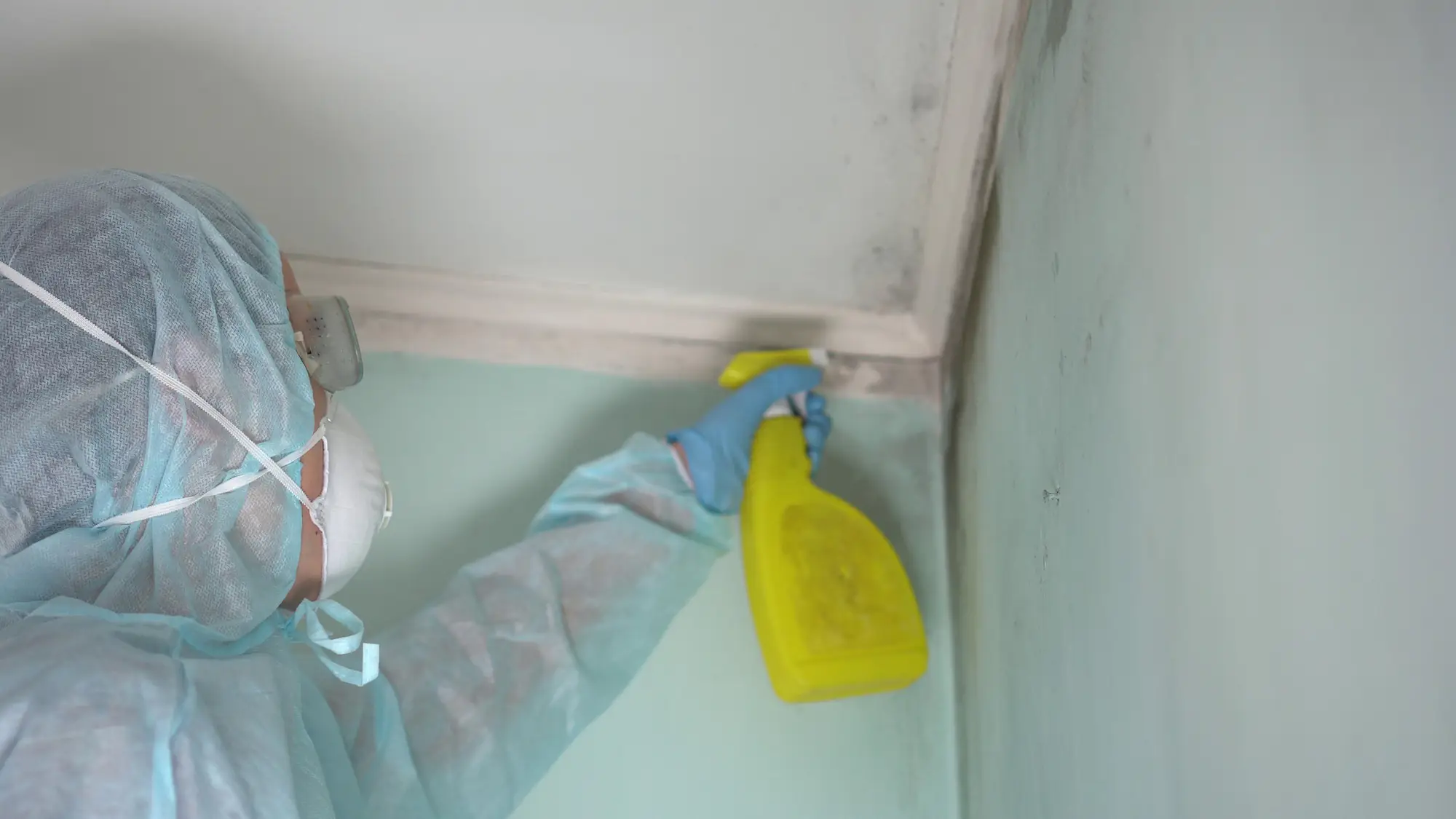
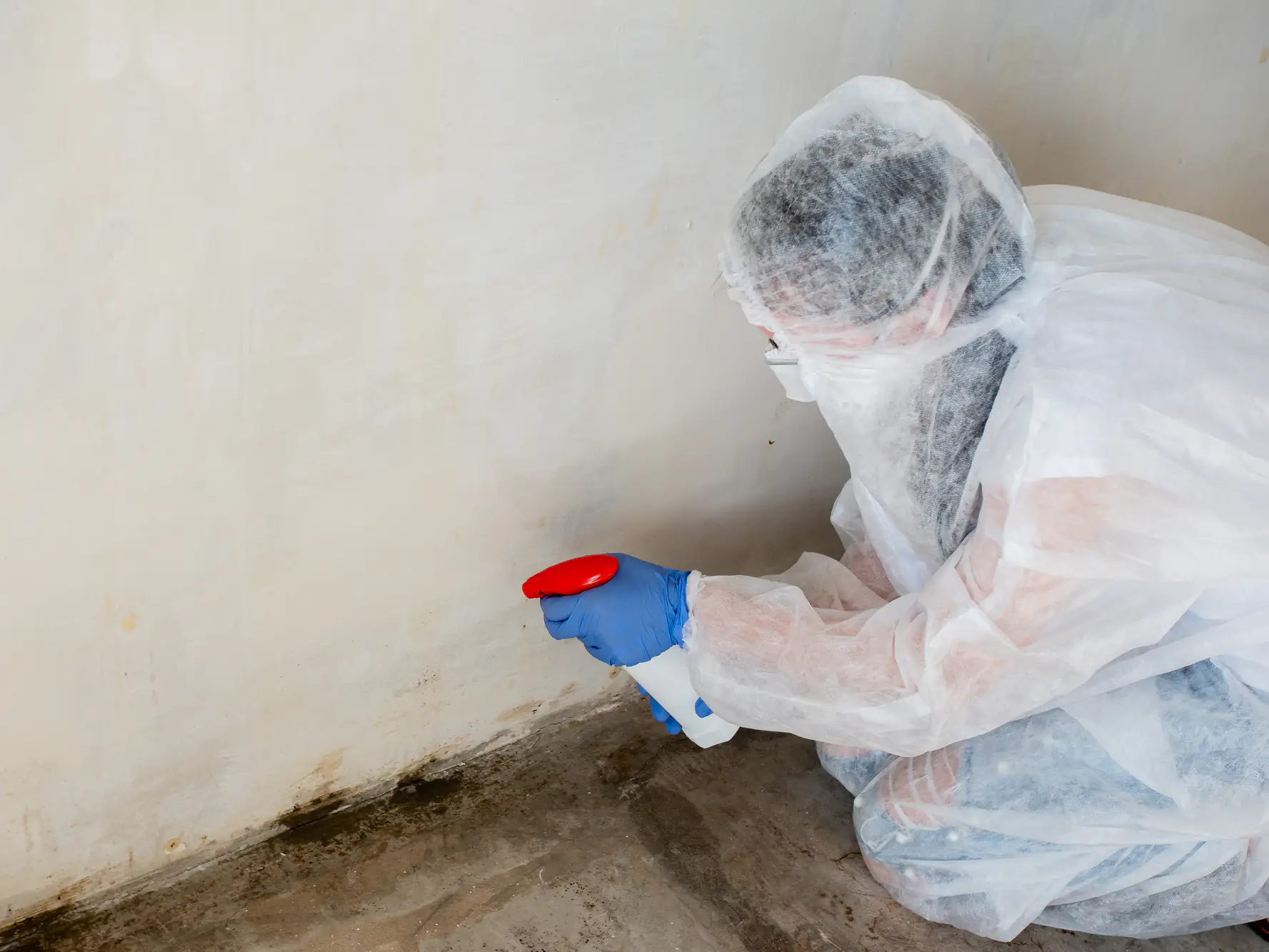
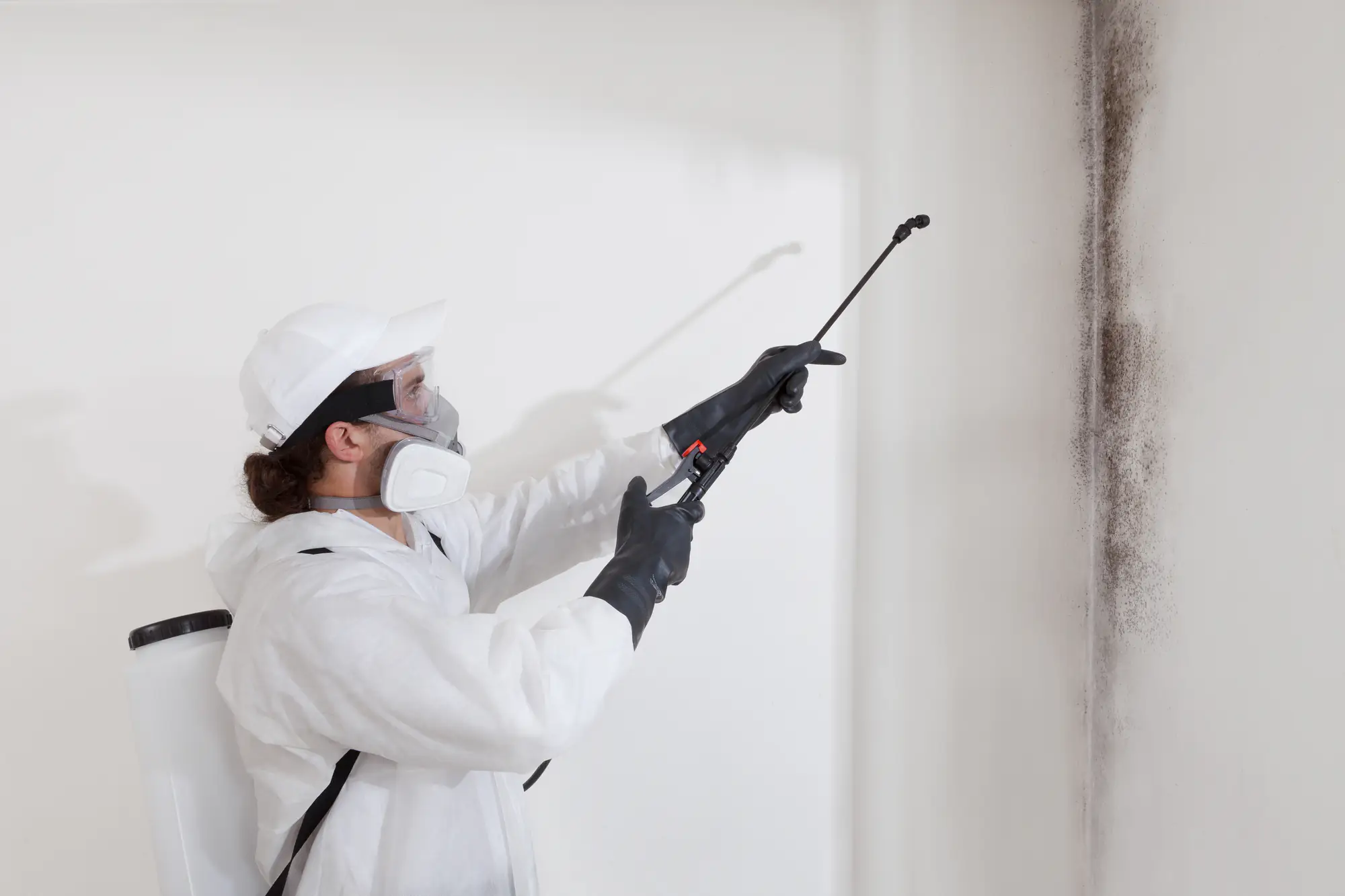
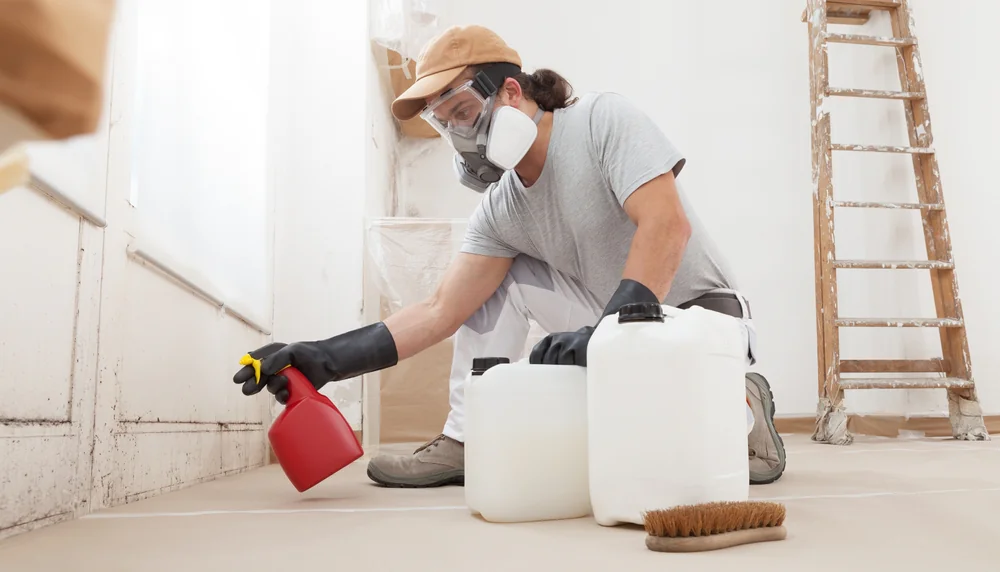
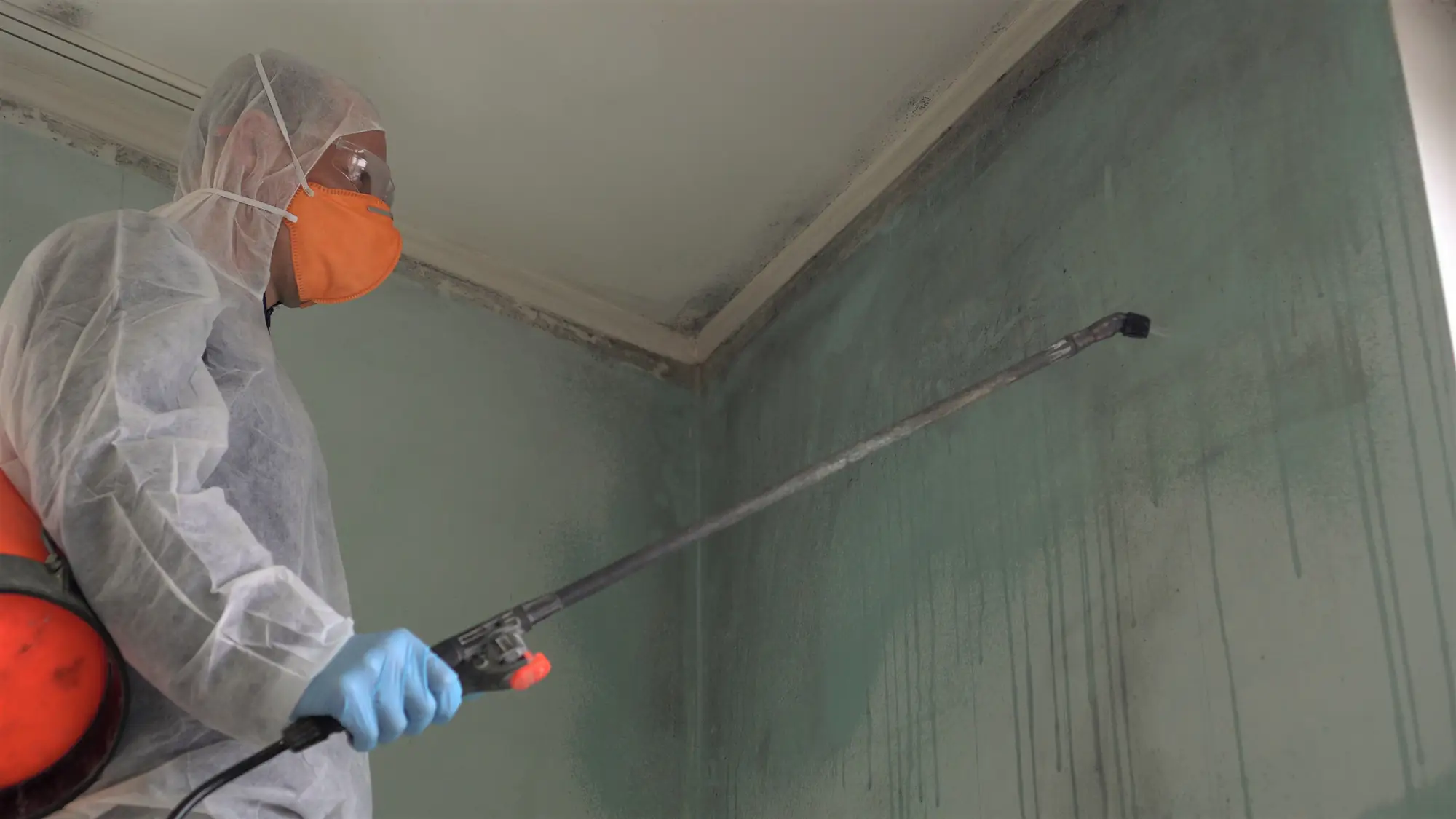
There’s a difference between cleaning mold and removing it properly. Wiping down a moldy surface with bleach might make it look better temporarily, but it doesn’t solve the problem. Professional mold remediation follows a systematic process designed to eliminate both the visible growth and the conditions that caused it.
The process starts with a thorough inspection—not just of the obvious problem areas, but your entire property. This means checking hidden spaces, using moisture meters to detect dampness behind walls, and sometimes using infrared cameras to find temperature differences that indicate moisture intrusion. The goal is understanding the full scope of the problem, not just addressing what you can see.
Air quality testing comes next. Air samples and surface samples get sent to independent laboratories to identify exactly what types of mold are present and at what concentrations. This information determines the appropriate remediation approach and provides a baseline for verifying that the work was successful.
The Mold Remediation Process From Start to Finish
Once the inspection and testing establish what you’re dealing with, the actual remediation work begins with containment. This isn’t optional—it’s essential for preventing mold spores from spreading to unaffected areas during the removal process. Physical barriers seal off the work area. Negative air pressure systems ensure that air flows into the contained space rather than out of it.
Removal of contaminated materials comes next. Porous materials like drywall, insulation, and carpeting that have significant mold growth typically can’t be saved. They need to be removed and properly disposed of. Non-porous surfaces like metal, glass, and hard plastics can usually be cleaned and treated. Wood framing and structural elements fall somewhere in between—they can often be saved if caught early enough, but require thorough cleaning and treatment.
HEPA vacuuming and antimicrobial treatments clean surfaces that are being kept. This isn’t the same as household cleaning. HEPA filtration captures microscopic mold spores that regular vacuums would just redistribute into the air. Antimicrobial treatments kill remaining mold and help prevent regrowth, but they’re not a substitute for fixing moisture problems.
Drying and dehumidification address the moisture that caused the problem in the first place. Industrial dehumidifiers and air movers ensure that affected areas are thoroughly dried. Moisture meters confirm that materials have returned to normal levels. This step often takes longer than people expect. It’s critical for preventing mold from returning.
Air scrubbing with HEPA filtration continues throughout the process and for a period afterward. These machines continuously filter the air in the affected area, capturing mold spores and other particles. The goal is returning indoor air quality to normal levels, not just removing visible growth.
Post-remediation verification testing confirms that the work was successful. Air samples taken after remediation is complete should show mold spore levels that are normal for the area. This independent verification protects both you and the remediation company by providing objective proof that the problem was solved.
Why Fixing the Moisture Source Matters More Than Removing Mold
Here’s the truth that separates mold remediation companies who actually solve problems from those who just treat symptoms: mold removal without moisture control is temporary at best. You can remove every trace of mold from your home, but if the conditions that caused it remain, you’ll see growth again within weeks or months.
Think about it this way. Mold spores are everywhere—in outdoor air, in your home, floating around constantly. They’re not the problem. The problem is when those spores find moisture and a food source. Remove the mold but leave the moisture? You’ve only bought yourself a little time.
This is why professional mold remediation always includes identifying and addressing moisture sources. That might mean fixing plumbing leaks, improving ventilation, redirecting water away from your foundation, adding dehumidification, or upgrading your home’s moisture barriers. The specific solution depends on what’s causing moisture in your particular situation.
Some moisture issues are straightforward. A leaking pipe gets repaired. A hole in the roof gets patched. Simple enough. But others are more complex. High humidity throughout your home might require a whole-house dehumidification system. Groundwater seeping through your basement walls might need exterior waterproofing or interior drainage systems. Condensation forming on cold surfaces might need better insulation and air sealing.
The companies that do this right will tell you about these underlying issues even when they’re not easy or cheap to fix. We explain what’s causing the moisture problem and what needs to happen to prevent recurrence. The ones that don’t mention moisture sources at all? They’re probably planning to come back for another job when the mold returns.
Cost is often a concern here. That’s understandable. Fixing moisture problems can sometimes cost more than removing the mold itself. But consider the alternative: paying for mold removal services repeatedly, dealing with ongoing health effects, watching your property value decline, and living with the constant worry that it’s growing behind walls you can’t see. Addressing the root cause isn’t just the right approach—it’s the economical one in the long run.
Getting Mold Removal Done Right in Philadelphia, Bucks, and Montgomery Counties
Mold problems in your Philadelphia-area home aren’t going to solve themselves. The climate here, the age of local housing stock, and the moisture challenges common to this region mean that mold issues tend to persist until they’re properly addressed.
What you’ve learned here should help you understand the difference between surface-level cleaning and actual remediation. Between temporary fixes and permanent solutions. Between companies that just want to remove visible mold and those committed to solving the underlying moisture problems that keep bringing it back.
Your family’s health, your home’s air quality, and your property’s value all depend on getting this right the first time. That means working with certified mold removal specialists who understand Philadelphia’s unique challenges, who take time to inspect thoroughly, who test to establish baselines and verify results, and who address moisture sources instead of just treating symptoms. We’ve been helping homeowners across Bucks, Montgomery, and Philadelphia Counties solve these problems for over 15 years—not with quick fixes, but with real solutions that last.