Summary:
Why Professional Mold Inspection Matters in Philadelphia Homes
Philadelphia’s housing stock tells a story. Many homes were built before modern moisture control standards existed, which means inadequate drainage, outdated ventilation systems, and construction methods that trap moisture. Add in the city’s coastal location with high humidity and frequent precipitation, and you’ve got conditions where mold thrives year-round.
Basements are particularly vulnerable. Below-grade construction, limited natural ventilation, and groundwater seepage create damp environments perfect for mold growth. Rowhouses share walls, which means moisture problems can transfer between properties. That aging infrastructure you love for its character? It’s also creating hidden pockets where mold grows undetected for months or even years.
Professional mold inspection doesn’t just confirm what you already see. It finds what you can’t see and tells you whether those dark spots are actually mold or just dirt. Not all mold is toxic, and not every situation requires expensive remediation. But you won’t know until someone with the right equipment actually tests it.

How Mold Inspection Works: Tools and Technology
We use specialized equipment that goes far beyond a visual once-over. Thermal imaging cameras detect temperature differences that indicate hidden moisture behind walls, under floors, or in ceilings. What looks normal to your eye shows up as a clear anomaly on the thermal camera. Those anomalies point us to areas that need closer examination.
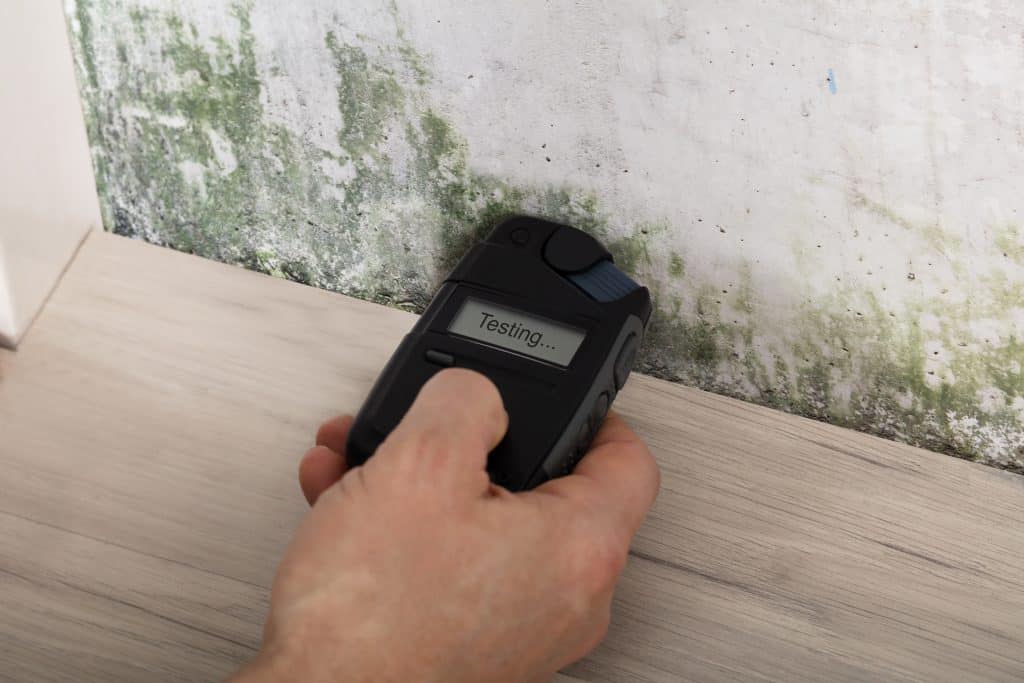
Moisture meters measure the moisture content in building materials without damaging them. These tools use radio frequency technology to detect moisture levels up to three inches behind surfaces. Drywall that hasn’t been affected by water typically reads between 5% and 12% moisture. Readings above that signal a problem. When moisture levels hit 17% or higher, you’re in the danger zone where mold can start growing within 24 to 48 hours.
Air sampling pumps collect airborne mold spores for laboratory analysis. We take samples from multiple areas of your home, including at least one outdoor sample for comparison. Indoor mold concentrations shouldn’t be higher than outdoor levels. The lab identifies specific mold species present and measures spore concentrations. This tells you not just whether you have mold, but what type and how much.
Humidity and temperature readers provide instant measurements of environmental conditions. Mold begins growing in areas with humidity levels above 60%. In Philadelphia basements, humidity can easily reach 90% or higher without proper dehumidification. These readings help us understand whether current conditions are supporting mold growth or if you’re dealing with residual contamination from a past issue.
Surface sampling using tape lifts or swabs collects physical samples from suspected mold growth. These samples go to a certified laboratory for analysis. The lab report identifies the exact mold species, which determines whether you’re dealing with allergenic, pathogenic, or toxigenic organisms. Some molds are relatively harmless. Others require immediate professional remediation.
The inspection process typically takes two to four hours depending on your home’s size. We examine common problem areas like basements, crawl spaces, attics, bathrooms, and around windows and plumbing. We look for visible mold, water stains, condensation, and conditions that support mold growth. We check HVAC systems, which can distribute mold spores throughout your entire home if contaminated.
When Philadelphia Homeowners Should Schedule a Mold Inspection
Timing matters. You need a mold inspection after any significant water damage, whether from basement flooding, roof leaks, or burst pipes. If the affected area wasn’t completely dried within 24 to 48 hours, mold has likely started growing. The best time to inspect is after drying activities are complete, usually 48 hours after the water intrusion. This gives us an accurate picture of remaining moisture and early mold growth.
If you’re buying a home in Philadelphia, schedule a mold inspection before closing. Regular home inspections include a visual check, but most home inspectors aren’t trained in proper mold detection. They might miss hidden growth behind walls or in crawl spaces. A separate mold inspection uses specialized equipment to find problems that could cost you thousands after you’ve already bought the property. It also gives you negotiating leverage if mold is discovered.
Unexplained health symptoms are a red flag. If you or your family members experience persistent respiratory issues, allergies, headaches, or fatigue that seem worse at home, mold exposure could be the cause. Children, elderly family members, and people with compromised immune systems are particularly vulnerable. A professional inspection identifies whether mold is present and affecting your indoor air quality.
That musty odor you keep smelling but can’t locate? It’s probably mold growing somewhere you can’t see. Mold has a distinct smell that gets stronger as the colony grows. If you smell it but can’t find visible growth, the mold is likely behind walls, under flooring, in HVAC ductwork, or in other hidden areas. We use moisture meters and thermal imaging to track down the source.
If your home has been unoccupied for months or years, schedule an inspection before moving back in. Closed-up homes with no climate control can develop serious humidity problems, especially in Philadelphia’s humid summers. Moisture builds up inside and creates ideal conditions for mold growth on walls, ceilings, stored items, and building materials.
After mold remediation, you need a clearance inspection to confirm the job was done correctly. Some mold removal companies cut corners or miss hidden growth. A clearance test performed by an independent third party verifies that mold levels have returned to normal and the underlying moisture problem has been addressed. This protects your investment and ensures the mold won’t just come back in a few months.
Want live answers?
Connect with a Mack's Mold Removal expert for fast, friendly support.
What Mold Testing Reveals About Your Indoor Air Quality
Mold testing goes beyond simply confirming whether mold is present. Laboratory analysis identifies specific species and measures spore concentrations in your indoor air. This information determines the severity of the problem and whether professional remediation is necessary. Some mold species are allergenic but not particularly dangerous. Others, like Stachybotrys chartarum (black mold), produce toxins that can cause serious health effects with prolonged exposure.
Air quality testing mimics the human respiratory system, collecting the same spores you’d be breathing. Samples are sent to accredited laboratories like EMSL, which analyze the types and quantities of mold present. The lab report compares indoor and outdoor samples. There shouldn’t be any mold species inside your home that aren’t also found outside. Indoor concentrations shouldn’t exceed outdoor levels.
Results typically come back within three to ten business days. The report includes detailed findings about which mold species were detected, their concentrations, and whether levels are elevated compared to normal environmental conditions. This gives you hard evidence instead of guesses. If you’re dealing with an insurance claim or real estate dispute, having a professional lab report can be the backbone of your argument.
Common Mold Problems in Philadelphia's Aging Housing Stock
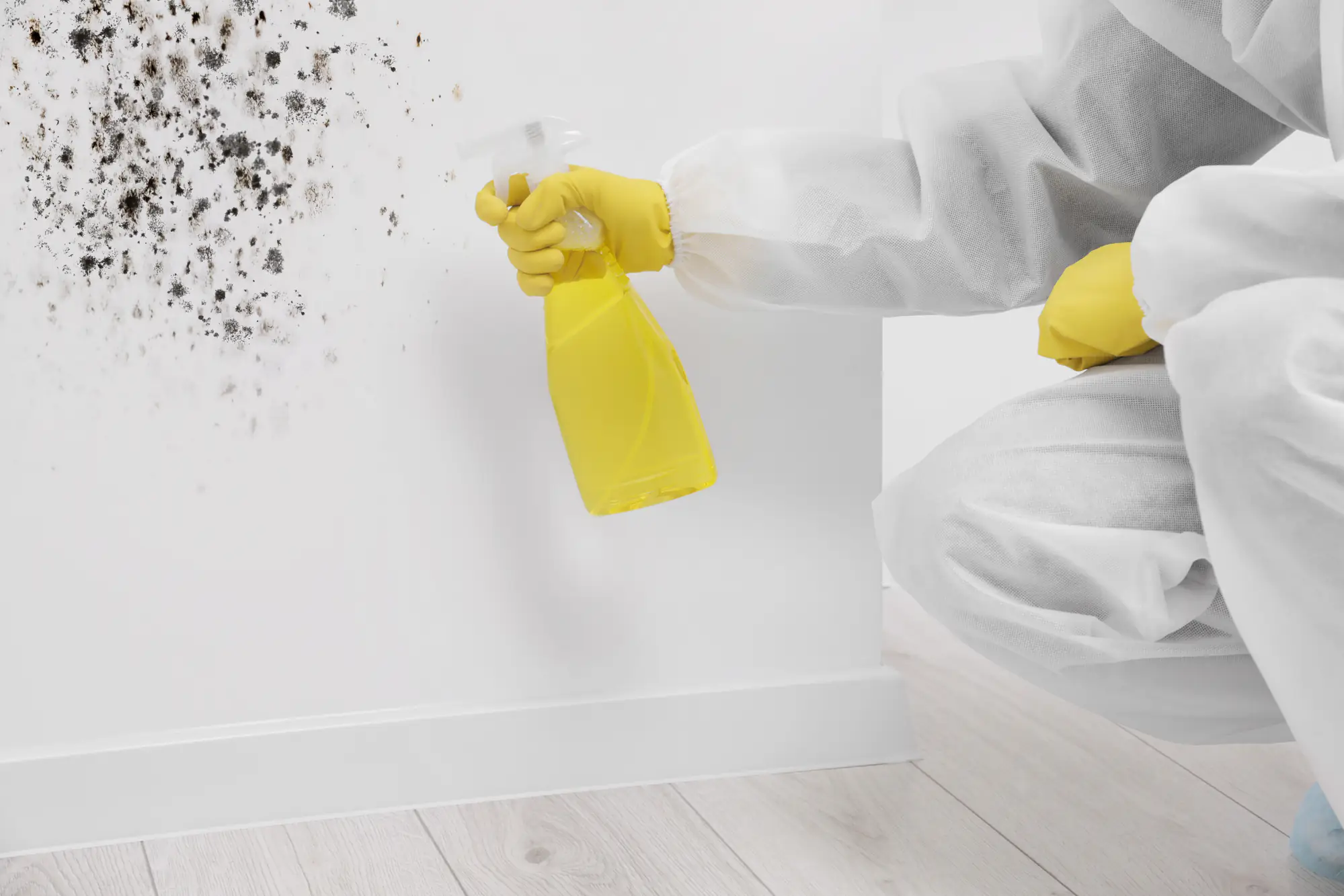
Philadelphia’s older homes face specific challenges that newer construction doesn’t. Many rowhouses were built in earlier decades with construction methods that didn’t account for modern moisture control. Poor drainage around foundations, inadequate ventilation systems, and aging infrastructure create ongoing moisture problems. The dense urban environment means less air circulation around buildings, which compounds humidity issues.
Basements are the most common problem area. Condensation builds up on cold surfaces, groundwater seeps through foundation walls, and limited ventilation prevents moisture from escaping. In Philadelphia’s humid climate, basement humidity levels can easily reach 80% to 99% without proper dehumidification. At those levels, mold grows rapidly on walls, floors, stored items, and building materials.
Bathrooms with inadequate ventilation are another frequent culprit. Shower steam and sink moisture have nowhere to go, so they condense on walls, ceilings, and grout. Over time, this creates perfect conditions for mold growth. Older homes often lack proper exhaust fans or have fans that don’t vent outside, which just recirculates humid air back into the bathroom.
Areas around leaky windows and plumbing are particularly susceptible. Philadelphia’s older architecture often means less-than-ideal drainage and window builds that are more prone to leaks. Water intrusion around window frames can go unnoticed for months while mold grows in the wall cavity. Plumbing leaks behind walls or under floors create hidden moisture that feeds mold colonies you can’t see.
HVAC systems can harbor mold and distribute spores throughout your entire home. Condensate pans, air handlers, and ductwork provide dark, damp environments where mold thrives. If your HVAC system is contaminated, every time the system runs, it’s spreading mold spores to every room in your house. This is why unexplained allergy symptoms often worsen when the heating or cooling system is running.
Crawl spaces are frequently overlooked but can be major sources of mold that impact your home’s air quality. High humidity, poor ventilation, and exposure to groundwater create conditions where mold grows unchecked. Because crawl spaces are rarely accessed, the problem can become severe before anyone notices. Mold in crawl spaces doesn’t stay contained—it affects the air quality in the living spaces above.
Understanding Mold Inspection Costs and What You're Paying For
Mold inspection costs in Philadelphia typically range from $300 to $800 for most residential properties. The price depends on your home’s size, the number of samples collected, and whether we need to access hard-to-reach areas. Homes under 4,000 square feet generally fall in the $300 to $400 range. Larger homes or properties requiring extensive testing can reach $700 to $1,000.
What you’re paying for is expertise, equipment, and laboratory analysis. Professional-grade moisture meters cost thousands of dollars. Thermal imaging cameras are even more expensive. Air sampling equipment, laboratory fees, and the time required for a thorough inspection all factor into the cost. You’re also paying for training and certifications, which ensure we know where to look and how to interpret findings accurately.
Mold testing includes laboratory analysis of collected samples. Each air sample typically costs $50 to $100 to analyze. Surface samples add another $40 to $150 depending on the testing method. Most inspections include at least two air samples—one outdoor control sample and one from the area of concern. We may recommend additional samples if we suspect mold in multiple areas or want to test specific surfaces.
Some companies offer “free” mold inspections, but there’s usually a catch. These are typically visual-only inspections performed by mold remediation companies that want your business. They have a financial incentive to find problems and recommend their removal services. True professional mold testing performed by an independent third party eliminates this conflict of interest. You get unbiased results and can trust that recommendations are based on actual findings, not sales goals.
Spending money upfront on a proper inspection can save you thousands in the long run. If you skip the inspection and hire a remediation company blindly, you might pay for work you don’t actually need. Or worse, you might pay for incomplete work that doesn’t address the root cause, and the mold comes back in a few months. A professional inspection tells you exactly what you’re dealing with so you can make informed decisions about remediation.
For real estate transactions, the inspection cost is minimal compared to the value it provides. Discovering mold before you buy gives you negotiating power. You can ask the seller to handle remediation, negotiate a lower purchase price, or walk away if the problem is severe. Finding out about mold after closing could cost you tens of thousands in remediation and repairs with no recourse.
Insurance claims often require professional documentation. If you’re filing a claim for water damage or mold remediation, having a detailed inspection report from a certified professional strengthens your case. The report provides evidence of the problem’s extent, identifies the source, and documents conditions. This can be crucial if your insurance company disputes the claim or questions whether the damage is covered.
Making Informed Decisions About Mold in Your Philadelphia Home
Professional mold inspection gives you clarity instead of worry. You’ll know exactly what’s growing in your home, where it’s located, and whether it requires professional remediation. You’ll understand the moisture source causing the problem so you can address the root cause, not just the symptoms. And you’ll have documented evidence for insurance claims, real estate transactions, or simply your own peace of mind.
Philadelphia’s unique challenges—aging housing stock, humid coastal climate, and older construction methods—make professional inspection particularly valuable. The tools and expertise required to find hidden mold and moisture problems aren’t available in DIY test kits. Thermal imaging, professional-grade moisture meters, and certified laboratory analysis provide accurate results you can trust.
If you’re dealing with musty odors, unexplained health symptoms, recent water damage, or concerns about your indoor air quality, don’t guess. Schedule a professional mold inspection and get real answers. We understand Philadelphia’s specific mold challenges and can help you determine whether your home has a problem that needs attention.