Summary:
Why Older Philadelphia Homes Get More Mold Than Newer Properties
The homes that give Philadelphia its character were built decades before anyone thought about moisture control. We’re talking about properties constructed in the 1800s through mid-1900s, when builders focused on durability and craftsmanship but didn’t have the knowledge or materials to prevent moisture problems.
Your historic home wasn’t designed for the way we live now. Modern HVAC systems, updated plumbing, and sealed windows create humidity levels that old houses can’t handle. Add in Philadelphia’s coastal climate with humid summers and frequent rain, and you’ve got the perfect recipe for mold growth that affects your home’s air quality.
The construction methods used back then actually trap moisture inside. Brick foundations absorb water like sponges. Plaster walls hold onto dampness. Wood framing from old-growth lumber retains more moisture than modern materials. None of this is a flaw in the original design—it’s just that these homes were built for a different time, with different expectations about indoor air quality and moisture management.
How Aging Building Materials Create Mold Problems
The materials in your older Philadelphia home are part of what makes it special, but they’re also why mold keeps coming back. Let’s break down what’s actually happening inside those walls.
Brick and mortar foundations were standard in historic Philadelphia construction. These materials are porous—they absorb water easily and hold onto it for a long time. When groundwater pushes against your foundation or rain seeps through aging mortar joints, that moisture has nowhere to go. It just sits there, creating the damp environment mold needs to grow. Stone foundations have the same problem, especially in below-grade basements where there’s constant contact with wet soil.
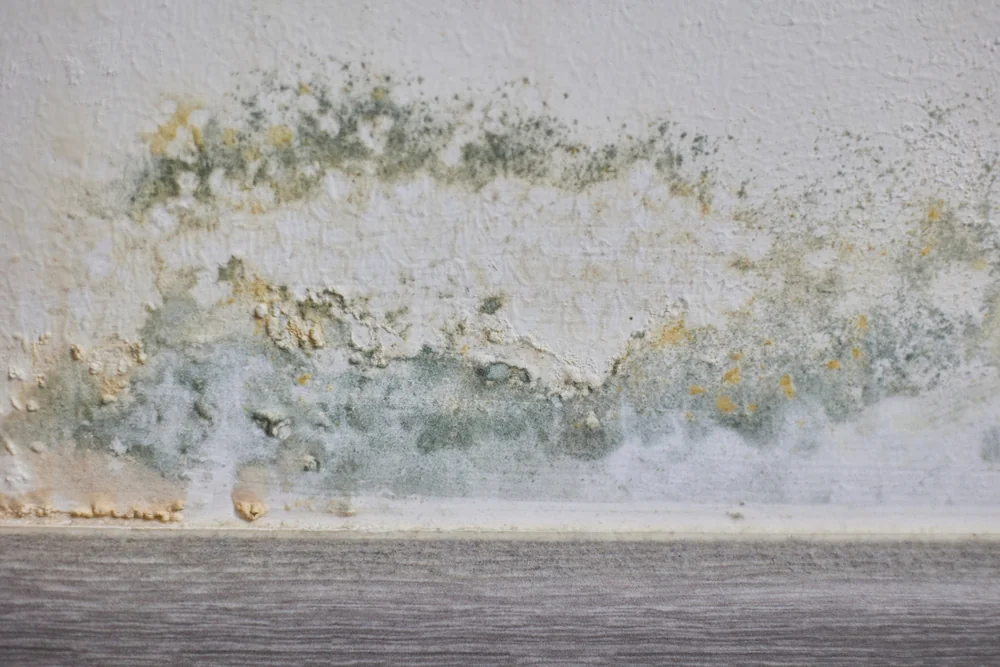
Plaster walls are another issue. Unlike modern drywall, plaster absorbs moisture gradually over time. You might not see water damage on the surface, but behind that plaster, dampness accumulates. Mold grows in the space between the plaster and the brick or lath backing, completely hidden from view. By the time you smell something musty or see discoloration, the problem has been developing for months. This is why mold testing becomes so important—you need to know what’s happening behind the surfaces you can’t see.
Old wood framing adds to the challenge. Historic homes often used heartwood lumber—dense, quality wood that was great for structure but terrible for moisture management. This wood absorbs and retains water more than modern kiln-dried lumber. Once it gets wet from a leak or condensation, it takes forever to dry out. Mold loves that sustained dampness.
Even the improvements you’ve made can backfire. If someone renovated part of your home and used modern drywall, that paper facing is basically mold food. Paper-faced drywall holds almost no moisture before mold starts growing on it. It’s one of the most mold-susceptible materials you can have, and it’s often mixed in with original plaster in partially updated homes.
The flooring situation isn’t much better. Basements built before 2000 typically don’t have vapor barriers beneath the concrete. Moisture from the ground rises up through the slab, creating dampness that affects everything above it. Carpet, wood, stored belongings—all of it sits in that humid environment, giving mold plenty of places to take hold.
What makes this particularly frustrating is that you can’t just rip out all these materials. They’re part of your home’s structure and character. But understanding how they interact with moisture helps you know where to look for problems and what actually needs to be fixed.
Ventilation and Drainage Issues in Historic Philadelphia Properties
Walk through any older Philadelphia neighborhood and you’ll see homes packed close together—rowhouses sharing walls, narrow lots with minimal space between buildings. That density is part of the city’s charm, but it’s also why ventilation and air quality are such problems in historic properties.
These homes weren’t designed with air circulation in mind. There are no soffit vents in the attic, no exhaust fans in the bathrooms, and often no way for humid air to escape. When you cook, shower, or even just breathe, you’re adding moisture to the air. In a newer home, ventilation systems remove that humidity. In your older home, it just hangs around, condensing on cold surfaces and soaking into porous materials.
Basements are particularly bad. Most historic Philadelphia basements are below-grade spaces with small windows or no windows at all. There’s no natural airflow, and the temperature stays cool year-round. When warm, humid summer air comes in contact with those cool basement surfaces, condensation forms immediately. That’s why your basement always feels damp even when there’s no active leak.
The dense urban layout makes things worse. Rowhouses share walls with neighbors, which means moisture problems can actually transfer between properties. If the house next door has a leak or poor drainage, you might end up dealing with dampness coming through the shared wall. There’s less air circulation around the exterior of your home because buildings are so close together, which means walls stay damp longer after rain.
Drainage is another major issue in older Philadelphia properties. These homes were built before modern grading and drainage systems existed. The ground around your foundation might slope toward the house instead of away from it. Gutters and downspouts—if they exist—might dump water right next to the foundation. There might be no French drain system, no sump pump, and no way for water to move away from your home.
Over time, the ground settles and shifts. Foundations that were originally level might now have areas where water pools. Cracks develop in aging masonry. Tree roots from 100-year-old oaks push against foundation walls. All of this creates pathways for water to enter your basement, and once it’s in, poor ventilation means it stays.
The flat roofs common on Philadelphia rowhouses create their own drainage nightmares. Water pools on these roofs, eventually finding its way through aging materials and causing hidden leaks in attics or upper floors. You might not even know there’s a problem until mold starts growing in the ceiling or walls below.
Fixing ventilation and drainage in a historic home isn’t as simple as installing a fan or adding a gutter. The structure of the home limits what you can do. But understanding these limitations helps you focus on solutions that actually work with your home’s design rather than fighting against it.
Want live answers?
Connect with a Mack's Mold Removal expert for fast, friendly support.
How Mold Inspection and Testing Differ for Historic Philadelphia Homes
Inspecting an older Philadelphia home for mold isn’t the same as checking a property built in the last 20 years. The materials are different, the construction is different, and the places mold hides are different. You need someone who actually understands how these homes work.
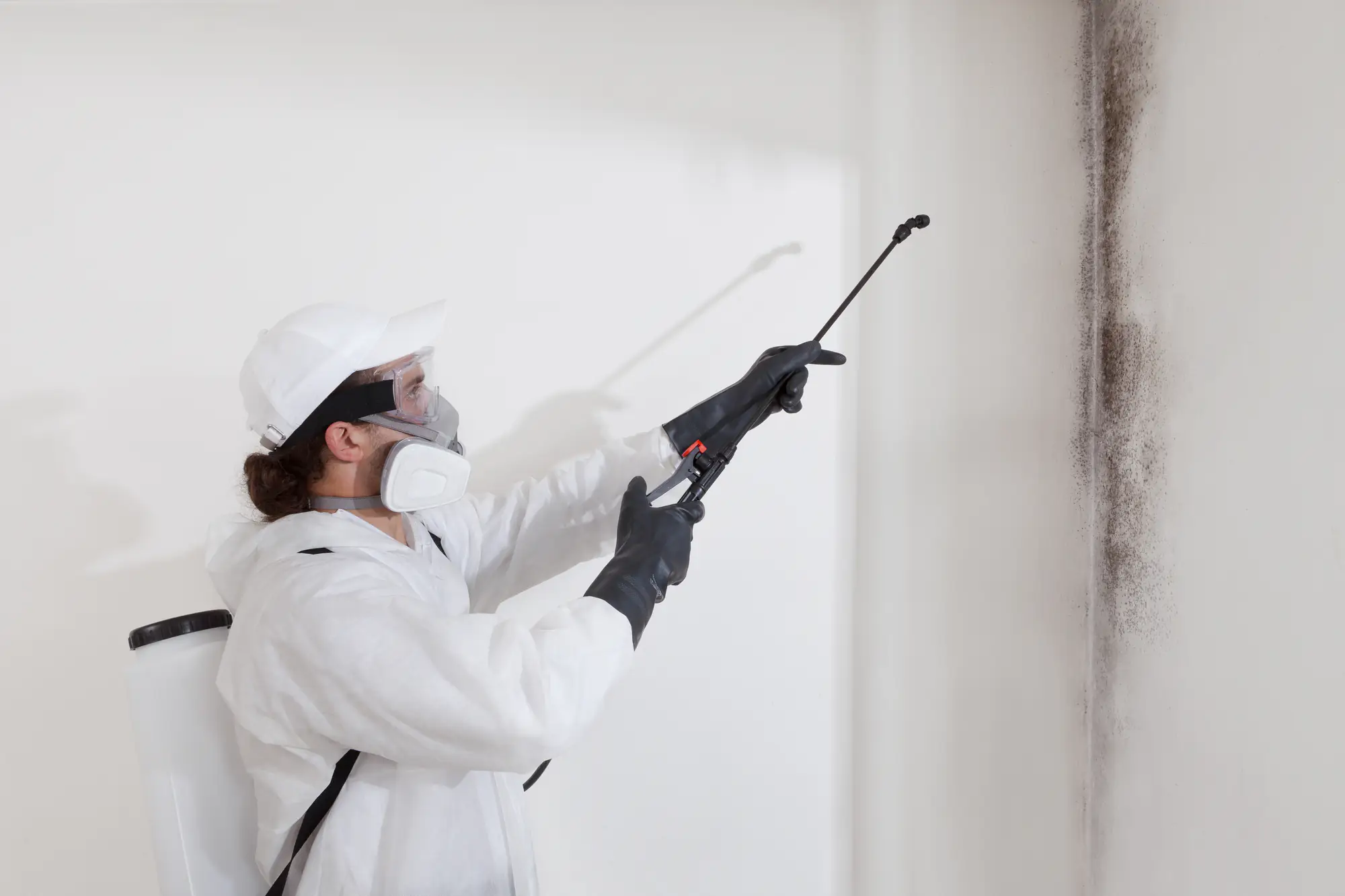
A proper mold inspection in a historic property goes beyond looking for visible growth. It involves understanding where moisture accumulates based on how the home was built. That means checking behind plaster walls, examining brick mortar joints, testing basement humidity levels, and using technology to find hidden problems. The goal isn’t just to find mold—it’s to figure out why your specific home is creating conditions for mold to grow and what that means for your indoor air quality.
What a Thorough Mold Inspection Includes
A real mold inspection starts with understanding your home’s history. When was it built? What renovations have been done? Where do you notice musty smells or see moisture? This context matters because it tells us where to focus attention based on common problems in homes of that era.
Visual inspection comes next, but it goes deeper than just looking at surfaces. We check areas most people never examine: the space behind radiators, under stairs, in crawl spaces, around old window frames, and in attic corners. We’re looking for discoloration, water stains, efflorescence on brick, and any signs that moisture has been present even if mold isn’t visible yet.
Moisture mapping is critical in older homes. We use moisture meters to test the water content in walls, floors, and ceilings. High moisture readings tell you where problems are developing even before mold appears. Infrared cameras reveal temperature differences that indicate water intrusion behind surfaces. You might have a slow leak in the wall that’s been feeding mold for months without any obvious signs from the outside.
Air quality testing measures the concentration of mold spores in your home’s air. This matters because mold growing in your HVAC system or behind walls releases spores that circulate throughout your entire house. You might not see mold anywhere, but if spore counts are elevated, there’s contamination somewhere. Air quality testing compares your indoor air to outdoor air to determine if you have an abnormal mold problem affecting your family’s health.
Surface sampling involves taking swabs or tape lifts from areas with visible growth or suspected contamination. These samples get sent to a lab to identify the specific types of mold present. Different molds require different remediation approaches, and some pose greater health risks than others. Knowing what you’re dealing with through proper mold testing helps create an effective removal plan.
The inspection should also identify moisture sources. Finding mold is only half the job—you need to know why it’s there. Is it a plumbing leak? Poor drainage around the foundation? Condensation from inadequate ventilation? A roof leak? The moisture source has to be fixed, or mold will just come back after removal.
In historic Philadelphia homes, we check specific problem areas common to older construction. That includes examining shared walls in rowhouses, testing humidity in below-grade basements with no vapor barrier, checking plaster walls for hidden moisture, inspecting old brick foundations for water intrusion, and evaluating whether HVAC systems added to the home are creating humidity problems the original structure can’t handle.
A thorough inspection ends with a detailed report that explains what was found, where moisture problems exist, what types of mold are present based on testing, and what needs to be done to fix it. This documentation is important for insurance claims, real estate transactions, and making sure remediation is done properly.
Moisture Control Strategies for Older Philadelphia Homes
Controlling moisture in a historic Philadelphia home requires a different approach than newer construction. You’re working with materials and systems that weren’t designed for modern moisture management, so solutions have to respect the home’s limitations while still being effective.
Basement waterproofing is often the most important step. This might include installing interior drainage systems that collect water before it enters living spaces, adding sump pumps to remove water that does get in, and applying sealants or vapor barriers to foundation walls. In older homes with stone or brick foundations, you can’t always waterproof from the outside without major excavation, so interior solutions become critical for protecting your home and maintaining healthy air quality.
Improving ventilation helps remove the humid air that feeds mold growth. This could mean adding exhaust fans in bathrooms, installing attic ventilation if it doesn’t exist, using dehumidifiers in basements and other damp areas, and ensuring HVAC systems are properly sized and maintained. The goal is to keep humidity levels below 50 percent, which makes it much harder for mold to grow and helps maintain better indoor air quality.
Drainage improvements around your foundation prevent water from pooling near the home. Make sure gutters and downspouts direct water at least six feet away from the foundation. Check that the ground slopes away from your home rather than toward it. Consider installing French drains or other drainage systems if water consistently accumulates near your basement walls.
Addressing plumbing issues prevents the leaks that often cause mold in older homes. This means fixing leaky pipes before they become major problems, replacing aging plumbing systems that are past their useful life, insulating pipes to prevent condensation, and regularly checking under sinks and around water heaters for signs of moisture.
Air quality maintenance includes regular HVAC inspections and cleaning. Ductwork can become contaminated with mold spores that then spread throughout your home every time the system runs. Changing filters regularly, having ducts professionally cleaned when needed, and ensuring proper airflow all help maintain healthier indoor air quality.
For shared walls in rowhouses, moisture control sometimes requires coordination with neighbors. If moisture is transferring through a shared wall, both properties might need to address the problem. This is particularly important if one home has a leak or drainage issue affecting the adjacent property.
The key is understanding that moisture control in historic homes is ongoing, not a one-time fix. These homes require more attention than newer construction because their materials and design make them naturally more vulnerable to moisture problems. Regular inspections, prompt repairs, and proactive humidity management keep mold from becoming a recurring nightmare.
Protecting Your Historic Philadelphia Home from Mold
Your older Philadelphia home comes with challenges that newer properties don’t face. The materials trap moisture, the ventilation is inadequate, and the drainage wasn’t designed for modern needs. But understanding why these homes are prone to mold gives you the power to actually fix the problem instead of just managing symptoms.
Proper mold inspection and testing identify not just where mold is growing, but why your specific home creates conditions for it. Addressing the moisture source—whether it’s poor drainage, inadequate ventilation, or aging infrastructure—prevents mold from returning after removal. This isn’t about quick fixes or surface cleaning. It’s about understanding how your historic home works and making changes that respect its character while protecting your health, air quality, and investment.
If you’re dealing with mold in your older Philadelphia home, or you want to prevent problems before they start, we understand the unique challenges of historic properties in Philadelphia County. We’ve worked with century-old rowhouses, brownstones, and aging homes throughout the area, and we know exactly where to look, what to test, and what to fix.