
Hear from Our Customers
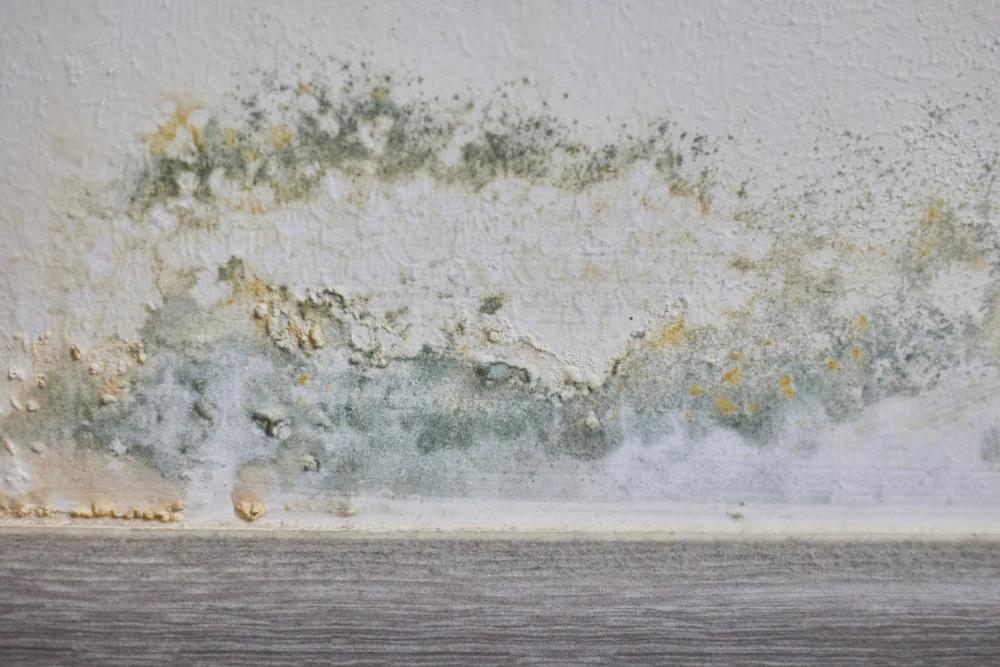
You’re not overreacting. That musty smell in your basement or the dark spots near your bathroom aren’t things you should ignore. In Willistown’s climate, mold finds its way into crawl spaces, around windows, and behind walls where you can’t see it spreading.
Here’s what matters: mold can cut your property value by 20-37%. In a market where homes average over $625,000, that’s a loss you can’t afford. It also spreads fast—within 48 hours of water exposure, colonies start growing.
Professional mold mitigation stops the problem at its source. You get complete removal using EPA-approved methods, not just surface cleaning that lets it come back. Your air quality improves. Your family stops breathing in spores that trigger allergies, asthma, and respiratory issues. And if you’re selling or refinancing, you have documentation that your home is clean.
We serve Willistown and the surrounding Chester County area with one focus: getting mold out of your home completely. We’re not a franchise following a corporate playbook. We’re local professionals who understand how Pennsylvania’s humidity and older home construction create perfect conditions for mold growth.
We use thermal imaging and moisture meters to find problems you can’t see. Our lab testing identifies exactly what type of mold you’re dealing with and whether it poses health risks. And we work directly with your insurance company to handle claims documentation, so you’re not navigating that process alone.
You get straightforward answers, upfront pricing, and a team that shows up when we say we will. That’s how we’ve built our reputation in Chester County.
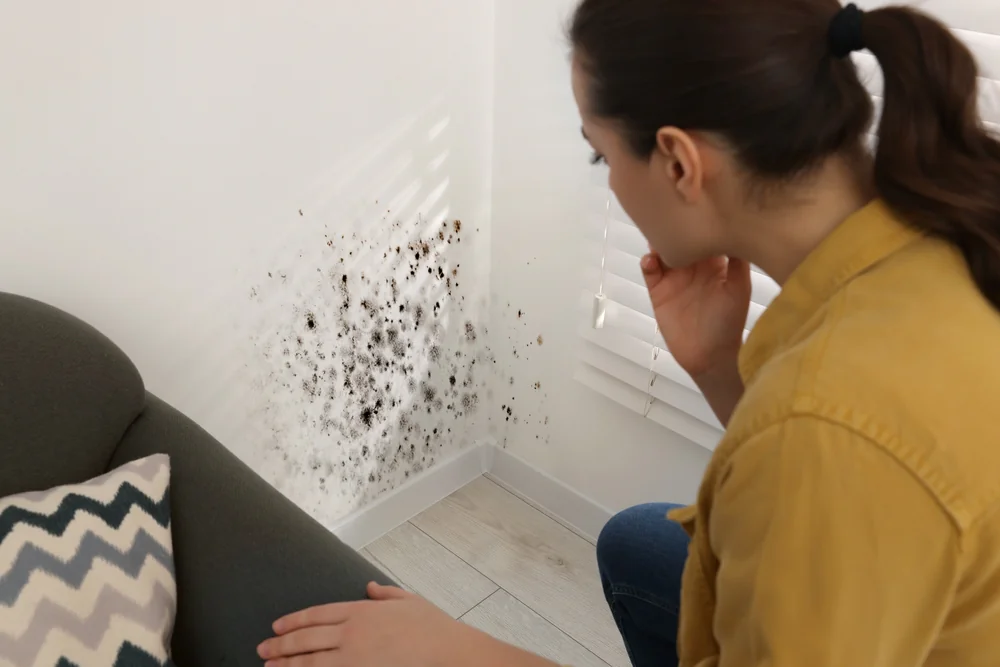
First, we inspect your property with infrared cameras and digital moisture meters. These tools detect elevated humidity and hidden water damage behind walls, under floors, and in spaces you can’t easily access. We’re looking for the source—not just the visible mold.
Next, we collect air and surface samples and send them to a certified lab. You get detailed results within 3-7 days that show exactly what species of mold is present and at what concentration levels. This isn’t guesswork.
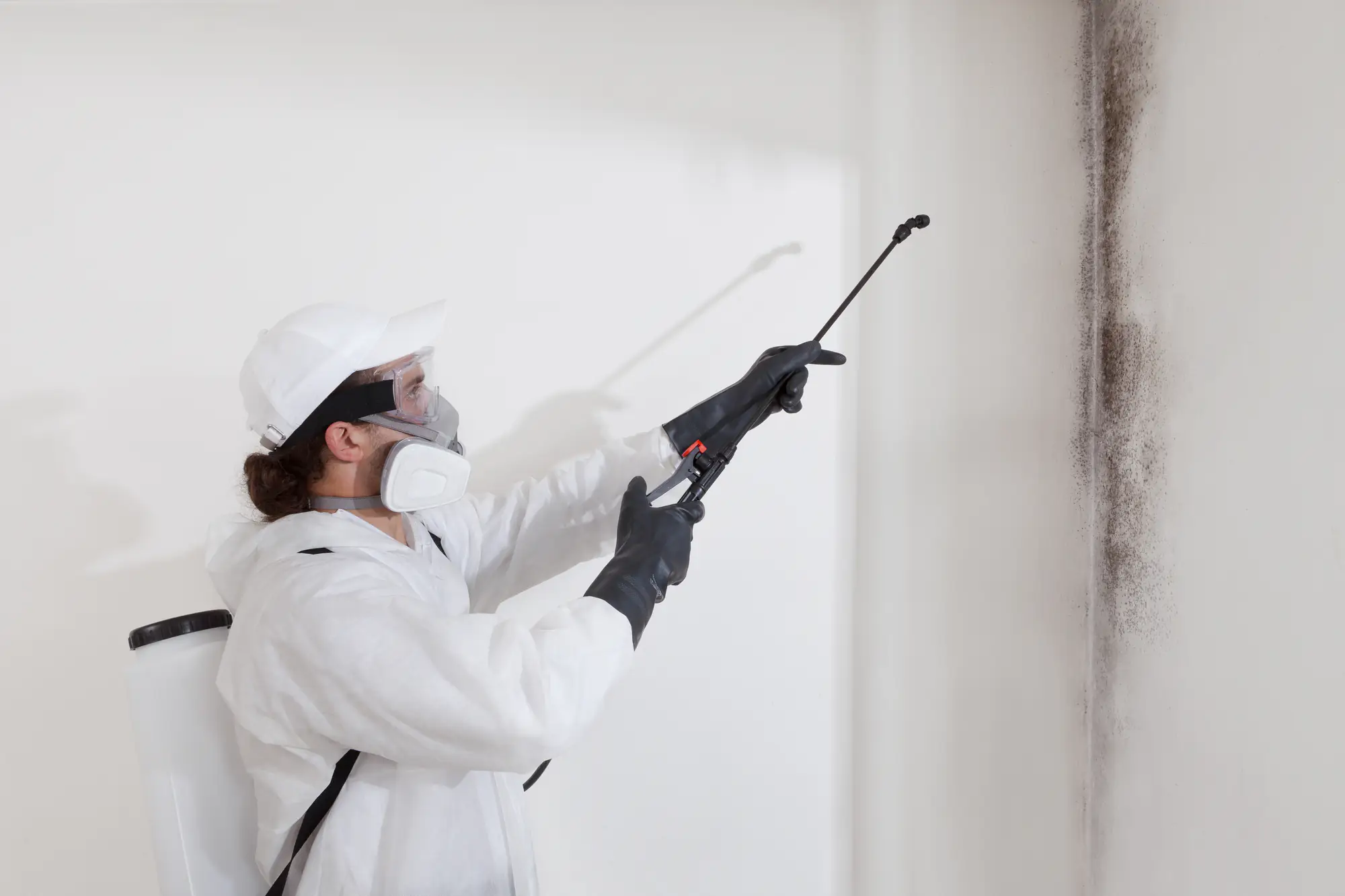
Then we contain the affected area using physical barriers and negative air pressure to prevent spores from spreading during removal. We remove contaminated materials, treat surfaces with antimicrobial solutions, and use HEPA filtration to clean the air. Finally, we verify the work with post-remediation testing to confirm your home is safe.
You’re involved at every step. We explain what we find, what needs to happen, and why. No surprises.
Ready to get started?
You get a free initial inspection where we assess visible and hidden mold growth. We use advanced detection equipment—thermal imaging, moisture meters, and visual examination—to map the full extent of the problem.
Laboratory analysis is included. Certified labs test your samples and provide detailed reports on mold species, concentration levels, and health risk assessments. This documentation is critical if you’re filing an insurance claim or need proof for a real estate transaction.
Containment and removal follow strict protocols. We seal off work areas, use HEPA air scrubbers, remove affected materials safely, and treat all surfaces with EPA-approved antimicrobials. We also identify and address the moisture source—whether it’s a roof leak, foundation issue, or HVAC problem—so mold doesn’t return.
In Willistown, where approximately 40% of homes were built before 1950, older construction often hides moisture problems. We know where to look in these properties and how to handle remediation without causing unnecessary damage to original materials.
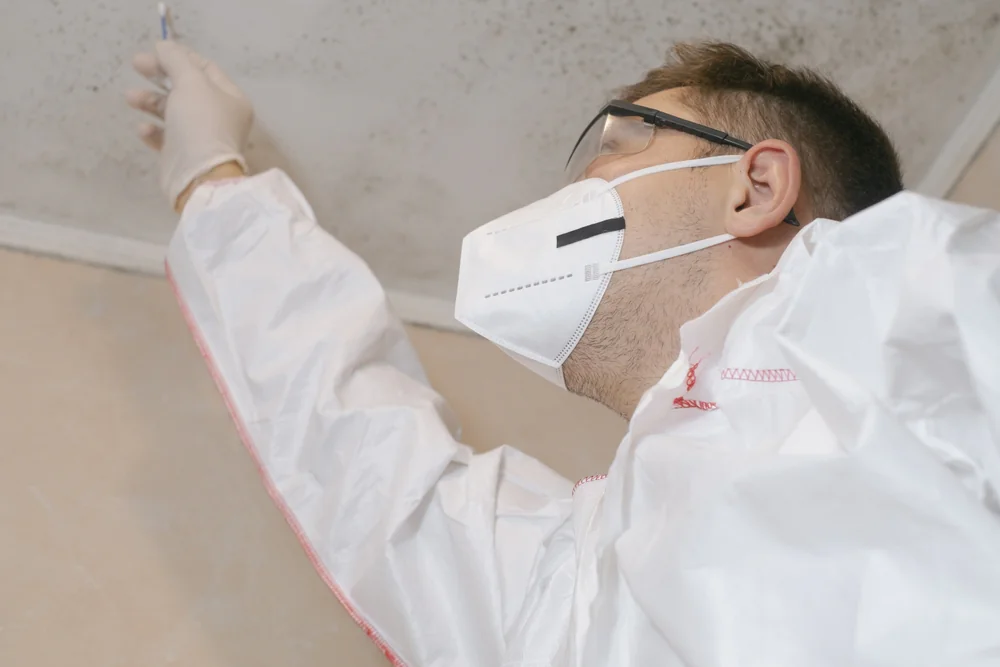
Mold starts growing within 24 hours of water exposure. Within 48 hours, colonies are actively spreading and releasing spores into your air.
This timeline is why fast response matters. If you’ve had a pipe burst, roof leak, or flooding in your basement, you’re already on the clock. The longer water sits, the deeper it penetrates into drywall, insulation, and structural materials.
In Chester County’s humid climate, conditions are even more favorable for rapid mold growth. Basements and crawl spaces with poor ventilation can stay damp for weeks after a water event, giving mold everything it needs to spread throughout your home.
Mold mitigation is the immediate response to stop mold from spreading further. It includes containment, moisture control, and preventing additional damage. Remediation is the full removal and restoration process.
Think of mitigation as emergency response. If you discover active mold growth, mitigation steps in first to contain the problem, dry out affected areas, and prevent spores from contaminating other parts of your home.
Remediation comes next. That’s when we remove contaminated materials, treat surfaces, clean the air with HEPA filtration, and restore your property to safe conditions. Most homeowners need both—mitigation to stop the immediate threat, then remediation to eliminate it completely.
It depends on what caused the mold. Most standard policies cover mold if it resulted from a sudden, accidental event like a burst pipe or storm damage. They typically don’t cover mold from long-term neglect or maintenance issues.
Around 47% of homes have some mold or dampness, but many homeowners discover too late that their policy doesn’t automatically include mold coverage. Some insurers offer it as an add-on or separate endorsement.
We work directly with insurance companies to document the damage, provide detailed reports, and help you navigate the claims process. Our lab results and inspection findings give your insurer the evidence they need to process your claim. If coverage is denied, we’ll explain your options and provide transparent pricing for out-of-pocket remediation.
You can’t tell by looking at it. Mold species vary widely in toxicity, and visual inspection alone won’t tell you if you’re dealing with common mildew or toxic black mold.
That’s why laboratory testing matters. We collect air and surface samples and send them to certified labs that identify the specific species present and measure concentration levels. Some molds—like Stachybotrys chartarum (black mold)—produce mycotoxins that cause serious respiratory problems, especially in children, elderly individuals, and people with compromised immune systems.
In Willistown, where 3,081 residents are seniors, this risk is significant. Elderly individuals often have weakened immune systems that make them more vulnerable to mold exposure. Lab testing gives you definitive answers about what you’re dealing with and whether your family is at risk.
Most residential mold mitigation projects take 3-7 days from start to finish, depending on the extent of contamination and the size of the affected area.
Small, contained problems—like mold in a bathroom or around a window—can often be handled in 1-2 days. Larger issues involving multiple rooms, HVAC systems, or structural materials take longer because we need time to properly contain the area, remove materials safely, and verify that all mold has been eliminated.
Lab results add 3-7 business days to the timeline. We collect samples during the initial inspection and again after remediation is complete. The lab needs time to culture samples and provide detailed reports. We don’t consider the job finished until post-remediation testing confirms your home is safe.
Mold returns when the moisture source isn’t fixed. Surface cleaning removes visible growth, but if humidity levels stay high or water intrusion continues, new colonies will grow in the same spots.
Common moisture sources in Willistown homes include foundation cracks that let groundwater seep into basements, roof leaks around chimneys and flashing, condensation from poorly insulated HVAC ducts, and inadequate ventilation in bathrooms and crawl spaces. Older homes built before 1950 often have additional issues like outdated plumbing and insufficient vapor barriers.
Professional mold mitigation addresses both the mold and the moisture. We use moisture meters to measure humidity levels throughout your home, identify where water is entering, and recommend permanent fixes—whether that’s improving drainage, repairing leaks, or upgrading ventilation. Without fixing the source, you’re just treating symptoms.
Other Services we provide in Willistown