
Hear from Our Customers
You stop wondering if that cough is connected to your house. The musty smell disappears. Your home feels cleaner, and you’re not lying awake thinking about what’s growing behind the walls.
Real mold mitigation isn’t about scrubbing visible spots with bleach. It’s about finding where moisture is getting in, removing contaminated materials the right way, and making sure spores don’t spread to clean areas during the process. That means containment barriers, negative air pressure, HEPA filtration, and antimicrobial treatments—not surface-level cleaning that brings the problem back in two weeks.
When it’s done correctly, you get documentation. Lab results that show which mold species were present and at what concentration. A clear plan that addresses the leak, ventilation issue, or humidity problem causing it. And a home where the air quality actually improves instead of just looking better for a few days.
Westtown’s humid summers and older home construction create perfect conditions for mold growth. Moisture hits cool basement walls, condensation forms, and within 24 to 48 hours, mold starts growing in materials you can’t see. If your symptoms get worse at home but improve when you leave, that’s not coincidence.
We handle mold mitigation for homeowners in Westtown, PA who need more than a quick cleanup. We’re state-licensed inspectors who start with unbiased testing—no pressure to buy services you don’t need, no financial incentive to exaggerate the problem.
We understand how Chester County homes are built. Older construction, plaster walls, brick basements, poor ventilation systems. These aren’t just details—they’re the reason mold keeps coming back when it’s not handled right. Heavy spring rains and humid summers don’t help.
Our approach combines professional air sampling, thermal imaging for moisture detection, and independent lab analysis. You get a detailed report within days that tells you exactly which mold species are present, where moisture is coming from, and what needs to happen next. Then we contain the area, remove contaminated materials safely, and fix what caused it so you’re not dealing with this again in six months.
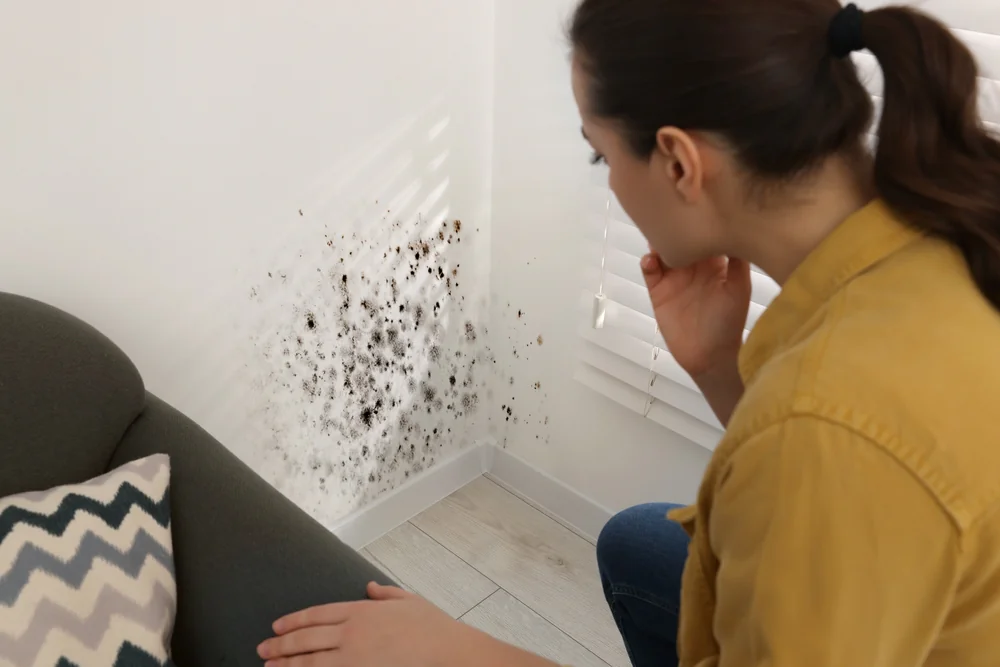
First, we test. Air sampling throughout your home measures mold spore concentrations in different rooms. Moisture meters and infrared cameras find hidden water damage behind walls, under floors, in places you’d never think to check. Samples go to an independent lab, and you get results that identify the exact mold species and concentration levels.
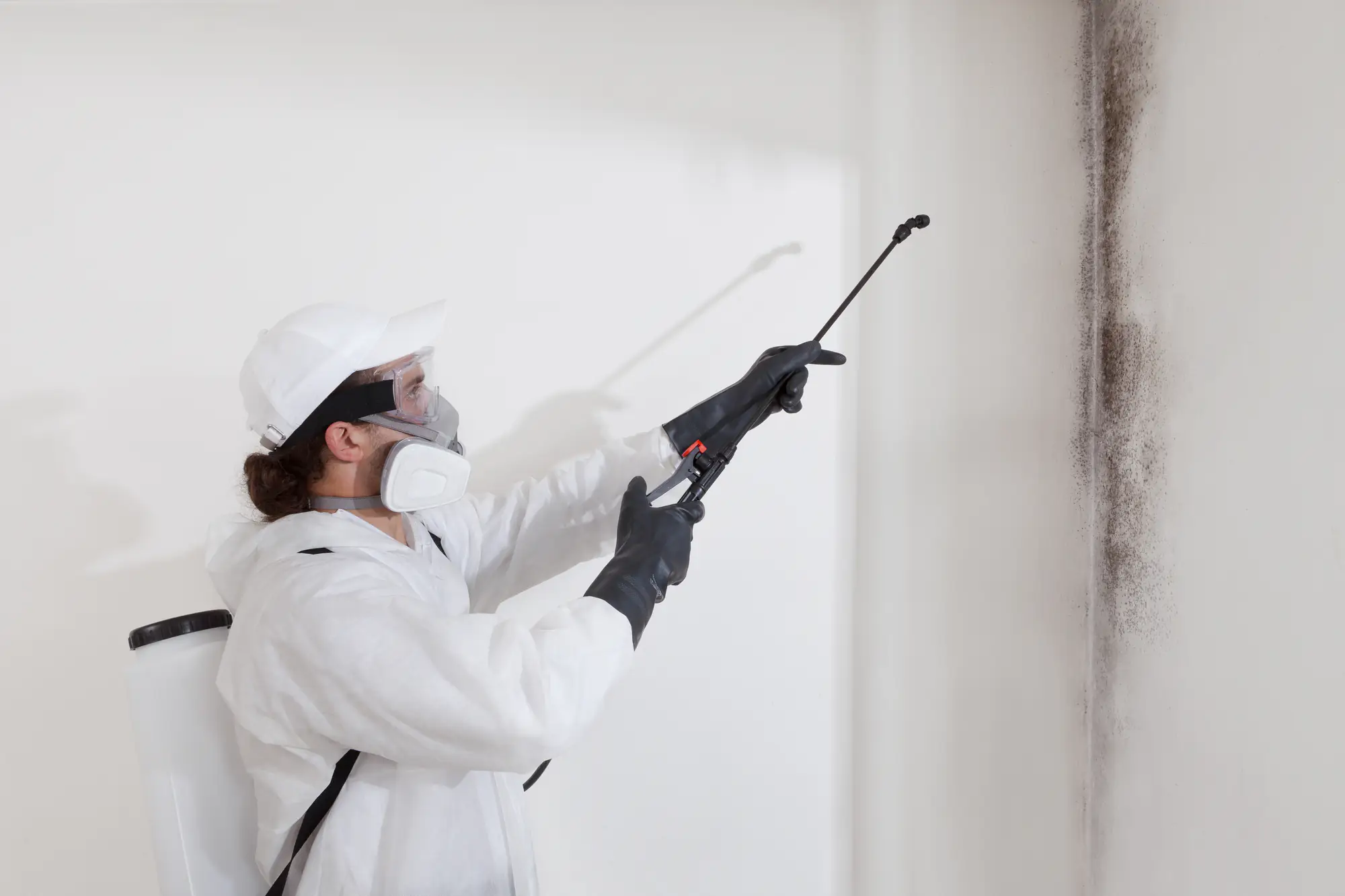
Then we contain. Physical barriers and negative air pressure systems seal off affected areas so spores don’t spread during removal. HEPA vacuums and air scrubbers capture microscopic particles. This step matters because disturbing mold without containment makes the problem worse.
Next comes removal. We dispose of contaminated materials that can’t be salvaged—drywall, insulation, anything porous that’s absorbed mold growth. Structural elements get deep cleaned with antimicrobial treatments. We don’t just wipe surfaces. We address what’s underneath.
Finally, we fix the source. Whether that’s repairing a leak, improving ventilation, or installing dehumidifiers, we handle what caused the mold in the first place. Otherwise you’re paying for temporary relief, not an actual solution.
Most projects take one to five days depending on the extent of growth and location. Severe cases can take longer. You’ll know the timeline upfront based on inspection results, not vague estimates.
Ready to get started?
You get comprehensive air quality testing that measures spore counts room by room. Lab analysis that identifies which mold species you’re dealing with—because black mold mitigation requires a different approach than common surface molds. Thermal imaging that reveals moisture sources you can’t see with your eyes.
Professional containment systems keep spores from spreading to clean areas. That means physical barriers, negative air machines, and HEPA filtration running throughout the process. We’re not tracking mold through your house while we work.
Contaminated material removal follows strict protocols. Porous materials like drywall and insulation get bagged and disposed of properly. Non-porous surfaces get treated with antimicrobial solutions. Your HVAC system gets inspected and cleaned if needed—because spores circulate through ductwork and cause respiratory symptoms even when the source isn’t visible.
Then comes moisture control. We identify and fix the root cause, whether that’s a plumbing leak, foundation crack, poor attic ventilation, or basement humidity. In Westtown, that often means addressing how older homes handle condensation when warm humid air hits cool surfaces.
You get documentation throughout. Initial test results, scope of work, progress photos, and post-remediation testing that confirms spore levels are back to normal. If you’re selling your home or filing an insurance claim, you’ll need that paper trail.
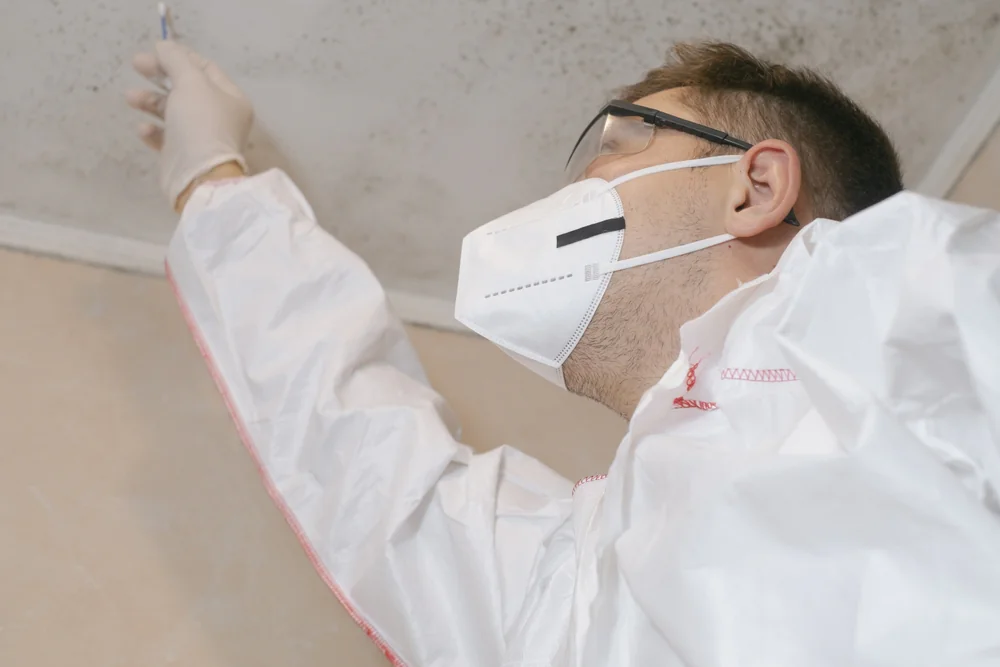
If you’re seeing mold come back after cleaning it, you need mitigation. Surface cleaning with bleach or store-bought sprays only addresses what’s visible. It doesn’t fix the moisture problem causing growth, and it doesn’t remove mold that’s already growing inside walls, under flooring, or in other hidden areas.
Professional mold mitigation starts with testing to determine what species are present and how widespread the problem is. If air sampling shows elevated spore counts in multiple rooms, or if thermal imaging reveals moisture damage you can’t see, surface cleaning won’t cut it. You’re looking at contaminated materials that need removal and a moisture source that needs repair.
The other indicator is health symptoms. If you feel worse at home—stuffy nose, persistent cough, burning eyes, breathing issues—but symptoms improve when you leave, that suggests mold is affecting your indoor air quality. That’s not something you can fix with a spray bottle. You need containment, proper removal, and air filtration to prevent spores from spreading during the process.
It depends entirely on what caused the mold. Insurance typically covers mold damage only if it results from a sudden, accidental water event that’s already covered under your policy—like a burst pipe or storm damage. If mold developed because of long-term neglect, poor maintenance, or a slow leak you didn’t address, insurance won’t cover it.
Most policies have sub-limits for mold coverage, usually between $2,500 and $10,000. That’s the maximum they’ll pay regardless of actual remediation costs. If your project runs $15,000, you’re covering the difference. Some policies exclude mold coverage entirely, so check your specific terms before assuming you’re covered.
When mold is covered, insurers often require professional mitigation to guarantee proper elimination. They want documentation—test results, scope of work, proof that the job was done right. We can help you file the claim and submit billing directly to your carrier. But don’t wait for insurance approval to start the process if you’re dealing with active growth. Mold spreads quickly, and delays make the problem worse and more expensive.
Most residential projects take one to five days once work begins. Small, contained areas like a bathroom or closet might be done in a day or two. Larger problems—basement flooding, attic mold, or multiple rooms—can take a week or more. Severe infestations that require extensive material removal and structural repairs can stretch into several weeks.
The timeline depends on how much mold is present, where it’s located, and what caused it. Testing and lab results add a few days upfront. You’re not starting removal until you know what you’re dealing with and have a clear plan. Then comes containment setup, material removal, cleaning, antimicrobial treatment, and fixing the moisture source.
Drying time matters too. If you had water damage, affected areas need to dry completely before reconstruction starts. That can add several days depending on humidity levels and airflow. Post-remediation testing happens after everything’s cleaned and dried to confirm spore counts are back to normal. You’ll get a timeline based on your specific situation after the initial inspection, not a generic estimate.
Mold removal focuses on getting rid of visible mold growth. Mitigation goes further—it addresses the conditions that allowed mold to grow in the first place and prevents it from returning. Removal is a step within mitigation, but mitigation is the complete process.
When you hire us for mold mitigation, you’re getting testing to identify which species are present and at what concentration. You’re getting moisture detection that finds hidden water damage. You’re getting containment systems that prevent spores from spreading during work. And you’re getting source repair—fixing the leak, improving ventilation, controlling humidity—so mold doesn’t come back.
Removal alone might make things look better temporarily. You scrub the visible spots, maybe repaint, and it seems fine. But if moisture is still getting in, mold will return within weeks. Mitigation solves the problem instead of masking it. That’s why professional mitigation includes documentation, lab testing, and post-work verification. You’re not just cleaning—you’re eliminating the conditions that support mold growth.
It depends on the extent of contamination and where the mold is located. For small, contained projects in a single room, you can usually stay in your home as long as the affected area is properly sealed off with containment barriers and negative air pressure. You won’t have access to that room during work, but the rest of your house remains safe.
For larger projects involving multiple rooms, significant black mold growth, or contamination near your HVAC system, you might need to relocate temporarily. Disturbing mold releases spores into the air, and even with containment, there’s risk of exposure during active removal. If anyone in your household has asthma, mold allergies, or respiratory issues, staying elsewhere during the process is usually the safer choice.
We’ll tell you upfront whether relocation is necessary based on test results and the scope of work. We’ll explain what containment measures are in place and what areas of your home will be accessible during the project. If you do need to leave, it’s typically just for the active removal phase—usually a few days—not the entire project timeline.
Standard residential projects typically range from $1,500 to $6,000 depending on the size of the affected area and extent of contamination. Small jobs like a bathroom or closet might fall on the lower end. Larger problems involving basements, attics, or multiple rooms can run $6,000 to $15,000. Extensive infestations requiring significant structural repairs can reach $15,000 to $30,000 or more.
Cost depends on several factors: how much mold is present, what materials need removal, whether you need HVAC cleaning, and what repairs are required to fix the moisture source. Testing adds a few hundred dollars upfront but saves money in the long run by preventing unnecessary work. You’re paying for what actually needs to happen based on lab results, not guesswork.
The financial impact goes beyond cleanup costs. Homes with documented mold problems lose value if not properly remediated. Sellers who invest in professional mitigation often recover significantly more in resale value compared to those who lower the price and leave the problem for buyers. You’re also avoiding ongoing health costs from continued exposure. We provide detailed estimates after the initial inspection so you know exactly what you’re paying for and why.
Other Services we provide in Westtown