
Hear from Our Customers
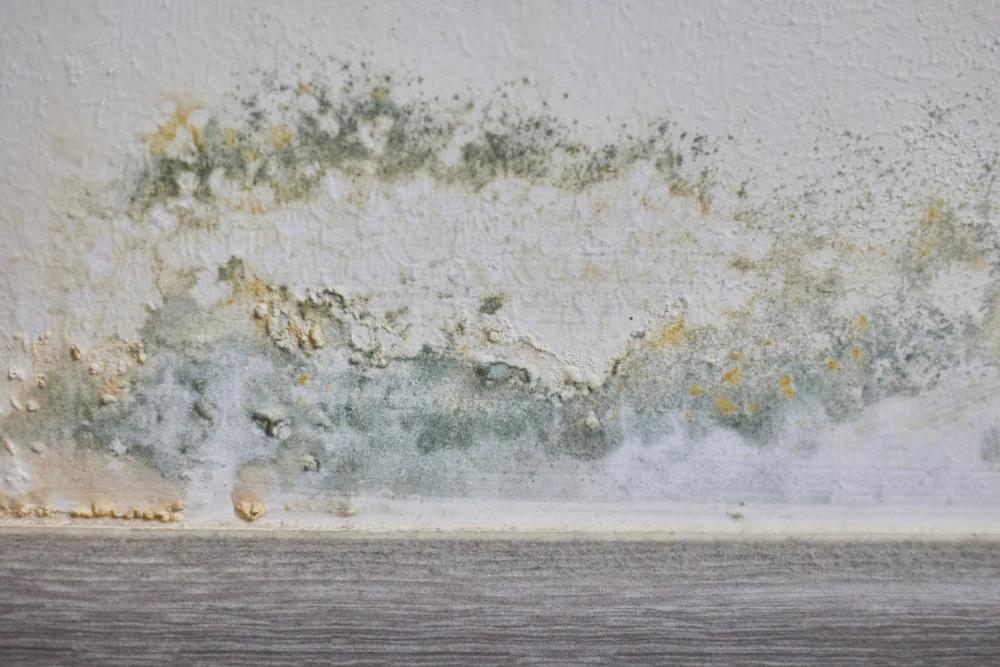
You stop worrying every time you smell that musty odor in your basement. Your kids aren’t dealing with constant congestion that gets worse when they’re home. You’re not repainting the same wall every six months because spots keep bleeding through.
Real mold mitigation addresses why mold is growing in the first place. That means identifying moisture sources you didn’t know existed, fixing ventilation problems in crawl spaces, and dealing with humidity levels that Pennsylvania’s climate makes worse. Surface cleaning won’t cut it when you’ve got condensation building up behind walls or a foundation that wasn’t built with today’s moisture control standards.
Most homes in Uwchlan and Chester County have basements or older foundations where humidity sits between 60-70% during peak seasons. Add temperature fluctuations, and you’ve got condensation in spaces you can’t see. That’s where mold thrives, and that’s exactly what needs to be addressed if you want the problem gone for good.
We’ve been handling mold problems across Chester County, Bucks County, and Montgomery County for years. We understand what older homes in this area are dealing with because we’ve seen it hundreds of times.
Pennsylvania’s humidity doesn’t help. Neither does proximity to the Delaware River or the way homes built decades ago handle moisture. We’re not guessing at what’s causing your mold problem—we’re using moisture meters and thermal imaging to find exactly where water is getting in and why it’s staying there.
You get a free inspection, upfront pricing, and help with insurance documentation if you need it. We’re available 24/7 because mold doesn’t wait for business hours, and neither should you.
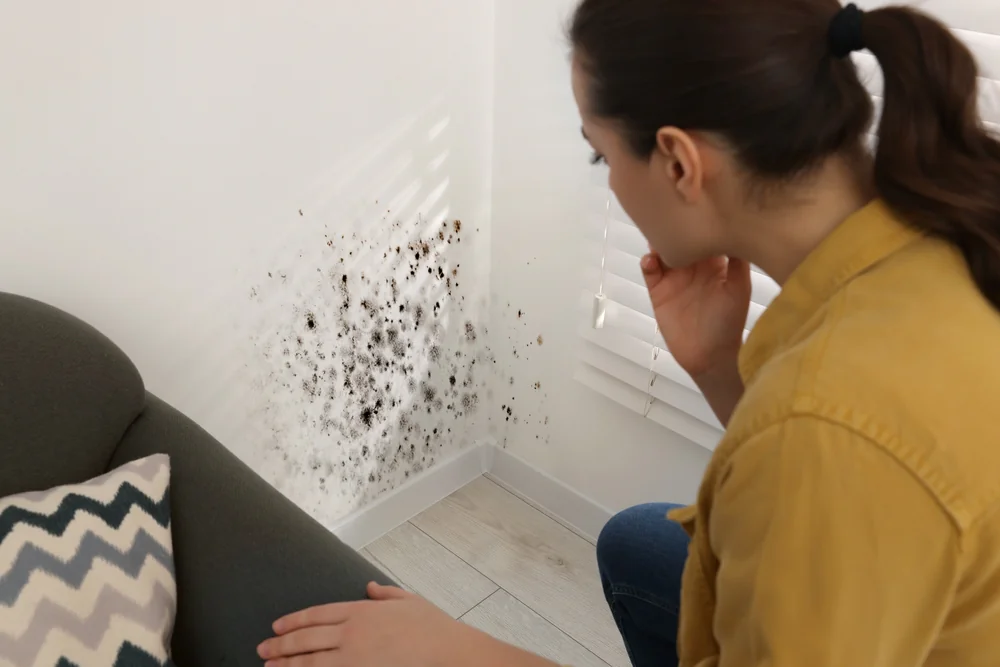
We start with a thorough inspection using moisture meters and infrared cameras. That means checking behind walls, under floors, in crawl spaces—anywhere moisture could be hiding. You can’t fix mold if you don’t know why it’s growing.
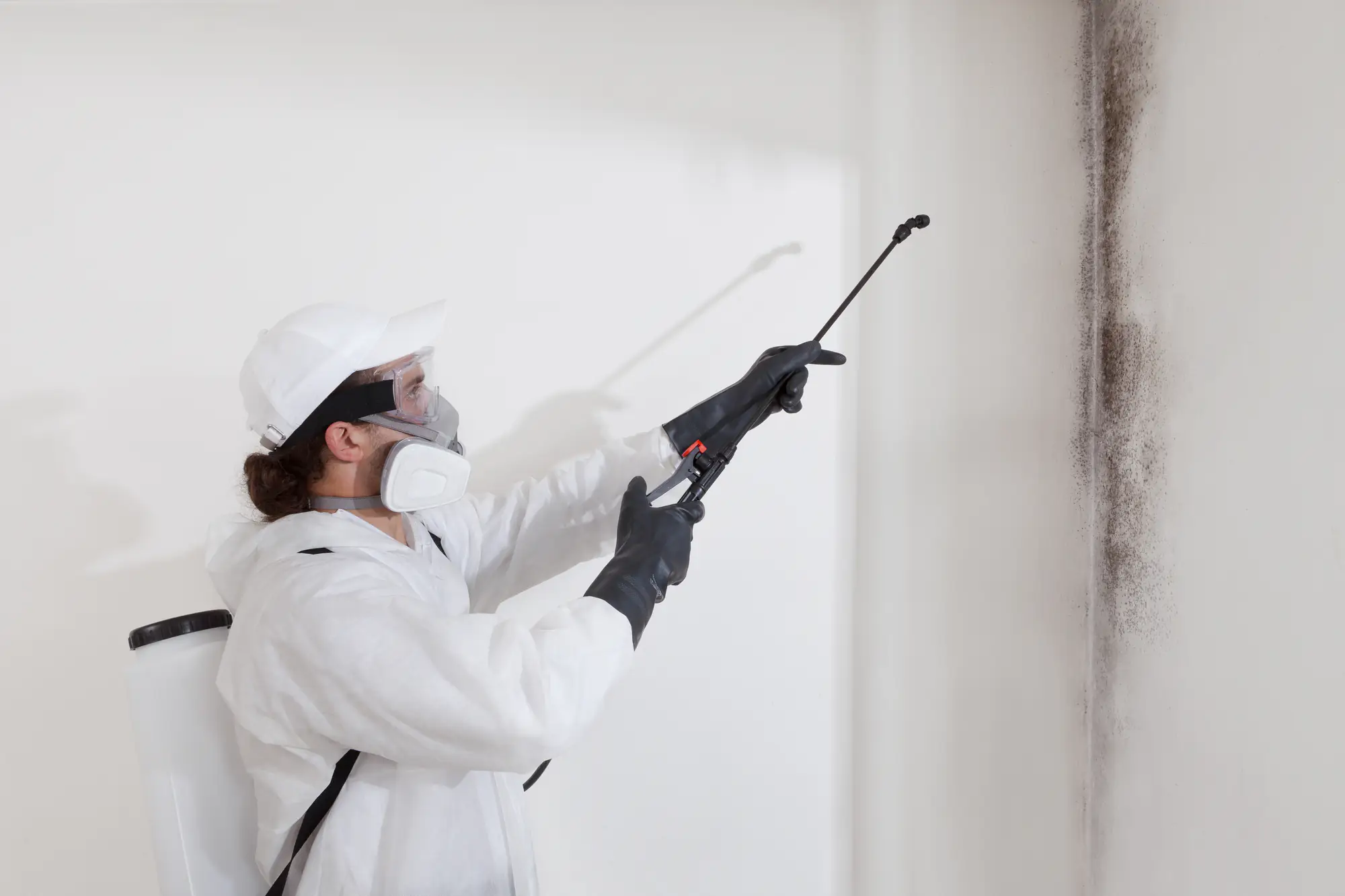
Once we identify the moisture source, we contain the affected area with physical barriers and negative air pressure systems. That stops spores from spreading to clean areas of your home while we work. Then we remove contaminated materials, treat surfaces, and bring in HEPA air scrubbers to capture microscopic spores you can’t see.
The difference between mitigation and just cleaning mold off a wall is what happens next. We help you fix the underlying problem—whether that’s a leaky pipe, poor ventilation, or humidity that’s too high. Then we verify the work with post-cleanup testing so you know the air quality is back to normal. If reconstruction is needed after removal, we handle that too.
Ready to get started?
You get a complete process, not a quick fix. That starts with free professional inspection and testing to understand what you’re dealing with. We document everything for insurance purposes because most mitigation projects in this area run between $1,200 and $3,400, and you shouldn’t be paying out of pocket if your policy covers it.
Containment comes next—sealing off the work area so spores don’t travel through your HVAC system or into other rooms. We use HEPA vacuums and air scrubbers throughout the process because mold spores are microscopic, and regular cleaning equipment won’t capture them. All contaminated materials get removed safely, and affected surfaces are treated with antimicrobial solutions.
Here’s what matters most for homes in Uwchlan and Chester County: we address the moisture problem. Pennsylvania’s climate means humidity is always a factor, especially in older homes where basements weren’t designed with vapor barriers or proper drainage. If we don’t fix why moisture is accumulating, you’ll be dealing with mold again in a few months. We identify those issues during inspection and help you understand what needs to change so this doesn’t become a recurring expense.
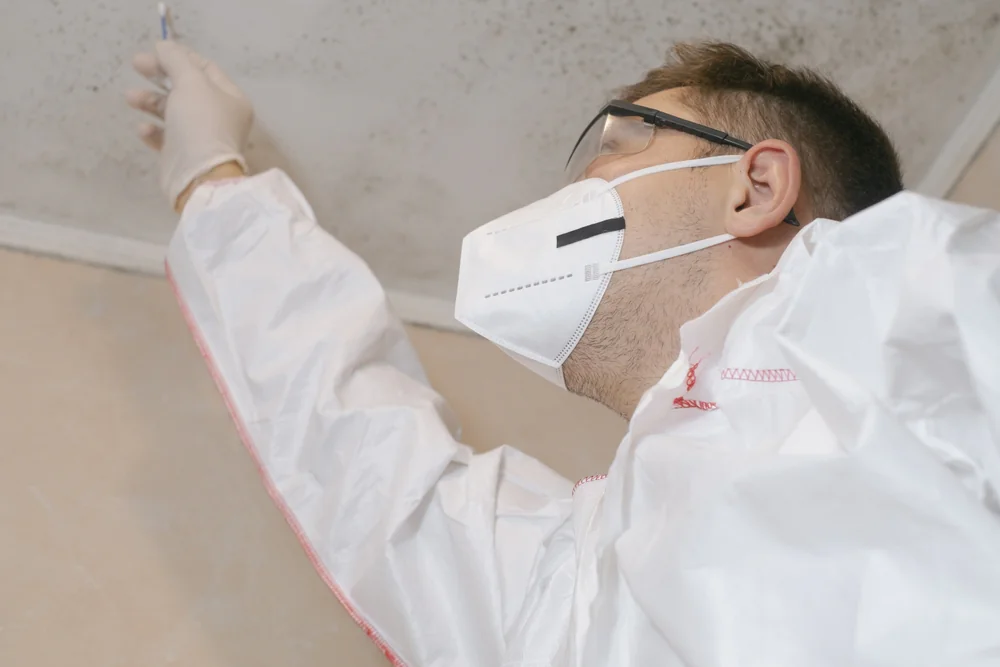
Mitigation focuses on stopping mold from spreading and preventing future growth by controlling moisture. Remediation is the complete removal process that addresses contamination and underlying causes. Most people use the terms interchangeably, but technically mitigation is the proactive step—managing moisture levels, improving ventilation, and limiting spread before it becomes a bigger problem.
In practice, you need both. Mitigation without removal leaves contamination in place. Removal without mitigation means the mold comes back because the moisture source is still there. That’s why our process includes identifying why mold is growing, removing what’s already there, and fixing the conditions that allowed it to thrive in the first place.
For homes in Uwchlan, PA, this usually means dealing with basement humidity, crawl space ventilation, or condensation issues that are common in older Chester County properties. You can’t just wipe mold off a wall and call it done when the real problem is 65% humidity sitting in your foundation all summer.
Most residential mold mitigation projects take between two to five days, depending on the extent of contamination and how much material needs to be removed. A small bathroom with surface mold might be done in a day or two. A finished basement with mold behind drywall and insulation could take a week once you factor in removal, treatment, drying time, and reconstruction.
The inspection happens first and usually takes a few hours. We’re checking moisture levels, using thermal imaging to find hidden problems, and testing to confirm what type of mold you’re dealing with. Once we know the scope, we give you a timeline before any work starts.
What slows things down is usually the moisture source. If you’ve got an active leak or drainage problem, that needs to be fixed before we can fully dry out the space and prevent regrowth. We can handle some repairs ourselves, but if you need a plumber or roofer, that adds time. The goal isn’t to rush through it—it’s to make sure the problem is actually solved so you’re not calling us back in three months.
It depends on what caused the mold. Most homeowners insurance policies cover mold mitigation if it resulted from a covered peril—like a burst pipe, storm damage, or appliance malfunction. If mold developed because of long-term neglect or lack of maintenance, insurance usually won’t pay for it.
The key is documentation. Insurance companies want to see that the mold resulted from a sudden, unexpected event, not something that’s been building for months. That’s why we document everything during inspection—moisture readings, photos, the timeline of damage. We work with insurance companies regularly and can help you navigate the claims process to reduce your out-of-pocket costs.
For Chester County homeowners, this matters because many older homes have chronic moisture issues that aren’t covered. If your basement has been damp for years and now there’s mold, that’s likely on you. But if a pipe burst last week and now there’s mold growing, that’s usually covered. We’ll be straight with you about what insurance is likely to pay for during the inspection so there are no surprises later.
Usually, yes—but it depends on how extensive the contamination is and where it’s located. If mold is contained to one area like a basement or bathroom, we seal off that space with physical barriers and negative air pressure systems so spores don’t spread. You can stay in other parts of the house without exposure risk.
If contamination is widespread or affects your HVAC system, we might recommend staying elsewhere for a few days. Black mold mitigation especially requires careful containment because some species produce mycotoxins that can cause respiratory issues, skin irritation, and other health problems. Kids, elderly family members, and anyone with asthma or compromised immune systems should definitely stay away from active work areas.
We’re upfront about this during inspection. If you need to leave, we’ll tell you why and for how long. Most projects in Uwchlan don’t require full evacuation—we’re usually dealing with basement moisture or crawl space issues that can be isolated from living areas. But safety comes first, and we won’t tell you it’s fine to stay if it’s not.
Musty odors are the biggest giveaway, especially if they’re stronger in certain rooms or get worse when humidity spikes. You might also notice condensation on windows, water stains on ceilings or walls, or discoloration around baseboards. If your allergies or respiratory symptoms get worse at home but improve when you leave, that’s another red flag.
Hidden mold usually grows in places you don’t see regularly—behind drywall, under flooring, in wall cavities, or in crawl spaces. That’s why we use thermal imaging and moisture meters during inspections. These tools detect temperature differences and moisture levels that indicate problems you’d never spot with a visual check alone. Pennsylvania’s humidity makes this especially common in older homes where insulation and vapor barriers weren’t standard.
The other indicator is recurring surface mold. If you keep cleaning the same spot and it comes back within weeks, there’s a moisture source feeding it from behind. That could be a slow leak, poor ventilation, or condensation from temperature differences. A free inspection will tell you exactly what’s going on and whether you’re dealing with a surface issue or something deeper that needs professional mold mitigation services.
Pennsylvania’s humidity is the main culprit. Relative humidity sits between 60-70% during peak seasons, and mold starts growing when levels hit 60% or higher. Add temperature fluctuations that cause condensation, and you’ve got ideal conditions in basements, crawl spaces, and anywhere air doesn’t circulate well.
Older homes in Chester County face additional challenges. Many were built before modern moisture control standards, so foundations lack proper vapor barriers, drainage systems, or waterproofing. Basements stay damp, crawl spaces trap moisture, and ventilation can’t keep up. When you run your AC in summer, it creates temperature differences that lead to condensation in wall cavities—perfect for mold growth you can’t see until it’s a bigger problem.
Proximity to the Delaware River doesn’t help either. Homes closer to water sources deal with higher ambient moisture, especially during humid months. If your home has any of these factors—older construction, basement moisture, poor ventilation, or past water damage—you’re at higher risk. The good news is that professional mold mitigation addresses all of these issues by identifying moisture sources, improving airflow, and treating contamination so it doesn’t keep coming back.
Other Services we provide in Uwchlan