
Hear from Our Customers
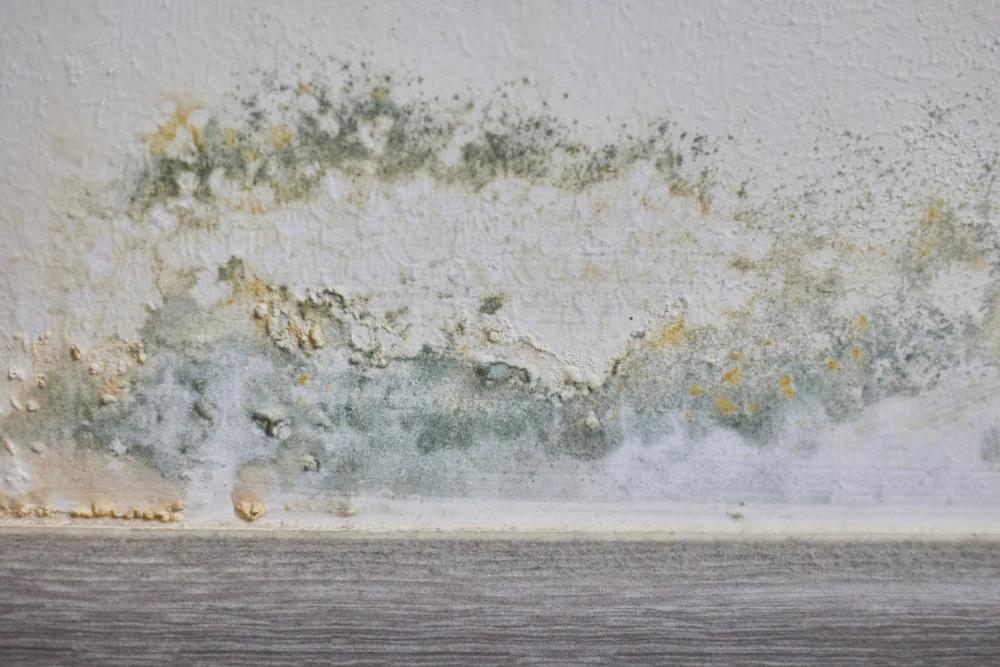
Here’s what happens when mold gets handled the right way. You stop worrying about what’s growing behind your walls. Your kids stop coughing at night. That musty smell in the basement finally goes away.
Your home value stays protected. In Upper Uwchlan, where homes run from $378,000 to over a million, mold damage can slash your property value by tens of thousands of dollars. Professional mold mitigation services stop that from happening.
You get real answers about why mold keeps showing up. Maybe it’s condensation in your attic during humid Pennsylvania summers. Maybe it’s a slow leak you didn’t know existed. Maybe your HVAC system is creating moisture problems. We find it, fix it, and make sure you understand what was happening.
The air in your home gets cleaner. You’re not breathing in spores every time you walk through certain rooms. You can have guests over without that embarrassing odor. You sleep better knowing your family isn’t exposed to something that could trigger asthma or allergic reactions.
We handle black mold mitigation and complete mold remediation throughout Chester County. We’ve worked in enough Upper Uwchlan homes to know exactly what causes problems here.
The humid summers hit hard. Homes built over the past few decades often have HVAC ducts running through attics, and those ducts become condensation magnets when temperatures spike. That moisture seeps into insulation and framing. Mold starts growing within 48 hours.
We’re not the cheapest option, and that matters. You’re paying for infrared cameras that find hidden moisture, HEPA filtration systems that capture microscopic spores, and antimicrobial treatments that actually work. You’re paying for someone who follows EPA and IICRC guidelines instead of just scrubbing visible mold and calling it done.
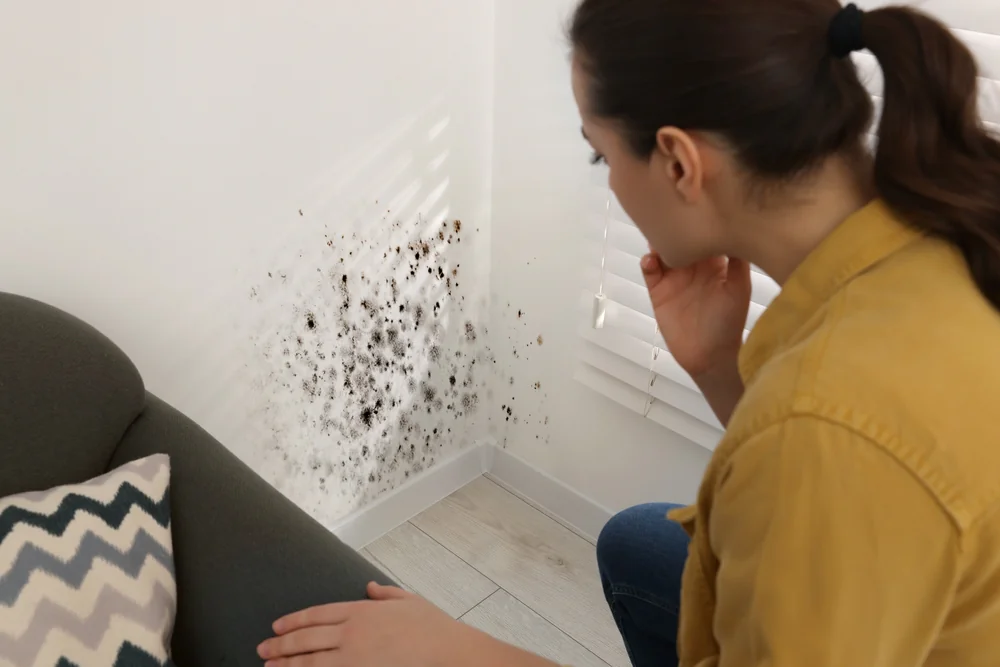
First, we inspect your property with moisture meters and thermal imaging. You need to know where the mold is growing and why. We check attics, basements, crawl spaces, behind walls, under floors. We find the moisture source causing the problem.
Then we contain the affected area. Physical barriers and negative air pressure systems keep mold spores from spreading to clean parts of your home during removal. This step matters more than most people realize—disturbing mold releases thousands of spores into the air.
We remove contaminated materials that can’t be saved. Drywall, insulation, carpeting—if mold has penetrated deep, it needs to go. We clean and treat structural elements that can be salvaged with antimicrobial solutions.
Next comes air filtration. HEPA vacuums and air scrubbers capture spores you can’t see. We’re cleaning the air, not just surfaces.
Finally, we fix the moisture problem. Maybe that means repairing a leak, improving ventilation, or installing a dehumidifier. Without this step, you’re just waiting for mold to come back.
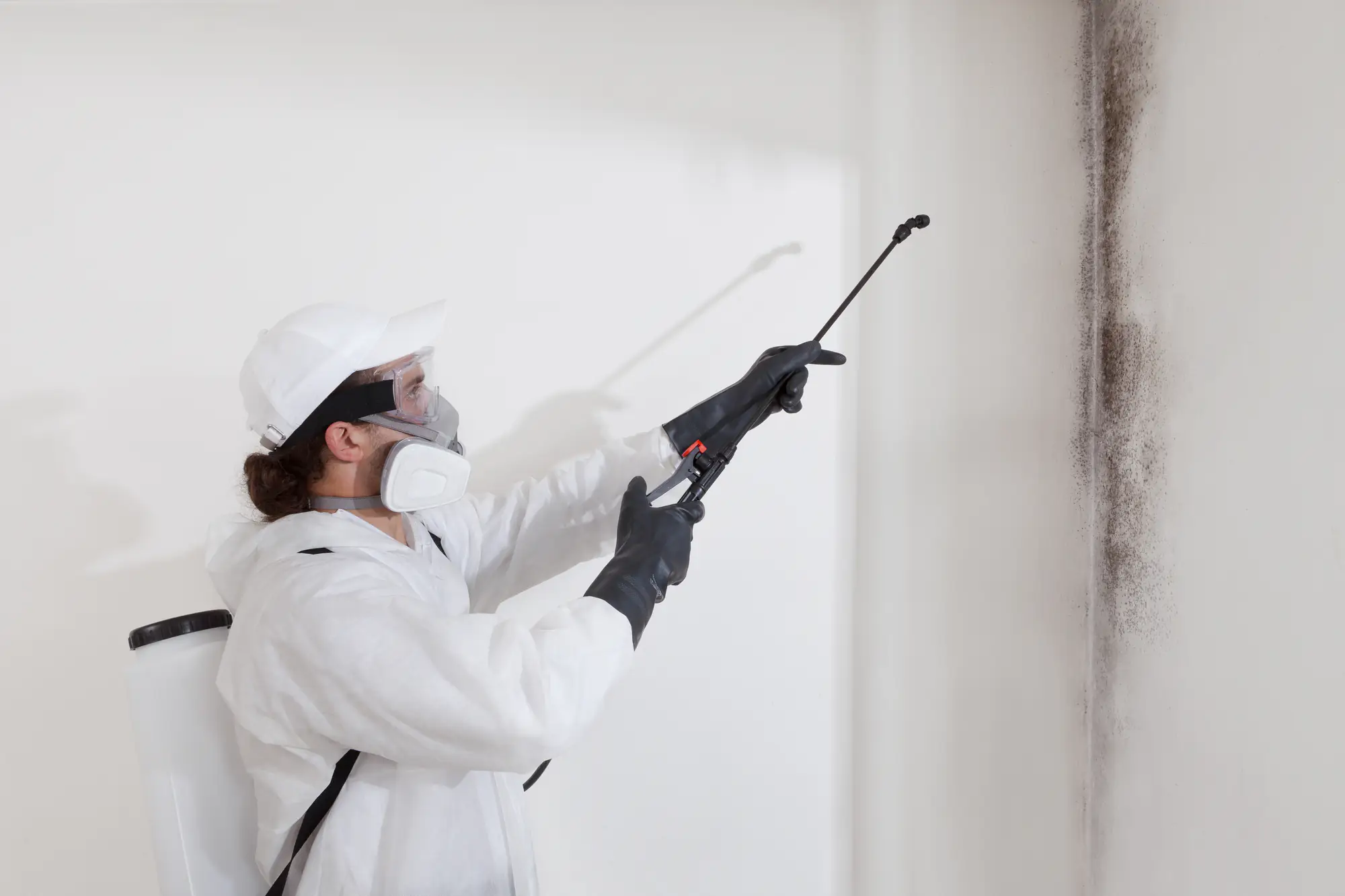
Ready to get started?
You get a full inspection with advanced detection technology. We’re looking for mold in places you’d never think to check—inside HVAC ducts, on top of ceiling tiles, in wall cavities, behind wallpaper.
You get professional containment so the problem doesn’t spread. You get removal of all contaminated materials and deep cleaning of everything that can be saved. You get antimicrobial treatments applied to affected areas.
You get the moisture problem fixed. In Upper Uwchlan’s climate, that’s critical. Pennsylvania ranks in the top 60% of states for mold susceptibility. The humid air, frequent rain, and temperature swings create perfect conditions for growth. Your home needs proper ventilation, functioning dehumidification, and no hidden leaks.
You get documentation for insurance claims if needed. You get prevention strategies so this doesn’t happen again. You get a home that’s actually safe, not just surface-clean.
The difference between DIY mold removal and professional mold mitigation services comes down to this: one addresses what you can see, the other addresses why it’s growing in the first place.
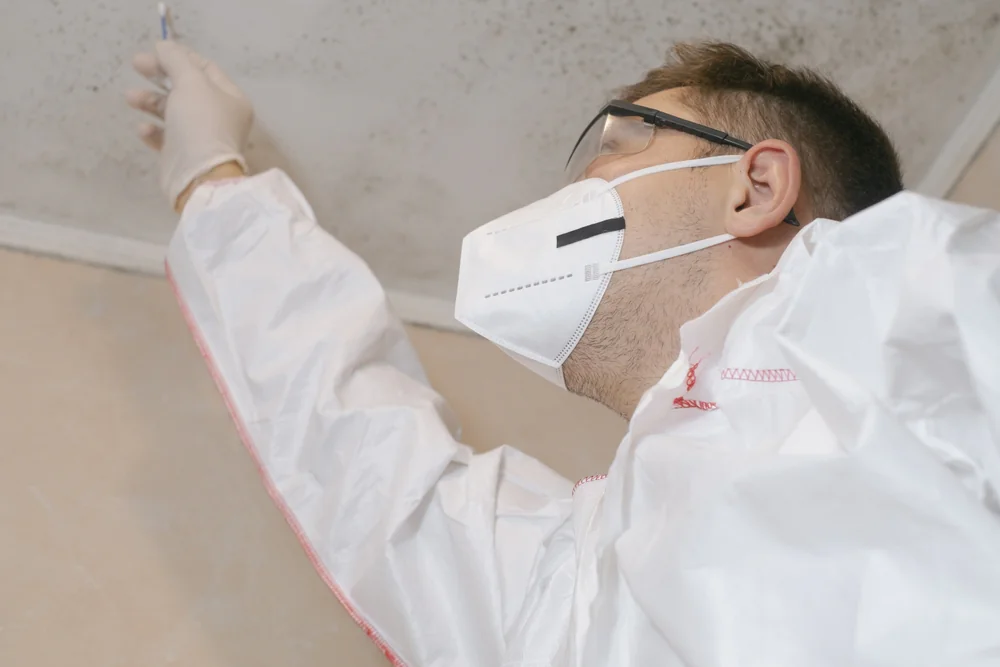
If you can see mold, you probably need professional help. Here’s why: visible mold is usually just the beginning. What you see on a wall or ceiling is the surface growth. The real problem is often behind that wall, inside that ceiling, or under that floor.
Surface cleaning with bleach only works on nonporous materials like tile or glass. It does nothing for drywall, wood, insulation, or carpeting where mold roots penetrate deep. Scrubbing visible mold without addressing the moisture source means you’re looking at regrowth within weeks.
You definitely need professional mold mitigation services if you’re dealing with black mold, if the affected area is larger than 10 square feet, if mold keeps coming back after you clean it, if you smell musty odors but can’t find the source, or if anyone in your home is experiencing respiratory symptoms. Professional removal means finding why moisture is accumulating, eliminating the source, removing contamination completely, and preventing future growth.
The humid Pennsylvania climate is the biggest factor. Summer humidity levels regularly exceed 50%, and mold thrives above that threshold. When warm, humid air hits cool surfaces in your attic or basement, condensation forms. That moisture seeps into materials, and mold starts growing within 24 to 48 hours.
Many Upper Uwchlan homes have HVAC ducts running through attics. Those ducts become condensation magnets on humid days. The attic space gets hot and damp, conditions dry slowly, and mold takes hold in insulation and framing. Basements present similar issues—concrete walls and floors stay cool, humid air condenses on those surfaces, and moisture accumulates.
Newer construction doesn’t guarantee protection. Even well-built homes can develop problems if ventilation isn’t adequate or if minor leaks go unnoticed. A slow drip from a pipe, a small roof leak, or poor grading that directs water toward your foundation—these issues create ongoing moisture that leads to mold growth. The key is catching moisture problems early and addressing them before mold becomes established.
Most residential mold mitigation jobs take three to five days, but that timeline depends on the extent of contamination and the moisture source. A small bathroom mold problem might get resolved in two days. Extensive basement mold or attic contamination could take a week or more.
The inspection and assessment happen first—usually within hours of your call. We need to understand what we’re dealing with before we can give you an accurate timeline. Containment and removal typically take one to three days depending on how much material needs to come out. Air filtration and antimicrobial treatment add another day or two.
Fixing the underlying moisture problem varies the most. If we’re just sealing a small leak, that’s quick. If your home needs improved ventilation, a dehumidification system, or drainage corrections, that extends the timeline. We’ll give you a clear schedule during the inspection so you know what to expect. The goal isn’t speed—it’s doing the job right so you don’t end up dealing with mold again six months from now.
It depends on what caused the mold. Most homeowner’s insurance policies cover mold damage if it resulted from a “covered peril”—something sudden and accidental like a burst pipe, storm damage, or appliance malfunction. If your washing machine hose breaks and floods your basement, and mold grows as a result, insurance typically covers mitigation.
Insurance usually doesn’t cover mold that developed from ongoing maintenance issues. A slow leak you ignored for months, condensation problems from poor ventilation, or flooding from lack of proper grading—those are considered maintenance issues, and you’re likely paying out of pocket.
The key is documentation. We provide detailed reports showing what caused the mold, the extent of damage, and what mitigation steps are necessary. That documentation helps with insurance claims. We recommend calling your insurance company as soon as you discover mold to understand your coverage. Some policies have specific mold coverage limits—often $10,000 or less—regardless of the cause. Knowing your coverage upfront helps you make informed decisions about the mitigation process.
Mold removal sounds like you’re getting rid of every single spore, but that’s not realistic. Mold spores exist everywhere—outdoors, indoors, in every home. Complete removal is impossible. What matters is reducing mold to normal, safe levels and eliminating the conditions that allow it to grow.
Mold mitigation is the accurate term for what needs to happen. You’re mitigating the problem—reducing contamination to safe levels, removing materials that can’t be cleaned, treating surfaces with antimicrobial solutions, and most importantly, fixing the moisture issue that caused growth in the first place.
Professional mold mitigation services address root causes, not just symptoms. We’re not just cleaning what you can see. We’re finding hidden mold with thermal imaging and moisture meters. We’re removing contaminated materials. We’re treating structural elements. We’re filtering the air. We’re fixing leaks, improving ventilation, or installing dehumidification systems. The goal is creating an environment where mold can’t thrive, which protects your home and family long-term.
Control moisture and you control mold. Keep indoor humidity below 50% year-round. Use dehumidifiers in basements and other damp areas, especially during Pennsylvania’s humid summers. Run exhaust fans in bathrooms and kitchens when you’re showering or cooking. Make sure your HVAC system is working properly and not creating condensation problems.
Fix leaks immediately. A small drip might not seem urgent, but it creates perfect conditions for mold growth. Check under sinks, around toilets, near water heaters, and in attics after heavy rain. Look for water stains, soft drywall, or musty odors—those are early warning signs.
Improve ventilation in problem areas. Attics need proper airflow to prevent heat and moisture buildup. Crawl spaces need vapor barriers and ventilation. Basements benefit from dehumidification and air circulation. If you’re storing items in damp areas, use plastic bins instead of cardboard boxes, which absorb moisture and grow mold.
We provide specific prevention recommendations based on what caused your mold problem. Every home is different. Your prevention strategy depends on your home’s age, construction, ventilation system, and the specific moisture issues we found during mitigation. Following those recommendations keeps your home protected.
Other Services we provide in Upper Uwchlan