
Hear from Our Customers
You’re not just removing what you can see. You’re stopping spores from traveling to your bedrooms while we work. You’re getting documentation your insurance company actually needs. You’re fixing the moisture problem that caused it in the first place.
That’s what mold mitigation looks like when it’s done right. Not a quick cleanup that leaves the root cause untouched. Not a crew that shows up without containment barriers or air filtration.
In Upper Merion, where your home is worth over $400,000, you need more than surface-level fixes. You need someone who understands how Montgomery County’s humid summers and older foundations create the exact conditions mold thrives in. Someone who knows where to look in your basement, attic, or crawl space before the problem spreads.
We’ve been protecting homes around King of Prussia and the Main Line for years. We know what works here because we’ve seen what doesn’t.
We’ve worked in enough basements and crawl spaces around Upper Merion to know exactly where mold hides. We’re IICRC certified and follow EPA-approved methods because cutting corners on containment or air filtration isn’t an option when your family’s breathing that air.
We’re not a national franchise reading from a script. We’re local to Montgomery County, and we understand the construction challenges older homes face here. Foundations built decades ago weren’t designed with modern moisture barriers. HVAC systems running overtime in summer push humidity levels past 60%. That’s the reality we’re working with.
You’ll get a 5-year written warranty on our work. You’ll get detailed photos and documentation for your insurance claim. And you’ll get straight answers about what’s happening in your home and what it takes to fix it permanently.
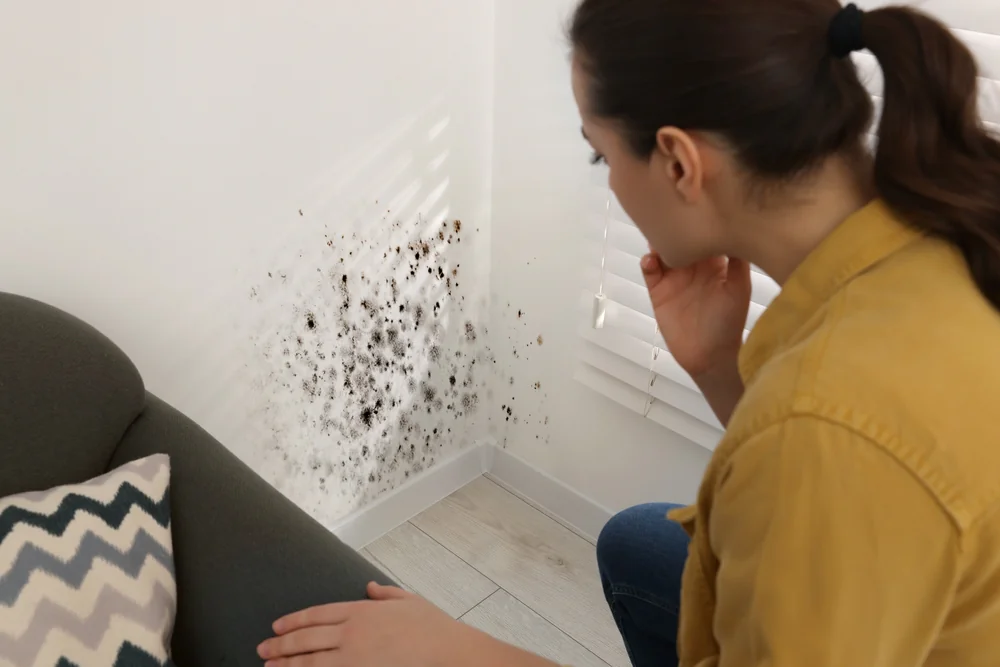
First, we inspect your entire property with moisture meters and infrared cameras. We’re checking areas you haven’t thought about because mold doesn’t stay where it starts. We need to know how far it’s spread and what’s feeding it.
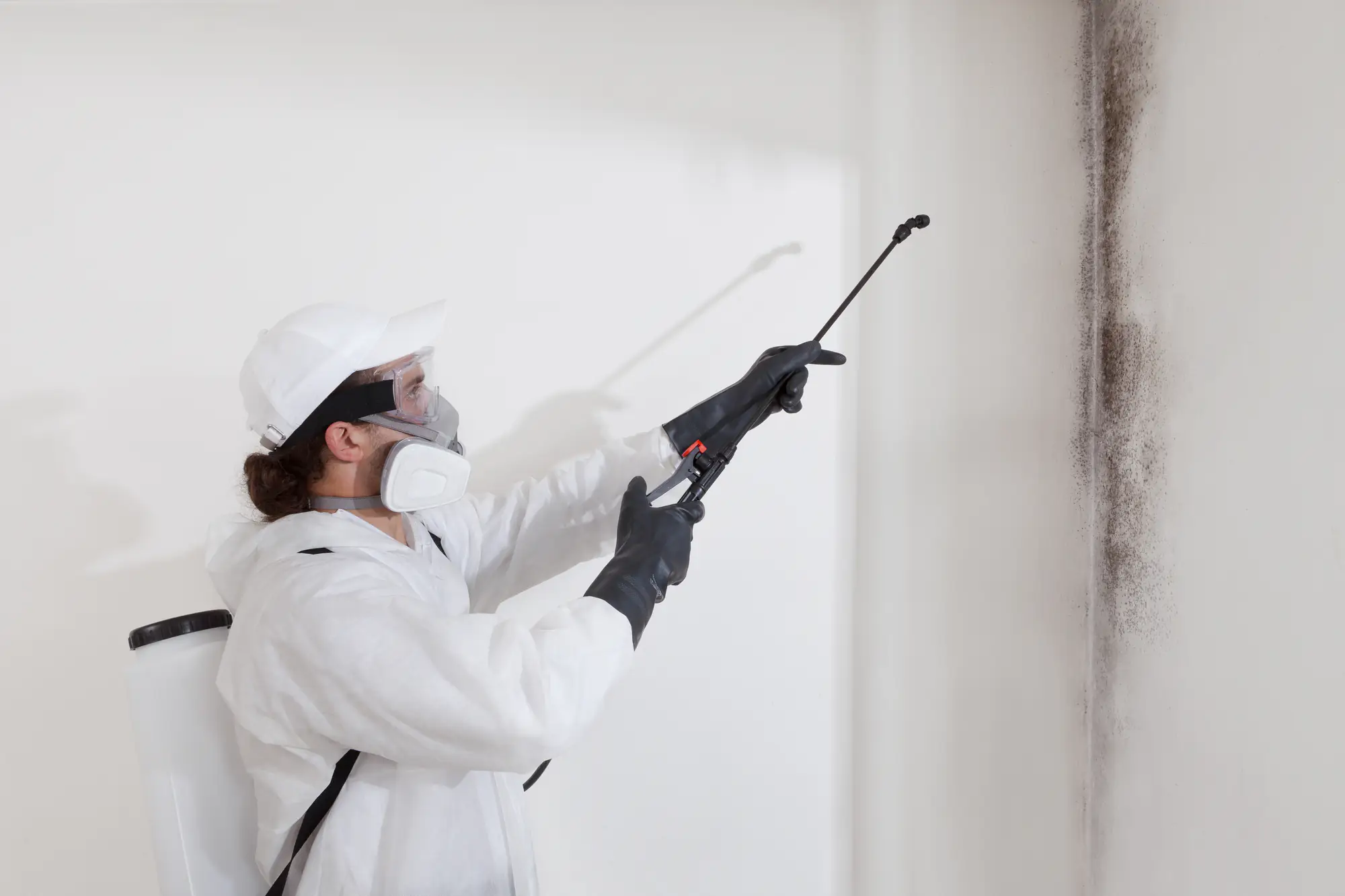
Next comes containment. Before we touch anything, we seal off the affected area with physical barriers and set up negative air pressure. This keeps spores from traveling to clean areas of your home while we work. HEPA air scrubbers run the entire time.
Then we remove contaminated materials safely. Drywall, insulation, whatever’s been compromised. We use HEPA vacuums on surfaces that can be saved. Everything gets bagged and disposed of according to Pennsylvania regulations.
After removal, we treat surfaces with antimicrobial solutions and verify the space is clean. But here’s the critical part: we identify and document the moisture source. Whether it’s a foundation crack, poor ventilation, or a plumbing issue, we tell you exactly what needs to change so this doesn’t happen again.
Finally, you get a full report with photos, moisture readings, and our recommendations. If you’re filing an insurance claim, you’ll have everything your adjuster needs.
Ready to get started?
You’re getting a complete property inspection with advanced detection technology. Not just a visual check. We’re using moisture meters and infrared cameras to find hidden growth behind walls, under floors, and in ceiling cavities.
You’re getting full containment with negative air pressure and HEPA filtration during the entire removal process. This matters more than most homeowners realize. Without proper containment, you’re spreading spores throughout your house while trying to fix the problem.
You’re getting safe removal and disposal that follows EPA guidelines and Pennsylvania regulations. You’re getting antimicrobial treatment on salvageable surfaces. And you’re getting detailed documentation with photos and moisture readings for your insurance claim.
Here’s what sets this apart in Montgomery County: we’re giving you moisture control recommendations specific to your home’s age and construction. Older homes in Upper Merion have different challenges than new construction. Your foundation, your ventilation, your HVAC setup—it all factors into whether mold comes back or stays gone.
Most homeowners don’t realize their insurance policy has time limits for filing mold claims. We handle that documentation from day one so you’re not scrambling later. And our 5-year warranty means if something goes wrong with our work, we’re coming back to fix it.
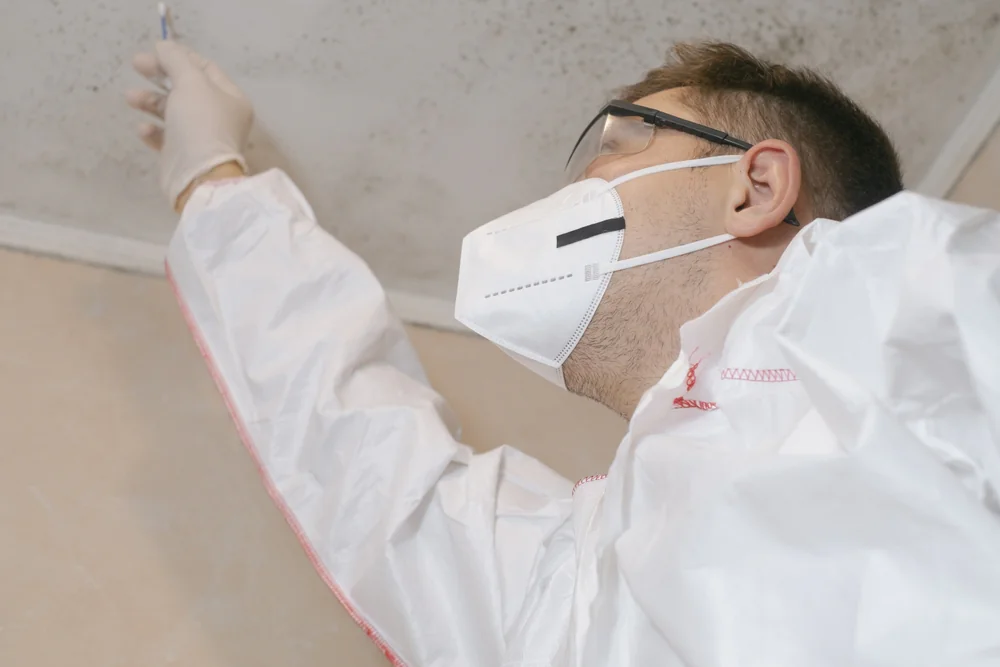
Most residential mold mitigation projects in Montgomery County run between $1,100 and $3,300, with the average around $2,200. But that’s a wide range because every situation is different.
A small bathroom mold problem caught early costs less than a full basement or attic that’s been growing unchecked for months. The size of the affected area, the materials involved, and how accessible the space is all impact the final cost.
Here’s what matters for your specific situation: we give you a detailed estimate after the inspection. You’ll know exactly what we found, what needs to be removed, and what the moisture source is before any work starts. No surprises halfway through the job. If you’re filing an insurance claim, we document everything your adjuster needs to see. Many policies cover mold mitigation if it resulted from a covered event like a sudden pipe leak or storm damage.
It depends on what caused the mold. If it resulted from a sudden, covered event—like a burst pipe, storm damage, or an appliance leak—most homeowners insurance policies in Pennsylvania will cover mold mitigation. If it’s from long-term neglect or a maintenance issue you should have caught, probably not.
Here’s the catch: most policies have time limits for filing mold claims. If you wait too long after discovering the problem, your insurer might deny coverage even if the original cause was covered.
That’s why we document everything from day one. Photos, moisture readings, detailed notes about what we found and where. We work directly with insurance companies and know what adjusters need to see. We’ve helped plenty of Upper Merion homeowners navigate claims successfully. The key is acting fast and having proper documentation. If you’re not sure whether your situation is covered, call your insurance company before you call us. Then we can coordinate directly with them if your claim is approved.
A typical residential mold mitigation job takes two to five days from start to finish. Small, contained areas like a bathroom or closet might be done in a day or two. Larger projects involving multiple rooms, a full basement, or extensive attic contamination can take a week or more.
The timeline depends on the size of the affected area, how much material needs to be removed, and how long it takes to dry everything out properly. We can’t rush the drying process—if moisture levels aren’t back to normal, you’re just inviting mold to return.
Here’s what happens during that time: Day one is usually inspection and containment setup. Then we remove contaminated materials and treat salvageable surfaces. After that, we run dehumidifiers and air movers until moisture levels are where they need to be. Finally, we do a post-remediation verification to confirm the space is clean. You’ll have containment barriers up during the work, so you can still live in your home. We just seal off the affected area so spores don’t spread while we’re working.
Mold removal sounds like you’re getting rid of every single spore, but that’s not realistic. Mold spores exist everywhere—in the air, on surfaces, outdoors and indoors. You can’t eliminate them completely, and anyone who promises that isn’t being straight with you.
Mold mitigation is the honest term. It means we’re bringing mold levels back to normal, safe levels and eliminating the conditions that allowed it to grow out of control in the first place. We remove contaminated materials, treat affected surfaces, and fix the moisture problem so it doesn’t come back.
That last part is critical. You can scrub mold off a wall, but if the humidity is still too high or there’s still a leak behind that wall, it’s coming back in weeks. Real mold mitigation addresses the root cause. We’re not just cleaning what you can see—we’re using moisture meters to find hidden dampness, checking your ventilation, and telling you exactly what needs to change. That’s the difference between a temporary fix and actually solving the problem.
In most cases, yes. We set up full containment barriers with negative air pressure to keep spores from spreading to other areas of your home. As long as the affected area is properly sealed off and you’re not sleeping right next to the work zone, you can stay.
That said, if you have severe asthma, allergies, or other respiratory conditions, you might want to stay elsewhere during the active removal phase. Same goes if the contamination is extensive—like if mold has spread throughout your HVAC system and we’re working in multiple rooms.
We’ll be honest with you after the inspection about whether staying makes sense for your specific situation. Some homeowners prefer to leave for a few days just for peace of mind, and that’s fine. Others stay and just avoid the sealed-off area. Either way, we’re running HEPA air scrubbers the entire time we’re working, and we don’t remove containment barriers until the space is verified clean. Your safety isn’t something we compromise on, so if we think you should leave, we’ll tell you directly.
If you can see mold growing, you don’t need testing—you need mitigation. Testing just confirms what’s already obvious, and it delays actually fixing the problem. The EPA’s position is clear: visible mold should be removed regardless of what species it is.
Testing makes sense in a few situations. If you’re smelling mold but can’t find the source, testing can help locate hidden growth. If you’ve had mitigation done and want to verify the space is clean, post-remediation testing gives you that confirmation. Or if you’re buying a home in Upper Merion and the inspection flagged potential mold issues, testing tells you what you’re dealing with before you close.
But here’s the reality: most homeowners who call us already know they have a problem. They’re seeing discoloration on walls, smelling that musty odor, or dealing with water damage that’s been sitting too long. In those cases, testing is just an extra expense that delays the solution. We’d rather start with a thorough inspection using moisture meters and infrared cameras, identify the full extent of the problem, and get to work fixing it. You’ll save time and money, and you’ll get the issue resolved before it spreads further.
Other Services we provide in Upper Merion