
Hear from Our Customers
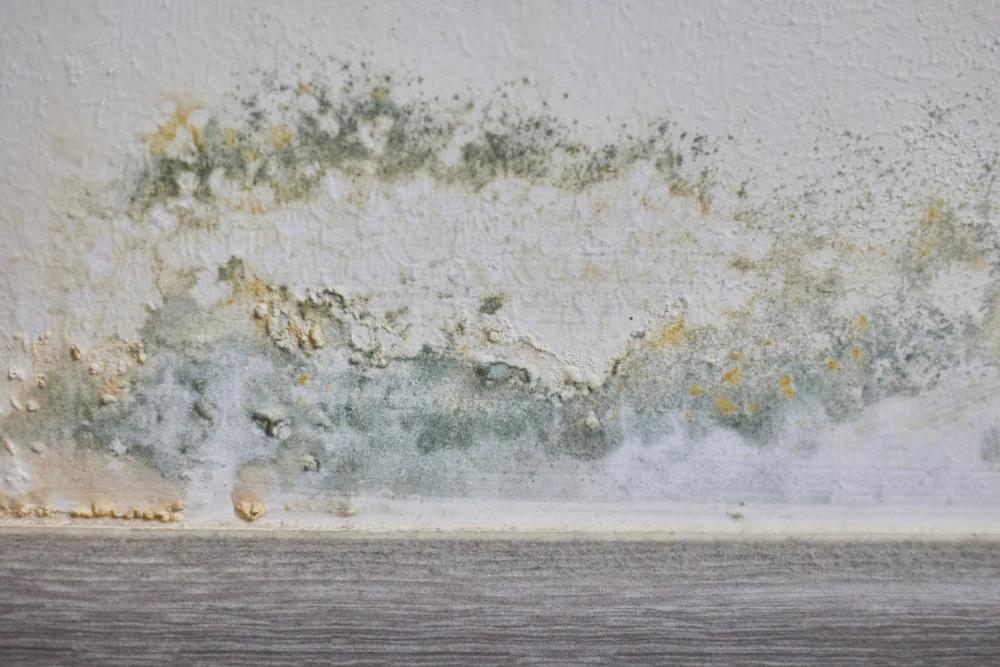
Your home stops smelling musty. The allergies that flare up only when you’re inside finally go away. You’re not wiping down the same corner every few weeks hoping it stays gone this time.
Real mold mitigation means identifying where the moisture is coming from—whether that’s a slow leak behind your bathroom tile, condensation in your crawl space, or poor ventilation in your attic. Once we know the source, we fix it. Then we remove the mold using containment barriers and HEPA filtration so spores don’t spread to clean areas during the process.
Upper Makefield homes, especially older properties near the Delaware, deal with humidity and drainage issues that create perfect conditions for recurring mold. If you’ve tried cleaning it yourself and it keeps coming back, that’s because the moisture source is still there. We handle both—the mold you see and the problem you don’t.
We work throughout Bucks County, and we’ve seen what happens when mold gets ignored or handled incorrectly. We know the common culprits in Upper Makefield—older homes with outdated ventilation, basements that flood during heavy rain, and crawl spaces that trap moisture year-round.
We’re available around the clock because mold doesn’t wait for business hours. You get a free inspection, a clear estimate, and documentation you can use if you’re filing an insurance claim. We work directly with adjusters when needed, and we know what they’re looking for.
You’re not getting a national franchise or a crew that’s never worked in your area. You’re getting local professionals who understand how properties in Upper Makefield are built and what makes them vulnerable to mold.
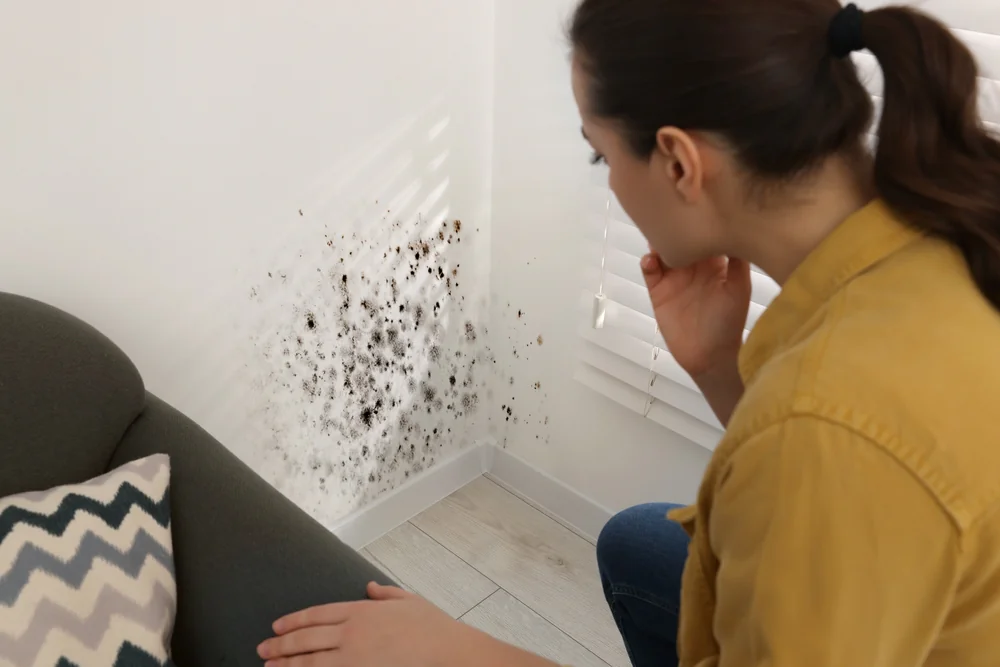
We start with a full inspection using moisture meters and infrared cameras to find mold hiding behind walls, under floors, or inside HVAC systems. You’d be surprised how often the visible mold is just a small part of the problem.
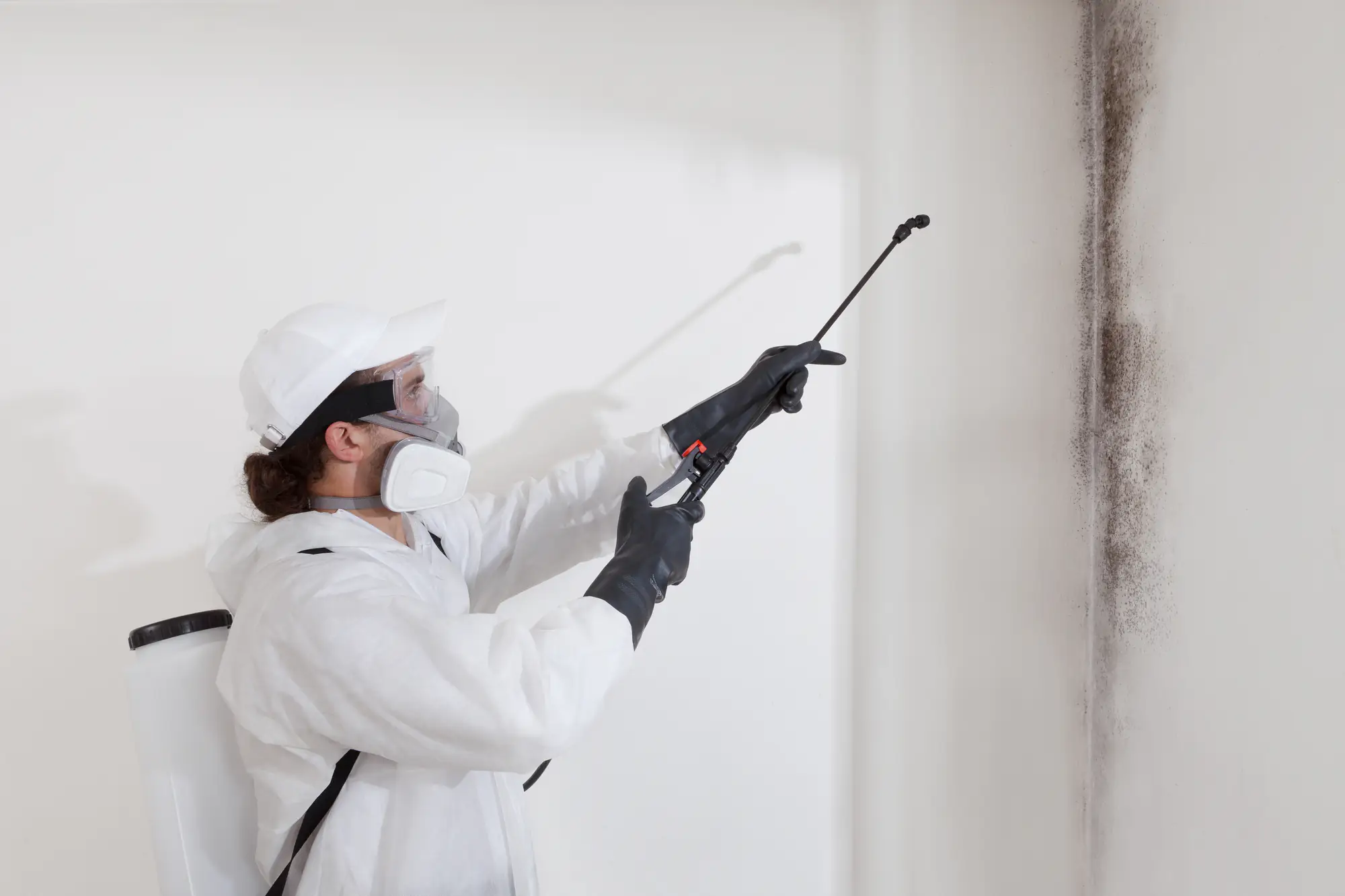
Once we know where the mold is and what’s feeding it, we seal off the affected area with physical barriers and set up negative air pressure systems. That keeps mold spores contained so they don’t spread to other rooms while we work. Then we remove contaminated materials—drywall, insulation, flooring—whatever can’t be salvaged.
After removal, we treat surfaces with antimicrobial solutions and run HEPA air scrubbers to clean the air. But none of that matters long-term if we don’t fix the moisture source. So we repair leaks, improve ventilation, install dehumidifiers, or address drainage issues depending on what caused the problem. You get a full report with photos, lab results if testing was done, and documentation for your records or insurance company.
The timeline depends on how widespread the mold is, but most residential jobs in Upper Makefield take three to five days from start to finish.
Ready to get started?
You’re getting more than mold removal. We’re fixing the reason it showed up in the first place.
That includes identifying and repairing the moisture source—whether it’s a leaking pipe, poor grading around your foundation, or an HVAC system that’s creating condensation. We remove all contaminated materials that can’t be cleaned, treat affected surfaces, and restore air quality using commercial-grade equipment.
Upper Makefield properties, especially those built before modern moisture barriers became standard, are prone to basement and crawl space mold. Homes near the Delaware or in low-lying areas often deal with groundwater intrusion during spring thaw or heavy storms. If your home has had previous water damage or you’ve noticed persistent humidity in certain rooms, you’re at higher risk.
We also provide full documentation—photos, moisture readings, a detailed scope of work—so if you need to file an insurance claim, you have everything required. And if your policy covers the damage, we can work directly with your adjuster to streamline the process. Financing is available if you’re paying out of pocket.
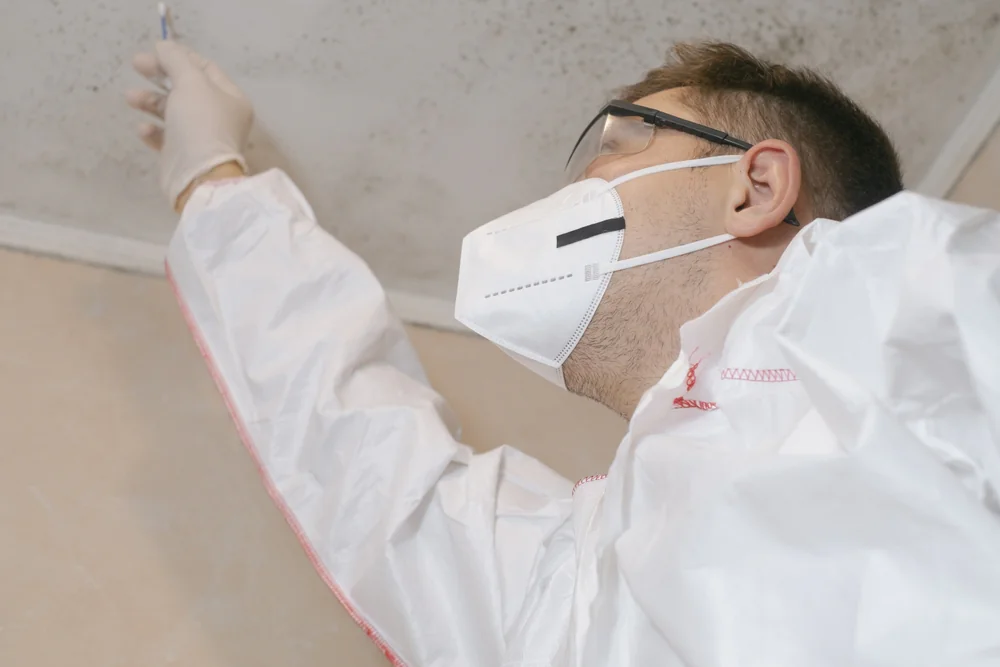
Cleaning mold off a wall with bleach might make it look better temporarily, but it doesn’t solve anything. Mold grows because there’s moisture—a leak, condensation, high humidity, poor ventilation. If you don’t eliminate that moisture source, the mold comes back.
Mold mitigation means finding what’s causing the problem and fixing it. We use moisture meters and infrared cameras to locate hidden water intrusion, then we repair the leak or improve airflow or install a dehumidifier depending on what’s needed. Only after the moisture issue is resolved do we remove the mold using proper containment and filtration.
Surface cleaning also doesn’t address mold that’s growing inside walls, under flooring, or in insulation. Professional mitigation involves removing contaminated materials that can’t be salvaged and treating the space so spores don’t spread during the process. That’s the difference between a temporary fix and a permanent solution.
It depends on what caused the mold. If it resulted from a sudden, covered event—like a burst pipe or storm damage—most policies will cover mitigation. If it’s from long-term neglect or a maintenance issue you didn’t address, coverage usually gets denied.
Insurance companies want to see that you acted quickly after discovering water damage. Mold that’s been growing for months because you ignored a slow leak won’t be covered. But if a pipe burst last week and mold started forming, that’s typically a covered peril.
We help by documenting everything—photos, moisture readings, a timeline of when the damage occurred. If your policy covers it, we can work directly with your adjuster to handle the claim. If it doesn’t, we offer financing options to make mitigation affordable. Either way, you’ll know upfront what to expect before we start work.
Most residential mold mitigation projects take three to five days, but it depends on how extensive the problem is. A small bathroom with surface mold might be done in two days. A finished basement with mold behind drywall and inside insulation could take a week or more.
The process includes inspection, containment setup, removal of contaminated materials, treatment, air scrubbing, and fixing the moisture source. We can’t rush any of those steps without compromising the quality of the work. If we leave moisture behind or don’t fully contain the area during removal, you’ll have mold again within weeks.
Upper Makefield homes with crawl space or attic mold sometimes take longer because access is limited and the affected area is larger than it appears. We’ll give you a clear timeline during the inspection so you know what to expect. If you’re displaced during the work, we’ll do everything possible to minimize disruption.
If you’re seeing mold in multiple rooms, smelling a persistent musty odor even after cleaning, or dealing with mold that keeps coming back in the same spot, you need professional mitigation. Surface cleaning won’t fix those problems.
Other signs include unexplained allergies or respiratory issues that improve when you leave the house, visible water stains on ceilings or walls, peeling paint or bubbling drywall, and condensation on windows or pipes. If you’ve had any flooding, roof leaks, or plumbing issues in the past year, there’s a good chance mold is growing somewhere even if you can’t see it yet.
Homes in Upper Makefield with basements, crawl spaces, or older HVAC systems are especially prone to hidden mold growth. Moisture gets trapped in areas with poor airflow, and by the time you notice a problem, it’s often more widespread than you think. Professional mitigation includes finding those hidden areas and addressing them before the damage gets worse.
It depends on where the mold is and how extensive the contamination is. If we’re working in a basement or a single bathroom and can seal off that area completely, you can usually stay in the rest of the house. If the mold is widespread or affecting your HVAC system, it’s safer to stay elsewhere temporarily.
We use physical barriers and negative air pressure to contain the work area, but mold spores are microscopic and can travel through air currents. If you have young children, elderly family members, or anyone with respiratory issues or compromised immune systems, we typically recommend finding alternative accommodations during the work.
Most Upper Makefield projects allow homeowners to stay in unaffected areas of the house, but we’ll give you a clear recommendation during the inspection. Your health and safety come first. If there’s any risk of exposure, we’ll tell you upfront so you can make arrangements.
We fix the moisture source. That’s the only way to prevent mold from returning. If there’s a plumbing leak, we repair it. If your crawl space has standing water, we address drainage and install a vapor barrier. If your bathroom doesn’t have proper ventilation, we improve airflow or recommend a dehumidifier.
After removing the mold and treating affected areas, we verify that moisture levels are back to normal using meters that measure humidity in walls and floors. If readings are still high, we identify why and fix it before finishing the job. You’ll also get recommendations for ongoing maintenance—things like checking gutters, monitoring humidity levels, and inspecting areas prone to condensation.
Upper Makefield’s humid summers and older home construction make prevention especially important. Without addressing the root cause, mold will return no matter how thoroughly we clean. That’s why our process focuses on long-term solutions, not temporary fixes. You’re not calling us back in six months to redo the same work.
Other Services we provide in Upper Makefield