
Hear from Our Customers
You’re not just removing mold. You’re protecting your family from respiratory problems that affect 21% of asthma cases and stopping property damage that can drop your home’s value by 20% or more.
In Schuylkill County, where 27% of homes face severe flooding risk over the next 30 years and most houses were built before 1950, moisture problems aren’t rare—they’re expected. Catching mold early means you’re spending hundreds instead of thousands. It means your kids aren’t coughing at night. It means you can sell your home without disclosure nightmares.
Professional mold mitigation services handle what you can’t see—the growth behind walls, under floors, and in crawl spaces where DIY methods fail. You get lab-confirmed results, not guesswork. You get a home that’s actually safe, not just surface-clean.
We work throughout Schuylkill County and Central Pennsylvania, where most homes were built when Truman was president. We’ve seen what decades of settling foundations, aging roofing, and Pennsylvania winters do to properties.
Our team uses thermal imaging, moisture meters, and certified lab testing to find problems before they spread. We’re not the cheapest option in the area, and that’s intentional. You’re paying for equipment that actually detects hidden moisture, technicians who know the difference between surface staining and active growth, and removal methods that prevent it from coming back next season.
We offer free inspections because we’d rather catch a small problem now than watch you pay for extensive remediation later. That’s how we’ve built our reputation across Bucks County, Montgomery County, and the Lehigh Valley.
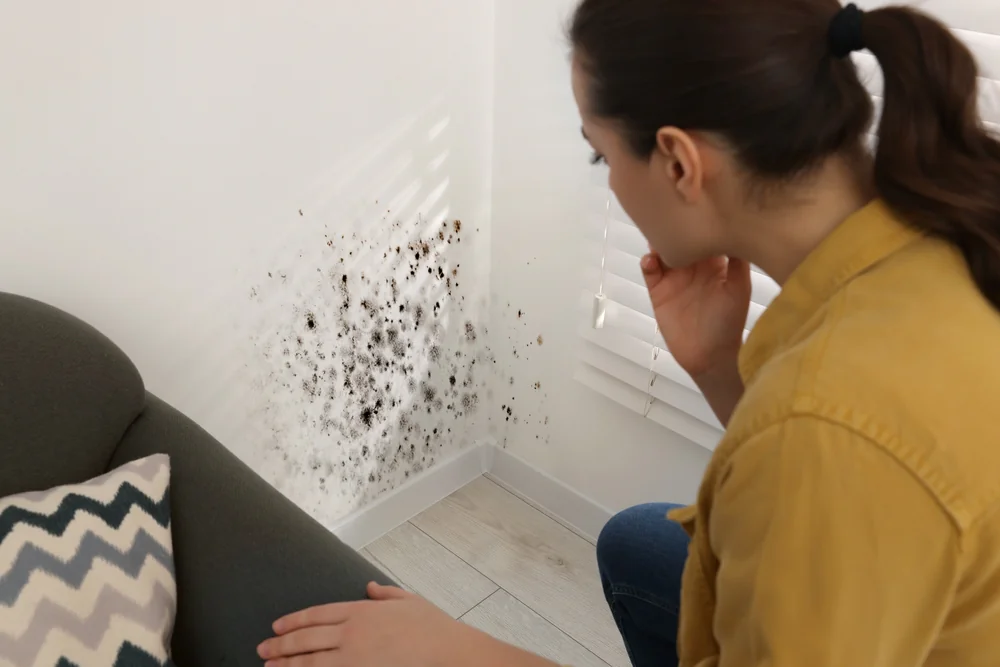
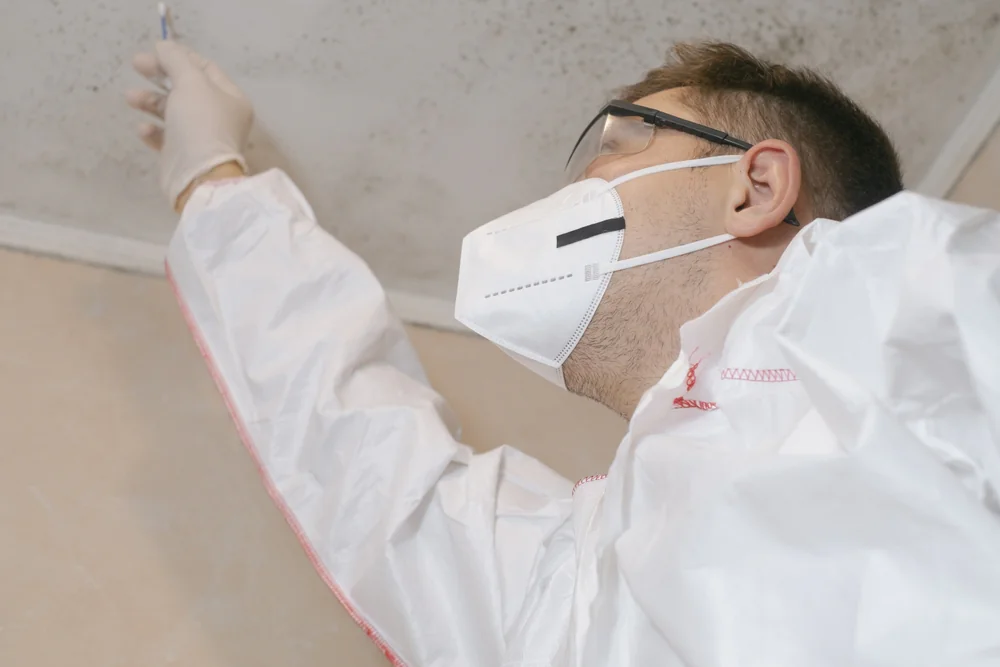
First, we inspect your property for free. That means checking visible areas and using thermal imaging to scan walls, ceilings, and floors for hidden moisture. We’re looking for active growth, water damage, and conditions that let mold thrive.
If we find mold, we take samples and send them to a certified lab. You get a report that tells you exactly what species you’re dealing with and how much is present. No guessing. No upselling based on fear.
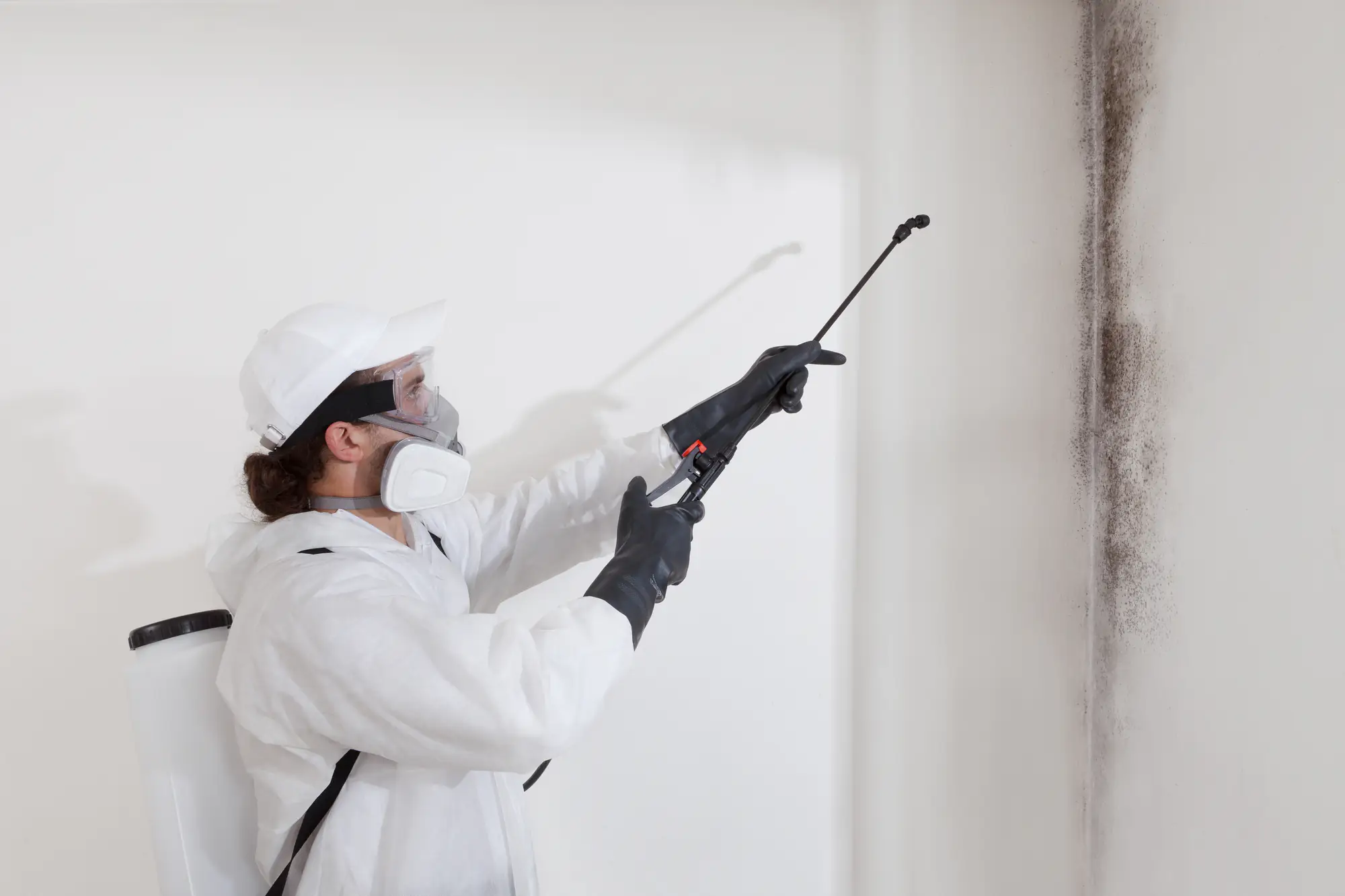
Once we know what we’re handling, we contain the area to prevent spores from spreading during removal. We use HEPA filtration and negative air pressure—the same approach hospitals use for contaminated spaces. Then we remove affected materials, treat surfaces with antimicrobial solutions, and dry everything completely.
After removal, we test again to confirm the mold is gone. You get documentation for your records, your insurance company, or future buyers. The whole process typically takes 2-5 days depending on how much area we’re treating.
Ready to get started?
You get a thorough inspection of your entire property—attics, basements, crawl spaces, behind appliances, and anywhere moisture collects. In Schuylkill County, that often means checking stone foundations, old cellar walls, and areas where flooding has occurred.
We test air quality and surface samples through certified laboratories, so you know exactly what you’re dealing with. If you’re filing an insurance claim, we document everything and work directly with your adjuster. Most homeowner policies cover mold if it’s related to a covered event like a burst pipe or storm damage.
Our removal process includes containment barriers, HEPA air scrubbers, antimicrobial treatment, and complete drying of affected areas. We remove and dispose of contaminated materials properly—drywall, insulation, flooring—whatever can’t be salvaged. If structural repairs are needed after removal, we handle that too.
You also get a final clearance test and a written report confirming your home is safe. We don’t consider the job done until lab results prove the mold is gone. And if you’re selling your home, that documentation is worth its weight in gold during inspections.
Most residential mold mitigation projects in Schuylkill County run between $1,500 and $6,000, depending on how much area is affected and where the mold is growing. A small bathroom with surface mold costs far less than a finished basement with contamination behind walls.
Here’s what affects your cost: the size of the contaminated area, whether we need to remove building materials like drywall or flooring, how accessible the mold is, and whether there’s ongoing moisture that needs to be fixed first. A 100-square-foot area of surface mold might cost $1,500-$2,500. A whole basement with hidden growth behind finished walls could run $5,000-$8,000.
Insurance often covers mold mitigation if the cause is sudden and accidental—like a burst pipe or storm damage. We work with your insurance company directly and provide all the documentation they need. If you’re paying out of pocket, we offer financing options to make it manageable.
Most mold mitigation jobs take 2-5 days from start to finish. Small, contained areas like a bathroom or closet might be done in 1-2 days. Larger projects involving multiple rooms or extensive hidden growth can take a week or more.
Day one is usually inspection and testing. We identify all affected areas, take samples, and create a remediation plan. Days 2-4 involve containment, removal, treatment, and drying. The final day is clearance testing to confirm the mold is completely gone.
Drying time is often what takes longest. We can’t just wipe surfaces and call it done—moisture levels have to drop below 16% or mold will return. In Schuylkill County’s humid climate, especially in basements with stone foundations, proper drying is critical. We use commercial dehumidifiers and air movers to speed the process, but we won’t rush it and risk the problem coming back.
It depends on where the mold is and how extensive the contamination is. For small, contained areas like a bathroom or single room, most families stay in the home without issues. We seal off the work area with plastic barriers and use negative air pressure to prevent spores from spreading to other rooms.
For larger projects—especially if mold is in your HVAC system or spread across multiple floors—we usually recommend staying elsewhere during active removal. When we’re tearing out contaminated materials, spore counts temporarily spike even with containment measures. If anyone in your home has asthma, allergies, or a compromised immune system, it’s safer to stay with family or in a hotel for a few days.
We’re upfront about this during the inspection. If you need to leave, we’ll tell you why and for how long. Most people are back in their homes within 3-5 days. We don’t make you leave unless it’s actually necessary for your health.
Mold removal sounds like you’re eliminating every single spore, which isn’t realistic or necessary. Mold spores exist everywhere—they’re in outdoor air, on your clothes, floating through your house right now. The goal isn’t zero mold; it’s reducing levels to normal, safe amounts.
Mold mitigation is the accurate term. It means we’re removing active growth, eliminating the moisture source, and bringing spore counts back to levels that match outdoor air. We’re mitigating the problem, not claiming we’ve created a sterile environment.
Here’s what that looks like in practice: we remove materials with heavy growth (drywall, insulation, carpeting), treat surfaces that can be saved, fix the moisture problem causing growth, and verify through lab testing that spore counts are back to normal. Companies promising “complete mold removal” are either misleading you or don’t understand how mold works. Professional mitigation gets your home safe without making impossible promises.
Mold comes back if the moisture problem isn’t fixed. Period. We can remove every bit of visible growth, treat every surface, and get your lab results perfect—but if water is still leaking or humidity is still high, you’ll have mold again in 6-12 months.
That’s why professional mold mitigation services include identifying and fixing moisture sources. In Schuylkill County, common culprits are foundation cracks letting groundwater in, poor grading around the house, leaking roofs, condensation on old pipes, and basements without proper ventilation. We find what’s causing the moisture and either fix it ourselves or tell you exactly what needs to be done.
After mitigation, you need to maintain humidity below 60% and address water problems quickly. That means running dehumidifiers in basements, fixing leaks immediately, and improving ventilation in bathrooms and kitchens. We give you specific recommendations based on your home. If you handle moisture correctly, the mold won’t return. If you ignore it, no amount of cleaning will keep it away permanently.
Yes, especially given that most homes in Schuylkill County were built before 1950 and 27% of properties face severe flooding risk. A standard home inspection doesn’t include mold testing—inspectors note visible moisture or staining, but they don’t test air quality or take samples.
A professional mold inspection includes thermal imaging to detect hidden moisture, air quality testing to measure spore counts, and surface samples from any suspicious areas. This matters because sellers aren’t required to disclose mold unless they know about it. You could be buying a home with active growth behind walls or in the crawl space.
The inspection costs $300-$600 depending on the home’s size, which is cheap compared to discovering a $5,000 mold problem after closing. If we find mold, you can negotiate with the seller to handle mitigation before you buy, reduce the purchase price, or walk away entirely. Without testing, you’re gambling on the biggest purchase of your life. In an area with old housing stock and high flood risk, that’s not a gamble worth taking.
Other Services we provide in Schuylkill