
Hear from Our Customers
You’re not dealing with a musty smell anymore. You’re not wondering if that dark spot behind the washing machine is spreading. You’re not lying awake thinking about what mold is doing to your kids’ lungs or your home’s value.
When mold mitigation is done correctly, you get your air quality back. You stop worrying every time someone in your house coughs. Your basement doesn’t smell like a wet towel left in a gym bag.
Here’s what actually changes: the source of moisture gets identified and fixed, not just the visible mold. The affected materials get treated or removed based on what’s salvageable. Your home gets tested to confirm the mold is actually gone, not just covered up. And you get a plan to keep it from coming back, because nobody wants to pay for this twice.
We work throughout Sanatoga and the surrounding Montgomery County area. We know what Pennsylvania’s humid summers do to basements, crawl spaces, and anywhere your AC runs constantly. We’ve seen the same problems in dozens of homes here: condensation around windows, damp corners in finished basements, hidden growth behind drywall after a slow leak.
We’re certified, we use thermal imaging and moisture meters to find what you can’t see, and we don’t leave until the job’s actually done. Not when it looks done.
You’ll get a free inspection, upfront pricing, and help with your insurance claim if you need it. We’re available 24/7 because mold doesn’t wait for business hours, and neither do we.
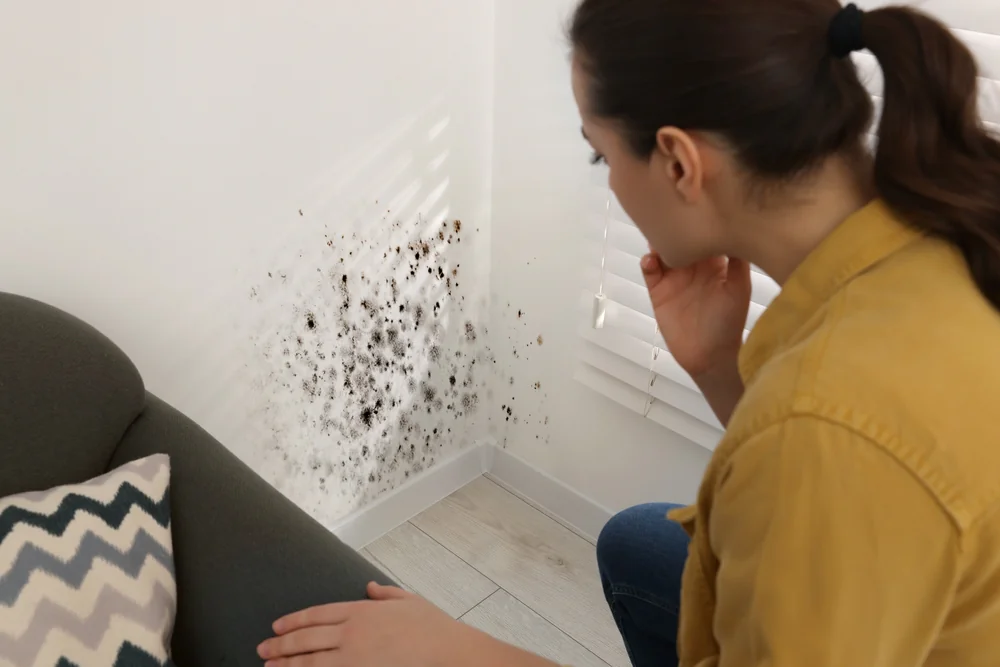
First, we inspect your property with moisture meters and thermal imaging cameras. We’re looking for elevated humidity, hidden water damage, and mold growth in places you’d never check—inside walls, under flooring, in HVAC systems. We take samples and send them to a certified lab so you know exactly what type of mold you’re dealing with and how much of it is there.
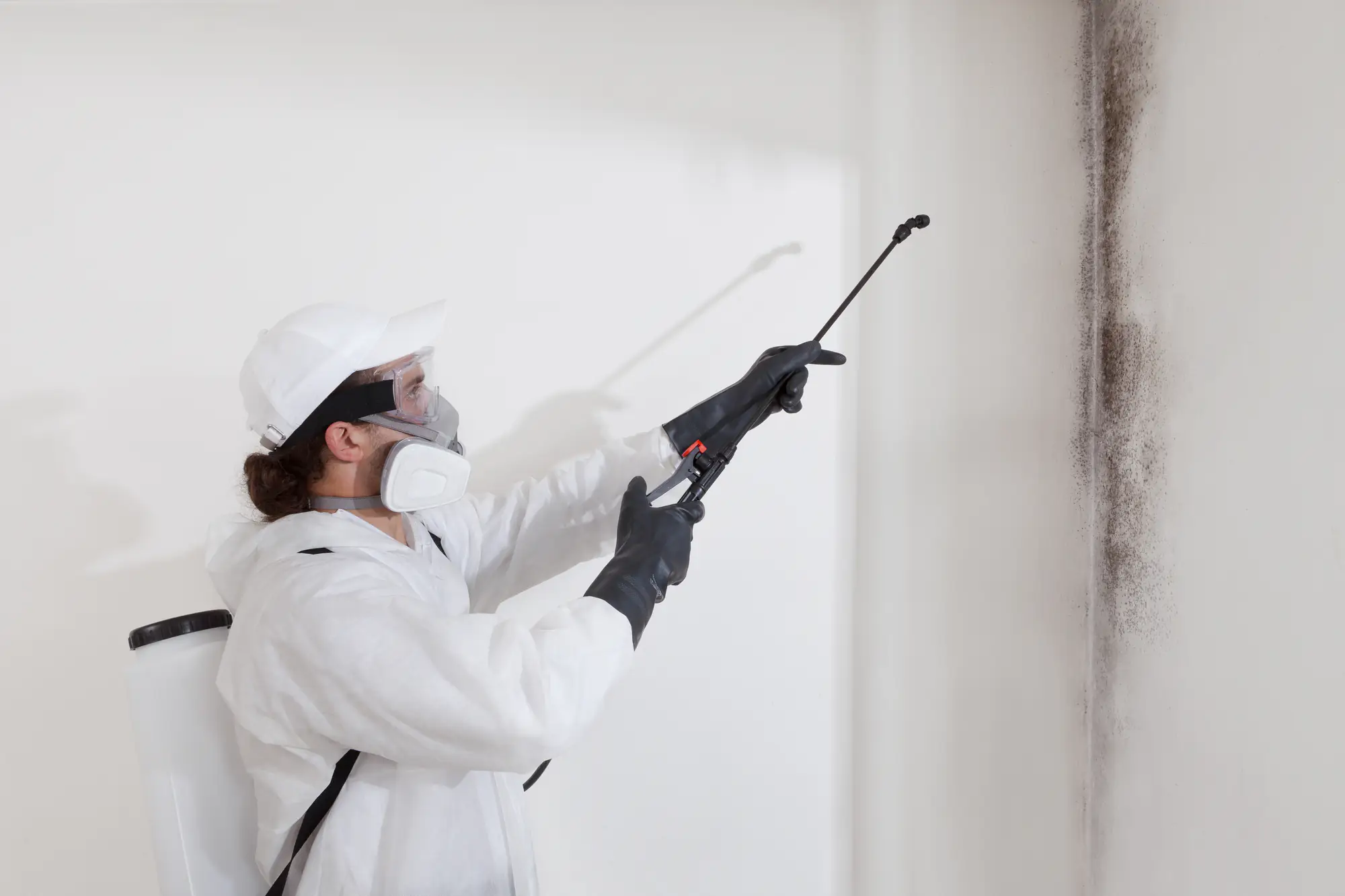
Once we know what we’re up against, we contain the affected area to stop spores from spreading to clean parts of your home. Then we remove contaminated materials that can’t be saved and treat surfaces that can. We use HEPA filtration and eco-friendly products to clean the air while we work.
After removal, we dry everything out completely. Materials need to be dried within 24 to 48 hours, or mold just comes back. We don’t skip this step. Finally, we retest to confirm the mold is gone and help you fix the moisture problem that caused it in the first place—whether that’s a leaky pipe, poor ventilation, or groundwater seeping into your basement.
Ready to get started?
You get a thorough inspection with advanced detection equipment, not just a guy with a flashlight. We’re talking thermal imaging that shows moisture you can’t see and meters that measure humidity levels inside your walls. You get lab analysis that tells you if you’re dealing with black mold, common household mold, or something else entirely.
Sanatoga’s climate makes basements and crawl spaces prime targets for mold, especially during summer when humidity spikes and your AC is working overtime. We pay extra attention to these areas, plus around windows, in attics, and anywhere water damage has happened before. Pennsylvania homes built on slabs or with older foundations are especially vulnerable, and we’ve worked in enough of them to know where to look.
You also get containment, removal, treatment, air filtration, and post-testing. We handle insurance paperwork if your policy covers it. And we give you a clear plan for preventing this from happening again, because the best mold mitigation is the kind you only have to do once.
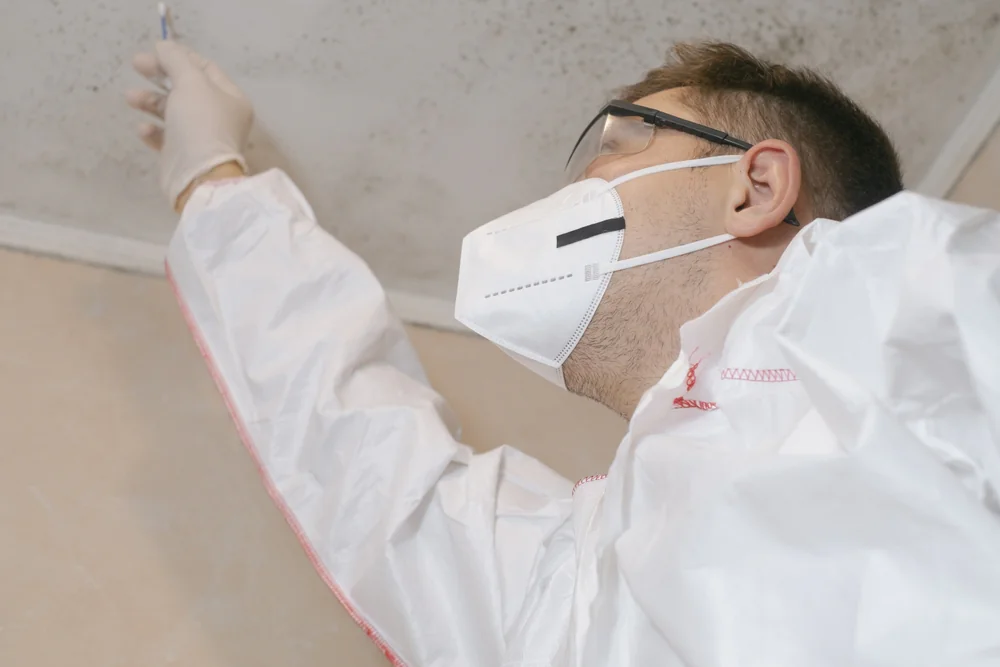
Most residential mold mitigation projects take between one and five days, depending on how much mold is present and where it’s growing. A small area like a bathroom corner might be done in a day. A finished basement with mold behind drywall and inside insulation could take closer to a week.
The timeline depends on a few things: how long it takes to dry out the affected materials, whether we need to remove drywall or flooring, and how extensive the contamination is. We can’t rush the drying process—if materials aren’t completely dry, mold will grow back within weeks.
You’ll know the timeline after the inspection. We don’t give vague estimates. We tell you exactly how long it’s going to take and what’s happening each day.
Mold remediation is the full process of removing existing mold—cleaning, treating, and eliminating growth that’s already in your home. Mold mitigation focuses on reducing the risk and controlling the spread before it becomes a bigger problem. In practice, most companies (including us) use the terms interchangeably because mitigation often involves remediation work.
When you call us for mold mitigation services, we’re doing both: removing what’s there and taking steps to prevent it from spreading or returning. That means fixing the moisture source, not just scrubbing the visible mold off your wall.
If you’re trying to figure out which service you need, here’s the simple answer: if you have mold, you need it removed. If you want to prevent mold, you need the moisture problem fixed. We handle both.
It depends on what caused the mold. If mold grew because of a sudden, accidental event—like a burst pipe or storm damage—most homeowners insurance policies will cover mitigation. If mold developed slowly over time due to poor maintenance or ongoing moisture problems, insurance usually won’t pay for it.
Pennsylvania insurance policies vary, and some exclude mold coverage entirely unless you’ve added a specific mold rider. We recommend calling your insurance company as soon as you discover mold to find out what’s covered.
We work with insurance companies regularly and can help you document the damage, provide estimates, and communicate with adjusters. Even if your claim gets denied, we’ll give you transparent pricing so there are no surprises.
In most cases, yes—but it depends on the size and location of the mold problem. If we’re working on a small area like a bathroom or a section of your basement, you can usually stay in other parts of the house. We seal off the work area with plastic sheeting and use negative air pressure to keep mold spores from spreading.
If the contamination is extensive or involves your HVAC system, we might recommend staying somewhere else for a few days. Black mold and large infestations release a lot of spores during removal, and you don’t want to breathe that in—especially if anyone in your home has asthma, allergies, or a weakened immune system.
We’ll tell you upfront whether it’s safe to stay or not. We’re not going to sugarcoat it just to make the job easier on us.
If you can see mold or smell that musty, damp odor, you need more than surface cleaning. Mold mitigation involves identifying the moisture source, removing contaminated materials, treating affected areas, and preventing regrowth. Just wiping mold off a wall with bleach doesn’t fix the problem—it comes back because the conditions that caused it are still there.
Mitigating black mold or any other type of mold means addressing the root cause. That could be a leaky pipe, condensation buildup, poor ventilation, or water seeping through your foundation. If you don’t fix that, you’re just cleaning mold off the same spot every few months.
We offer free inspections in Sanatoga, so you don’t have to guess. We’ll assess the situation, test for mold if needed, and tell you exactly what has to happen to solve the problem for good.
If mold returns after professional mitigation, it’s almost always because the moisture problem wasn’t fully resolved. Mold needs water to grow. If there’s still a leak, condensation, or humidity issue, mold will come back no matter how thoroughly it was removed.
That’s why we don’t just remove mold—we identify and help you fix the source of moisture. Whether it’s improving ventilation in your crawl space, repairing a roof leak, or installing a dehumidifier, we make sure the conditions that allowed mold to grow in the first place are gone.
We stand behind our work. If mold comes back in an area we treated and the moisture source was properly addressed, we’ll make it right. But if a new leak springs up or your sump pump fails, that’s a separate issue—and we’ll help you handle that too.
Other Services we provide in Sanatoga