
Hear from Our Customers
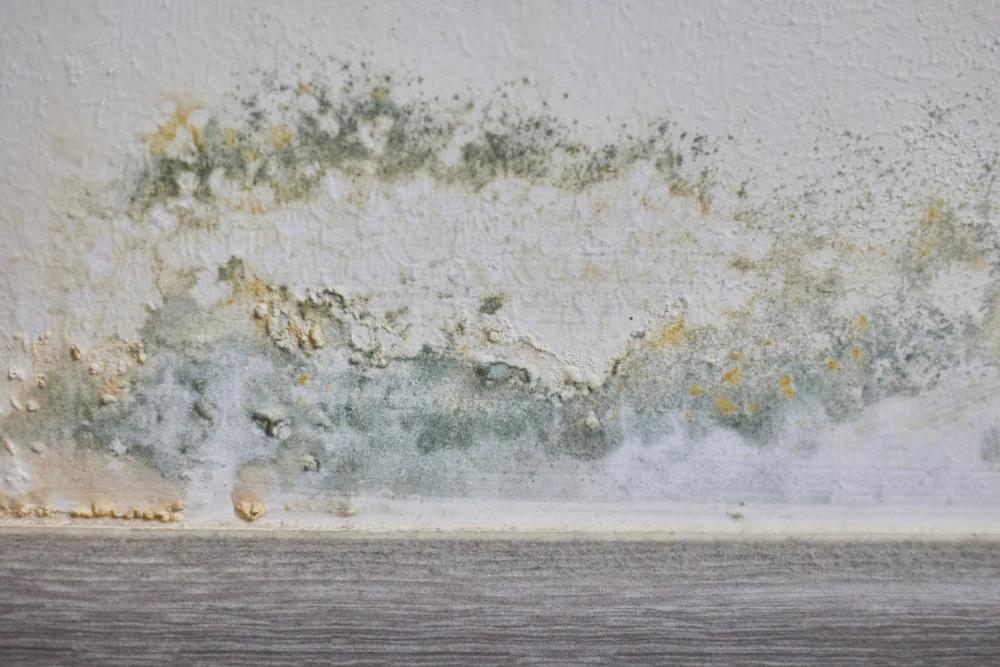
You stop worrying every time your kid coughs. The air smells clean again, not musty or damp. You’re not constantly checking behind furniture or under sinks for new growth.
That’s what real mold mitigation does. It removes what you can see and what you can’t—the spores in the air, the colonies behind walls, the moisture source feeding it all.
In Lower Salford, where humid Pennsylvania summers turn attics and basements into mold breeding grounds, half-measures don’t work. The mold comes back in weeks, sometimes days. You need mitigation that addresses the root cause, dries out affected areas completely, and restores your indoor air quality to safe levels. That’s the difference between a temporary fix and actually solving the problem.
We’ve worked in Lower Salford homes long enough to know the patterns. The finished basements that flood after heavy rain. The attics that trap moisture all summer. The crawl spaces nobody checks until the smell starts.
We’re certified mold remediation professionals who use EPA-approved methods and equipment designed for complete removal, not surface cleaning. Our team has handled everything from small bathroom mold to whole-home contamination after water damage.
You get a free inspection, transparent pricing before work starts, and communication throughout the process. We’re local, we’re available 24/7 for emergencies, and we don’t leave until the job is done right.
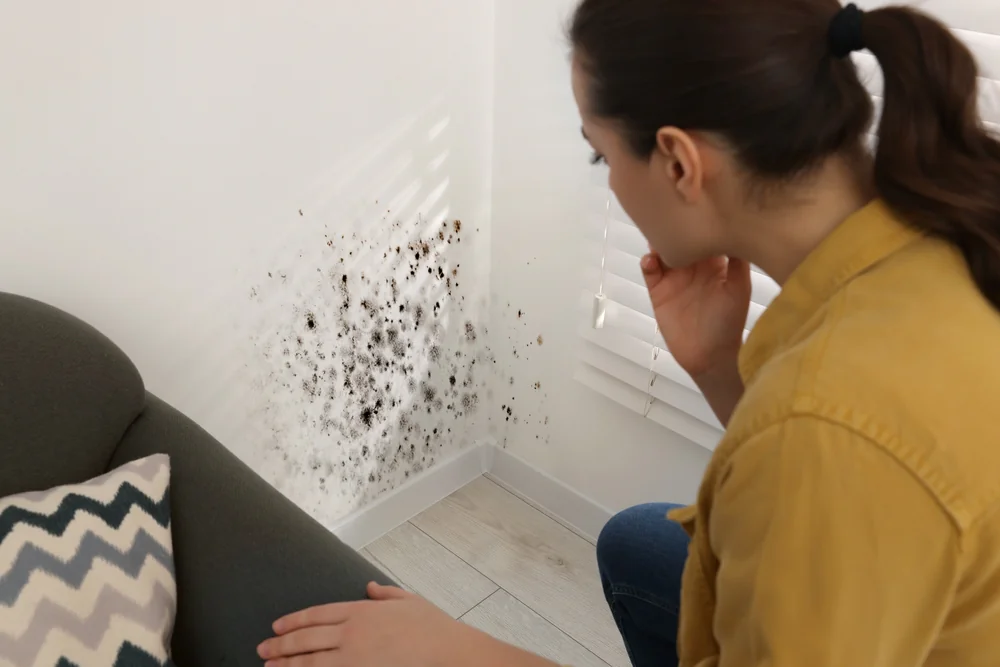
First, we inspect your property to find all the mold and identify what’s causing it. That means checking obvious spots and hidden areas—behind walls, under flooring, inside HVAC systems. We test to determine mold type and contamination levels.
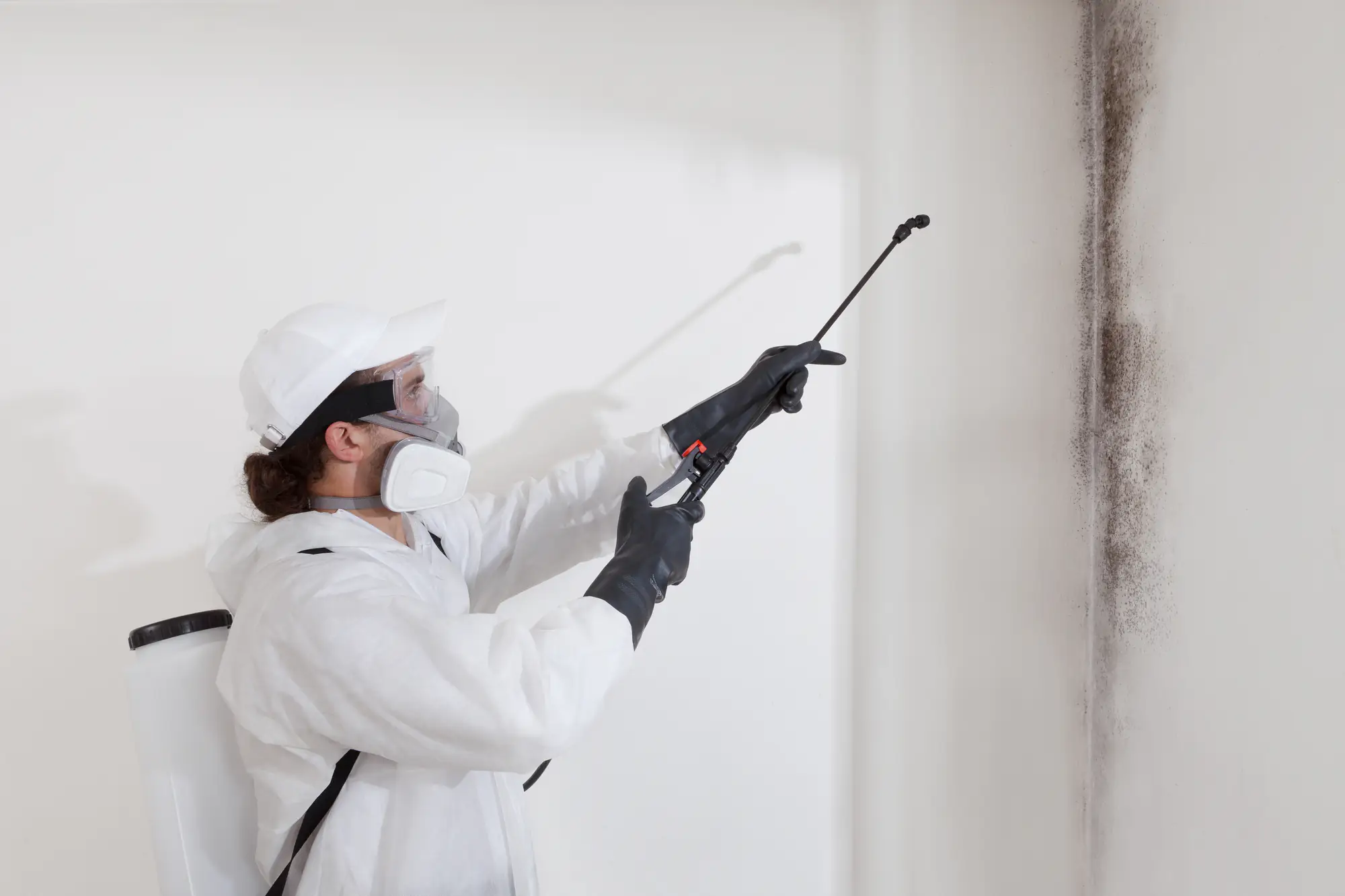
Next, we contain the affected area to prevent spores from spreading during removal. We use negative air pressure and physical barriers to isolate the work zone. Then we remove contaminated materials safely, clean salvageable surfaces with antimicrobial treatments, and filter the air with HEPA equipment.
The critical step most companies skip: we fix the moisture problem. Leaking pipes get repaired. Humidity gets controlled. Ventilation gets improved. Without this, mold returns in weeks.
Finally, we dry everything completely, verify air quality is safe, and restore any materials we removed. You get documentation of the work and recommendations to prevent future growth.
Ready to get started?
You get a thorough mold inspection at no cost. We assess the full extent of contamination, identify the moisture source, and provide a detailed estimate before starting work.
The mitigation itself includes containment setup, safe mold removal following Pennsylvania regulations, HVAC cleaning if needed, and complete drying of affected areas. We handle black mold, common household molds, and everything in between using the same careful process.
Lower Salford’s climate creates specific challenges. Summer humidity regularly exceeds 60%, well above the safe threshold for mold prevention. Homes with poor attic ventilation or basement moisture issues are especially vulnerable. We account for these local factors in every mitigation plan.
You also get help with insurance claims if applicable. We document everything, communicate with adjusters, and provide the paperwork needed to support your claim. Plus, we offer cleanup and restoration services after mold removal, so you’re not coordinating multiple contractors.
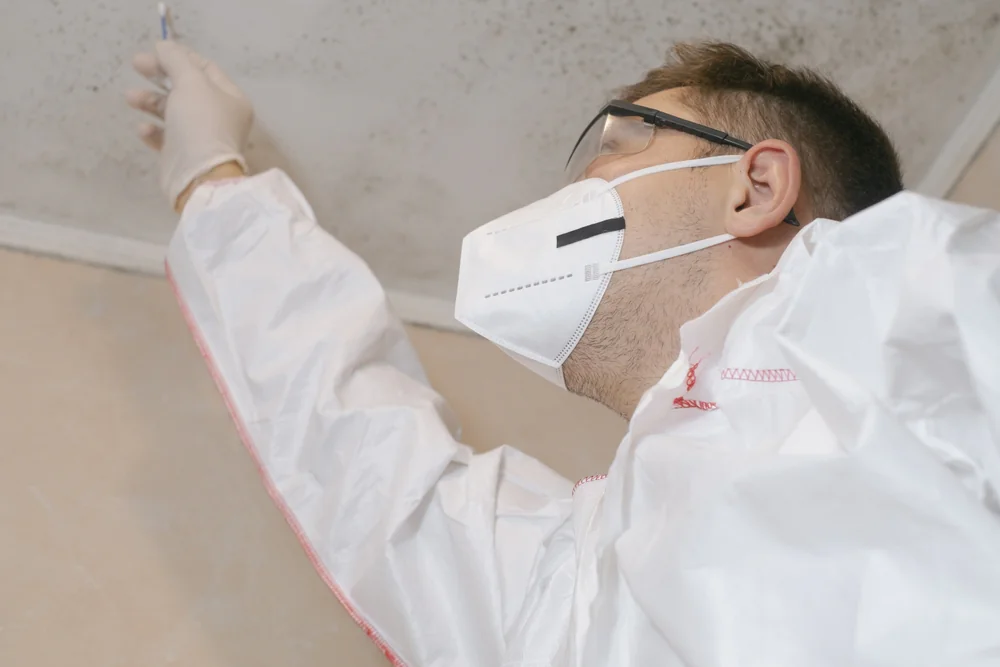
Most residential mold mitigation projects take two to five days, depending on contamination extent and moisture source complexity. A small bathroom with surface mold might be done in a day. A basement with widespread growth behind drywall could take a week.
The timeline depends on how much material needs removal, how long drying takes, and whether we’re dealing with one area or multiple rooms. We can’t rush the drying process—materials must reach safe moisture levels or mold returns quickly.
You’ll know the expected timeframe after inspection. We don’t leave you guessing. If something extends the timeline, like discovering additional contamination or waiting for a plumber to fix a leak, we communicate immediately.
Mold removal focuses on cleaning visible mold off surfaces. Mitigation addresses the entire problem—removing mold, eliminating the source, and preventing recurrence.
Think of it this way: removal treats symptoms. Mitigation solves the underlying issue. You can scrub mold off a wall, but if the leak behind it isn’t fixed and the wall isn’t properly dried, mold grows back within weeks.
Mitigation includes source identification, moisture control, air filtration, contaminated material removal, and verification that spore counts are back to normal levels. It’s a complete process, not a quick cleanup. That’s why mitigation actually works long-term while surface cleaning fails.
Coverage depends on what caused the mold. If it resulted from a covered event like a burst pipe or storm damage, most policies cover mitigation. If it developed from long-term neglect or maintenance issues, probably not.
Pennsylvania homeowner policies vary significantly in mold coverage. Some cap mold remediation at $10,000. Others exclude it entirely unless you’ve added specific endorsements. You need to check your actual policy language.
We help with the claims process either way. We document the damage, provide detailed estimates, and communicate directly with adjusters when needed. Many of our Lower Salford clients have successfully claimed mold mitigation costs after water damage events. Start by calling your insurance company as soon as you discover mold, then call us for the inspection.
It depends on contamination severity and your household’s health situation. Small, contained projects often allow you to stay home. Large-scale mitigation or black mold situations usually require temporary relocation.
If you have young children, elderly family members, or anyone with asthma or immune issues, we typically recommend staying elsewhere during active removal. Mold spores get disturbed during the process, and even with containment, some exposure risk exists.
For projects where you can stay, we seal off work areas completely and run negative air pressure to prevent spores from reaching occupied spaces. We schedule work to minimize disruption and keep you informed about which areas are off-limits. Your safety determines the recommendation, not our convenience.
We fix the moisture source—that’s the only way to prevent mold long-term. Mold needs water to grow. Remove the water source, and it can’t come back.
That might mean repairing roof leaks, fixing foundation cracks, improving ventilation, installing dehumidifiers, or rerouting drainage. We identify what’s feeding the mold during inspection and address it during mitigation. If a repair is beyond our scope, like major plumbing work, we coordinate with the right contractor.
We also treat affected areas with antimicrobial solutions and ensure everything dries to safe moisture levels before sealing it back up. You get specific recommendations for humidity control and maintenance based on your home’s vulnerabilities. Lower Salford’s humid climate means year-round attention to basement and attic moisture levels.
Mold exposure causes respiratory issues, allergic reactions, and in severe cases, chronic health problems. Common symptoms include stuffy nose, throat irritation, coughing, wheezing, eye irritation, and skin rashes.
Children face higher risks. Studies show infants in moldy homes have significantly increased chances of developing asthma and allergic rhinitis. If your child has persistent cough or wheeze, mold could be the cause.
People with existing asthma or mold allergies experience severe reactions, including difficulty breathing and asthma attacks. Prolonged exposure has been linked to cognitive issues, memory problems, anxiety, and depression. Black mold produces mycotoxins that can cause serious health effects with extended exposure. If you’re experiencing unexplained health symptoms and you’ve seen or smelled mold in your home, get it inspected immediately.
Other Services we provide in Lower Salford