
Hear from Our Customers
You’ll breathe easier knowing your family isn’t inhaling mold spores every day. Research shows professional mold mitigation reduces asthma symptoms by 25-45% and cuts respiratory illness rates in half.
Your property value stays protected. Mold concerns can drop your home’s value by 20-37%, and in Hatfield’s market where median home values sit at $329,400, that’s real money you can’t afford to lose.
The problem actually gets solved. Not just covered up or bleached over. We use thermal imaging and moisture meters to find hidden growth behind walls and under floors. Then we remove it, fix what caused it, and set up conditions so it doesn’t come back. That’s the difference between mold removal and mold mitigation.
We’ve been handling mold problems across Bucks County, Montgomery County, and the Lehigh Valley for years. Hatfield homes built in the 1950s and 60s face moisture issues that newer construction doesn’t, and we know exactly where to look.
Our technicians are IICRC certified, which means we follow EPA standards and industry protocols that actually work. We’re not a national franchise following a script. We’re local, we answer our phones, and we show up when we say we will.
You get upfront pricing, free inspections, and real answers in plain English. No pressure tactics. No hidden fees. Just honest communication about what’s wrong and what it takes to fix it.
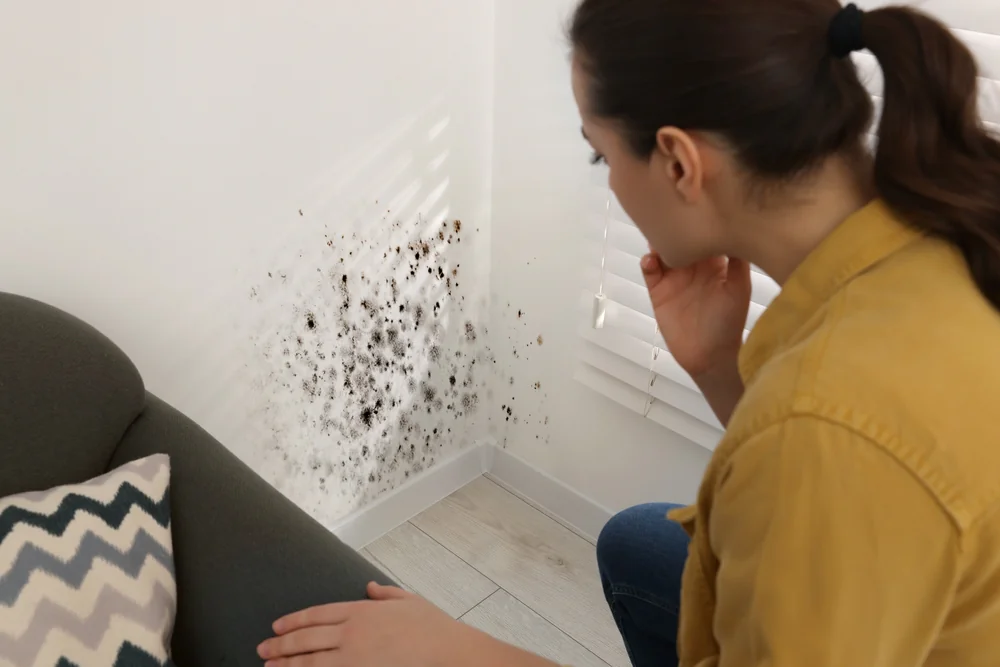
First, we inspect your property with moisture meters and thermal imaging cameras to find all the mold, including what’s hidden. You get air quality testing and a detailed report within 3-5 business days that explains what we found and why it’s growing.
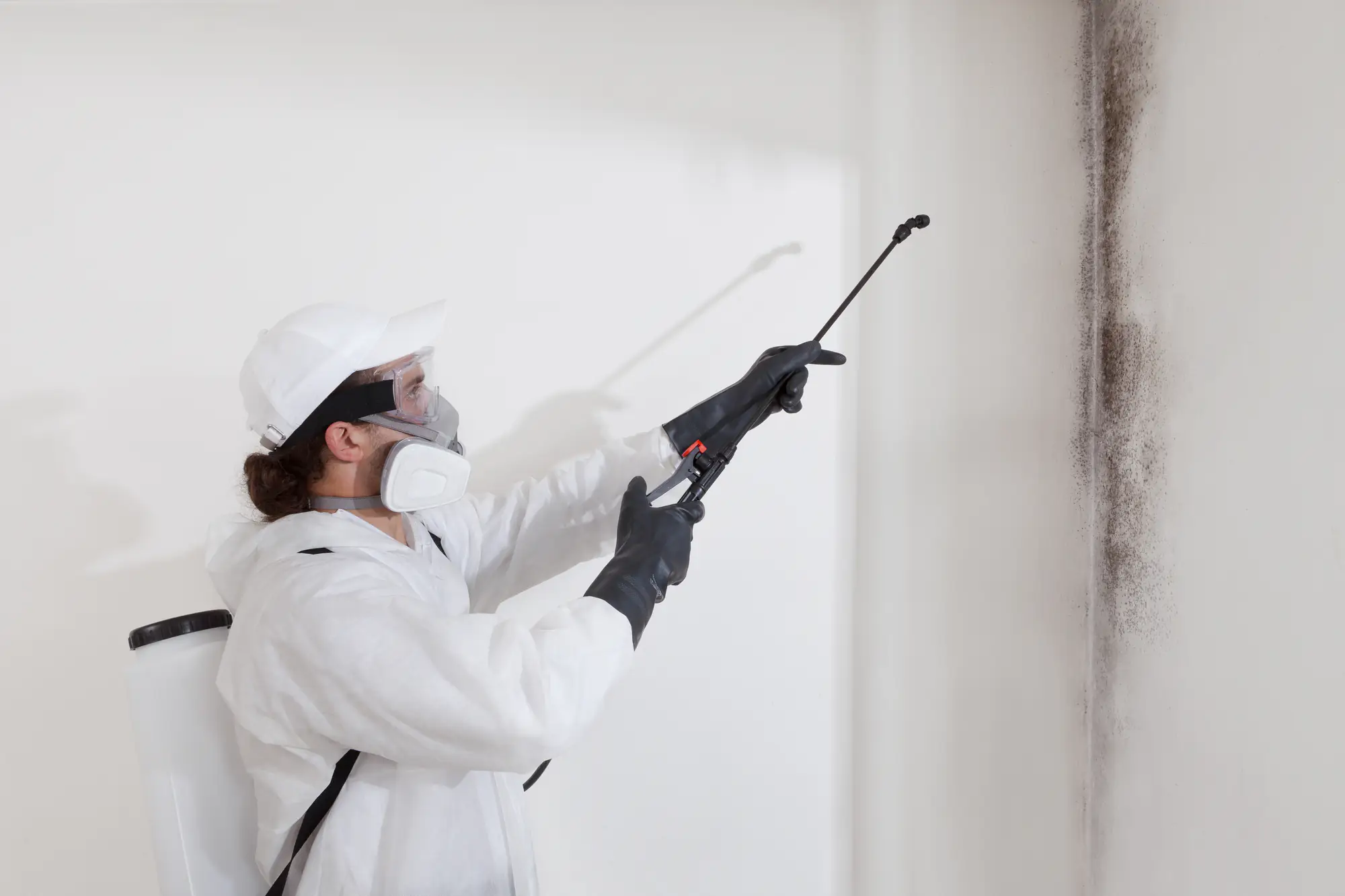
Next, we contain the affected areas with physical barriers and negative air pressure systems. This keeps mold spores from spreading to clean parts of your home while we work. HEPA filtration captures microscopic particles that regular vacuums miss.
Then we remove contaminated materials, treat surfaces with antimicrobial solutions, and fix the moisture problem causing the growth. That might mean improving ventilation, installing dehumidifiers, or repairing leaks. Without this step, you’re just cleaning mold that’ll come back in weeks.
Finally, we verify the work with post-remediation testing to confirm your air quality is back to normal. You get documentation for insurance claims and peace of mind that the job’s actually done.
Ready to get started?
You’re dealing with more than a cleaning job. Mold grows in over 70% of U.S. homes, and Pennsylvania consistently reports higher mold counts than most states. Hatfield’s humid climate and aging housing stock create perfect conditions for growth.
Professional mitigation means complete visual assessment of your property, moisture level readings in walls and floors, air sampling sent to certified labs, and a written report you can understand. Not vague observations, actual data.
We handle containment setup, HEPA air scrubbing during the entire process, removal of contaminated materials, antimicrobial treatment of affected surfaces, and source correction to prevent recurrence. You also get help with insurance claims and documentation, because most homeowners policies cover mold if it resulted from a covered peril like a burst pipe.
The average mitigation job costs $500-$6,000 depending on severity. That’s significantly less than the $3,000-$20,000 you’ll pay if contamination spreads throughout your home. Early detection saves thousands.
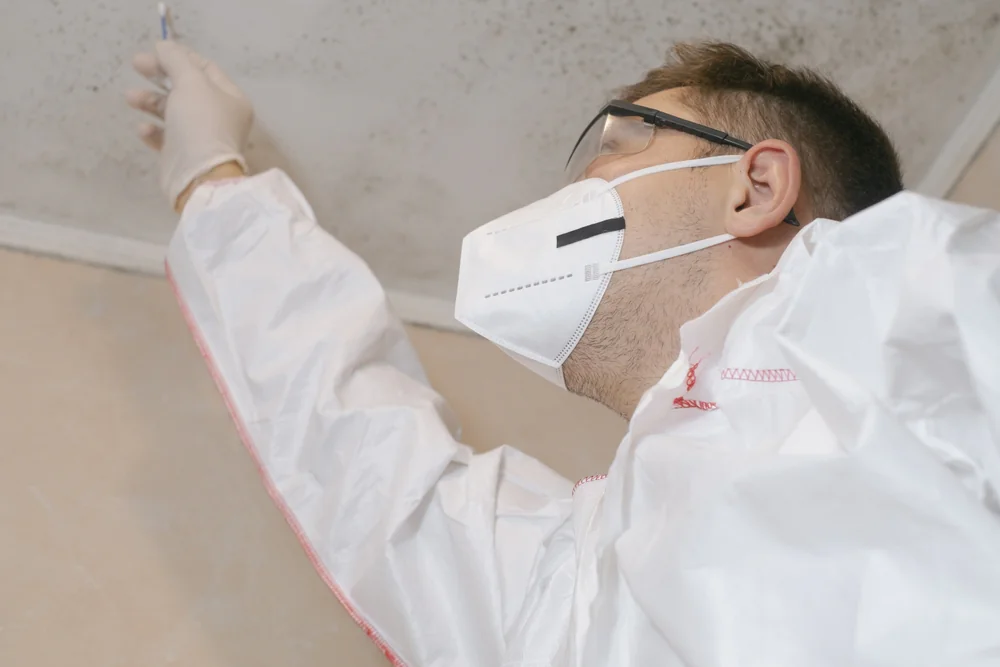
Mold removal focuses on cleaning visible mold off surfaces. It’s a temporary fix that doesn’t address why the mold grew in the first place.
Mold mitigation goes deeper. It identifies the moisture source causing growth, removes all contamination including hidden mold, fixes the underlying problem, and creates conditions that prevent future growth. You’re not just treating symptoms, you’re eliminating the cause.
Think of it this way: if your basement floods and mold grows on the drywall, removal means scrubbing the mold off. Mitigation means removing the contaminated drywall, fixing the water intrusion issue, treating the studs, improving drainage, and installing a dehumidifier so it doesn’t happen again. One approach buys you a few weeks. The other actually solves the problem.
If you see visible mold growth larger than 10 square feet, you need professional help. That’s the EPA’s guideline, and it exists because larger infestations require proper containment to prevent spreading spores throughout your home.
You should also call us if you smell musty odors but can’t find the source, if you’ve had water damage or flooding in the past year, or if family members are experiencing unexplained respiratory symptoms, headaches, or fatigue that improve when they leave the house.
Homes in Hatfield built in the 1950s and 60s are especially vulnerable due to aging infrastructure, poor ventilation, and outdated moisture barriers. If you’re in an older home and you’ve noticed any signs, get an inspection. Most mold problems start small and hidden, then spread fast once conditions are right.
It depends on what caused the mold. Most Pennsylvania homeowners policies cover mold mitigation if the mold resulted from a covered peril like a burst pipe, roof leak from storm damage, or appliance malfunction.
They typically won’t cover mold from long-term neglect, maintenance issues, or flooding. If you ignored a slow leak for months, that’s probably not covered. If a pipe burst while you were on vacation and mold grew from the water damage, that usually is.
We work directly with insurance companies to document findings, provide detailed reports, and help you navigate the claims process. Our inspections cost $350 and include everything your insurance adjuster needs to make a decision. Even if insurance doesn’t cover the full mitigation, catching the problem early means lower out-of-pocket costs than waiting until contamination spreads.
Small jobs take 1-3 days. Larger infestations affecting multiple rooms can take a week or more. The timeline depends on how much mold we find, where it’s located, and what’s causing it.
Inspection and testing happen first and take a few hours. You’ll get lab results and a detailed report within 3-5 business days. Once you approve the scope of work, we start containment and removal immediately.
The actual mitigation work moves fast, but we don’t rush the important parts. Proper containment setup, thorough removal, complete drying, and post-remediation testing all take time to do correctly. Cutting corners means mold comes back in weeks, and you’re paying for the same job twice. We’d rather do it right the first time, even if it takes an extra day.
Bleach kills surface mold on non-porous materials like tile or glass, but it doesn’t penetrate porous surfaces like drywall, wood, or insulation. The mold you see on the surface has roots growing deep into the material, and bleach can’t reach them.
More importantly, bleach doesn’t fix the moisture problem causing the growth. You might kill visible mold today, but if humidity levels stay high or there’s still a leak, new mold grows back within days.
DIY approaches also miss hidden mold behind walls, under floors, and in HVAC systems. Without proper containment, cleaning disturbs mold spores and spreads them to clean areas of your home. Professional mitigation uses HEPA filtration, negative air pressure, and antimicrobial treatments that actually work. For small spots under 10 square feet with no underlying moisture issues, DIY might be fine. Anything larger or recurring needs professional attention.
Moisture is the root cause. Mold needs water, organic material to feed on, and the right temperature. Your home provides the food and temperature, so controlling moisture is the only way to prevent growth.
Common sources in Hatfield include basement water intrusion from poor drainage or foundation cracks, roof leaks that go unnoticed for months, plumbing failures in older homes, condensation from inadequate ventilation, and high indoor humidity during Pennsylvania’s humid summers.
Homes built in the 1950s and 60s, which make up most of Hatfield’s housing stock, often have outdated moisture barriers, poor attic ventilation, and aging plumbing that creates perfect conditions for mold. Add in the area’s humid climate and you’ve got a recipe for recurring problems unless the underlying issues get fixed. That’s why mitigation focuses on source correction, not just cleaning up what’s already grown.
Other Services we provide in Hatfield