
Hear from Our Customers
You stop worrying about what’s growing behind your walls. Your kids’ allergies calm down. The musty smell disappears. You can sell your home without a failed inspection or negotiate your asking price down because of mold.
Mold mitigation means getting spore counts back to normal levels and eliminating the conditions that let mold thrive. It’s not about chasing zero spores—that’s impossible. It’s about making your home safe again and keeping moisture under control so new growth doesn’t start.
In Hatboro, PA, humidity spikes in summer and older homes with foundation issues create the perfect environment for mold. If you’ve had a leak, flooding, or just noticed black spots on your basement walls, waiting makes it worse. Mold spreads through your HVAC system. A basement problem becomes a bedroom problem in days.
We’ve been serving Hatboro and the surrounding Bucks County area for over 27 years. We know what happens to older Pennsylvania foundations when humidity spikes. We’ve seen how fast mold spreads after storm damage and what it takes to actually fix the problem.
Our technicians carry IICRC certifications and use EPA-approved methods. We don’t wing it. We don’t oversell you on services you don’t need. We show up, assess the situation honestly, and tell you what it’s going to take to make your home safe.
Hatboro homeowners deal with specific challenges—older construction, humid summers, basements that weren’t built with modern moisture barriers. We’ve handled all of it. You’re not getting a national franchise reading from a script. You’re getting local experience that understands your home.
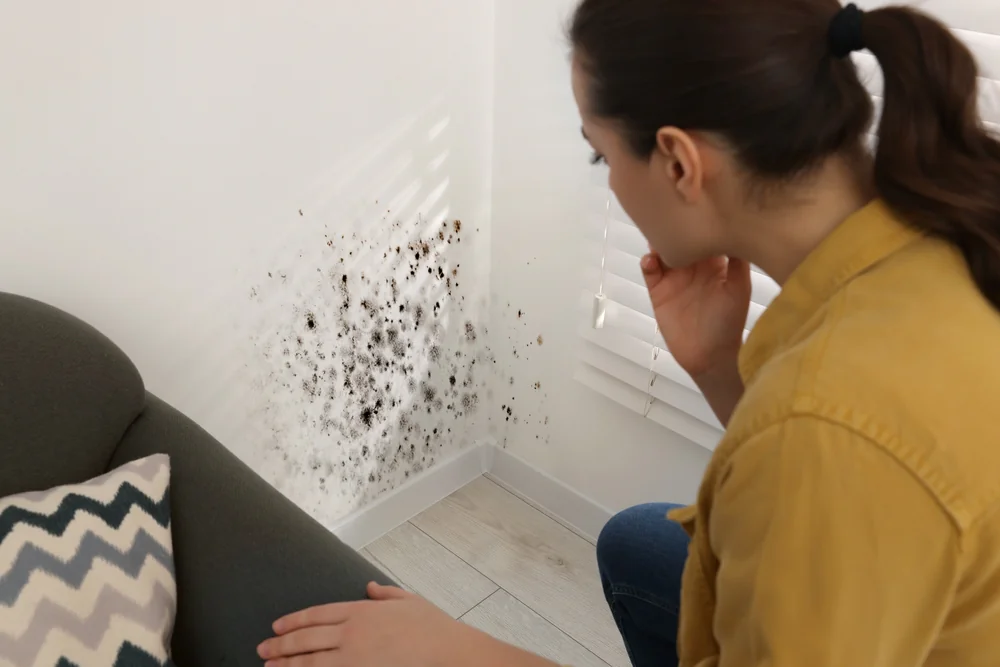
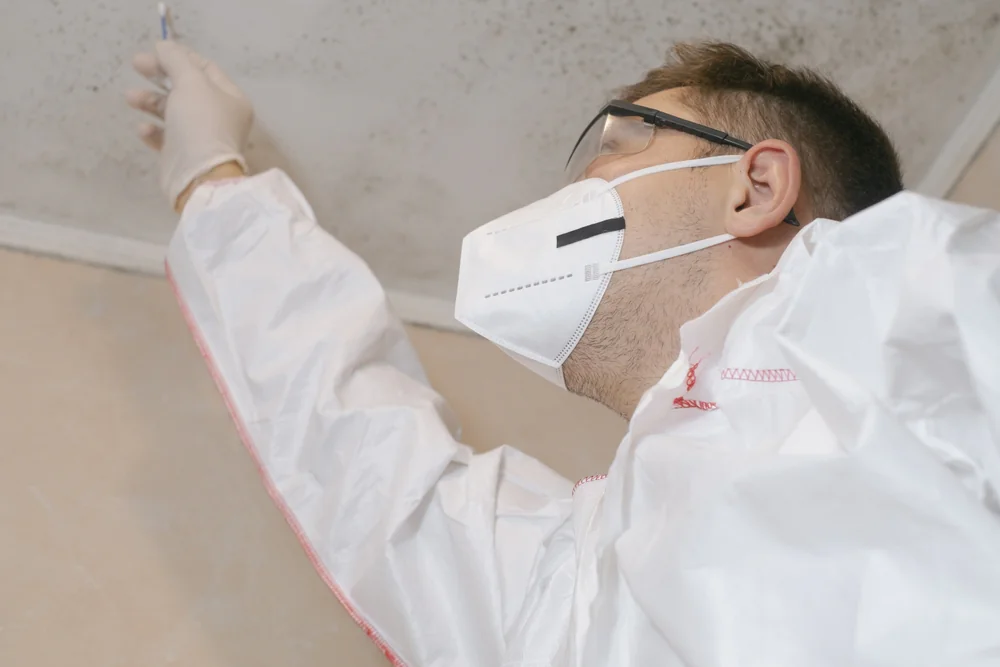
We start with a free inspection. Our team examines visible mold and checks hidden areas—behind walls, under flooring, in your HVAC system. We use moisture meters and air quality testing to find the source. You can’t fix mold without fixing what caused it.
Once we know what we’re dealing with, we give you an upfront estimate. No surprises. If insurance is involved, we help with the claims process. Most homeowners policies cover mold mitigation if it resulted from a sudden water event like a burst pipe or storm damage.
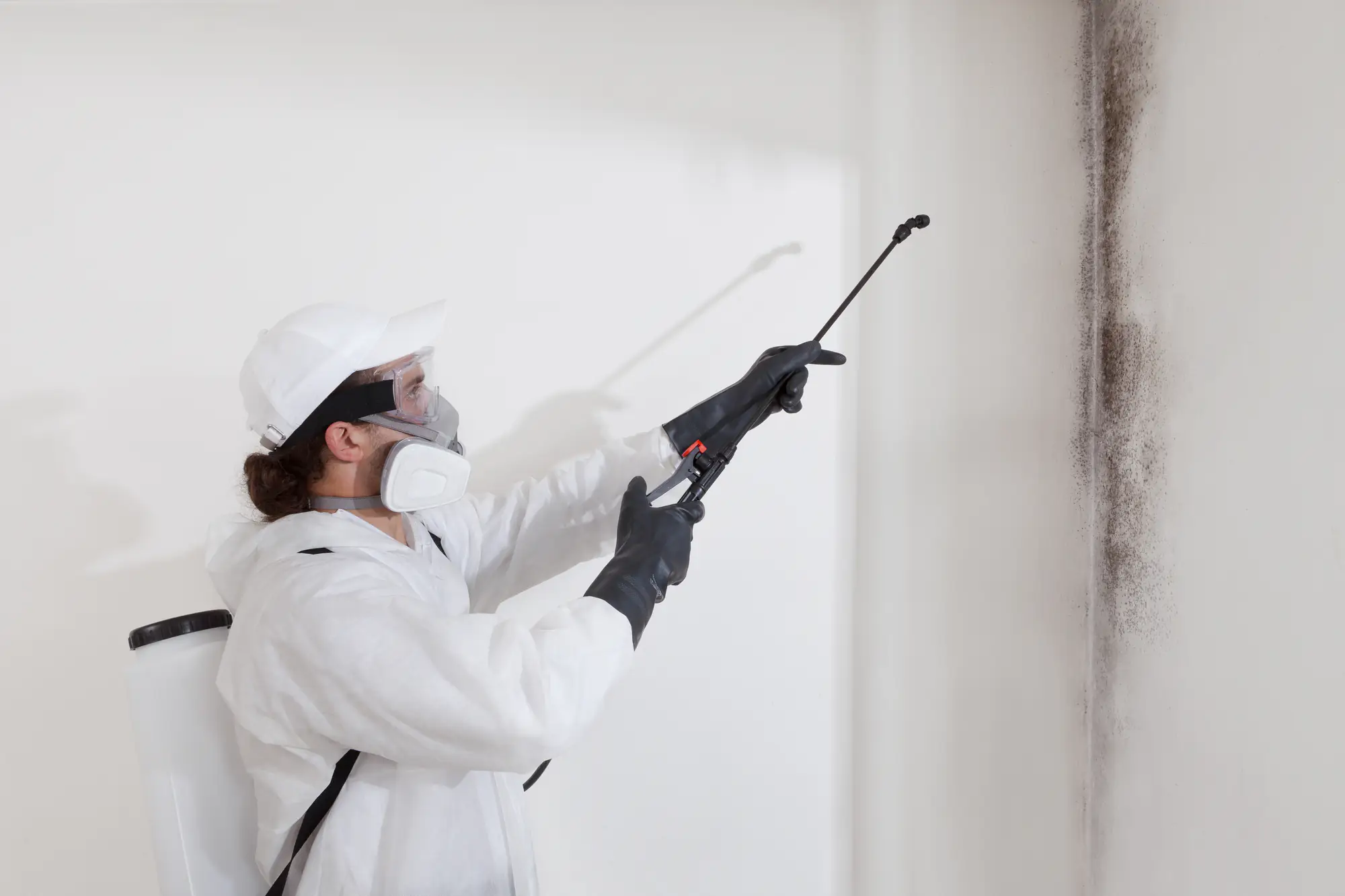
Next, we contain the affected area to prevent spores from spreading during removal. We remove contaminated materials that can’t be saved—drywall, insulation, carpeting. We clean and treat surfaces that can be salvaged using antimicrobial solutions. Then we address the moisture problem. That might mean fixing a leak, improving ventilation, or installing a dehumidifier. Without moisture control, mold comes back.
Finally, we verify the work with post-remediation testing. You get documentation showing spore counts are back to normal levels. Your home is safe. The problem is actually solved.
Ready to get started?
You get a certified inspector who knows what to look for. We test air quality and moisture levels. We identify the type of mold—black mold, which is what most people worry about, requires specific handling. We document everything for insurance purposes.
Containment is critical. We seal off the work area with plastic sheeting and use negative air pressure to keep spores from traveling through your home. In Hatboro, where many homes have forced-air heating, this step prevents a localized problem from becoming a whole-house issue.
We remove all contaminated materials and dispose of them properly. Porous materials like drywall and insulation can’t be saved once mold takes hold. Hard surfaces get cleaned with HEPA vacuums and antimicrobial treatments. We don’t just kill surface mold—we address the root cause.
After severe storms, outdoor spore counts in the Philadelphia area can exceed 6,000 spores per cubic meter. If your home already has moisture issues, those elevated outdoor counts make indoor growth even more likely. We help you understand your specific risk factors and what preventive steps make sense for your property.
Most residential mold mitigation projects take between three and five days, depending on the extent of contamination and how much material needs to be removed. A small bathroom with surface mold might be done in two days. A finished basement with hidden mold behind walls and in the HVAC system could take a week.
The timeline also depends on drying time. If we’re addressing a moisture problem—fixing a foundation leak or dealing with water damage—we need to make sure everything is completely dry before we close up walls. Rushing this step is how mold comes back.
We’ll give you a realistic timeline during the inspection. If you’re dealing with an insurance claim, we work with your adjuster to keep things moving. The goal is to get your home safe as quickly as possible without cutting corners.
It depends on what caused the mold. If it resulted from a sudden, accidental water event—like a burst pipe, storm damage, or a failed appliance—most homeowners policies will cover mitigation. If the mold developed slowly over time due to poor maintenance or chronic humidity, insurance typically won’t pay.
Coverage is often limited. Some policies cap mold claims at $10,000 or less. Others exclude certain types of mold damage entirely. You need to check your specific policy.
We help with the claims process. We document the damage, provide detailed estimates, and communicate directly with adjusters. We’ve worked with every major insurance company operating in Bucks County. We know what they require and how to present your claim in a way that gets approved. Even if insurance doesn’t cover everything, we’ll be transparent about costs so you can make an informed decision.
Mold removal sounds like you’re getting rid of every single spore. That’s not realistic. Mold spores exist everywhere—indoors and outdoors. You can’t eliminate them completely. Any company promising total mold removal either doesn’t understand the science or is overselling what’s achievable.
Mold mitigation is the honest term. It means reducing mold levels to normal, safe levels and removing contaminated materials that can’t be salvaged. We clean and treat surfaces that can be saved. We control moisture so new growth doesn’t start. The focus is on making your home safe and preventing future problems, not chasing an impossible standard.
The EPA and IICRC—the organizations that set industry standards—use the term mitigation for a reason. It’s about managing the problem effectively, not making false promises. When we finish a job, we provide air quality testing that shows spore counts are back to normal levels. That’s the standard that matters.
If the affected area is smaller than 10 square feet and you caught it early, you might be able to clean it yourself with the right products and safety equipment. Surface mold on bathroom tile or a small section of drywall can sometimes be handled without professional help.
But if you’re seeing mold in multiple rooms, if it’s behind walls or in your HVAC system, if anyone in your home has respiratory issues, or if the mold came back after you tried cleaning it—call us. You’re dealing with a moisture problem that needs proper diagnosis and repair.
Black mold and other toxic varieties require professional handling. Disturbing mold without proper containment spreads spores throughout your home and makes the problem worse. In Hatboro, where older homes often have hidden moisture issues in basements and crawl spaces, what looks like a small problem is usually bigger than it appears. We offer free inspections. It costs nothing to get an expert assessment and know what you’re actually dealing with.
Mold can start growing within 24 to 48 hours after a water event. If you’ve had a pipe burst, a roof leak during a storm, or flooding in your basement, the clock is ticking. The longer water sits, the more likely you’ll end up with a mold problem on top of water damage.
This is why emergency response matters. If we can dry out the affected area within the first 48 hours, we can often prevent mold growth altogether. Once mold takes hold, mitigation becomes more expensive and time-consuming.
Pennsylvania’s humid climate makes this timeline even tighter. In summer, when indoor humidity in Hatboro homes can easily climb above 60%, mold grows faster. If you’ve had any kind of water intrusion, don’t wait to see if mold appears. Get a professional assessment right away. A fast response can save you thousands in mitigation costs and protect your family’s health.
Don’t touch it or try to clean it yourself if the area is larger than a few square feet. Disturbing mold releases spores into the air, which can spread contamination and create respiratory issues for anyone in the home. Keep children and pets away from the affected area.
If you can, identify and stop the moisture source. If there’s an active leak, shut off the water. If it’s a humidity issue, run a dehumidifier. Don’t use fans to dry the area—that just blows spores around.
Call us for a free inspection. We’ll assess the situation, test air quality, and give you a clear picture of what needs to happen. We’re available 24/7 for emergencies. The faster you act, the less damage occurs and the lower your mitigation costs will be. Mold doesn’t get better on its own. It spreads. Get it handled now.
Other Services we provide in Hatboro