
Hear from Our Customers
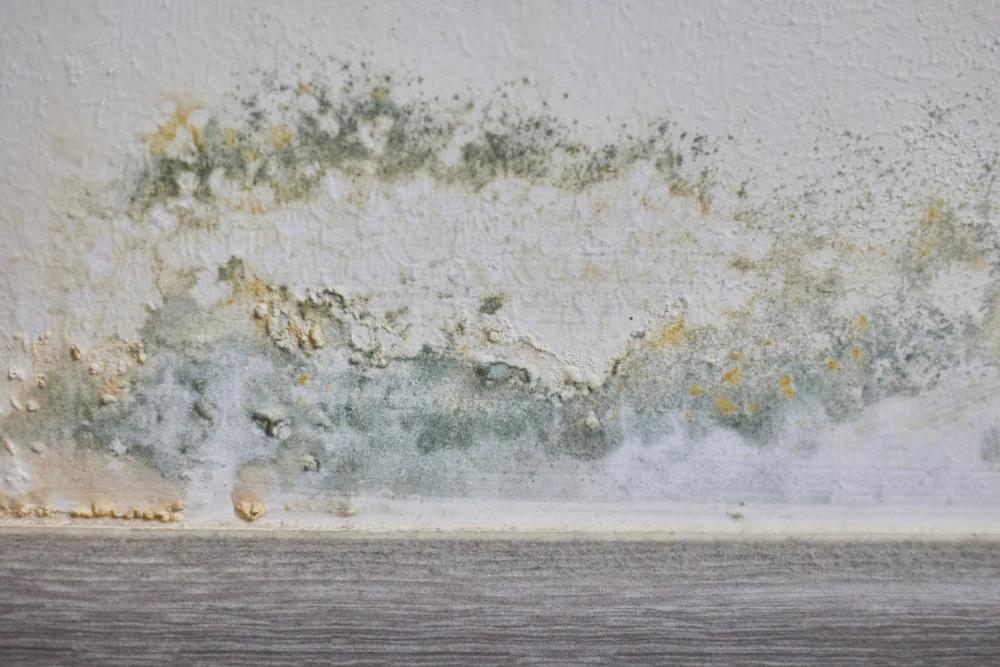
Mold mitigation isn’t just scrubbing what you can see. It’s finding where the moisture is coming from, fixing that problem, removing all contamination including what’s hidden, and making sure it doesn’t come back.
When the job’s done right, you’re not wondering if there’s still mold behind your walls. You’re not dealing with that musty smell six months later. Your family stops having unexplained respiratory symptoms or allergy flare-ups that won’t quit.
You get your home back. The air feels cleaner. You stop worrying every time you walk past that basement wall or bathroom corner. And if you’re selling, you can actually pass inspection without scrambling to hide a problem that’ll cost you thousands in negotiations.
That’s what complete mold mitigation looks like. Not a quick fix. Not a cover-up. Just thorough work that solves the actual problem.
We’ve spent years working in Harleysville and throughout Bucks County. We’ve seen what Pennsylvania’s humid summers and older housing stock do to homes here.
Plaster walls that trap moisture. Brick basements that stay damp for weeks. Poor ventilation systems that were never designed for today’s humidity levels. These aren’t just construction details—they’re the reasons mold keeps coming back when it’s not handled correctly.
Our team uses moisture meters, infrared cameras, and HEPA filtration systems to find and remove mold you didn’t even know was there. We’re certified, we’re local, and we’ve handled everything from small bathroom issues to whole-home contamination. You’re not getting a national franchise following a script. You’re getting people who understand what causes mold problems in homes like yours.
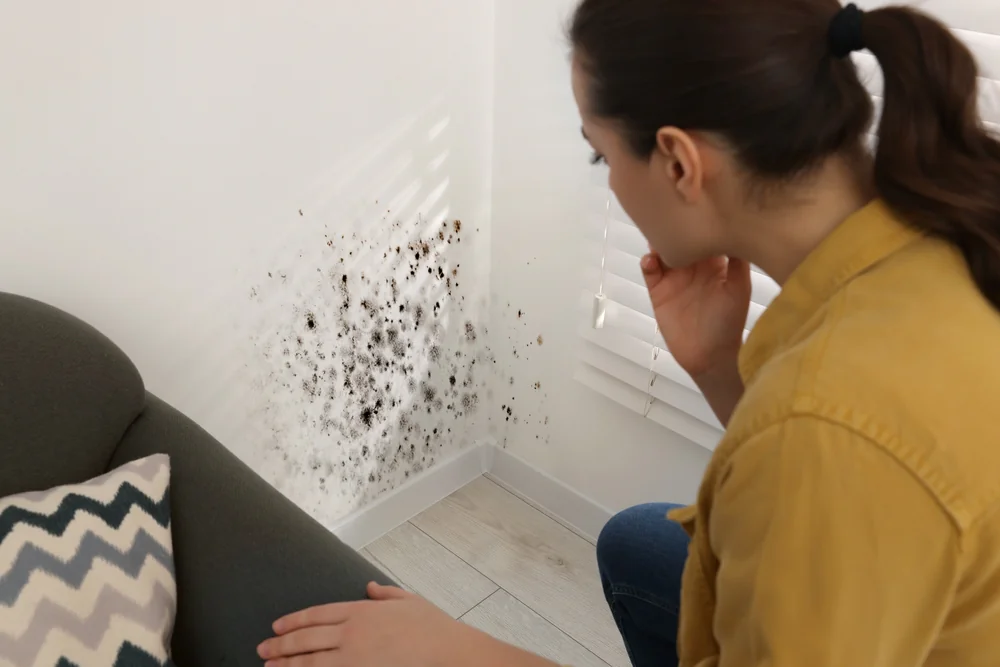
First, we inspect your property for free. We’re looking for visible mold, but also using detection equipment to find hidden growth behind walls, under floors, and in crawl spaces. We identify the moisture source—whether that’s a leak, condensation, poor ventilation, or something else.
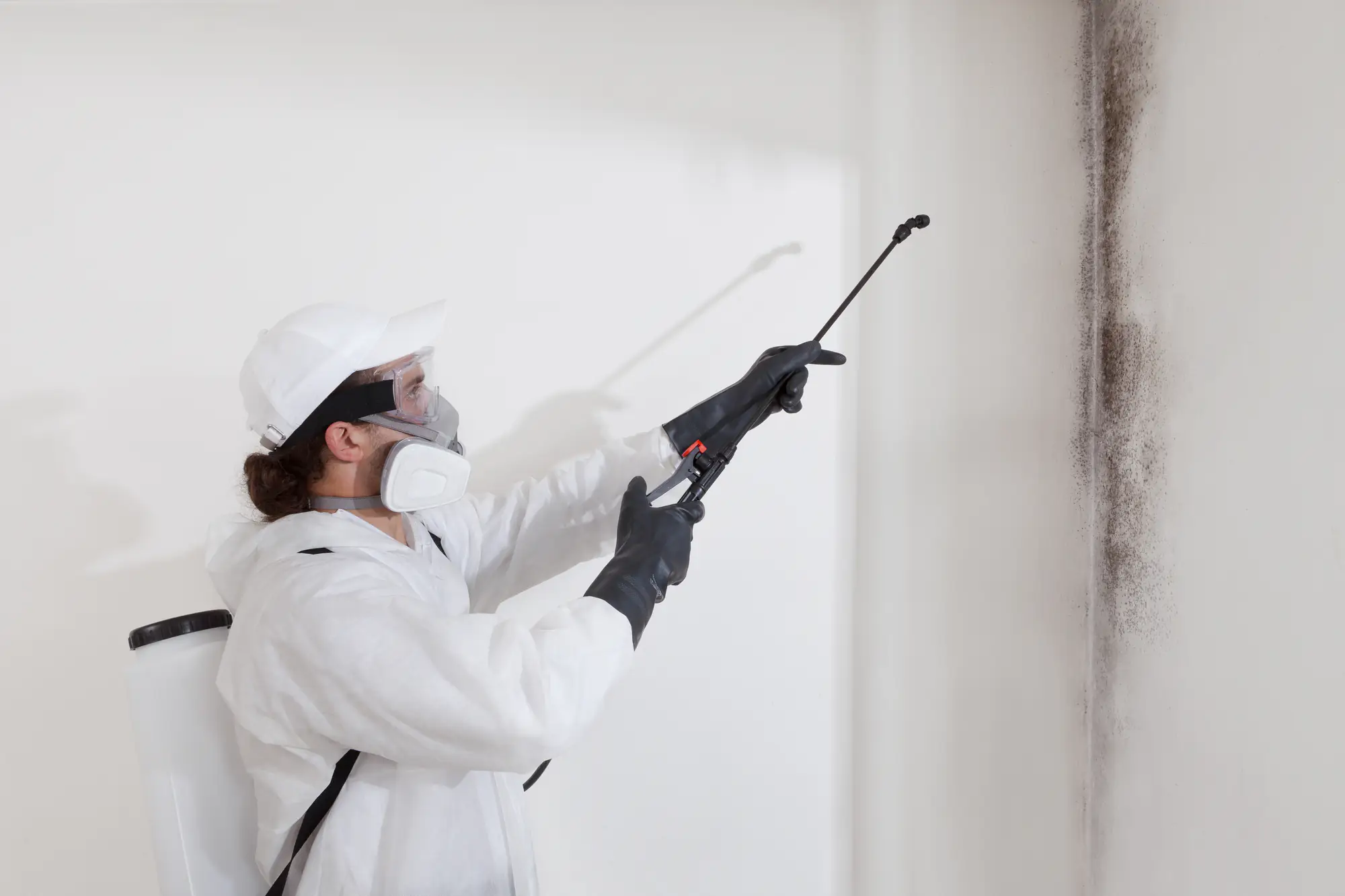
Next, we contain the affected area. Physical barriers go up, and we use negative air pressure systems to keep mold spores from spreading to clean areas during removal. HEPA air scrubbers run continuously to capture microscopic particles.
Then we remove the contamination. That means affected materials get disposed of properly, surfaces get treated, and everything gets cleaned with professional-grade equipment. We’re not just wiping things down—we’re eliminating the problem at its source.
Finally, we fix what caused it. We repair leaks, improve ventilation, install dehumidifiers if needed, and make recommendations to prevent future growth. You get documentation for insurance claims if you need it, and you get a home that’s actually safe.
Ready to get started?
You get a thorough inspection using moisture meters and infrared cameras to detect hidden mold growth. You get containment procedures that prevent cross-contamination during removal. You get professional removal using HEPA vacuums and air scrubbers that capture spores you can’t see.
But here’s what matters most for Harleysville homeowners: you get moisture source identification and repair. Pennsylvania’s climate means high humidity, frequent rain, and temperature swings that create perfect conditions for mold. Older homes in this area often have construction features that trap moisture—plaster walls, brick foundations, inadequate ventilation systems.
We address those specific issues. If your basement stays damp because of poor drainage, we identify that. If your bathroom doesn’t ventilate properly, we tell you. If you need a dehumidifier or better airflow in your attic, you’ll know before we leave.
You also get 24/7 emergency response when water damage happens, because mold starts growing within 24 hours. Fast response means less damage, lower costs, and fewer headaches. We handle insurance documentation, we restore damaged areas, and we keep you informed throughout the entire process.
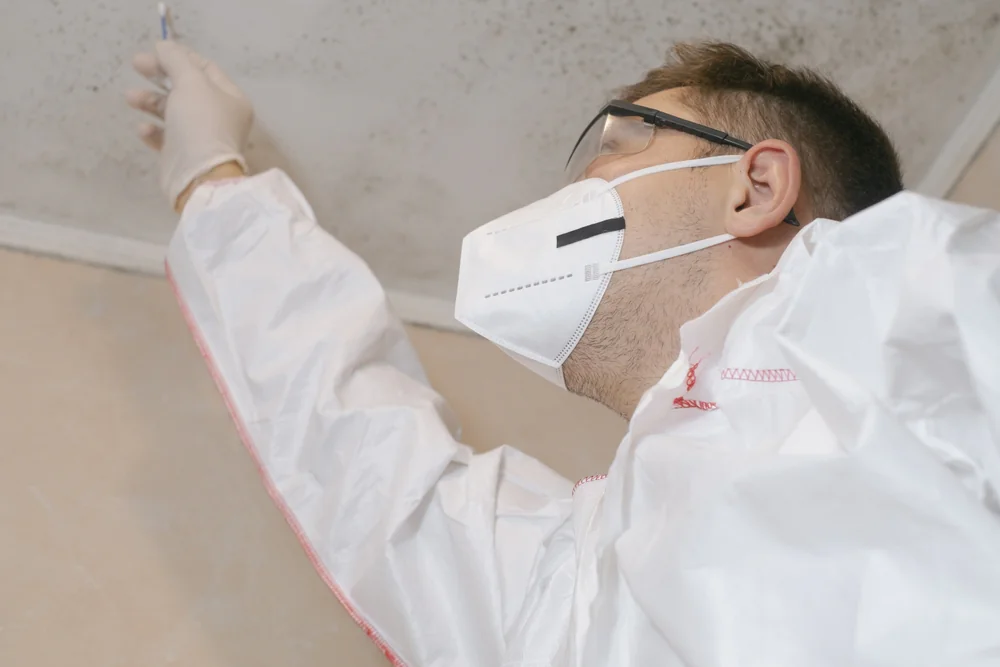
Most mold mitigation projects in Pennsylvania run between $1,500 and $6,000, with severe cases reaching $10,000 or more. The cost depends on how much mold you have, where it’s located, and what’s causing it.
A small bathroom issue might cost $1,500 to $2,500. A basement with widespread contamination could run $4,000 to $6,000. If mold has spread through multiple rooms or requires major repairs to fix the moisture source, you’re looking at the higher end.
Here’s what affects your price: square footage of contaminated area, whether we need to remove drywall or other materials, how accessible the mold is, what type of mold you have, and what repairs are needed to fix the moisture problem. Black mold mitigation typically costs more because it requires more careful containment and disposal procedures.
We offer free inspections so you know exactly what you’re dealing with before any work starts. No surprises, no hidden fees. Just a clear assessment and an honest quote based on what your home actually needs.
Small projects take one to three days. Larger jobs can take a week or more, depending on the extent of contamination and what repairs are needed.
The inspection and assessment usually happen on day one. Containment and removal might take two to four days for a typical basement or bathroom project. Drying out the affected area and making repairs adds time—sometimes several days if materials need to be replaced.
Here’s the reality: rushing mold mitigation means doing it wrong. If we don’t let areas dry completely, mold comes back. If we don’t identify and fix the moisture source, you’ll be calling someone again in six months. If we don’t contain the area properly, spores spread to clean parts of your home during removal.
We work as quickly as possible without cutting corners. You’ll know the timeline upfront, and we’ll keep you updated if anything changes. Most homeowners can stay in their homes during mitigation as long as the contaminated area is properly contained, though that depends on the severity of your situation.
Mold removal means getting rid of visible mold. Mold mitigation means removing the mold and fixing what caused it so it doesn’t come back.
Removal is surface-level. Someone scrubs the mold you can see, maybe sprays some cleaner, and calls it done. Mitigation is comprehensive. We find hidden mold, identify the moisture source, remove all contamination, fix the underlying problem, and prevent future growth.
Here’s why that matters: mold spores are everywhere. They’re in the air right now. They only become a problem when they land on a damp surface and start growing. If you just remove visible mold without fixing the moisture issue, those spores will grow right back.
Professional mold mitigation addresses the root cause. We repair leaks, improve ventilation, install dehumidifiers if needed, and make sure the conditions that allowed mold to grow don’t exist anymore. That’s the difference between a temporary fix and actually solving your problem.
Small surface mold on non-porous materials—like a little mildew on bathroom tile—you can handle yourself with proper cleaning products and ventilation. Anything larger than about 10 square feet, anything on porous materials like drywall or wood, or any situation involving black mold should be handled by professionals.
Here’s why: disturbing mold releases thousands of spores into the air. Without proper containment, those spores spread throughout your home and start new colonies wherever they land on damp surfaces. Without proper protective equipment, you’re breathing those spores and risking serious respiratory problems.
Professional mold mitigation uses containment barriers, negative air pressure systems, and HEPA filtration to prevent cross-contamination. We have moisture meters and infrared cameras to find hidden mold you don’t know exists. We know how to identify and fix moisture sources so the problem doesn’t return.
DIY mold removal often costs more in the long run because the mold comes back, spreads further, or causes health issues that require medical attention. If you’re dealing with anything beyond minor surface mildew, calling professionals isn’t overcautious—it’s the smart financial decision.
Visible mold is obvious—dark spots, fuzzy growth, discoloration on walls, ceilings, or floors. But you might have mold you can’t see if you notice a persistent musty smell, experience unexplained allergy symptoms or respiratory issues, or have had water damage or leaks in the past.
Mold grows in hidden places. Behind walls where pipes leaked. Under flooring where moisture accumulated. In attics with poor ventilation. In basements with humidity problems. You might not see it, but you’ll smell it or feel its effects.
Common signs include stuffy nose, wheezing, red or itchy eyes, skin irritation, or worsening asthma—especially symptoms that improve when you leave the house. You might notice peeling paint, warping wood, or water stains that indicate moisture problems even if you don’t see mold yet.
Pennsylvania’s humid climate means mold risk is high, especially in older homes with plaster walls or brick basements that trap moisture. If you suspect a problem, get a free inspection. We’ll use detection equipment to find hidden mold and identify moisture sources before they become expensive problems.
It depends on what caused the mold. If mold resulted from a sudden, accidental event like a burst pipe or storm damage, your homeowners insurance typically covers mitigation. If mold developed from long-term neglect, poor maintenance, or gradual issues like slow leaks, insurance usually won’t cover it.
Most insurance policies specifically exclude mold damage from maintenance issues. They’ll cover the water damage from a sudden pipe burst, but not mold that grew because you ignored a small leak for months.
Here’s what helps: document everything. Take photos of the damage. Keep records of when you discovered the problem and what caused it. Get professional assessment quickly—waiting too long can make insurers argue you didn’t mitigate damages promptly.
We help with insurance claims by providing detailed documentation, moisture readings, photos, and scope of work. We’ll explain what caused your mold problem and what’s needed to fix it. Some insurance companies require specific procedures or documentation, and we know how to provide that. Even if insurance doesn’t cover everything, knowing your actual costs upfront helps you make informed decisions about your home and your health.
Other Services we provide in Harleysville