
Hear from Our Customers
You’re not looking for someone to wipe down a wall and call it done. You need the moisture problem fixed so mold doesn’t keep coming back every few months.
That’s what real mold mitigation does. We find where water is getting in—whether it’s a foundation crack from settling, a clogged window well, or poor ventilation in your basement. Then we fix it, remove the contamination safely, and verify your air quality is back to normal.
East Pikeland’s clay-heavy soil doesn’t drain well, which means water sits against your foundation longer than it should. Add in humid summers and homes built decades ago with limited airflow, and you’ve got the perfect setup for recurring mold growth. If you don’t address what’s feeding it, you’ll be dealing with this again in a matter of weeks.
We work throughout Chester County, and we’ve seen what happens when homeowners try surface-level fixes. It doesn’t work here.
Your home deals with specific challenges—soil that holds water, older construction with ventilation issues, and humidity levels that create ideal conditions for mold. We use moisture meters and infrared cameras to find problems you can’t see, and we don’t leave until the source is handled and your air tests clean.
You’re hiring us because you want this fixed right. We’re not the cheapest option, and that’s intentional. You’re paying for equipment that finds hidden moisture, containment systems that protect the rest of your home during removal, and a process that actually prevents regrowth.
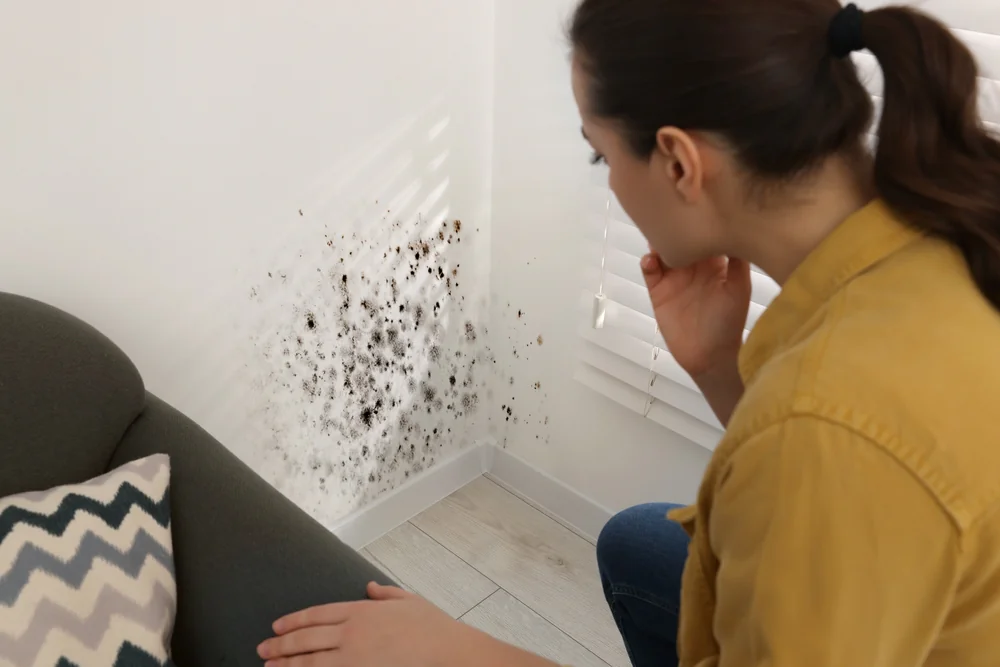
We start with an inspection using moisture meters and thermal imaging to locate where water is coming from. That might be a foundation crack, a leaky pipe behind your wall, or condensation building up in your crawl space. If we don’t find the source, nothing else matters.
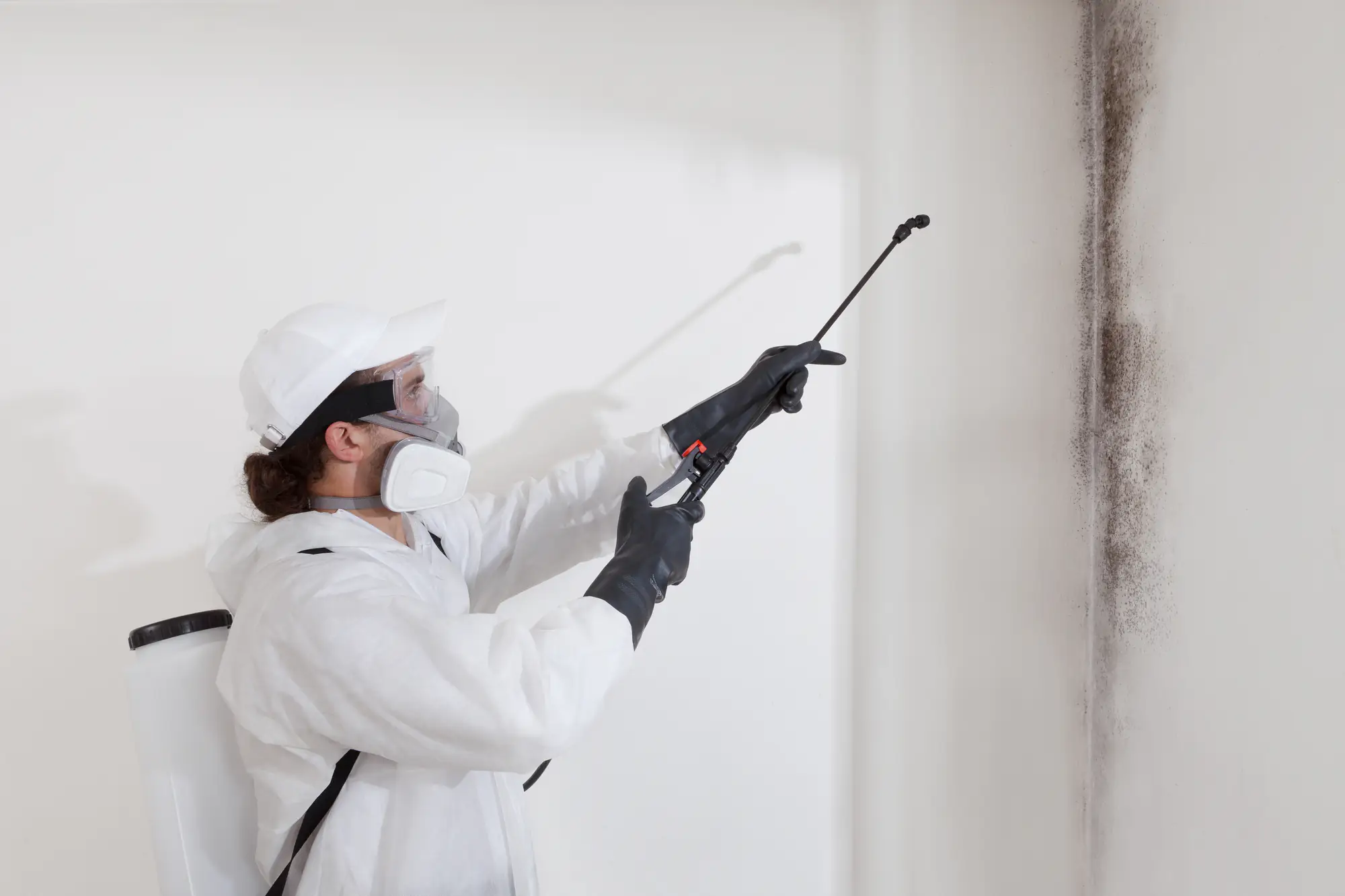
Once we know what’s feeding the mold, we seal off the affected area with physical barriers and negative air pressure so spores don’t spread while we work. Then we remove contaminated materials that can’t be saved—drywall, insulation, anything that’s compromised. Structural elements get treated with antimicrobial solutions and cleaned thoroughly.
After removal, we bring in dehumidifiers or fix ventilation issues to eliminate the moisture problem long-term. Then we verify air quality with testing to confirm spore levels are back to safe ranges. You’re not guessing whether it worked—you’re seeing documented proof before we consider the job complete.
Ready to get started?
Mold mitigation services include finding and fixing the moisture source, which is the only way to prevent regrowth. In East Pikeland, that often means addressing foundation drainage issues caused by clay soil, repairing window well leaks, or improving basement ventilation in older homes.
We use HEPA filtration and air scrubbers during removal to capture microscopic spores from your air. Containment systems keep contamination from spreading to clean areas of your home. You’re also getting antimicrobial treatment on structural elements and disposal of materials that can’t be salvaged.
After the physical work is done, we test your air quality to verify spore counts are safe. Then we give you specific recommendations for dehumidification, ventilation improvements, and maintenance practices that keep your home mold-free. Chester County’s humidity and frequent rain mean prevention isn’t optional—it’s the difference between a one-time fix and a recurring nightmare.
Pennsylvania’s asthma rates are nearly double the national average, and mold exposure makes respiratory problems significantly worse. If you’ve got kids or elderly family members in your home, you’re not just dealing with property damage—you’re dealing with health risks that get worse the longer mold has time to grow.
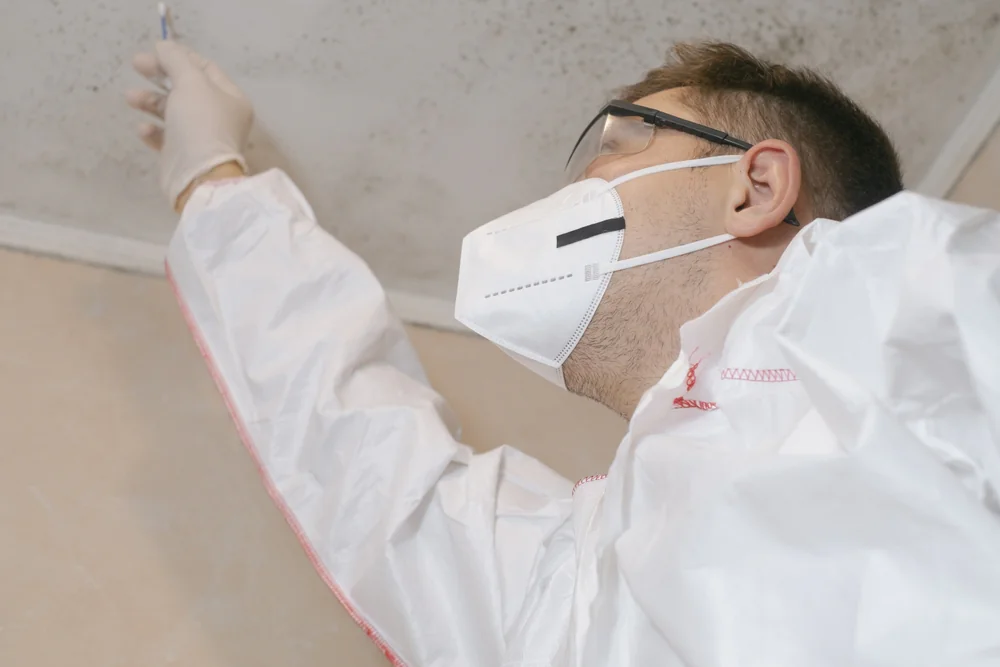
Most mold mitigation projects take between three and seven days, depending on how widespread the contamination is and what’s causing it. If you’ve got mold in one bathroom from a leaky pipe, that’s a faster fix than a basement with foundation seepage and poor drainage.
The timeline includes inspection, containment setup, removal of contaminated materials, antimicrobial treatment, drying time, and air quality testing. You can’t rush the drying phase—if moisture levels aren’t back to normal before we close everything up, you’ll have mold growing again within weeks.
In East Pikeland, we often find that foundation issues or window well leaks require additional work to fix the moisture source. That can add time to the project, but it’s the only way to prevent regrowth. You’re better off adding a few days to the timeline than dealing with this again in six months.
Mold removal is surface-level cleaning. Mitigation is fixing the problem so it doesn’t come back.
If you spray bleach on visible mold and wipe it down, you’ve removed what you can see. But if there’s still a leak behind your wall or humidity building up in your crawl space, new mold will start growing within days. That’s why removal alone doesn’t work in East Pikeland’s climate.
Mitigation means identifying the moisture source, eliminating it, removing existing contamination with proper containment and equipment, and verifying your air quality is safe. It’s a complete process that addresses why mold is growing in the first place. You’re not just cleaning up what’s already there—you’re preventing future growth by creating conditions where mold can’t survive.
It depends on what caused the mold. If it’s from a sudden, accidental event like a burst pipe or storm damage, most policies will cover mitigation. If it’s from long-term neglect or a maintenance issue you ignored, they probably won’t.
Insurance companies want to see that you acted quickly after discovering the problem. Mold can start growing within 24 to 48 hours of water exposure, so waiting weeks to call someone will hurt your claim. They’ll also want documentation—photos, moisture readings, and a detailed scope of work.
We can help you navigate the claims process and provide the documentation your insurance company needs. That includes moisture mapping, photos of the damage, and a breakdown of what needs to be done to mitigate mold damage properly. Even if your policy doesn’t cover everything, having professional documentation makes the process smoother and increases your chances of getting at least partial coverage.
It depends on how extensive the contamination is and where it’s located. If we’re working in a basement or a single room that can be sealed off completely, you can usually stay in the rest of your home without issue.
If mold has spread to multiple areas or your HVAC system is involved, it’s safer to stay elsewhere until containment is set up and air quality improves. We use negative air pressure and HEPA filtration to prevent spores from spreading, but there’s still dust, noise, and disruption during the removal process.
For families with young children, elderly members, or anyone with respiratory issues, we generally recommend staying somewhere else even if the work is contained to one area. Mold spores can trigger asthma attacks and allergic reactions, and exposure during active removal increases that risk. Your health matters more than convenience, and a few days away from home is worth avoiding complications.
If you can see mold growing on surfaces, smell a musty odor that won’t go away, or you’ve had water damage in the past few months, you need mitigation—not just cleaning.
Visible mold means there’s a moisture problem feeding it. Cleaning the surface won’t fix the leak, the condensation issue, or the ventilation problem causing growth in the first place. In East Pikeland’s humid climate and older homes, surface cleaning is almost always a temporary fix that fails within weeks.
Professional mold mitigation includes moisture detection equipment that finds problems behind walls, under floors, and in crawl spaces where you’d never think to check. We’re not guessing where water is coming from—we’re using thermal imaging and moisture meters to locate the exact source. If you skip that step and just clean what you can see, you’re wasting time and money on something that won’t last.
The most common causes are foundation drainage issues, window well leaks, and poor ventilation in basements and crawl spaces. East Pikeland sits on clay-heavy soil that doesn’t drain well, so water pools against your foundation after rain instead of flowing away.
Over time, foundation settling creates micro-cracks that allow groundwater seepage. Window wells—common in Chester County homes—create another entry point for water if they’re not properly maintained or if drainage systems get clogged. Once water is inside, limited airflow in older homes means it stays damp long enough for mold to take hold.
If you’ve had mold treated before and it came back, the mitigation company didn’t fix the moisture source. They removed what was growing but left the conditions that caused it in the first place. Real mitigation includes repairing leaks, improving drainage, installing dehumidifiers, and upgrading ventilation so your home stays dry. Without those steps, even the most thorough removal becomes a temporary fix.
Other Services we provide in East Pikeland